From Lafitte to the Frontlines
Long before formal medals existed, New Orleans had earned a reputation for stubborn defense. When the nation began officially recognizing valor, local names found their way into the record.
From pirates-turned-patriots to modern Marines, the arc of New Orleans military history shows a pattern repeated across generations: new battlefields, new weapons, and the same willingness to risk everything for the people beside you.
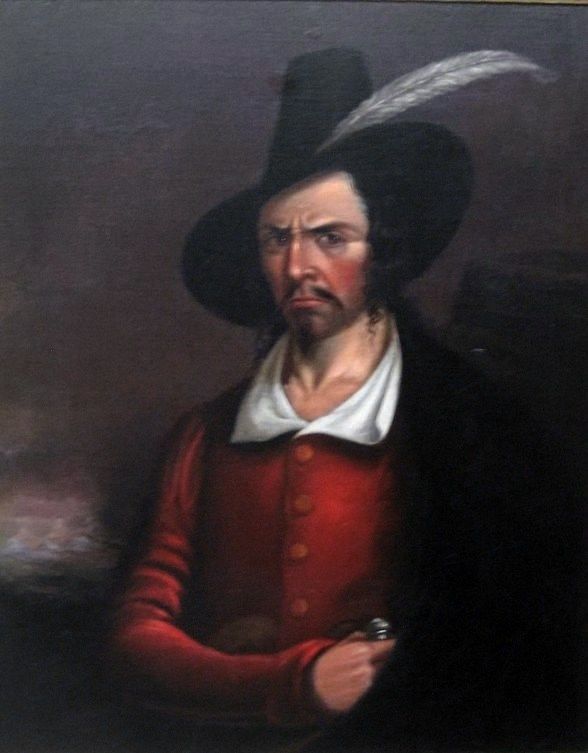
War of 1812: Before the Medals, the Myth
Long before medals
or formal military honors, New Orleans made its reputation on an unlikely
military leader—Jean Lafitte, the Barataria privateer whose knowledge of
Gulf waters helped shape the city's defining victory.
The War of 1812
placed New Orleans at the center of a high-stakes struggle. Control of the
Mississippi meant control of commerce, and British forces aimed to seize the
city in late 1814. Recognizing Lafitte's military value, British officers first
approached him, hoping he would join their campaign. Instead, Lafitte turned to
Governor Claiborne, offering intelligence and the support of his gunners. His
men were later folded into the American defense under Andrew Jackson.
At Chalmette in
January 1815, Lafitte's artillery helped break the British assault and secure
one of America's most significant early victories. The peace treaty had already
been signed overseas, but the battle cemented New Orleans' place in national
history.
No medals existed yet to mark heroism, but in the story of New Orleans military valor, the tradition begins with Lafitte.
Civil War: When Honor Became Official
By the time the
Civil War reached Louisiana, New Orleans was under Union control, and the fight
for the Mississippi had become central to the conflict. The war also introduced
a new idea—a national medal recognizing extraordinary courage.
One of the earliest
recipients tied to the city was Jean J. Beaufort, a French immigrant who
had made New Orleans his home before joining Union forces. During operations
near Port Hudson, Beaufort led a small group into enemy territory to eliminate
a Confederate signal station, disrupting communications and ultimately enabling
the Union's victory in the siege of Port Hudson.
Another New Orleans native, Navy sailor John Williams, proved his courage during a river engagement at Mathias Point in 1861. While evacuating soldiers under fire, Williams refused to pull away until every man reached the boat. Even after being wounded and losing the flagstaff to gunfire, he kept the colors raised until his crew reached safety.
Indian Wars: Service on a Distant Frontier
After the Civil
War, military campaigns shifted westward into the conflicts known as the Indian
Wars. Though fought far from Louisiana, they drew New Orleans soldiers into a
changing national story.
Among the most
notable was Moses Williams, born in Carrollton and who served with the
Buffalo Soldiers of the 9th U.S. Cavalry. During an 1881 fight in the foothills
of New Mexico's Cuchillo Negro Mountains, Williams helped lead flanking attacks
and rallied troops under heavy fire. As his unit withdrew, he exposed himself
to enemy fire to help rescue soldiers who had been cut off.
Years later, supported by his commanding officer, Williams received the Medal of Honor for those actions, becoming the first Black Medal of Honor recipient connected to the New Orleans area and a reminder that local heroism extended far beyond the Gulf.
World War II: A Global Stage
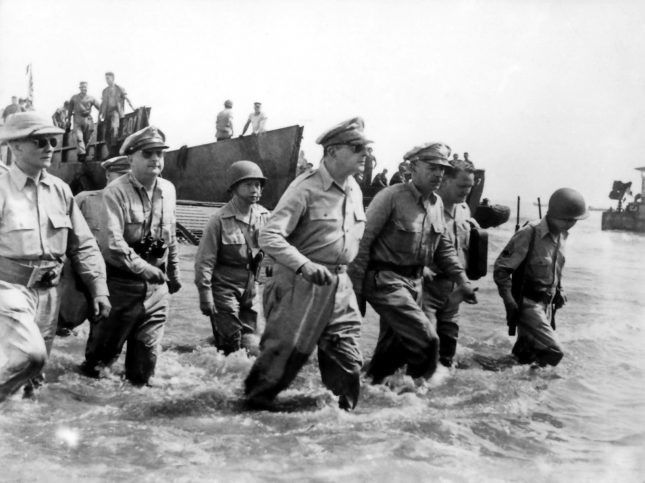
World War II pulled
New Orleanians into battles stretching from Europe to the Pacific. Among them
was James H. Diamond, a New Orleans native serving with Army forces in
the Philippines.
During heavy fighting, Diamond repeatedly put himself in danger to keep his unit moving, charging enemy positions and helping evacuate wounded soldiers even after being injured himself. On a later mission to rescue trapped troops, he ran through intense fire to reach an abandoned machine gun, drawing enemy attention long enough for others to escape. He was later awarded the Medal of Honor for his actions.
Korea and Vietnam: The Long Road Forward
Just five years
after World War II ended, American troops were again fighting overseas. The
Korean War unfolded across harsh terrain and shifting front lines, marking the
beginning of the Cold War's long military shadow.
New Orleans native Edward
Rightor Schowalter Jr. earned the Medal of Honor while commanding Company A
of the 31st Infantry Regiment during fighting near Kumhwa in October 1952.
Though seriously wounded by a grenade and then gunfire, Schowalter refused
medical aid and continued to direct assaults and steady his men until the
objective was secured.
He continued
serving with distinction during the Vietnam War, which brought a different
style of combat shaped by helicopters, jungle patrols, and sudden moments of
crisis. As a result, he was awarded the Silver Star.
Among the city's
most recognized Vietnam-era heroes was Raymond M. Clausen Jr., a Marine
crew chief who repeatedly moved into danger during a rescue mission when
Marines were trapped in a mined area under enemy fire. Again and again, he
crossed hazardous ground to bring the wounded out, saving lives through calm
persistence rather than spectacle.
Across two very different wars, the common thread remained the same: ordinary men making extraordinary choices for the people beside them.
Memorial Day: What Remains
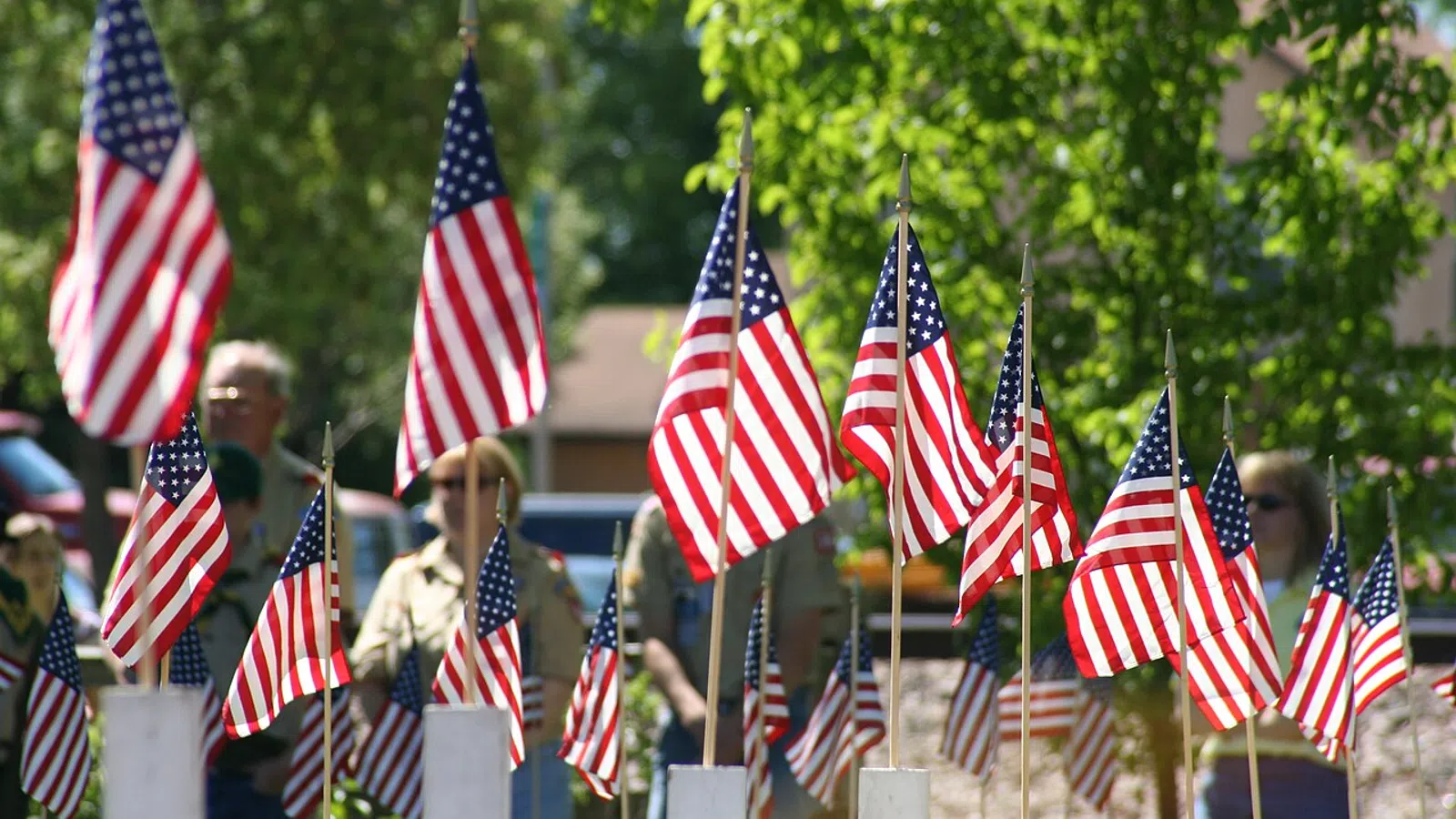
Memorial Day asks us to remember not just the names but also the pattern. Across centuries, the battlefields have changed, yet the choices at the center of these stories remained strikingly familiar. New Orleans has always been shaped by people willing to stand fast for others, whether or not medals followed. The wars move farther from home, but the legacy returns here, carried in stories, in memory, and in the names we still speak aloud.