Think Globally And Locally
As a major port city located on the southern coast of the U.S., the United States Information Agency saw value in creating an office in New Orleans and five other cities to act as International Welcome Centers when the Cold War began with a mission "to understand, inform, and influence foreign publics in promotion of the national interest and to broaden the dialogue between Americans and U.S. institutions, and their counterparts, abroad."
The USIA folded into the Department of State in 1999, and the work for the New Orleans office, renamed Global New Orleans, continued and expanded. Executive Director Laila Bondi summarized the nonprofit's work, "We are coordinating international exchange programs through the State Department. For 80 years, we've been welcoming visitors. When we say exchange programs, people think we're talking about students. We're mostly talking about professionals. Sometimes they're as young as 25, sometimes they're in their 60s. They're doing incredible things in their country."
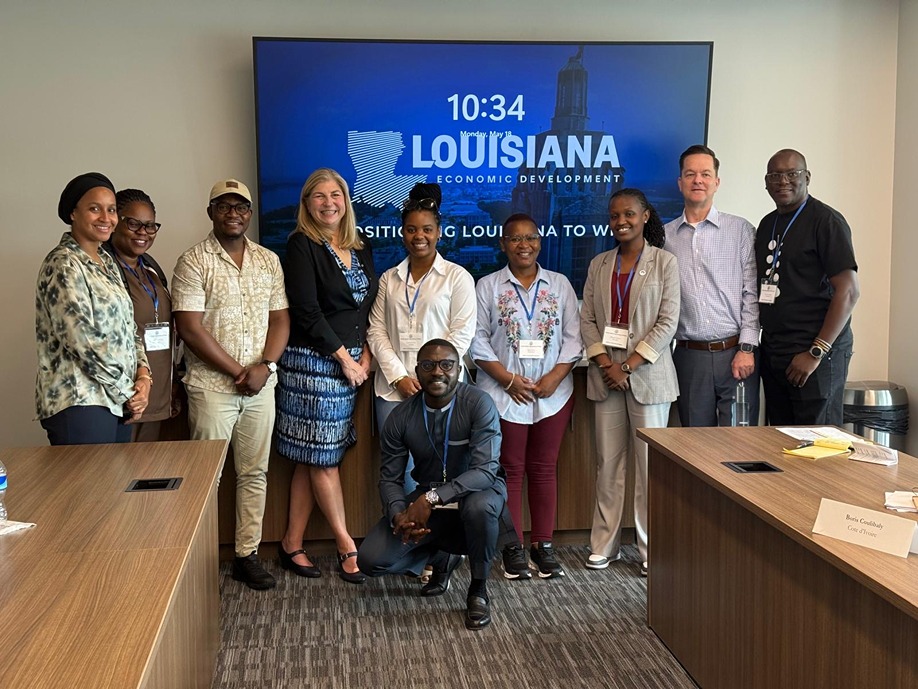
Director of Programs Chelsea Brauwn continued the thought, "The main program that we run is the International Visitor Leadership Program, which is a public diplomacy program from the Department of State where these individuals don't go through an application process. Their local US embassy recognizes that they're an emerging leader and selects them for a specific exchange project within this program. Some of the alumni that have come out of this program are current world leaders or past world leaders."
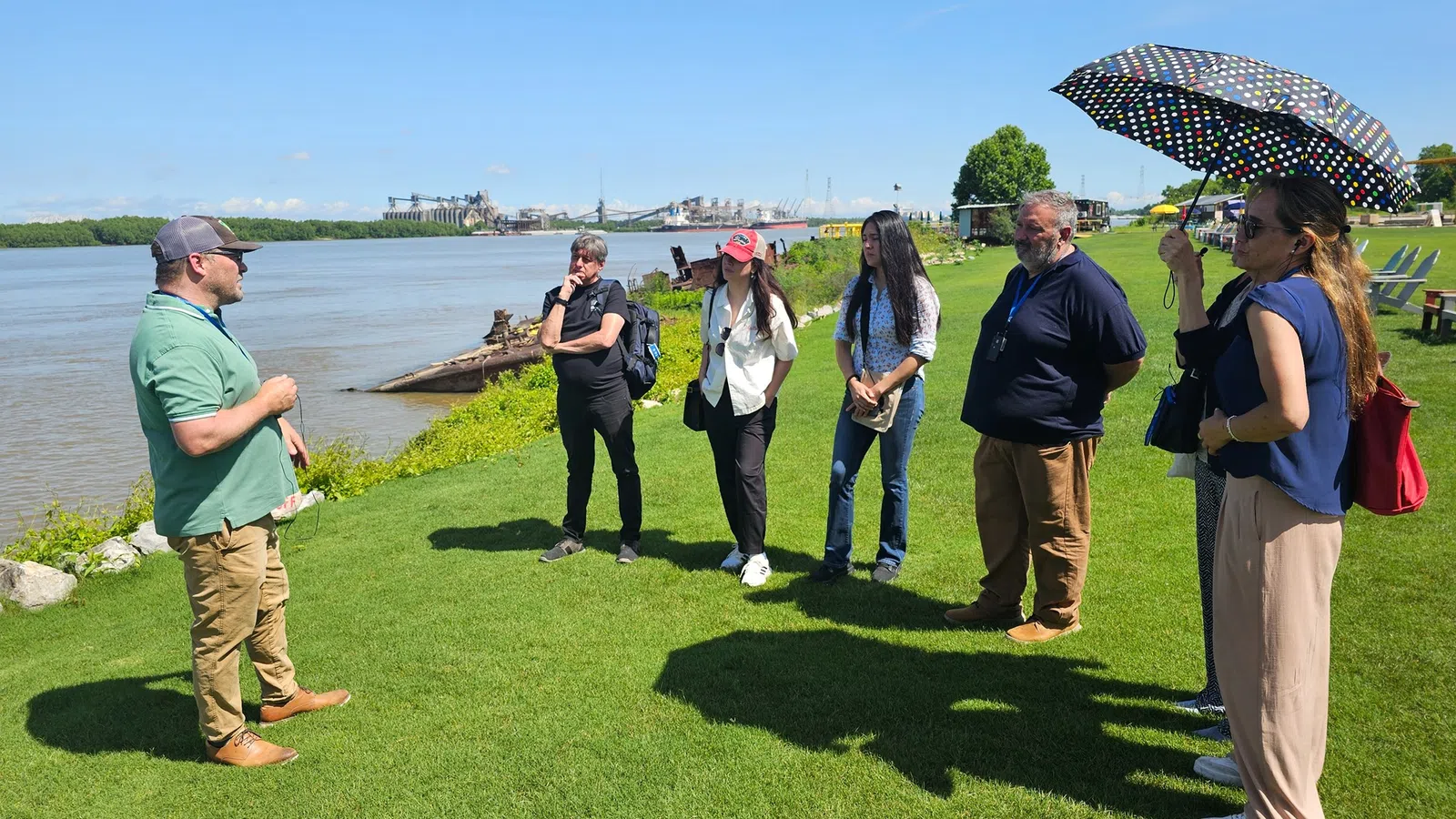
Global New Orleans' impressive International Visitor Leadership Program doesn't specifically cater to politicians. One cohort in 2026 was composed of Indonesian-based professionals for a program entitled Asserting Maritime Sovereignty. Brauwn stated, "When you think about national security, long-term national security diplomacy, the South China Sea is a hot spot internationally speaking, particularly with some of North Korea's developments," These are relationships that can help sustain national security interests."
The bonds being forged between the international visitors and Louisiana citizens they are paired with is more than just a good will mission. It is strategic. "The point of these programs is definitely professional development and networking, but it's also to understand the United States in a way that's different from seeing it in movies," Bondi explained. "This is not just an altruistic thing. It's part of the national security strategy. The government knows that paying for these programs means that we're building relationships with people who are emerging leaders in their countries. Now or 10, 15 years from now, they'll be leading their countries, writing national security strategies, and negotiating foreign trade policy."
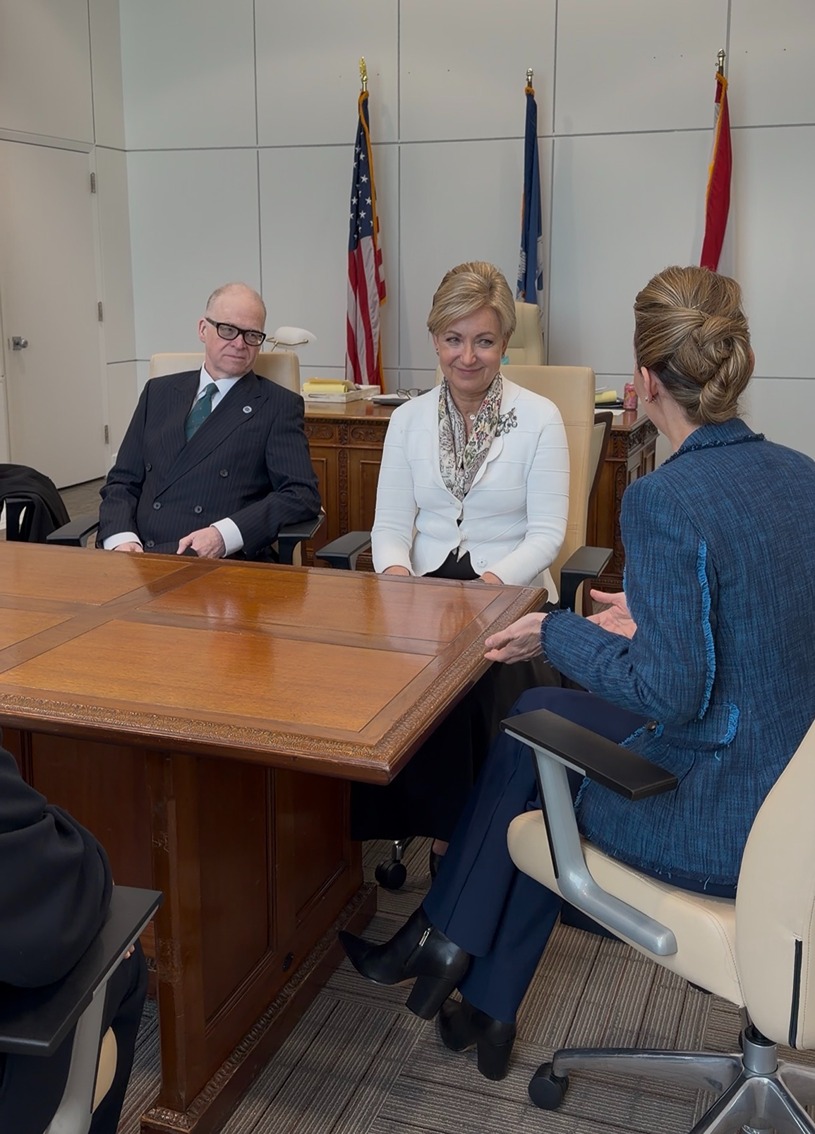
People who are chosen by U.S. embassies to spend time in New Orleans are linked with individuals and institutions that can assist and inspire them in the work they're doing in their country. The Professional Fellowship initiatives allow international guests an even deeper dive into research. Bondi explained, "In the past three years, we've really expanded our portfolio and added fellowships, which are amazing. The IVLP recipients come here for a few days. With the fellows, they come here for a month. Our job is to find someone that they can work with for the month that they're here. We just had Mario Gomez, founder of Rosalind Lab in Mexico, who started creating rapid diagnostic testing for home use for HPV to prevent cervical cancer. He was placed with Tulane's Zwezdaryk Lab to develop the next generation of translational molecular diagnostics. Camila Castro Grinstein from Argentina, founder of eTimo, makes materials out of recycled coffee grounds. She's working with GroundsKrewe to make totally biodegradable Mardi Gras beads."
Brauwn expounded on Grinstein's partnership, "GroundsKrewe is going to be exhibiting in Argentina very soon to check out her manufacturing facility so that they can potentially launch a satellite program hosted in Argentina to create these new beads and then find a way to replicate that manufacturing process here in New Orleans."
In 2025, with the hopes of involving more New Orleans citizens in their work, the organization began the Global Explorers Program for adults to travel to places where Global New Orleans has existing relationships and the Global Leadership Academy for local students to learn how to navigate international relationships and collaboration. "We fundraised just enough to make it a full-year program for our students where they learn about what diplomacy is and why it's important, international relations careers, public speaking skills, and that being a global citizen is also about being a citizen of your community," Bondi said.
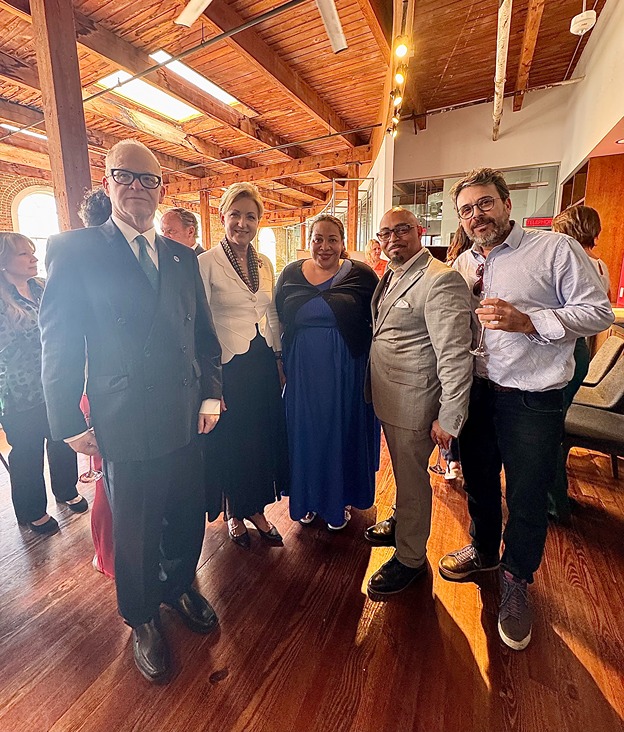
Global New Orleans promotes "essential diplomacy" through all of their programming and events. Bondi explained this concept as "the kind of diplomacy that can't happen without having a conversation with a local in the community or sharing some of their food to say that we're different, but we're all the same." Brauwn added. "This organization is so human-to-human and operated by nonprofits for a reason, so that people can have human-to-human conversations about these objectives that they're on. Because of that, they're able to meet real Americans and not just bureaucrats. If somebody does have a bit of reticence, once they arrive and meet American citizens, it's a very different impression than they get from bureaucracy. It's something that we keep at the heart of our mission: recognizing that what we're doing is affecting real people. And it's affecting real Louisianians, real New Orleanians. We keep that in mind in every step of our programming."
Everyone is invited to join Global New Orleans, their visitors, and fellows at their public events to lend some Louisiana hospitality and New Orleans flair that will travel all over the globe.