A Battle for America
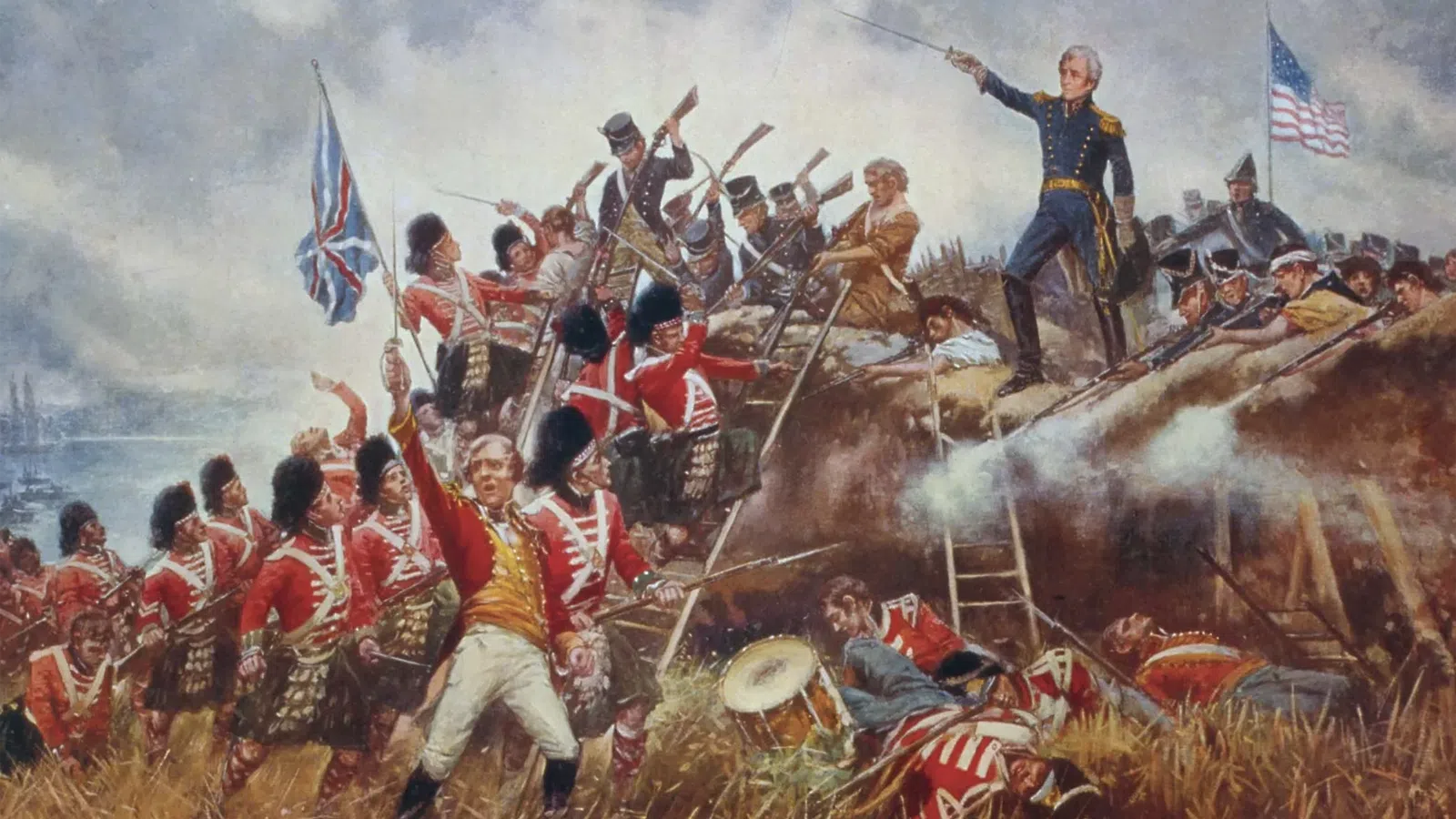
January 8, 2026, is the 211th anniversary of the Battle of New Orleans, one of the last skirmishes of the War of 1812.
War raged across the globe in the century before this event. Superpowers were set on conquering vast swaths of lands as far as their ships would take them, battling to plant flags, extract minerals and metals, and grow cash crops despite the pain caused to those who already lived there.
North American History
Parts of North America were colonized by Britain, France, and Spain beginning in the 16th century, and clashes occurred between them and Native American allies and foes. The French and Indian War in North America from 1754 to 1763 and the Seven Years War in Europe from 1756 to 1763 pitted kingdoms against each other over who had the right to "own" North American land and Caribbean islands. The 1763 Treaty of Paris decreed that victorious Britain received France's land from the Mississippi River east to the Appalachian Mountains, as well as Canadian territories and Spain's Florida territory.
The British Crown heavily taxed their own colonists to make up for the debt caused by numerous wars, which led to a push for American independence. The Revolutionary War began with the Declaration of Independence on July 4, 1776, and ended with the Treaty of Paris signed on September 3, 1783. The new sovereign nation got all British territory from the Mississippi River to the Atlantic Ocean. Further, Britain ceded Florida back to Spain.
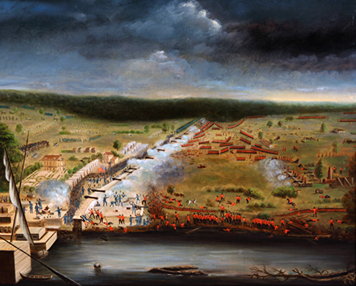
Spain was given a large territory west of the Mississippi River and the city of New Orleans by France in the Treaty of Fontainebleau in 1762, and Spain retroceded this land back to France in the Third Treaty of San Ildefonso on October 1, 1800. It was too big to defend from the growing United States. France's leader, Napoleon Bonaparte, knew the immense value of this land, including its proximity to Caribbean islands that grow profitable sugar.
The American government was concerned that the French emperor would set his sights on conquering their land as he was trying to forcefully take present-day Haiti from the rebel government created from the Haitian Revolution. President Jefferson sent James Monroe and Robert Livingston to negotiate a purchase with Napoleon, and he offered more than imagined—$15 million for 828,000 square miles of land that nearly doubled the size of the US at that time. Napoleon needed cash for war with Britain, and this large piece of land required too much work to turn a profit. The Louisiana Purchase was signed on April 30, 1803, followed by Britain declaring war on the French Empire in May.
New Orleans was finally an American city; however, there were only a few years of peace in the US before guns started firing again.
The War of 1812
The British Royal Navy blocked sea trade between the US and France due to Britain's war with Napoleon. There were also instances of ship seizure and impressment of Americans to the British Royal Navy. On June 1, 1812, President Madison asked Congress to declare war on Britain, and the War of 1812 officially began. American armed forces attempted to take Britain's colonies in Canada before the battles spread south. Britain boosted their efforts in America after Napoleon abdicated his throne on April 6, 1813.
Governor of West Florida Mateo González Manrique asked the British to protect Pensacola from General Jackson, but Jackson was victorious in occupying the city. The fight then moved towards Mobile and New Orleans.
British ships arrived in the Gulf of Mexico in December, and British troops took over Lacoste Plantation on December 23, 1814. The occupant, Major Gabriel Villeré, fled to warn General Jackson, who had created an army of militia, Native Americans, slaves, free men of color, and pirates. The Treaty of Ghent was signed on December 24 to end this war and ratified by Britain on December 27. It took seven weeks to travel to America for ratification, and thousands of British troops traveled up the Mississippi River heading for the city.
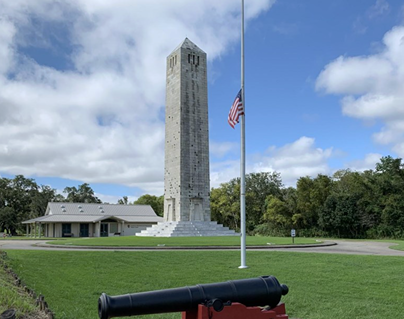
The Americans made their stand at a strategic spot just a few miles south of New Orleans, an area bound by the river to the south and swamps to the north that would funnel the enemy forces into a tight area. The Rodriguez Canal was cut between the water bodies, and the Americans built an earthen wall along its upriver side. The British prepared to cross the canal with fascines and scale the wall with ladders, but the mismanagement of these items may have been Britain's downfall.
The British signaled the start of the January 8, 1815, battle with a rocket fire at 6:20 a.m. A team of about 500 British troops took over a battery of cover-fire cannons on the Westbank hours later than expected. The cannons were not able to be turned on the American line in time.
Under cover of fog, the first line of British troops advanced towards the redoubt to retrieve the supplies to cross the canal, but it was empty. The ladders and fascines were in another redoubt 500 yards behind them. General Mullins and his 300 men backtracked to the correct redoubt while other troops advanced through them, causing disorder. Additionally, the fog lifted. The red coats were highly visible to the Americans, who began to fire with cannons, rifles, and muskets. Within minutes, British troops were killed or wounded, including most of the senior officers.
The British withdrew entirely a few days later, and the Treaty of Ghent was ratified by America on February 17, officially ending the war. General Andrew Jackson's victory propelled him to the highest office in the land, and the 8th of January was a federal holiday from 1828 to 1861. Chalmette Battlefield is open to visitors year round to vividly explain the tale of the Battle of New Orleans.