St. Patrick's Day in New Orleans
St. Patrick is the patron saint and national apostle of Ireland, and his day of celebration is on March 17.
He was born in the late 4th century in Great Britain. He was kidnapped by Irish raiders, which led him to live in Ireland. During his captivity, he became a Christian. St. Patrick claimed that God told him to flee Ireland and return to Britain. He then became a priest in Britain. After becoming a bishop, he returned to Ireland as a missionary. St. Patrick's then converted Ireland from paganism to Christianity.
Legends of the Saint
There are a lot of legends surrounding St. Patrick. One of the most famous legends of the saint tells the story of him driving all the snakes out of Ireland. Many scholars believe that the snakes, rather than being literal, represent the evil of paganism and how he ushered in an era of new hope for Ireland when he converted the country to Christianity.
How The Shamrock Came to Be
Legend also says that St. Patrick used the iconic shamrock to explain Christian values. The shamrock represented the Holy Trinity, the Father, Son, and Holy Ghost, with the Holy Spirit being the plant where all three come together. This imagery is used in modern-day St. Patrick's day celebrations in a secular manner but has very interesting spiritual origins!
The Holidays Origins
Saint Patrick's day is celebrated by the Irish on March 17 to honor the day of St. Patrick's death. In Christianity, the day to honor a saint is the anniversary of their death, which is seen as their heavenly birthday. When Irish immigrants came to the United States, they were faced with famine in their home country and prejudice, as well as other hardships, in America. This holiday was a way for Irish Americans to show their cultural pride and resilience. They did this mainly through parades, which evolved into the more secular and festive holiday we know now.
The History Of St. Patrick's Church
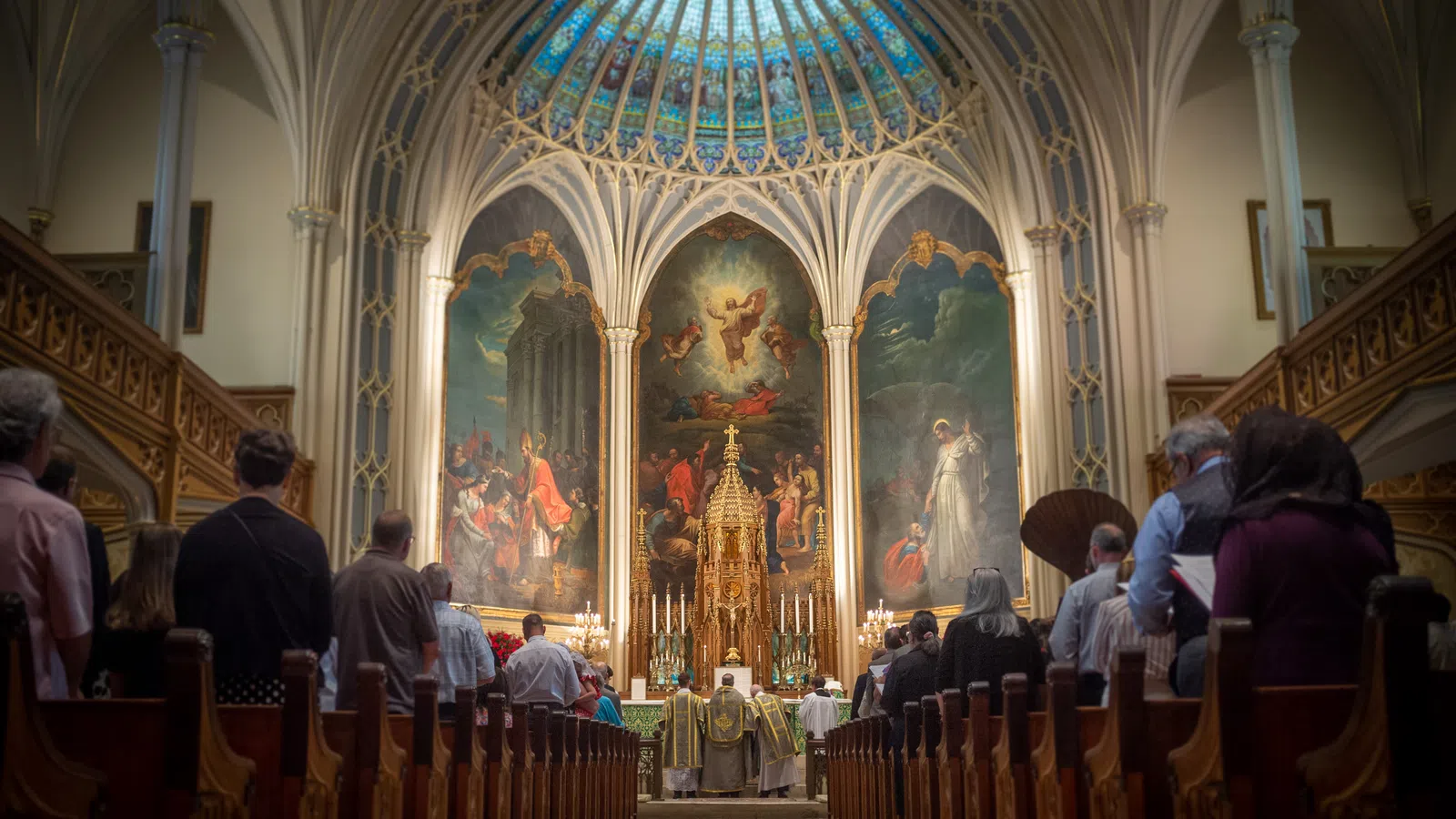
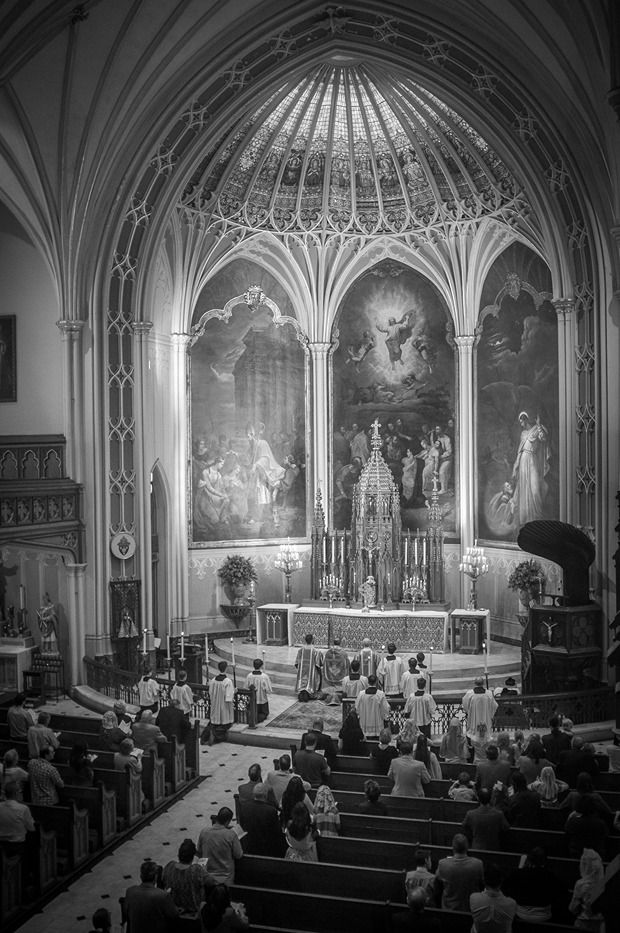
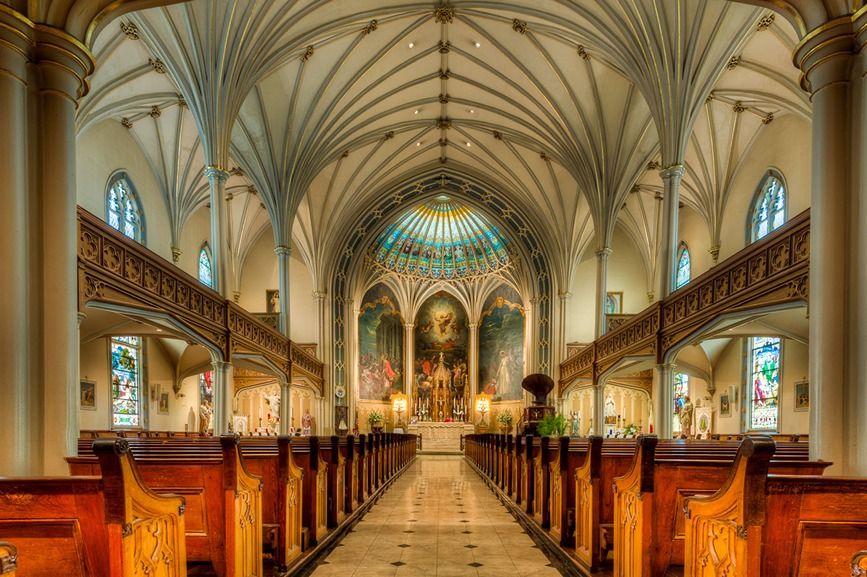
The St. Patrick's Church was founded in 1833 to serve the growing population of Irish immigrants in New Orleans. In the coming years, New Orleans had an influx of Irish immigrants due to the Great Irish Famine. "For too long, they thought, good Catholic Irish immigrants squirmed in the rear pews of the Cathedral on Jackson Square where God appeared to speak only in French," said New Orleans First Archbishop Antoine Blanc. St. Patrick's was founded because the Irish had no place to worship as the French did. This was their version of the St. Louis Cathedral.

The Irish American Dream
Many Irish Americans, in New Orleans and other cities, often worked dangerous jobs at the docks and railroads. The St. Patrick's Church offered support such as helping people find jobs and housing, mutual aid, and supporting widows and orphans. In a time of great hardship, the Church was there for people to count on. The Church also provided spiritual support to the Irish American community in New Orleans. It held weekly Mass and Sacraments. In a time when anti-Irish and anti- Catholic sentiment was high, this was an important place of refuge for the community.