A NOLA New Year
Every year, after the last firecracker fades and the champagne flutes are washed, New Orleans begins the business of ushering in the new year in its own way.
Here, the first days of January blend food, faith, and fellowship in ways that feel both ancient and alive. From simmering pots of black-eyed peas and cabbage to quiet house cleansings and torchlit parades, these rituals reveal the Crescent City's gift for turning tradition into art.
Food for Luck: Peas, Greens, and Gold on the Table
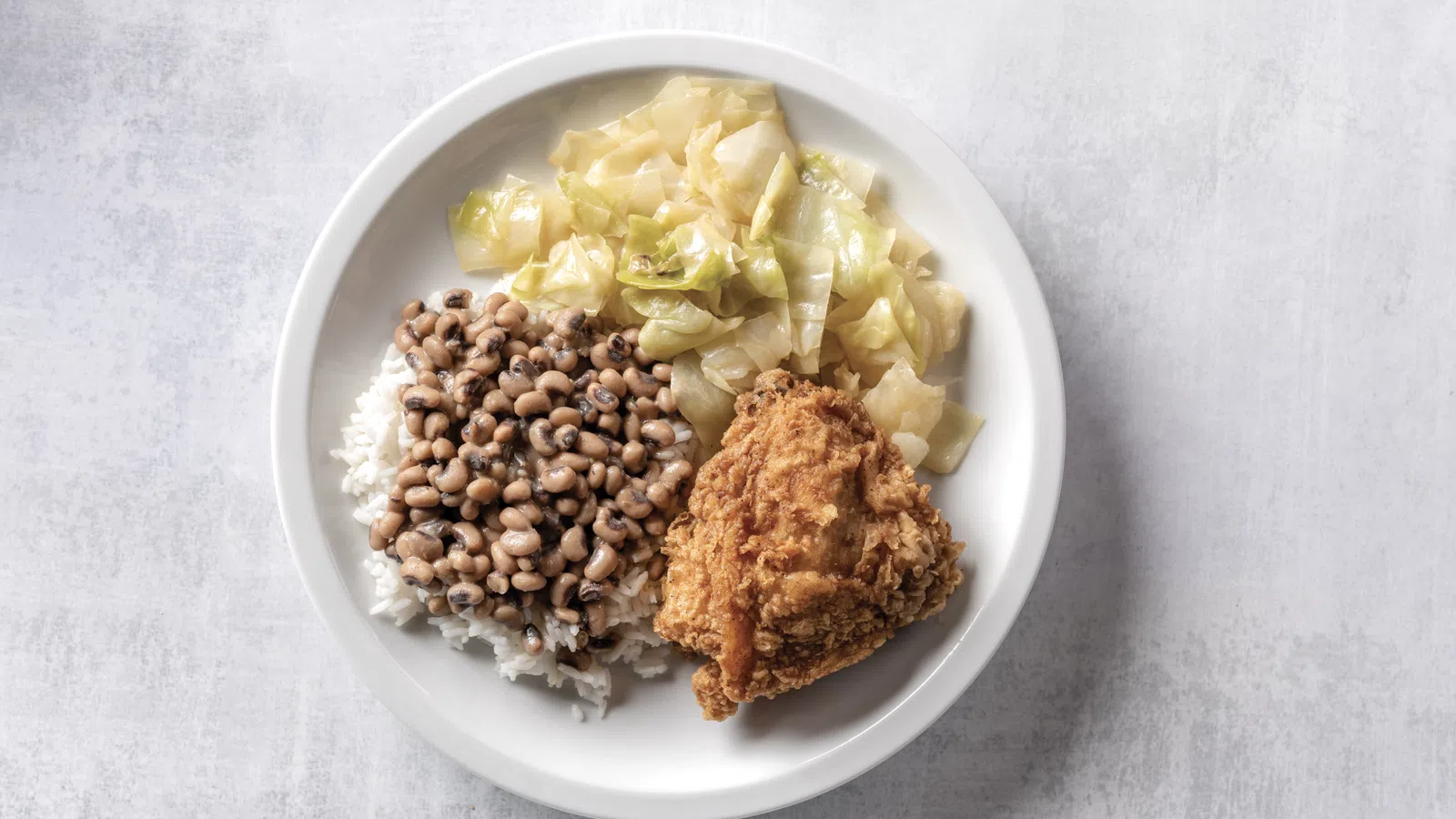
The New Year's plate in New Orleans—black-eyed peas, greens, pork, and cornbread—isn't just comfort food. It's a record of how cultures met in this port city and made luck a local flavor.
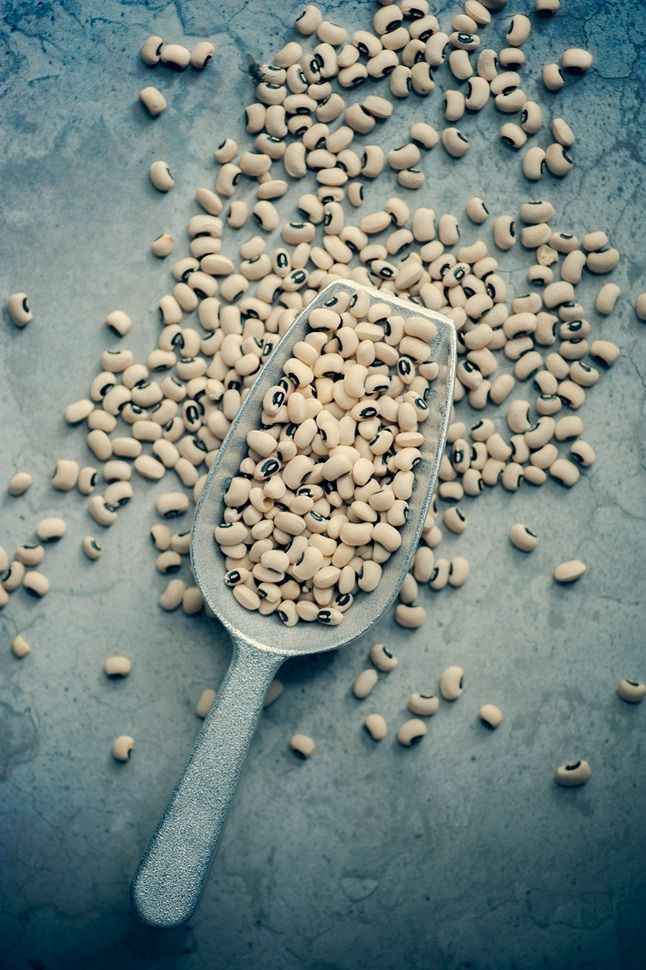
In the Lowcountry, Hoppin' John is a meal of thrift and comfort, a simple dish of peas, rice, and salt pork. In New Orleans, cooks season it like the city itself—bold and layered. The holy trinity of onion, bell pepper, and celery joins the pot; smoked tasso or ham hock deepens the broth; and thyme, bay leaf, and cayenne offer bite and perfume.
Each element carries meaning: peas swell like coins; greens—cabbage, collards, mustard—stand for folded bills; pork, tied to old European beliefs about the pig's forward rooting, marks progress; and cornbread, golden and crisp, rounds out the wish for wealth. In some homes, a coin hides in the pot for luck, or a small serving is left out for ancestors.
If you'd rather not cook for a crowd, Cochon Butcher has a history of keeping tradition alive with a New Year's Day package of bacon-braised cabbage, smothered pork, and black-eyed peas. Rouses Markets' hot bars often serve peas and greens on January 1. However, it is easy to make your own: simmer peas with onion, garlic, and smoked meat until tender; wilt greens with vinegar and fat; and bake a skillet of cornbread until the edges crisp and the top glows gold—a plate that tastes like hope, seasoned the New Orleans way.
NOLA Rituals for Renewal
Once the dishes are cleared and leftovers tucked away, New Orleanians turn their attention to another kind of renewal—of the house, the heart, the spirit. Here, cleaning is never just cleaning. It's prayer in motion. These practices arise from the same blend that flavors local cooking: Catholic devotion, West African spirituality, and Caribbean folk traditions.
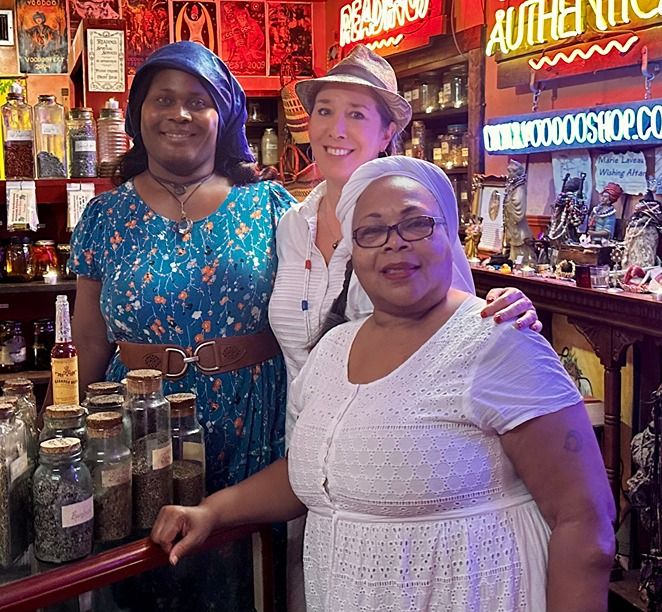
In Voodoo and other African-diasporic traditions, cleansing, netwayaj, is both physical and spiritual, meant to clear old energy and make space for blessings. In Catholic homes, that instinct might appear as holy water by the door or the quiet chalking of initials and year above the threshold, a custom still encouraged at St. George's Episcopal Church. Some households braid the two—sweep from back to front to send out the old year, then sprinkle salt water or Florida Water in the corners to invite peace. A splash of rum, a drop of oil, or a spoken intention at the doorway seals the gesture.
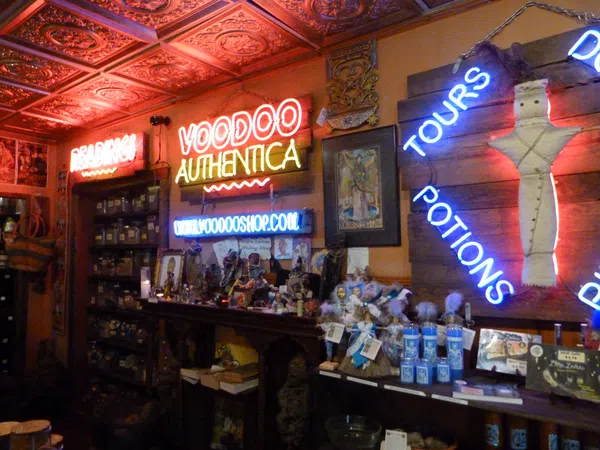
Botanicas and spiritual supply shops keep these rituals alive. Island of Salvation Botanica in the Marigny stocks sage, incense, oils, herbs, crystals, and spiritual waters. Voodoo Authentica in the French Quarter carries candles, floor washes, soaps, and ritual kits. Each December, their shelves fill with small tools for big intentions—a white candle here, a vial of oil there, chosen to clear the slate for the coming year.
The city's wellness community also offers collective ways to reset. For 2025, Orleans Yoga hosted a New Year's Day Practice of breathwork and movement, Wild Lotus Yoga held "A Year of Intention," and Earth Tones NOLA partnered with Swan River Yoga for a Healing Sound Bath. Similar gatherings are expected in 2026—some rooftop, some candlelit—all designed to begin the year with mindfulness and shared renewal. However different their forms, these circles echo the same purpose as the home rituals: pause, clear, and begin again—together.
Carry the Light Forward: From Home to the Streets
Once the candles are snuffed and the sage smoke fades, the city reawakens in chorus—faith and festivity, tightly braided. Renewal here is not quiet for long.
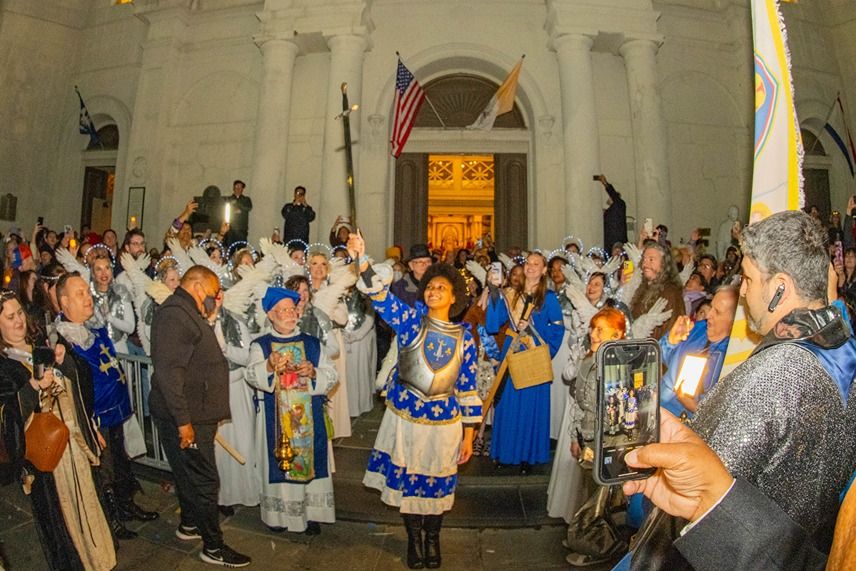
The first collective ritual of the year arrives on January 6, when the holiday season bows out and Carnival steps in. At sunset, the Krewe de Jeanne d'Arc winds through the French Quarter, torches and banners glowing against the early dark. Marchers dressed as saints, angels, and medieval courtiers follow the gilded statue of Joan of Arc—the city's emblem of courage and rebirth. The procession blesses the city's people as much as it entertains them, setting the tone for the season ahead: bright, resolute, and alive.
That same day, bakeries citywide unveil their first king cakes, the jeweled rings of dough and sugar that mark Carnival's start. At Dong Phuong in New Orleans East, lines form before dawn; Haydel's and Randazzo's box their first batches; neighborhood cafés display smaller versions dusted with purple, green, and gold. Sharing that first slice, sometimes at an office table, sometimes on a stoop, is an act of communion as old as the city itself. The baby tucked inside isn't superstition so much as an invitation. Whoever finds it carries the joy forward, expected to host the next gathering or buy the next cake.
Across homes and streets alike, light spills outward—from kitchen candles to parade torches. The year turns not by clock but by rhythm, beginning again in a city that refuses to separate the sacred from the celebratory. In New Orleans, renewal doesn't whisper—it sings.