The Table was Always Queer
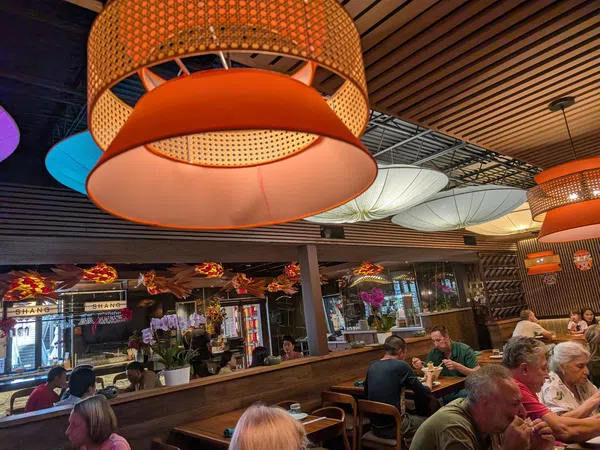
Stepping toward the bricked walking area that leads you to the large double doors of this beautiful place known as the Country Club, you hear the laughter and the pool splashes as you talk to the person at the door.
Once you're seated, the drag queen and her lovely friends are there for the Country Club's famous drag brunch and celebrating a fellow drag queen friend's birthday, working the room mic in one hand, asking for names, and asking how everyone is doing like she knows everybody in the room.
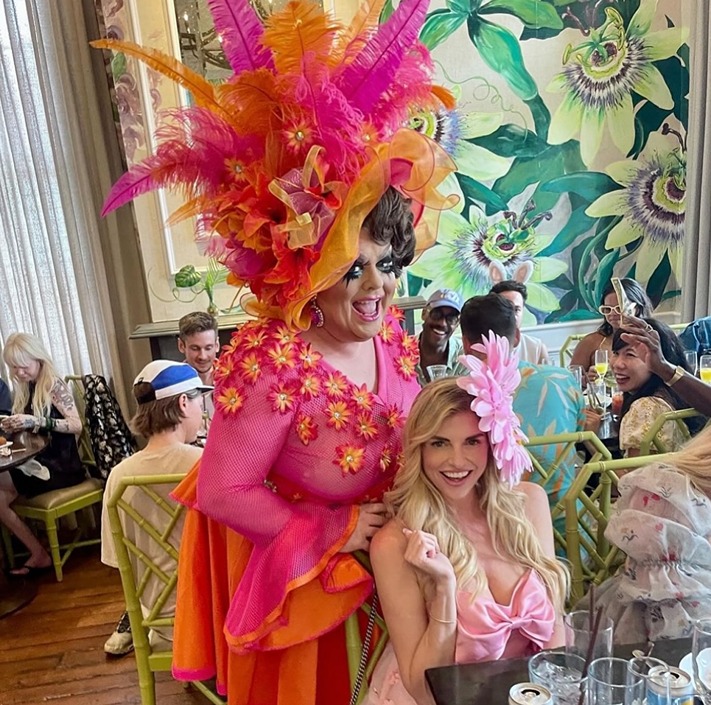
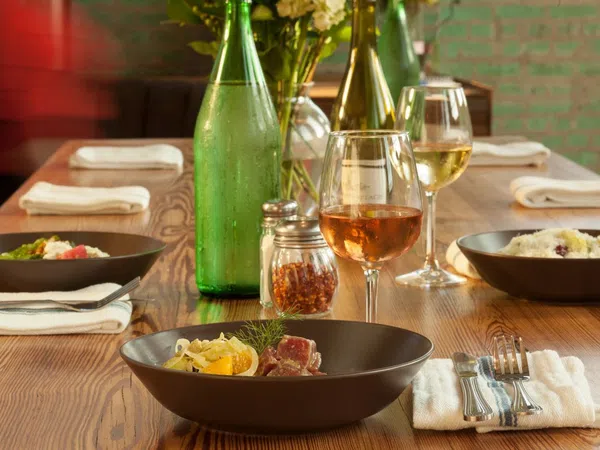
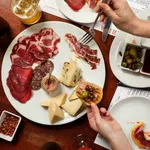
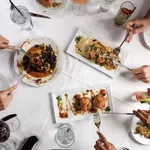
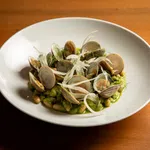
The table hasn't ordered entrees yet, just appetizers to buy you time, which is a sea of small plates that smell divine. You grab a French 75, having gin instead of cognac. Down the table, you watch as fresh cocktails make their way to the table, and someone even ordered a spicy margarita. You eat slowly, plates emptying one by one as brunch goes on in the background. By the time the checks are split, the pool is calling you in for a dip.
Outside, the pool's already got the crowd, half strangers, half faces you recognize from the bar side and friends doing their thing. You grab a lounge chair with your book in hand to catch some sun with your cocktail next to you, since you are in no rush to get into the pool. When you finally decide to get in, you feel the water's warm enough. It barely surprises you as an impulsive decision, which is the kind of ease and space needed in the Big Easy.
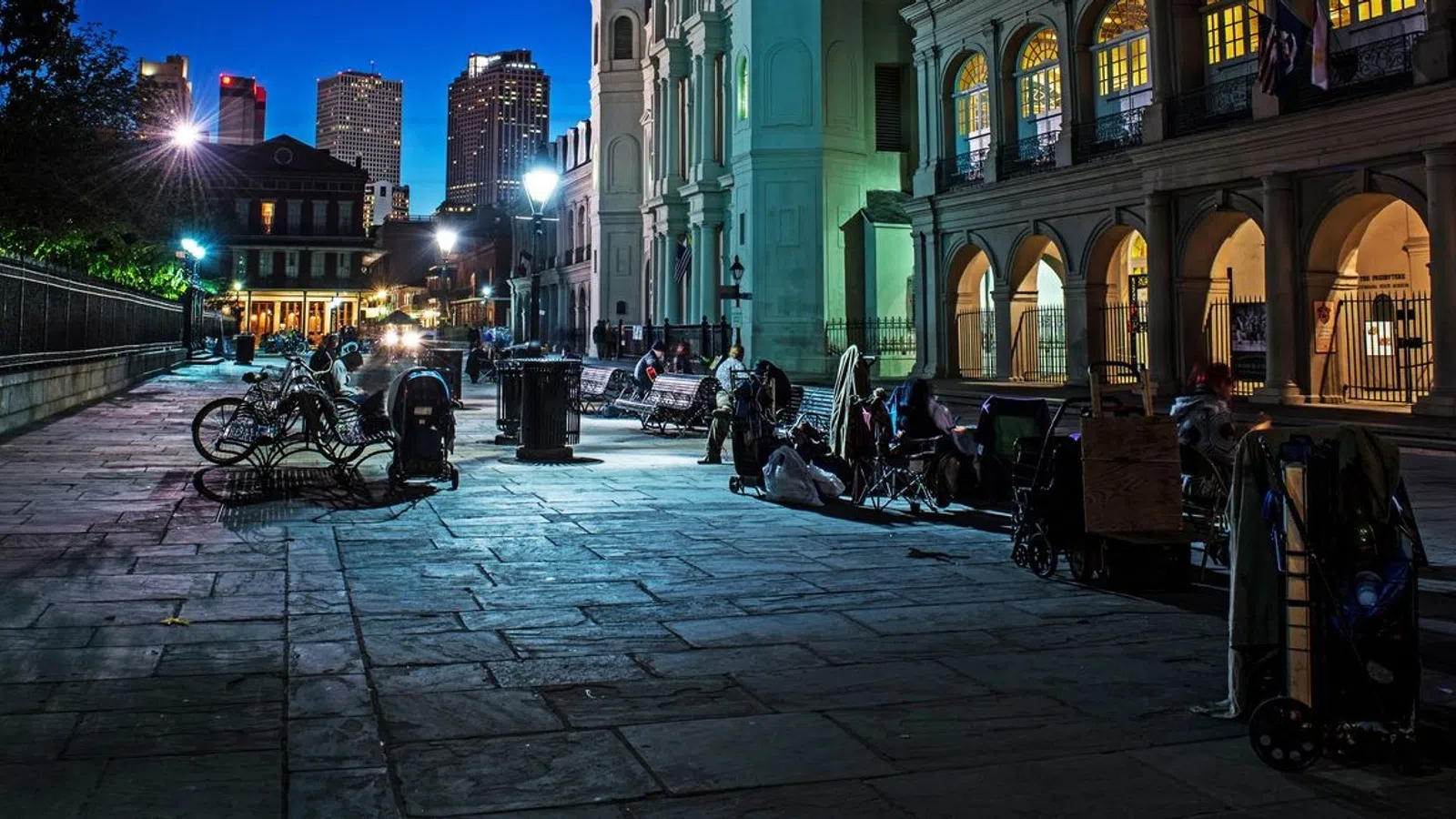
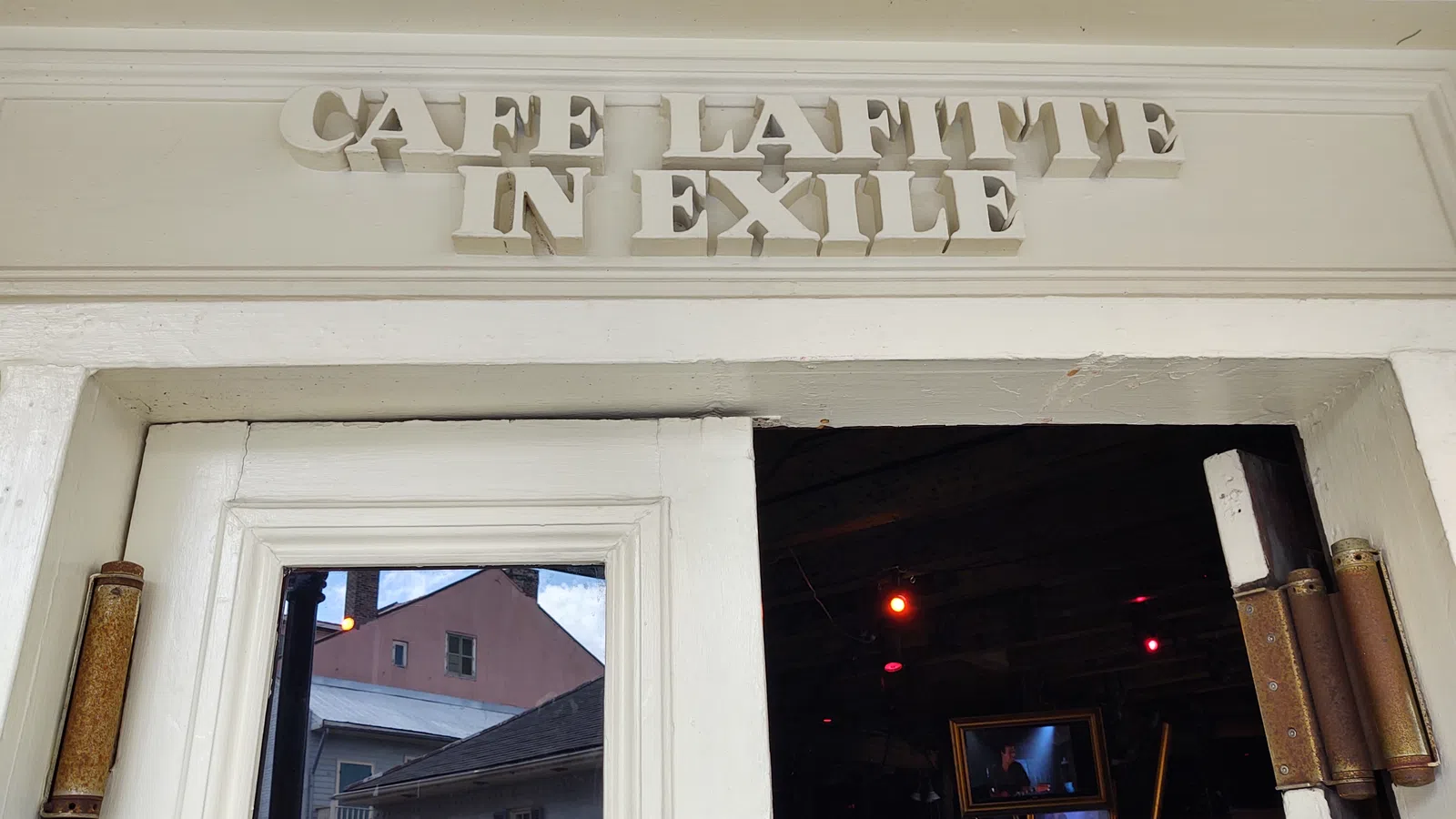
That kind of ease didn't arrive by accident. It's created—inherited. That kind of inheritance runs through Bourbon Street, though it doesn't look like the Bourbon Street we know today. Things have totally expanded since 1933 with a bar that would become Cafe Lafitte in Exile. Its name stems from a permanent scarring memory of the harassment that pushed the original bar down the block to the corner of Bourbon and Dumaine. It's still LGBTQ+ friendly. It's still there, decades after most of what has surrounded it had been replaced so many times.
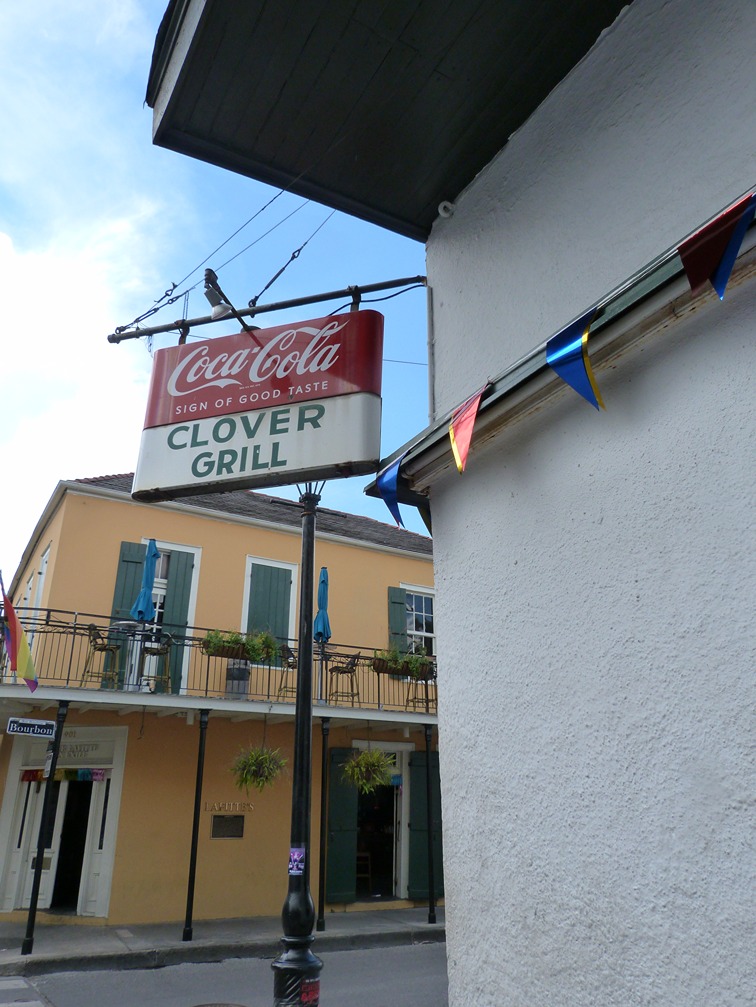
Across the street, the Clover Grill has kept its show on the road since 1939, a 24-hour diner that became the thing you hide into between bar trips. Then, in 1949, a stranger tradition took hold a few blocks over, which happened to be a group gathering for the gays at Brennan's on Monday for Mardi Gras lunch. A local named Bob Demmons was crowning one of his guests " Queen of the Luncheon" with a tiara he'd produced from seemingly nowhere. The luncheon outgrew the famously known restaurant decades ago and has been held at Arnaud's ever since but still going strong as one of New Orleans' oldest LGBTQ+ traditions.
That, however, did not come without a price. A club for female impersonators called the Powder Puff was opened in 1933 in a back room of Decatur Street, was raided three years later, and relocated to West End, intending to be raided by the police from Orleans Parish and then walking to the other side of the street into Jefferson Parish. It was renamed Club My-O-My and operated under one form or another until it burned down in 1972.
Women's bars had their fair share of problems, as well, but it was not because there were fewer of them but because they were observed more and remembered less. There were at least a dozen lesbian bars active in New Orleans in the 1970s and 1980s. Among them was Alice Brady's Masquerade, founded in 1952 and the house rules of which included no touching and dancing due to raids being inevitable. One bar was raided 78 times during one year. No lesbian bars survive in physical reality today. The only existing one is GrrlSpot, which is just an occasional party held in borrowed rooms.
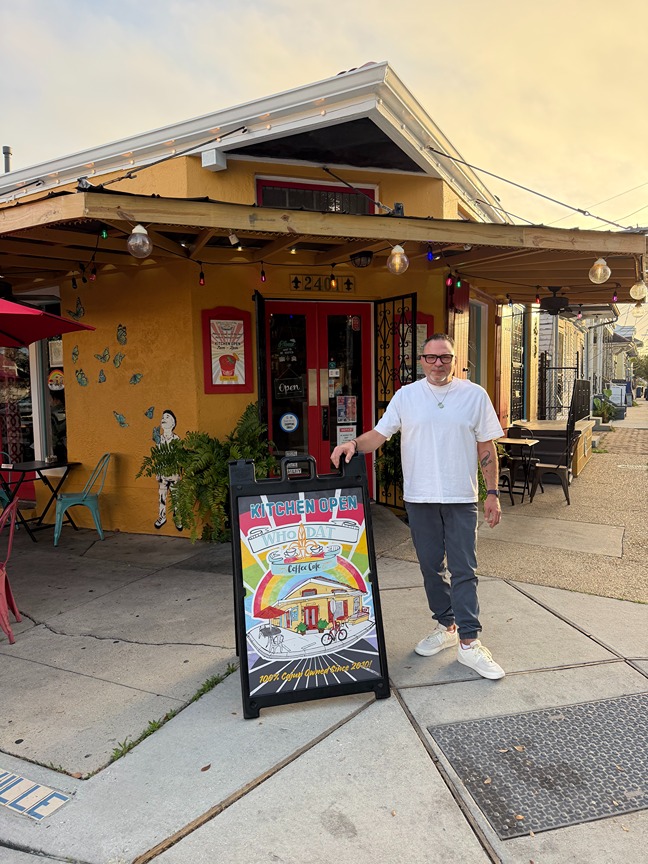
Now, it's easiest to see the continuity in the Bywater, along with the Country Club and its pool. Who Dat Coffee Café, a short walk away, operates on the same unhurried queer logic of community first, regulars second, tourists third. Neither restaurant is trying to be like Bourbon Street. They are doing what the Fat Monday crowd did in 1949, and what the girls at Masquerade did in 1952, only with better lighting and a longer lease.
What connects a 1949 lunch at Brennan's to a 2026 drag brunch at the Country Club isn't nostalgia. Such is the special math of making a living in a town like this. New Orleans is Catholic at its core and built on ritual, feast days, and penance, as well as on the idea that community is something you do together, out loud, and with your body at a table. It is also a Creole city, a place where centuries of people have created culture out of scarcity and prohibition, making what they were not meant to have into something unmistakably their own.
Here, queerness didn't have to create its own grammar. It was the city's, that same instinct to gather, to feed one another, to make a feast out of whatever the world left on the table, and it turned it toward chosen family—not blood.
We take the journey back to the Country Club, where the evening is over, the pool empties, and the courtyard goes quiet until the next seating. From the street, it looks like just a nice place to eat. It always has. That was the whole point from the start. It is a welcoming place to just have joy and be yourself.