The Sippin' Cajun
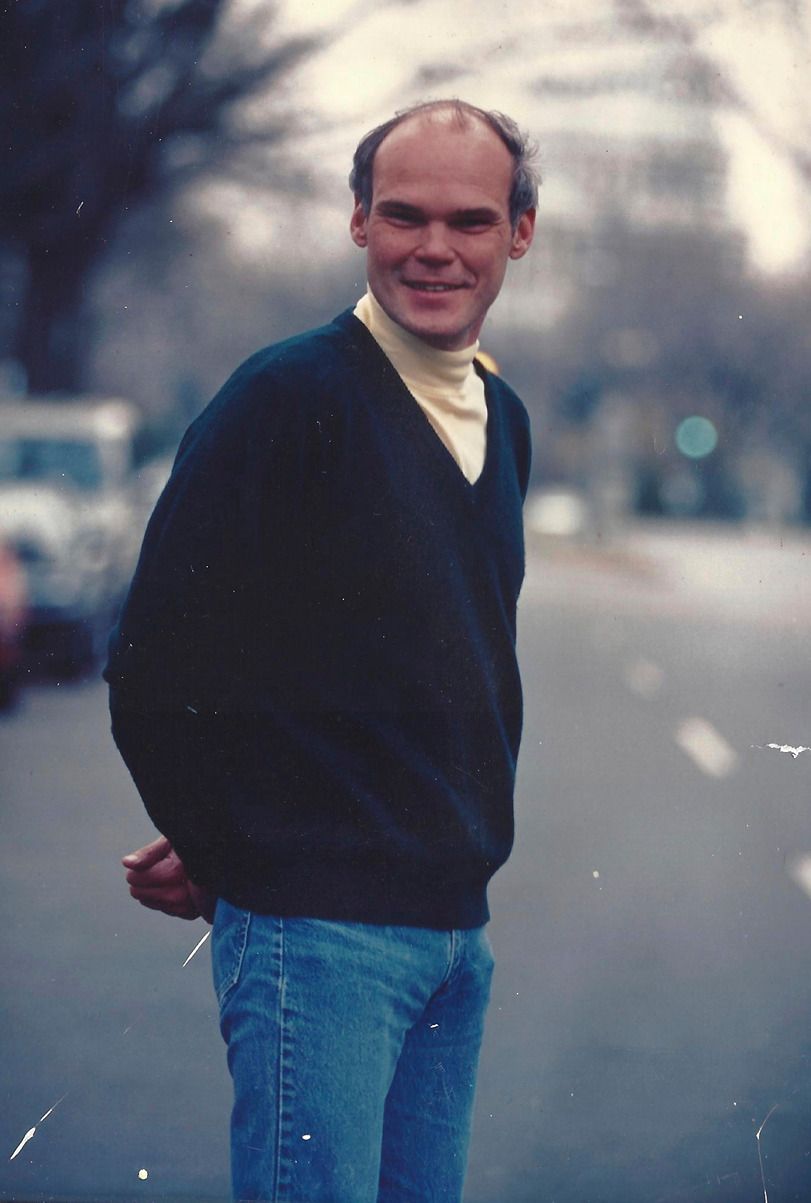
"The nobility of politics has taken a hit," James Carville stated in between predictions about how upcoming presidential, state, and local elections will shake out.
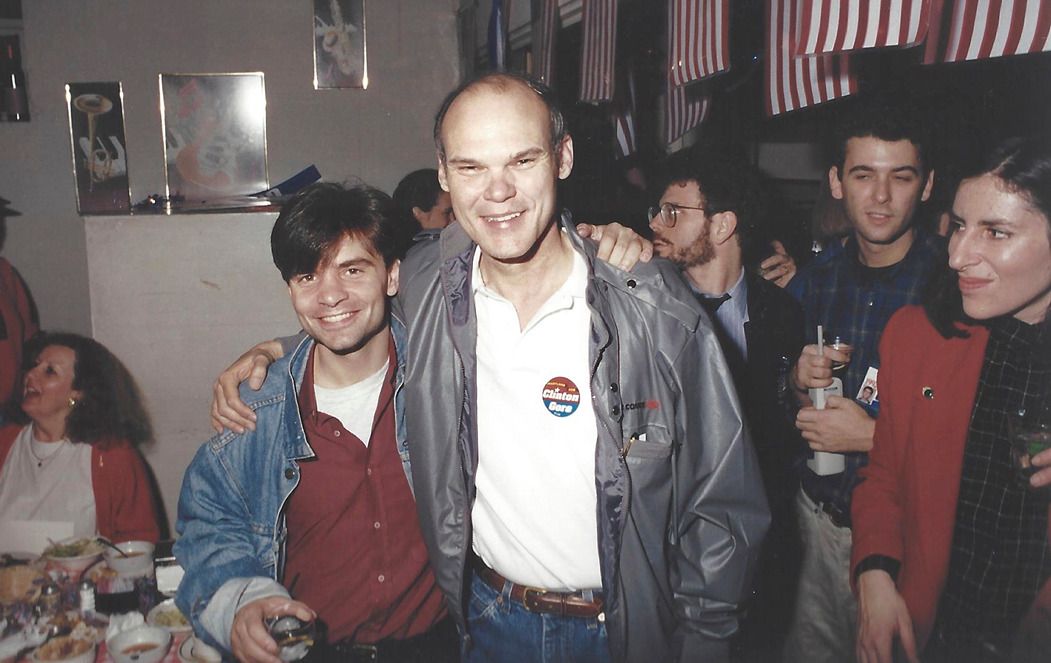
Political pundit, author, and podcast host James Carville believes that a cult of personality has overshadowed the political realm, creating an atmosphere of negativity. "It strikes me as it's slowly gotten worse."
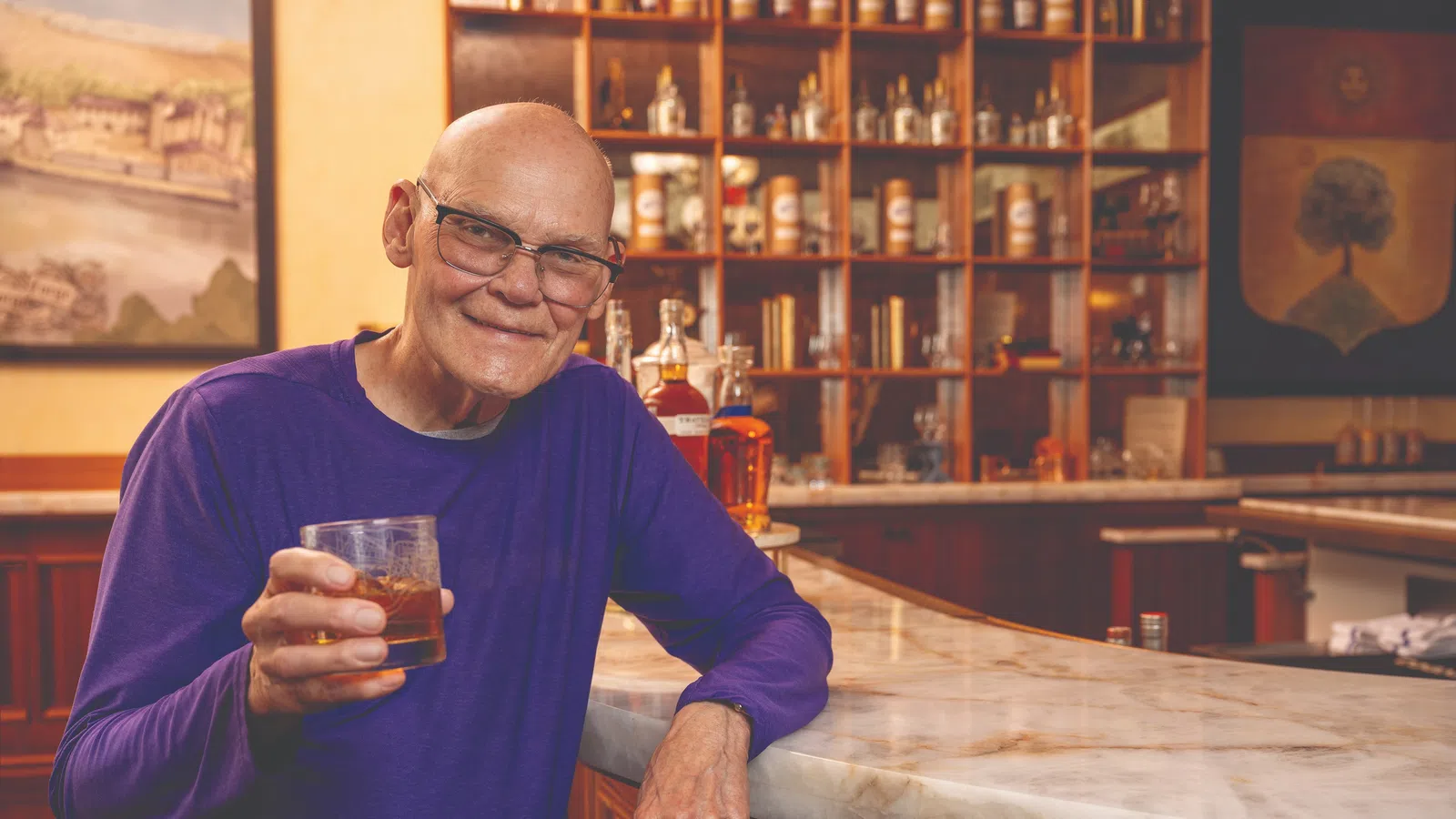
His storied career as a political consultant for Democratic candidates was retold over a glass of bourbon on the rocks, his favorite drink. In fact, it was on the campaign trail to help elect businessman Wallace Wilkinson as governor of Kentucky where Carville, acting as campaign manager, first discovered good bourbon. He said, "I did a race in Kentucky in 1987. The guy who picked me up from the airport said, 'You've got to understand something about Kentucky. It's about horse racing, bourbon, and tobacco.'" Wilkinson won the seat.
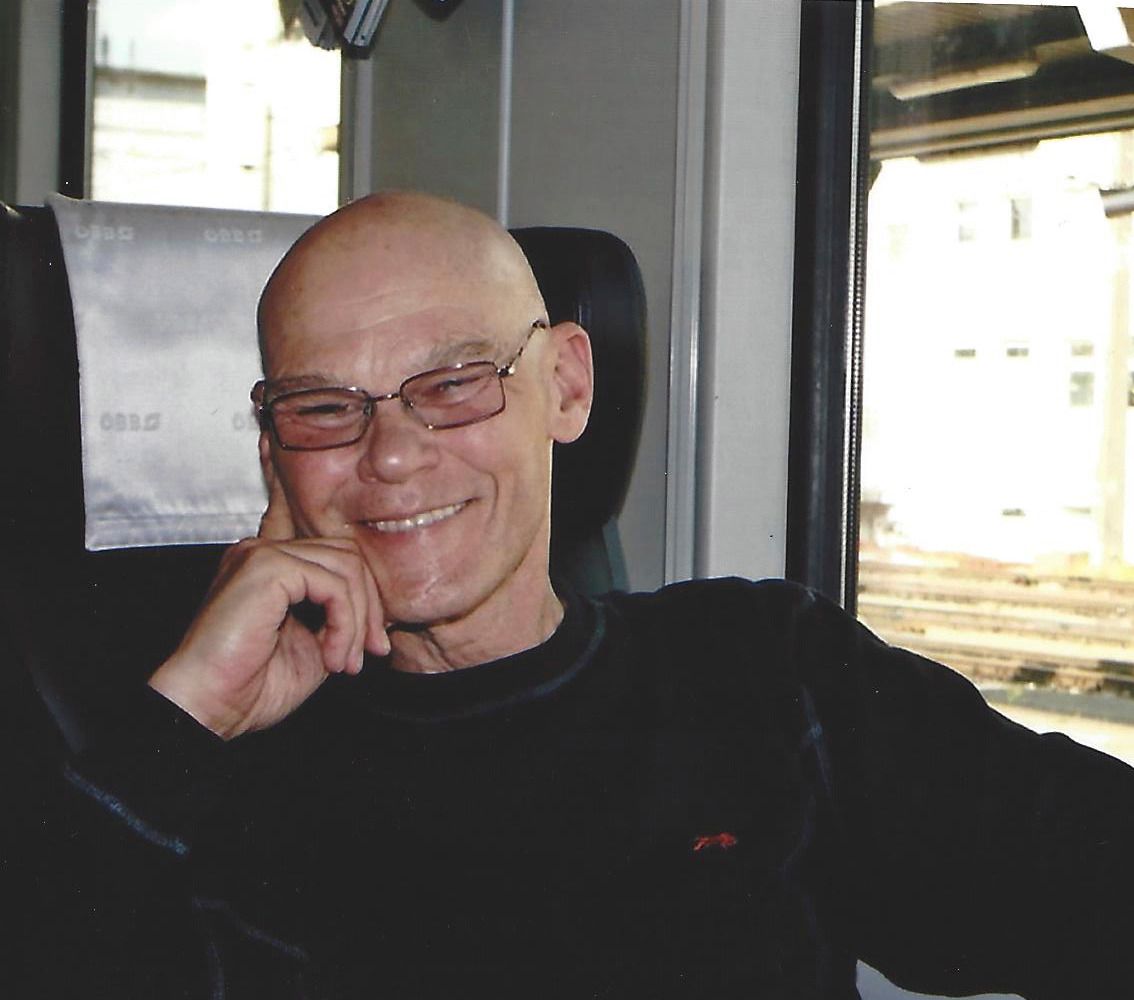
Carville's life and career is such a good story that City of a Million Dreams filmmaker Jason Berry has signed a deal with BenBella Books to write an authorized biography of him entitled James Carville has Something to Say.
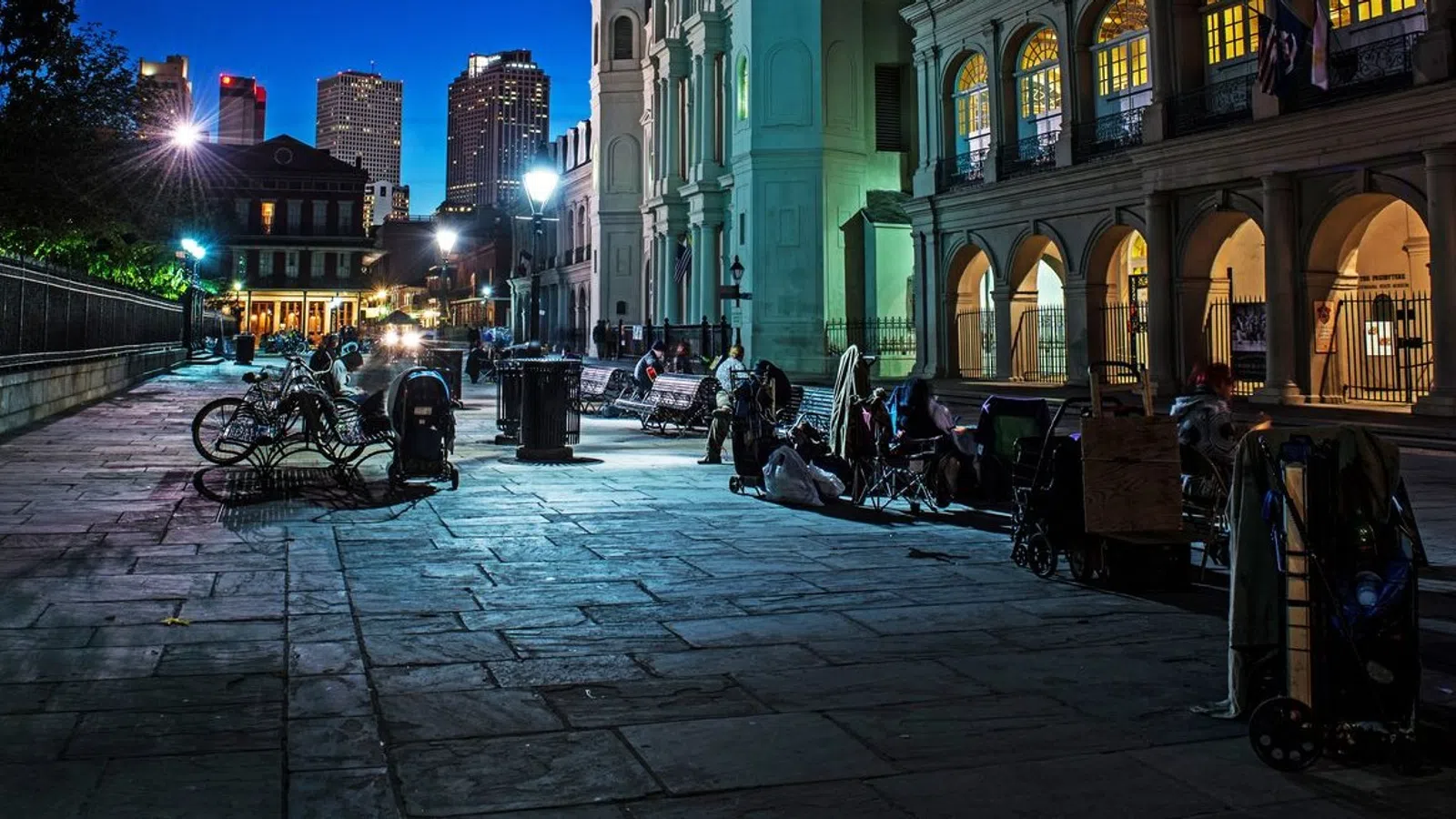
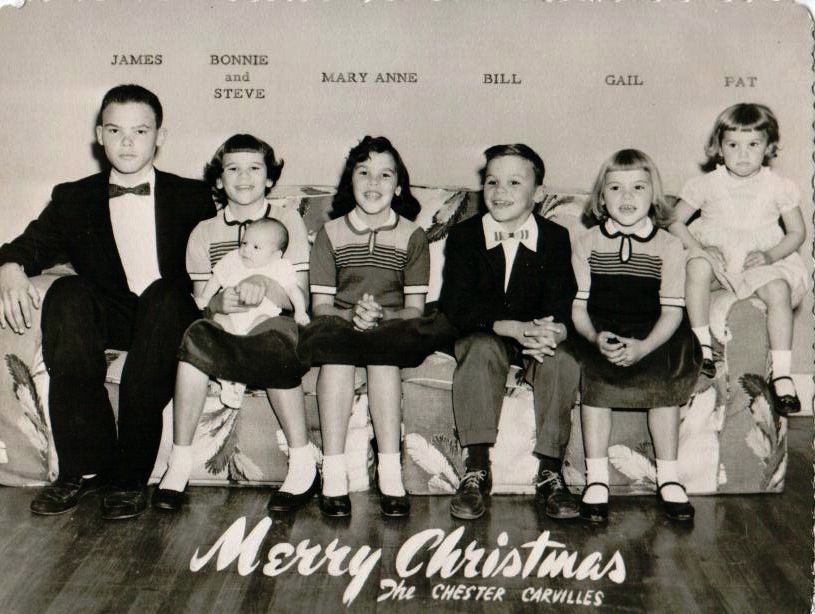
Before politics entered the picture, Carville was an LSU student who dropped out before returning years later to achieve two degrees. He enjoyed some of the bars near campus for an occasional beer, but it was trips to New Orleans that instilled a lifelong love of the city. "The French Quarter was the greatest place ever to go. I would go to the bars around LSU and stuff, but we would come down here a lot. When I grew up, it was the late 1950s and early 1960s," he reminisced. "We had the best music in the world. We used to go see Irma Thomas all the time, the Nevilles all the time. Deacon John is a real scholar of music and a great guy. That was the real golden era of Louisiana music. New Orleans Black musicians—they had to earn a living playing at weddings, proms, and white-only nightclubs. Then they would go after to the Dew Drop Inn, and they would jam there."

Carville's experiences with segregation in the big city and the small town where he spent his childhood were somewhat different. The neighborhood of Carville, a part of the city of St. Gabriel south of Baton Rouge, not only had a large population of people of color, it was also the leading treatment center and residence of people suffering from Hansen's disease, known then as leprosy. "The place I grew up, when I was five-, six-, seven-years old, there was a place called The Ballerina. They would show movies. The whites had to sit in the balcony because there were so few of us. I didn't really know what marginalized people were."
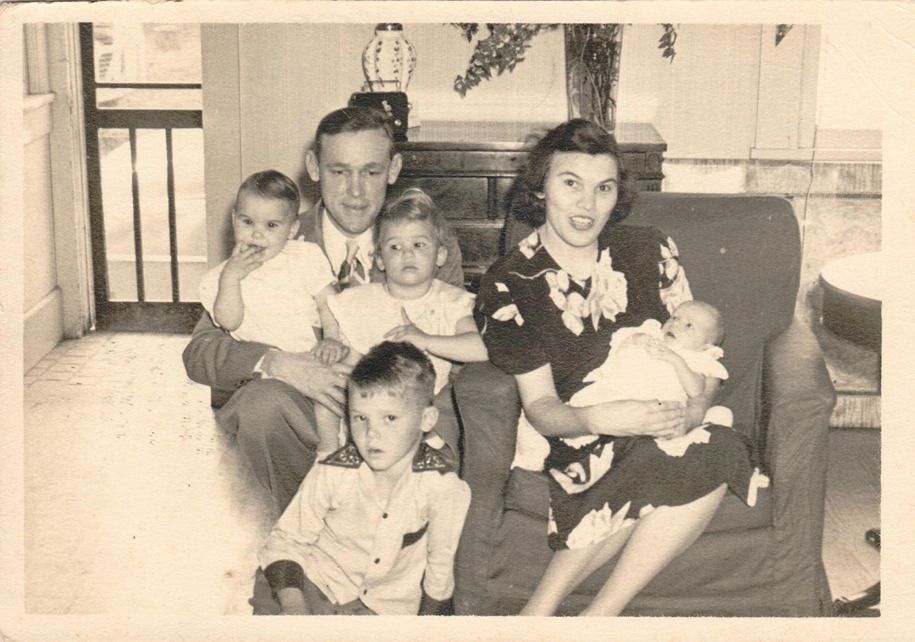
In the 1890s, New Orleans citizens demanded that people with Hansen's disease be isolated, a commonhood for leprosy-sufferers for millennia. Act 85 LA State Legislature in 1892 made this official. The first Hansen's disease patients from New Orleans arrived by river barge to an old plantation home leased by the state in 1894. Carville claimed that his grandfather, Louis Arthur Carville, watched the barge roll in while riding his horse on the levee.
New Orleanians were outspoken about not allowing the Louisiana Leper Home to relocate to the city, so the state purchased the land they had been leasing in 1905. The area, called Island, was renamed Carville after Postmaster Louis Carville in 1909. Senate Bill No. 4086 established the National Leprosarium in Carville in 1917 to send all Americans with Hansen's disease to one place removed from society. It was the only such hospital in the contiguous U.S.
Though some patients arrived at the hospital unwillingly and under inhumane circumstances due to the stigma placed upon their affliction, the town of Carville represented a refuge where they enjoyed a sense of camaraderie and more freedom than the outside world. Patient Stanley Stein created an in-house newsletter that advocated for the disease to be renamed Hansen's disease to avoid the stigma of leprosy. Patients married and lived in remodeled dorm rooms for couples.
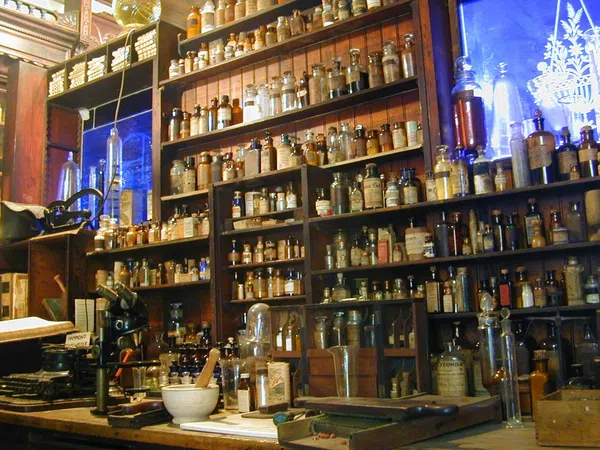
The specialized hospital helped advance treatments to what they are today. Hansen's disease is caused by Mycobacterium leprae and Mycobacterium lepromatosis, and it seems to transmit via the upper respiratory tract during prolonged contact with a carrier, not skin contact as it was believed for millennia. The vast majority of people who come into contact with these mycobacteria (95%) will not develop Hansen's disease. Hansen's disease is curable through a course of medications, some of which were first tested in Carville. Currently, the Louisiana Army National Guard operates the historic building, which includes the National Hansen's Disease Museum.
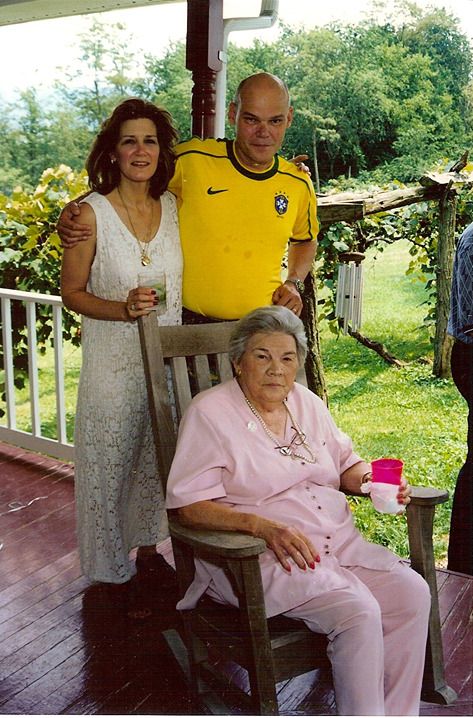
James Carville has always been proud of his legacy, and he boasted about taking his students from Tulane University to Carville to understand his heritage and this unique part of the state's history. "The place is gorgeous. It's unbelievable that people live in New Orleans and don't know that it exists. We'd go and get muffulettas and Abita Ambers, sit atop the levee. It's a very impressive place. The National Guard runs it now, and they've done a good job."
The glow that began to beam from Carville when he discussed the natural beauty of his hometown didn't fade when he circled back to the issues New Orleanians, Louisianians, and Americans face today. He offered a glint of hope amid the polarization and uncertainty we feel. "I happen to think things are going to get better. If people have an alternative to live a different way, a lot of people will choose it. There's always the next election."