It Starts Today
We know Louisiana's coastal wetlands are disappearing every day, every minute. The New Orleans community and nonprofit Coalition to Restore Coastal Louisiana are working to slow the process of land loss.
Louisiana has lost over 1 million acres of wetlands since 1900, affecting around one-third of Louisiana's land, two-thirds of local resident areas, and several wildlife habitats, CRCL stated.
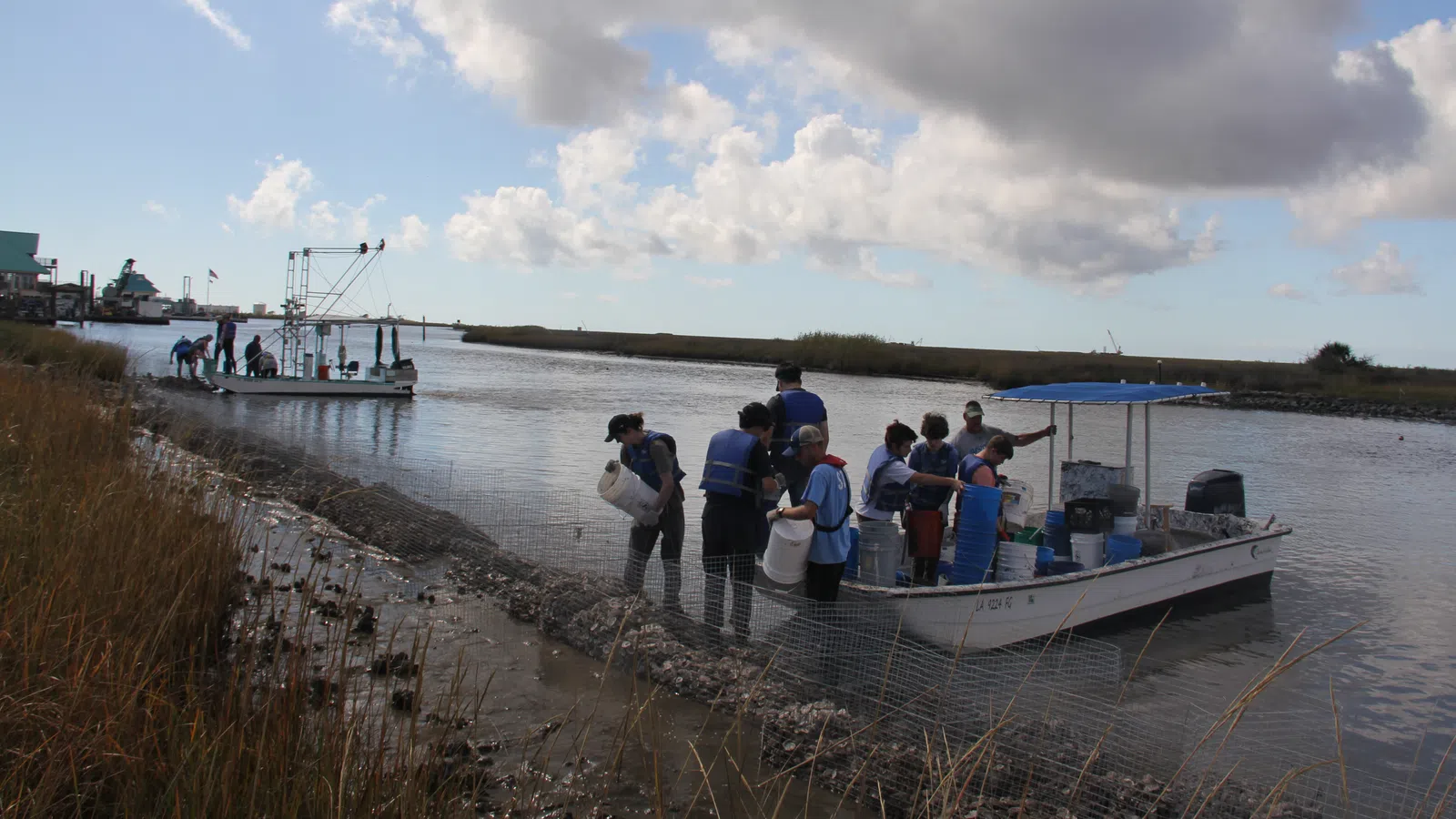
With CRCL's support, local restaurants recycle oyster shells, volunteers plant grasses and native trees, reefs are built, and state agencies fund large-scale projects. Together, these efforts strengthen wetlands and raise awareness around the preservation of Louisiana's coastline.
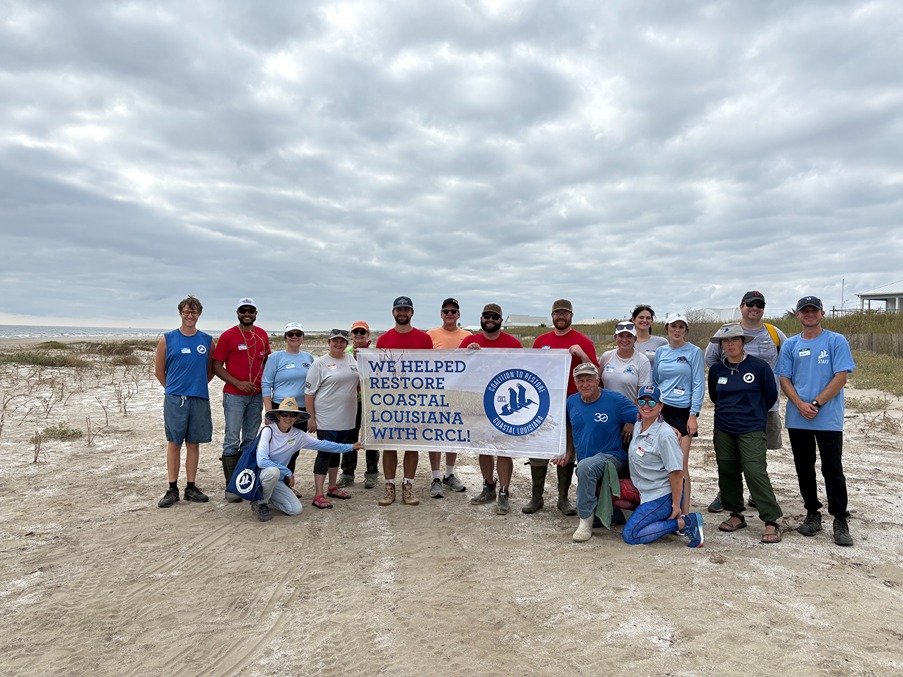
In their 2024 impact report, 665 tons of shells were recycled, 10,500 grasses were planted, and 3,000 people engaged in supportive efforts. In the 2025 quarterly report, 400 thousand pounds of shells were collected. Since the 2014 launch of the oyster program, nearly 16 million pounds of shells are recycled, spanning 9,000 feet of shoreline. Community reefs are located in Biloxi Marsh, Barataria Bay, Pointe-Au-Chien, Leeville, Plaquemines, and Grand Bayou.
Restoration projects, community outreach, advocacy for coastal protection, volunteer work, and educational leadership programs are some of CRCL's many initiatives. Their efforts have restored approximately 50% of land loss, gained over a million trees, and contributed to substantial dune formation over the organization's lifetime, CRCL said.
Director of Communications James Karst said the community is in a situation "where we needed to do something yesterday, and we won't start tomorrow." Frequent hurricanes, time-consuming research, draining funds, and expensive projects don't stop CRCL. The focus is on scientific modeling, troubleshooting potential effects on wildlife and communities, and fighting against lost time. For Karst, the most striking challenge is urgency.
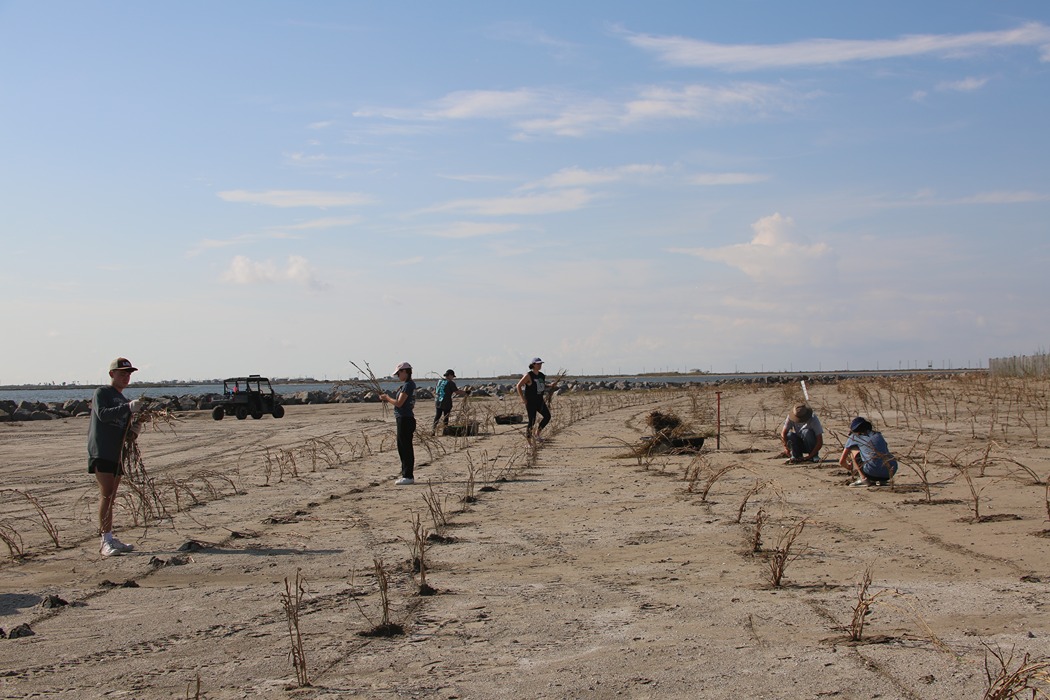
Volunteers are the backbone of the restoration, Karst observed. In November 2025, a large group planted grasses at Grand Isle beach with dibble tools in the sand. Those efforts are in place to create an entirely different landscape to expand dunes and grasses. Sand dunes form when winds blow sand into growing grasses, acting as a natural barrier against storm surges. "That's not the kind of thing that the state is equipped to do or the feds are equipped to do. You really need a bunch of volunteers to do that kind of work, and that's really our area of expertise," Karst said.
The payoff is clear in the before-and-after photographs of community projects. "It can be a real gratifying thing to look at something unhealthy, bare, and then to show another picture from just a few months later, showing it filled in and looking like a habitat where creatures can live," Karst said. "It's really a glorious thing, and the community coming together is what makes that possible."
The history of CRCL goes back over 40 years when it published a call-to-action paper in 1989 titled "Coastal Louisiana: Here Today and Gone Tomorrow?" The paper urged the state to use the river to rebuild wetlands, create a dedicated coastal agency, fund large-scale restoration, and expand advocacy, much of which eventually came to fruition.
Today, the 501(c)(3) nonprofit continues to navigate changes with administration, such as the governor's cancellation of the Mid-Barataria Diversion Project in July 2025, Karst said.
The Mid-Breton sediment diversion initiative was also canceled. Karst looks forward to what types of projects will take place in Plaquemines Parish, but for now, that remains pending. "Nobody, regardless of what initials they put behind their name, nobody wants to see Louisiana wash away. So we're fortunate that in a very polarizing time in our history, coastal restoration is not really a polarizing thing, generally," Karst said.
After Hurricane Katrina, Karst noticed a shift in philosophy around coastal protection. The state enacted the Coastal Protection and Restoration Authority. New Orleans started thinking differently about its flooding approach. "If you had come and looked at what was happening in coastal Louisiana just 20 years ago, you would not have seen anywhere near the amount of activity that's now going on," Karst said.
People shifted to "living with water," pointing to the possibility of retaining water in parks and gardens rather than floodwater only being in the streets and in storm drains, Karst noted.
River Reintroduction into Maurepas Swamp is a particular project Karst is looking forward to. Current construction is working to reconnect the Mississippi River and Maurepas Swamp and is expected to be completed within the next few years. He noted, "It's been disconnected from the river for about a century, and this project is going to restore this natural connection." Maurepas Swamp is the Hollywood image of a Louisiana swamp. "It's like our crown jewel. It's like our Grand Canyon. It's going to make it much healthier. Trees will grow then again. We'll see wildlife return."
Every tree planted, every reef built, and every oyster shell returned to water helps to revitalize our state, and the way that is possible is with the help of our people. Every person counts. CRCL wants people to join with their hands, or simply eat a dozen oysters, to support the work. The coastline's story is still being written, and it isn't over yet. Louisiana's coast is under threat, but real change is happening every day, every minute.
Events and volunteer opportunities happen weekly. Visit their online calendar to learn more, and follow them on Facebook at facebook.com/CRCL1988.