Restaurant August's 25th Anniversary
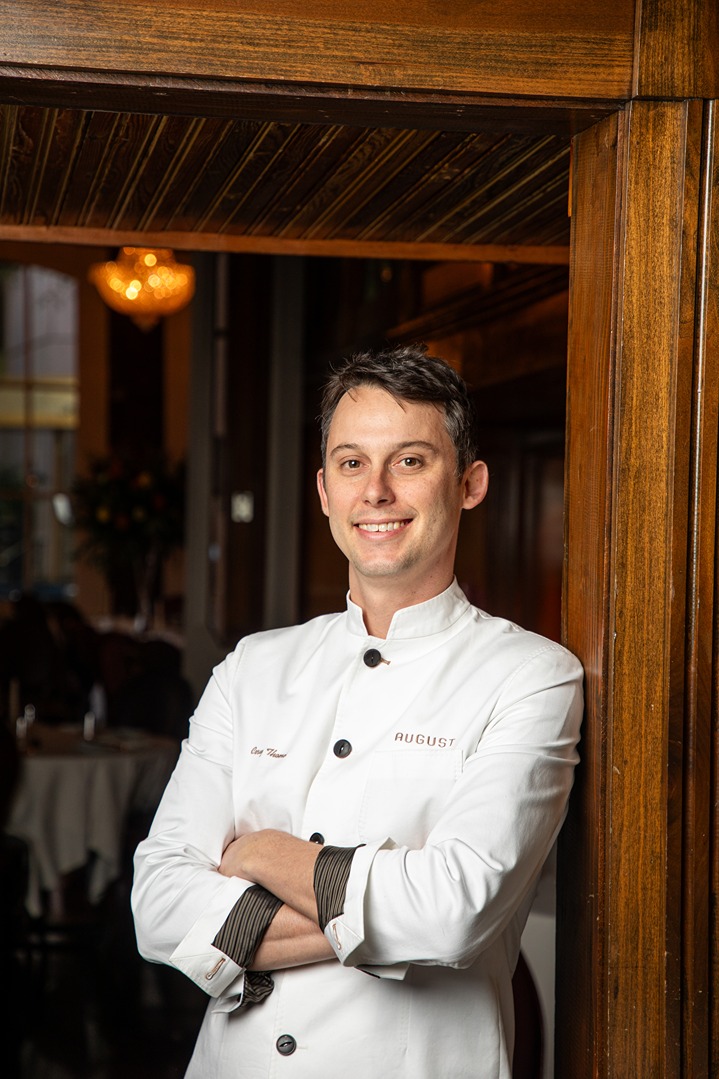
Chef Corey Thomas is proud of the ever-evolving tasting menu at Restaurant August, one inspired by local cuisine yet presented from a different point of view.
"A lot of people who eat here have a shared story of Louisiana cuisine. How do we elevate it to feel like something different, while still being a nod to our childhood?"
New Orleans loves its BBQ shrimp, a dish originally created at Uptown restaurant Pascale's Manale in the mid-50s. For locals, a lot of nostalgia is involved when diving into a plate of Gulf beauties served shell-on, swimming in pepper, garlic, and butter, and tearing off pieces of French bread to sop up the sauce.
Imagine, for a moment, a different take on this ubiquitous dish. One part of Restaurant August's initial fruits de mer course includes an interesting riff with Binchotan-grilled shrimp tossed in a BBQ sauce reduction transformed into a creamy mousse croustade with rosemary and lemon zest. "I like to reinterpret dishes that are the backbone of New Orleans cuisine," August's Executive Chef Corey Thomas explained. "The BBQ shrimp croustade is different than any bite you'll have in town. Yet, at the same time, you'll have familiar flavors."
Farmed and raised Murder Point oysters are another familiar-but-different component of the fruits de mer course. Delivered fresh from Alabama's Gulf waters, these buttery mollusks are sprinkled with an exo salt, made with dehydrated local tomatoes and Szechuan peppercorns, and drizzled in Steen's cane vinegar. "It's waves of different flavors and experiences. What I'm trying to do is inject intrigue, fun, and new experiences in every bite."
Another current element of the fruits de mer course evolves with the seasons, a crudo using spear-caught cobia provided by local fisherman Chris Ricouard of Wicked Seafood. "He brings those in a cooler the day they're caught and we butcher them and serve it to our guests that same day," Thomas explained. "We're really proud of that partnership with him."
The mildly sweet and buttery flavors characteristic of wild-caught cobia are punched up with a house made kosho, a fermented Japanese condiment house made using local blood orange zest, serrano peppers, and salt. Thomas finishes the crudo with cucumber, fennel, and blood orange vinaigrette.
It's a bit of a shocker to see the humble cornbread on a chef's tasting menu, but Thomas' preparation of the Southern staple is anything but. A soufflé-like spoonbread, made with cornmeal from Alabama's Bayou Cora Farms, is served with Rodolphe Le Meunier artisanal beurre de baratte crafted in Normandy, France—arguably one of the finest butters in the world—and is topped off with Tsar Nicoulai Osetra caviar produced in California.
"[The cornbread] is based on my grandmother's recipe. It's what I grew up eating, often with Country Crock," Thomas laughed. "I feel like there aren't any parameters around what we do. We want to be local, but we also have the obligation to seek out the best ingredients in the world, and when you put those two things together, you can really have some fun and create some truly exciting dishes."
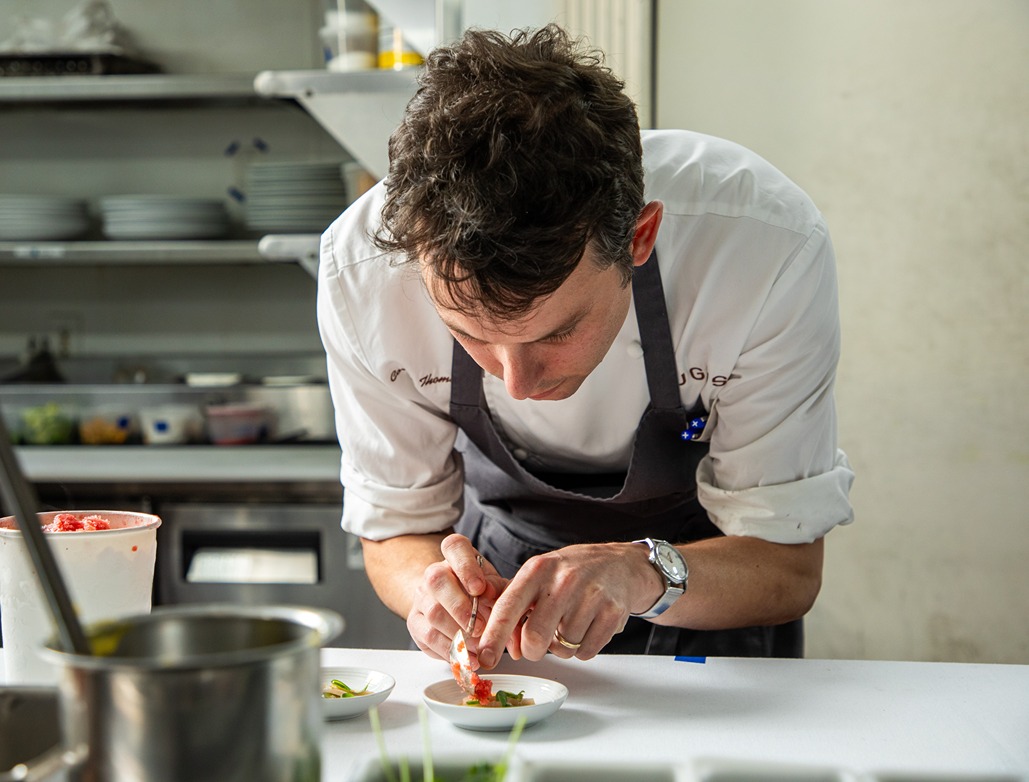
Although Thomas has always possessed a love of Louisiana cuisine, he began his career in professional kitchens later in life. Born in Shreveport and raised in Monroe, LA, Thomas studied biology in college and afterwards worked in Alzheimer research. While the work was gratifying, he discovered he didn't "really love" being in the laboratory.
"I moved to Denver, and it would be snowing outside, and I would be making gumbo for my friends. They kept telling me I made really great food and that I should be a chef." He relented and finally sent in an application to Commander's Palace, the origin story of so many great Louisiana chefs, and received a call back the next day. Then, Executive Chef Tory McPhail was obviously encouraged by Thomas' enthusiasm.
"I remember talking about how passionate I was about Louisiana culture and cuisine, and how I wanted to be a steward and to help preserve it," Thomas said. "I [also] knew I loved working around other people—figuring them out, what drives them, what they're passionate about—and giving them the tools they need to grow."
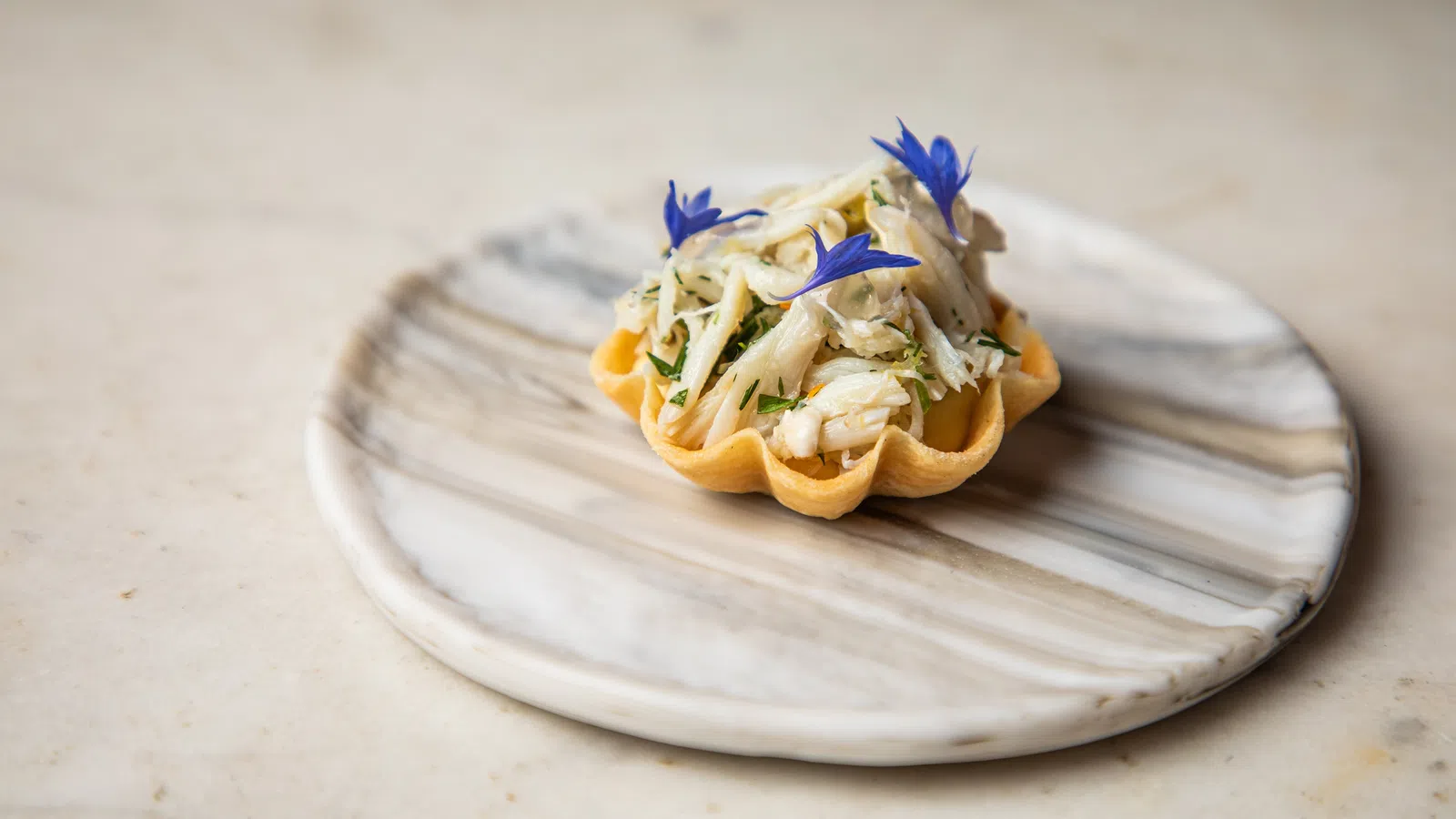
While excitedly discussing his tasting menu, Thomas frequently uses the word "we," as one fully cognizant of the invaluable contributions from his team. There's zero hesitation as he touts the blue crab tartlet, a bite created by Chef de Cuisine Hunter Wilkinson, made with jumbo lump crab meat and served atop a grilled grouper custard in a pastry shell. "A lot of people say that's one of their favorite bites," Thomas admitted.
A parade of plates follow the first two courses, from a springtime agnolini stuffed with lactose-fermented ramp and creamy ricotta served with crispy cured lamb belly, sauteed morels, and fava beans to a decadent slice of plum syrup-glazed, A5 Wagyu shipped all the way from the Kogoshima prefecture in Japan. "It is a heavily-marbled small cut because it's so intense. It's all about the char, marbling, flavor, and quality of the beef."
Before dessert, a palate cleanser reinterpretation of a French 75 is served: lemon sorbet with champagne granita and gelée. "It's a fun, playful break from all of the intense savory flavors to get you ready for dessert," Thomas said.
The feast finishes off with a trio of Louisiana-inspired desserts: a pecan and cane syrup profiterole, a cane syrup crème brûlée, and pecan butter ice cream dipped in chocolate magic shell. "It's easy to take yourself too seriously, and it's fun to be playful with the guests and be like, 'Okay, you've eaten the best beef in the world and now you're having a popsicle,'" Thomas laughed. "The best dishes remind you of your childhood."
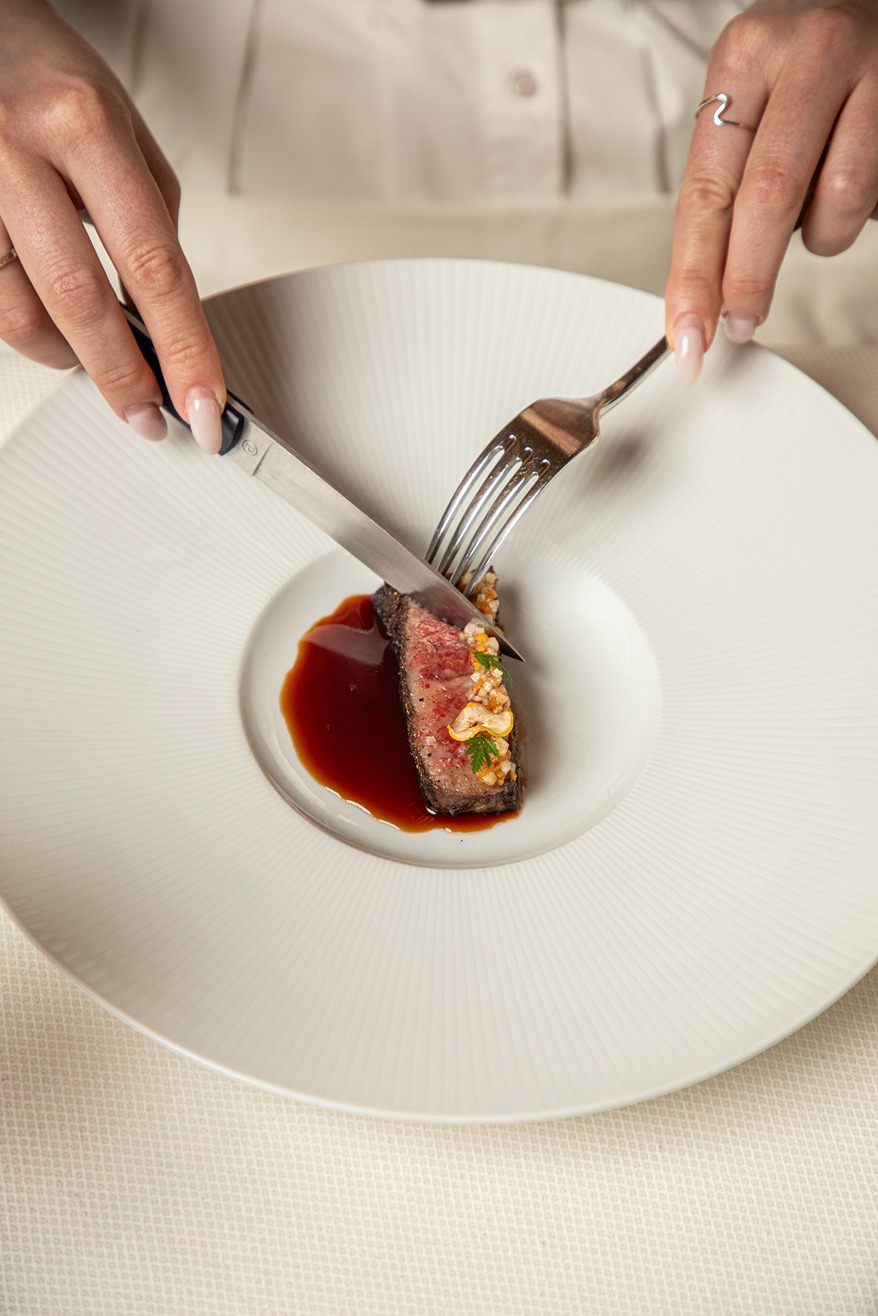
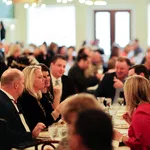
This year marks Restaurant August's 25th Anniversary. The BRG Hospitality flagship has hosted a yearlong series of culinary and cultural activities on the 25th of every month in 2026. Please see restaurantaugust.com for more details.
Aaron Burgau's Patois
The moreish chicken liver pâté at Aaron Burgau's flagship, Uptown restaurant traces back to a time when he was the sous under chef/owner Gerard Maras at the fondly remembered restaurant Gerard's Downtown.
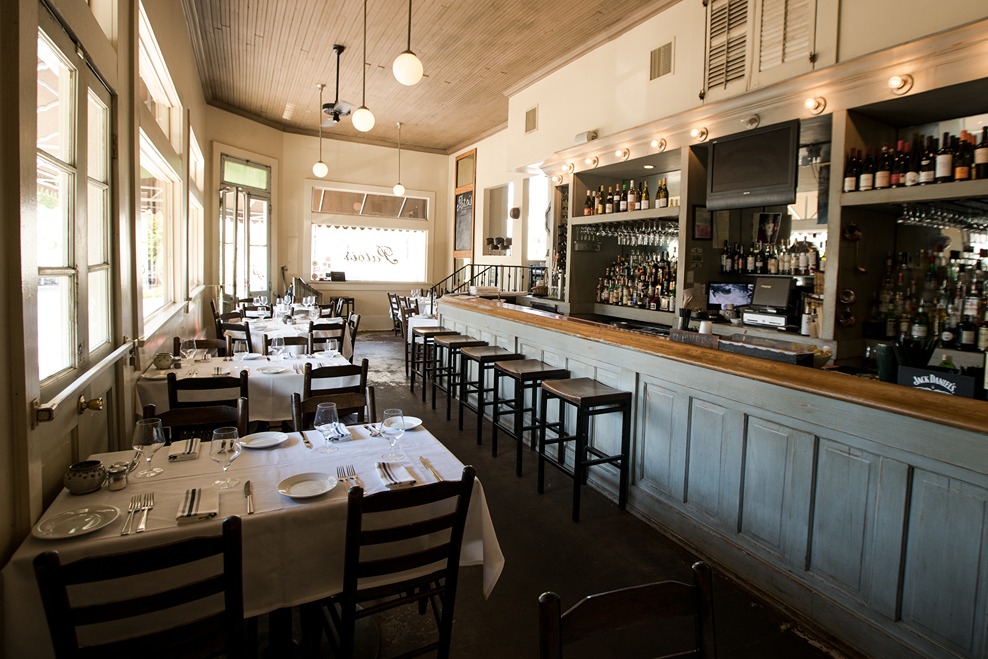
Only a few blocks from Audubon Park, a century-old, corner store building plays host to Patois, a snug, neighborhood bistro launched nearly two decades ago by Chef Aaron Burgau and then partners Leon and Pierre Touzet. When it opened, one local food writer said it was bound to do well as it is "close enough to Clancy's to catch its overflow," but Patois has, rather quickly, garnered its own devoted following.
Among Creole-style dishes of pecan-crusted Gulf fish, seasonally-inspired gumbos, and the restaurant's version of dirty rice made with farro, French influences shine through from meaty slices of rabbit terrine and smoked fish dip blended with crème fraîche to a classic liver pâté neatly capped in clarified butter.
The vernacular of Patois' menu partly hearkens to a time when Burgau worked at Gerard's Downtown, a restaurant on Lafayette Square owned and operated by esteemed local chef Gerard Maras.
You may remember Maras, a sous chef at Commander's Palace and longtime executive chef at Mr. B's Bistro, from PBS' Great Chefs television series preparing his version of the New Orleans classic BBQ shrimp, a recipe that remains the French Quarter restaurant's signature dish to this day. "Most people don't know he invented that dish," Burgau said. "He created that emulsion for their creamy BBQ shrimp."
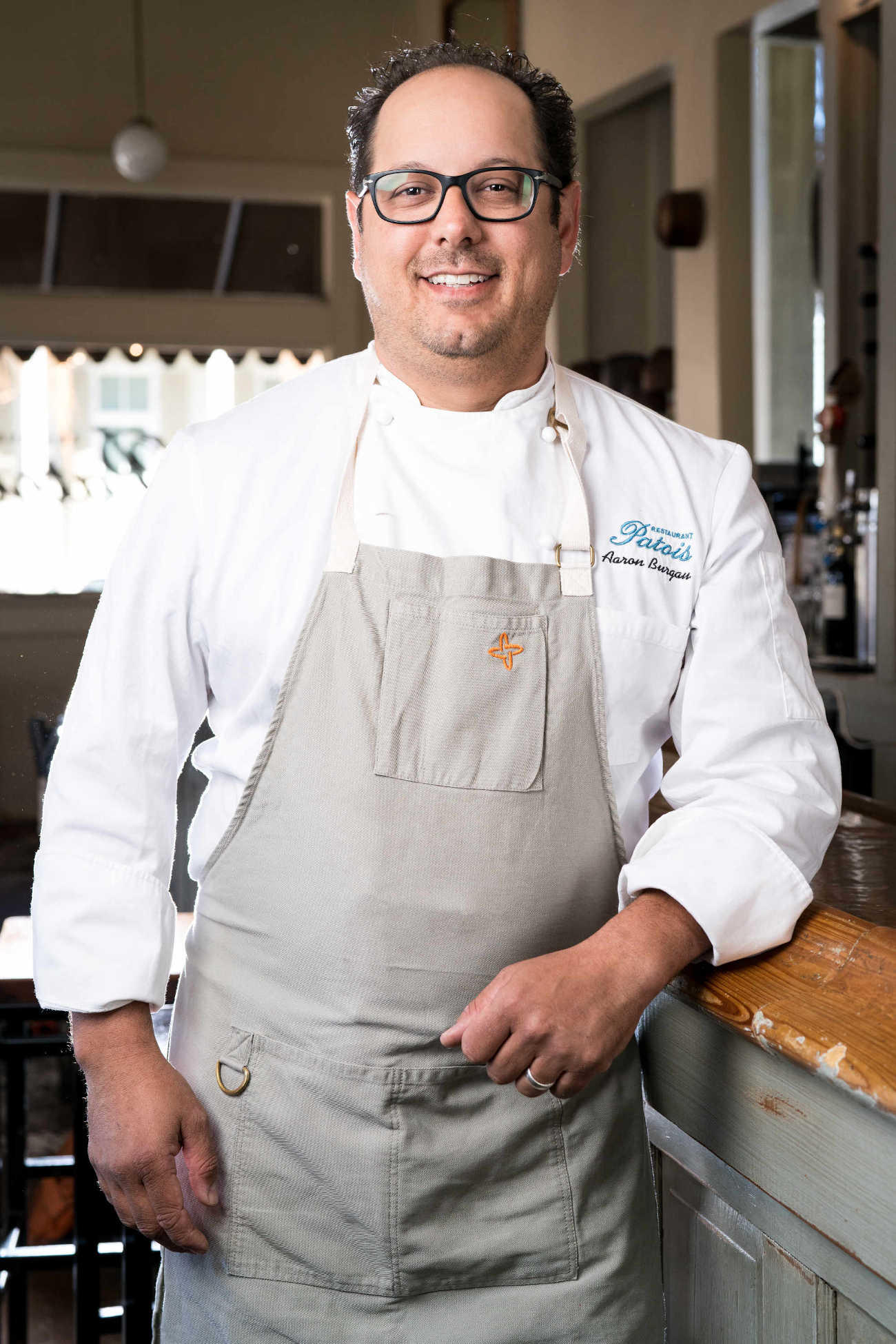
While you can't discount the influence of James Beard award-winner Susan Spicer (Bayona, Rosedale), it was his time with Maras that emphasized Burgau's skill with French charcuterie from sausages and terrines to pâté. "A lot of our dishes [at Patois] remind me of him," Burgau said. "He's influenced a lot of people."
At one time, the kitchen at Gerard's Downtown housed a veritable who's who list talented chefs, from John Harris (Lilette), Alex Harrell (Southern Hotel), and Anton Schulte (Bistro Daisy) to Slade and Allison Vines-Rushing (Brennan's, MiLa) and Tory and Dave Solazzo (Del Porto). "It was kind of a dream team," Maras said. "I used to call it the Zen kitchen. Everybody talked in a normal voice and I had a lot of good people there."
The chef powerhouse, including Aaron Burgau, learned a lot in their brief time at Gerard's, from making pâtés, sausages, and pickles to preparing trickier dishes such as galantines, which is a lavish French dish of skillfully deboned poultry stuffed with forcemeat, rolled and pressed into a cylindrical shape, and then poached. "Aaron kept a lot of that going [at Patois], the country-style, French pâtés and terrines," Maras said. "I'm not sure he goes as far as the galantine, but I wanted to show everyone how to make them, because they're fun and different."
Though Gerard's Downtown was only open for a few years in the late '90s, many people still fondly remember the cuisine, not the least of which was the lagniappe duck pâté that always accompanied the complimentary bread service. "[The pâté] was made with apples, Cognac, Madeira, and a lot of butter. It's based on a Michel Guérard recipe, so it's not something I invented. I've always been a big fan of his," Maras said. Michel Robert-Guérard was a famous Parisian-born chef and author known as one of the fathers of nouvelle cuisine.
Like Maras, Burgau and his chefs at Patois pride themselves on using locally-sourced ingredients, much of which comes from Inland Foods, a distributor committed to supporting sustainable produce and quality meats from nearby farms. "He's using a lot of good farm products like I used to, a lot of ingredients local to the area," Maras said.
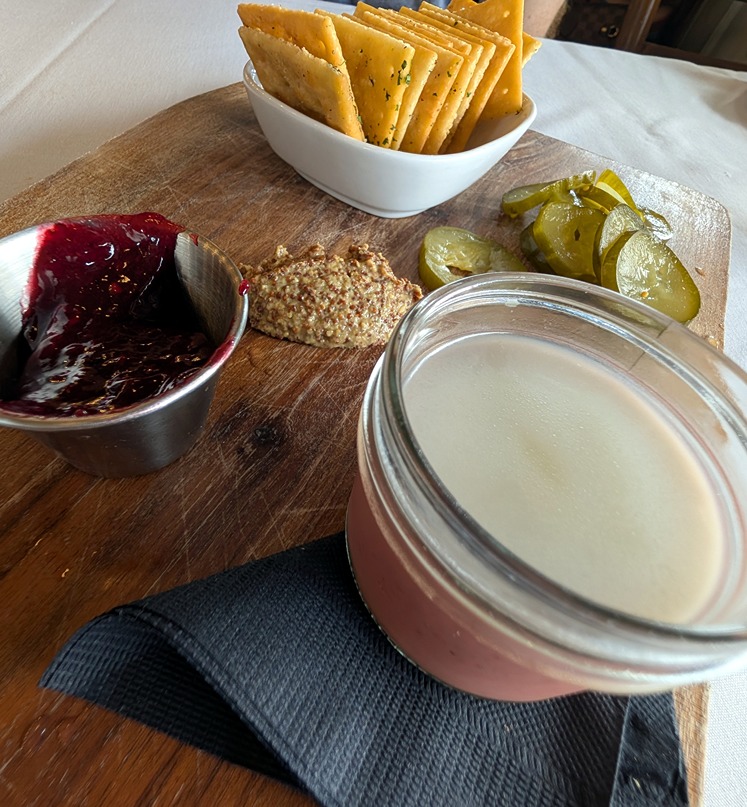
While ingredients change with the season, the most recent iteration of chicken liver pâté at Patois includes an infusion of brandy and apples all capped with duck fat or clarified butter. Served in a small glass ramekin, the pâté is served with a tiny dish of berry-rich jam made with blueberries, strawberries, blackberries; whole grain mustard; house made bread-and-butter pickles; and fried Saltine crackers, a Depression-era snack that's seeing a recent resurgence in fine dining restaurants.
On any given weekend, locals, neighbors, and visitors in-the-know pack the small dining room—and flow out onto the sidewalk—on the corner of Laurel and Webster streets, sipping well-made cocktails and sharing dishes of tender gnocchi tossed with Louisiana crawfish and English peas in a creamy velouté or crisp duck confit atop a bed of Vietnamese-inspired slaw dressed in peach nước chấm. Yet, with all its popularity, Patois seems to elude the limelight.
"I don't care about [Patois] being a fancy restaurant, getting all kinds of press and publicity," Burgau explained, an attitude he shares with Maras. "You know what I want to be? I want to be Clancy's. Give me Brigtsen's. Give me Lilette." While Burgau doesn't believe his restaurant has reached that level of devotion, many think Patois is already in that number.
Chef Sophina Uong's Prahok Ktiss
For Chef Uong, a dreaded childhood chore becomes reflective preparation of an ideal, breakthrough dish into Cambodian cuisine.
From peeling mountains of potatoes to the tedium of picking the leaves from a seemingly endless bundle of parsley, few women escape the drudgery of food prep as a child. Instead of running amok and playing games with friends on a sunny afternoon, some get stuck in the kitchen snapping mounds of green beans or peeling cooked crawfish for étouffée. For Sophina Uong, chef and co-owner of "tropical roadhouse" restaurant Mister Mao, it was sitting on the floor in front of a "tiny" mortar and pestle and pounding salted fish.
The fermented fish paste, called prahok, is a signature ingredient used in Cambodian cuisine. It's made from small, freshwater fish that are salted, ground into a paste, and then fermented for several weeks. Prahok, or the "stinky ass fermented fish," as Uong puts it, is often compared to some of Europe's more pungent cheeses, as well as fish sauce and shrimp paste in Vietnamese and other Southeast Asian cuisines. Like the odiferous Époisses or Taleggio cheeses, prahok may stink to high heaven, but the funky, umami flavor is well-worth the stench.
Chef Uong's Journey
When she was still a toddler, Uong's family fled conflicts in Cambodia and immigrated from capital city Phnom Penh to Long Beach, CA—a city that currently boasts the largest Cambodian community outside of Southeast Asia.
As the young daughter of an Asian household, meal preparation was one of Uong's primary chores, which included making prahok ktiss, a minced pork dip served with fresh vegetables. "I had to sit on the floor as a kid and pound the prahok with lemongrass, garlic, galangal, fresh turmeric, chilies, and peanuts. You have to sit on your side, like a lady or whatever," Uong laughed. "It's considered rude for women to sit cross-legged, so that [position] was the worst. You're just pounding and pounding, and it was really uncomfortable."
Although Uong still maintains that making the dip was a childhood dread, she has come to embrace it, dubbing the preparation "meditative," as long as it's made in small batches. It seems pursuing a culinary career forced Uong to see prahok ktiss in a different light.
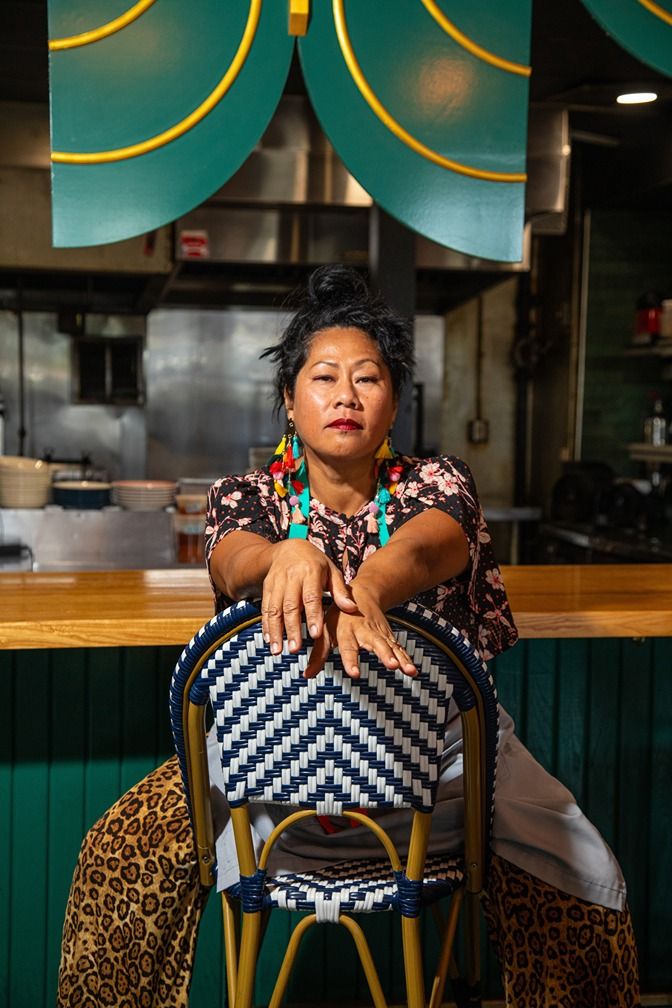
Uong learned her way around the kitchen through necessity. With a father who was always on the job and an absent mother, it was up to her to put food on the table for herself and her brother. Though she could follow a recipe, her passion for cooking didn't ignite until she experienced homemade meals at a boyfriend's house and the joy they took in the process, from helping to set the table to sharing family recipes.
The self-trained, Cambodian American chef has come a long way, cooking at lauded San Francisco Bay Area restaurants such as Restaurant Lulu, Citizen Cake, Waterbar, and Calavera Mexican Kitchen & Bar. Uong also competed in Food Network's Chopped in 2016 and was named "Grill Master Napa Champion," a win that likely motivated Andrew Zimmern to hire her to help launch the Lucky Cricket, a Chinese American restaurant in Minneapolis. Through no fault of her own, the Lucky Cricket "tanked," and Uong and her husband William "Wildcat" Greenwell found their way south.
Chef Uong in Louisiana
The couple made friends while attending Lafayette's Runaway Boucherie—a chef-to-chef event that brought together cooks, butchers, growers, pitmasters, and food lovers to celebrate and preserve the historical Cajun practice of butchering and cooking, typically a whole hog, for the community.
"I guess you could say we moved down here because we needed some sun." They were staying with friends, and she was working as a bartender at Rockrose, a now-defunct Greek restaurant at the International House Hotel, when COVID hit. "We were like, sure, let's live in New Orleans like Gen X hipsters," Uong laughed. She truly began sharing her culinary talents in New Orleans through a series of pop-ups held at places such as Mid-City's Coffee Science, the former Zony Mash Beer Project in the Lower Garden District, and Congregation Coffee in Algiers Point. It wasn't long before Chef Uong and her husband were able to open Mister Mao in the summer of 2021.
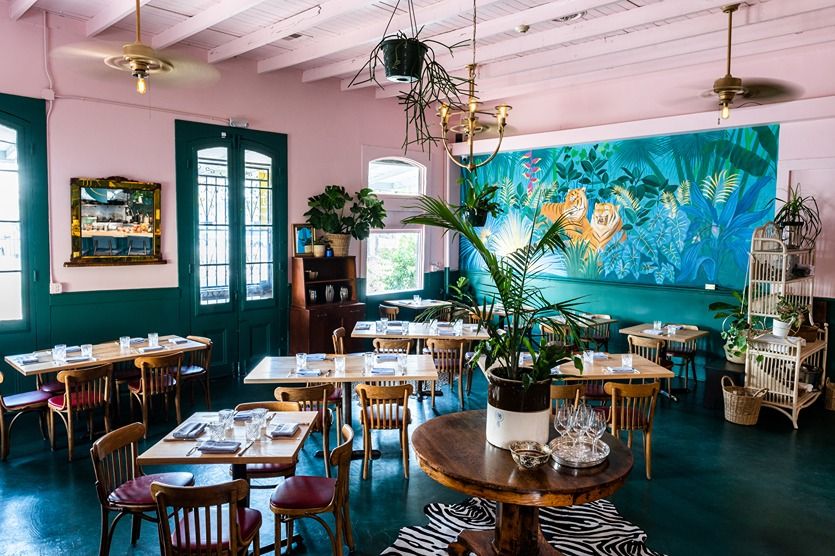
Located on the corner of Tchoupitoulas and Jena streets, Mister Mao serves cuisine that is polar opposite to the menu offered at Dick & Jenny's, the Creole seafood restaurant that lived on that same corner for nearly two decades. Chef Uong's menu is as diverse as it is spicy, offering dishes with influences from all over the world, from Puerto Rican-style guisado, or stews featuring smoked and braised beef cheek, to Kashmiri fried chicken and wood-fired scallops with tahini and harissa.
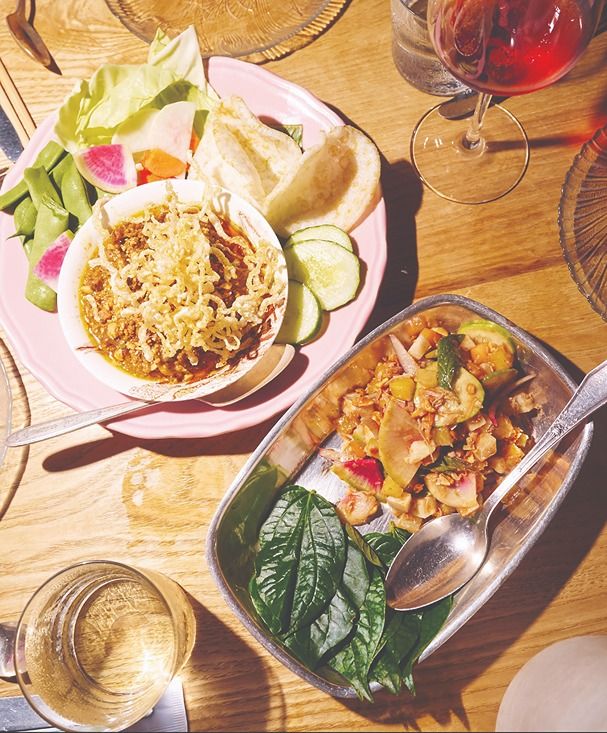
Sophina's once-hated childhood chore prahok ktiss goes on and off the menu at Mister Mao, but she also loves to bring it on the road when guest-cheffing at other restaurants. "I think it's a great introduction to Cambodian food—slightly funky, sweet, coconutty, salty, and spicy. Usually, this dip looks kind of broken—which is the best way with the oils showing—but for the Western palate, we serve this at the restaurant with crudite and shrimp chips, and we temper the funkiness of the fish."
*Mister Mao is open Thursday through Tuesday for dinner, serves brunch on Saturday and Sunday, and is closed on Wednesdays.