Tremé's Petit Jazz Museum
In the heart of the Tremé, the nation's oldest Black neighborhood, Alvin Jackson (Al Jackson) stands as a keeper of not only its musical history but the history of the dynamic culture of the city of New Orleans.
Born and raised in the Lafitte Housing Development, just a stone's throw from the iconic Dooky Chase's, Jackson grew up surrounded by parading rhythms of the brass bands as the social aid and pleasure clubs marched down Orleans and the Black Masking Indians kept our combined culture alive and well. In the midst of where it all began, it's not false to say that jazz music runs through his veins as much as it runs through the streets of the neighborhood that raised him.
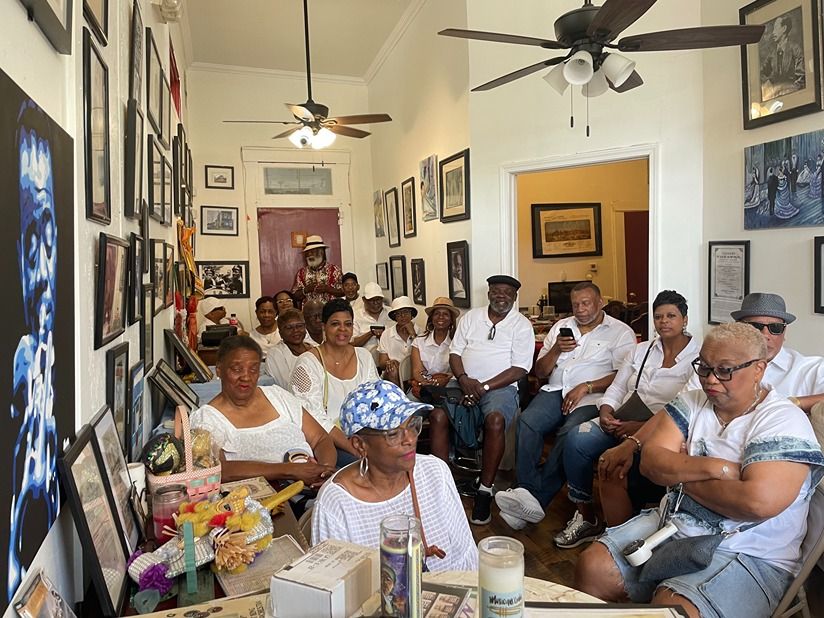
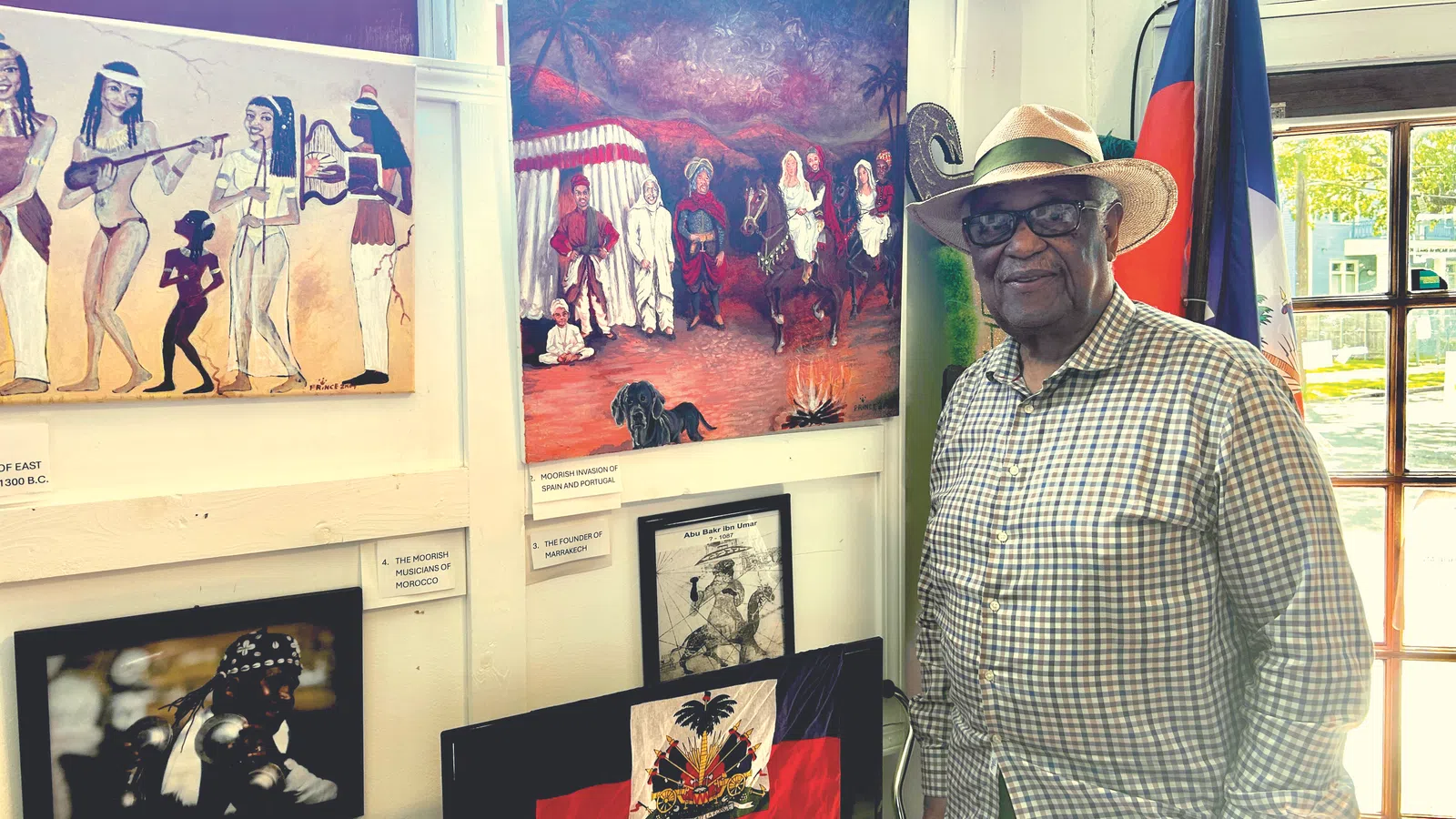
As a historian, Al Jackson was surrounded by cultural artifacts that led him to founding the Tremé's Petit Jazz Museum. If you sit in on one of his tours, you'll immediately recognize his immense knowledge. It is simply mesmerizing.
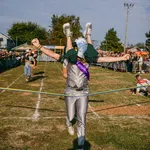
While he holds the culture in his space and mind to share with others, he is also an active part of history himself. As a founding member of the Black Men of Labor Social Aid & Pleasure Club, Jackson has dedicated his life to truthfully and unapologetically living and telling the stories of a culture rooted in soul.
Through his carefully curated collection of photographs, instruments, union papers, and personal mementos, he's helping folks see jazz for what it really is—a Black art-form, birthed in Tremé by the gift of musical literacy, while acknowledging its Afro-European musical cousins from uptown New Orleans.
Jackson shares his journey, why memory matters, and how he's making sure the next generation knows exactly where this music comes from.
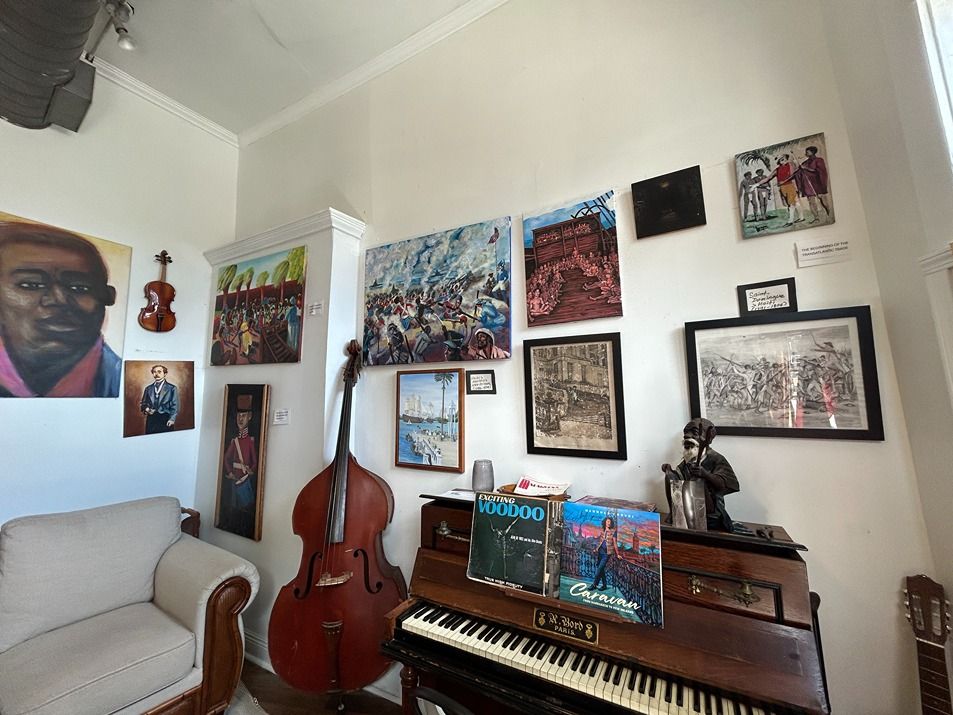
Where Y'at (WYA): You grew up in the historic Tremé. How did your upbringing shape your relationship with New Orleans music and history?
Al Jackson (AJ): I grew up in the Back of the Town section of Tremé, aka the Lafitte Housing Development and across the street from Dooky Chase's Restaurant. We were the hub of the culture, from the Zulu parades on Carnival Day to the Square Deal Boys Street parading, where Mr. Edgar Chase was its president.
As I grew older and began to experience our rich culture, a culture where no other group of people in this country could rival, it made me want to become part and parcel to it. This led to me masking as a Black Indian with Big Chief Thomas Sparks of the Yellow Jackets in 1959 and as a Skeleton with Ronald Morris, Chief Al Morris's cousin, in 1960.
WYA: What first inspired you to start collecting the artifacts that would eventually become part of the Tremé's Petit Jazz Museum?
AJ: My inspiration for my Petit Jazz Museum came to my realization that the story of the evolution of jazz unfortunately omitted too much from the narrative. What I have done was to attempt to narrow the gap between fact and fiction.
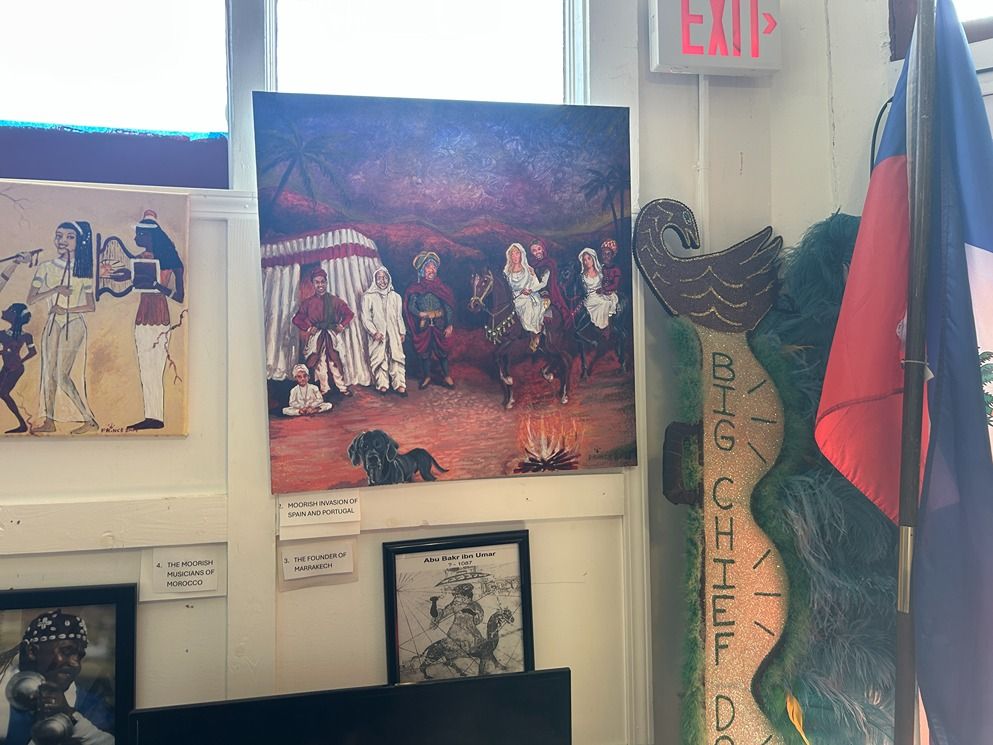
WYA: The museum is deeply personal, featuring your own collection. What was the first item you ever collected? What pieces hold the most special meaning for you?
AJ: The first item ever collected by me was in 1963, a LP entitled Voodoo by Jean Devres from Haiti. The one that holds the most meaning to me is the original Louis Armstrong contract I have, dated 1954.
WYA: In what ways do you think mainstream narratives about the origins of jazz overlook or misrepresent its Black roots?
AJ: Because the Black roots of music/jazz can be found in East and West African music, many musicologists either ignore these roots or just are sadly unaware of the origins of string and percussion musical instruments.
WYA: Can you talk about your connection to the American Federation of Musicians Local 496 and the significance of the materials you recovered from the old union building?
AJ: In 1997, Paul Sylvester, the owner of Sweet Lorraine's Jazz Club, and I bought the abandoned Negro Musicians Union Hall. This building had been abandoned and neglected since around 1975. It became our obsession to renovate the building, which once housed the Negro Musicians Union, after being awarded a $50,000.00 grant from the city of New Orleans, a grant that was overseen by the Preservation Resource Center. The contractor was diligently working on the building when, one morning, the building collapsed. Thank God no one was on site at that time. This potentially beautiful economic development and culturally important project was dead. Paul nor myself ever had access to the $50,000.00 grant because our group was not a 501C3 non-profit. PRC became our fiduciary/sponsor.
WYA: The museum offers one-on-one tours, often with you personally guiding guests. What do you hope visitors walk away understanding?
AJ: My hope is that my guest will truly understand the musical intersectionality of people and the instruments that gave birth to jazz.
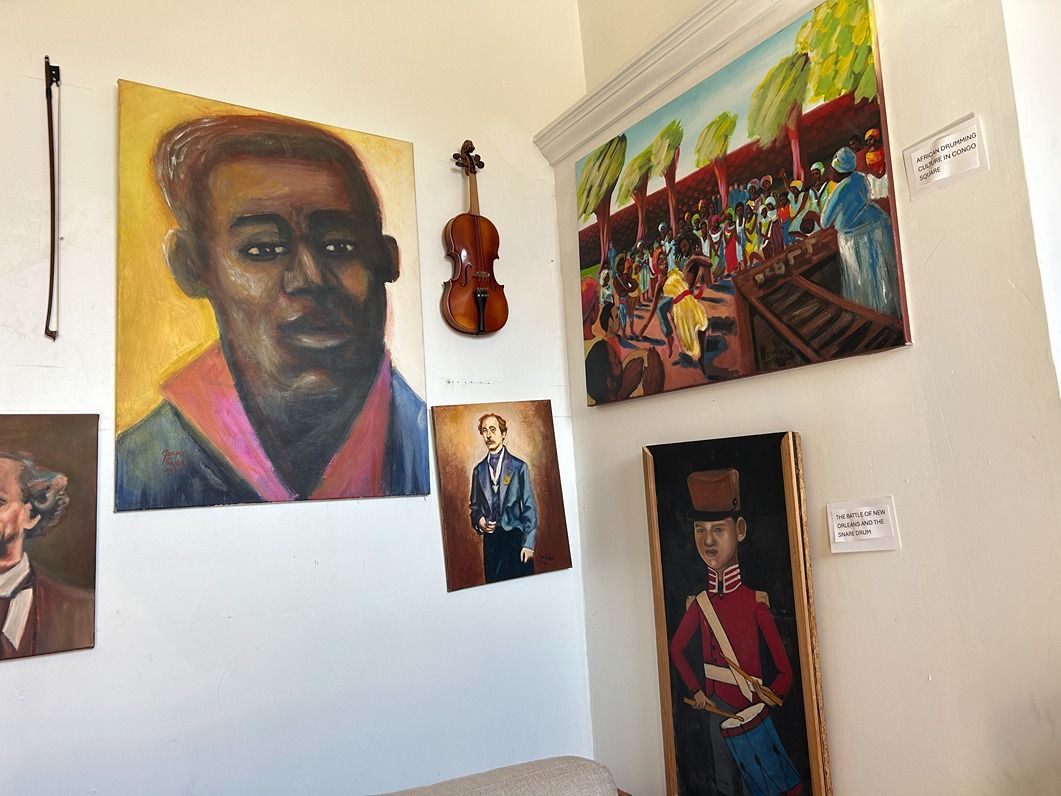
WYA: You invite guests to "come with an open mind about the origins of jazz." What do you think is the biggest misconception they arrive with?
AJ: The biggest misconception is about the origins of string instruments, and without the military, there would be no brass bands, no Louis Armstrong, and no Trombone Shorty.
WYA: How do you envision the museum growing or evolving in the years to come?
AJ: Great question. I can proudly say that two of my three daughters have begun to study the intricacies of the museum. The idea is for them to assume the responsibility of its day-to-day operations, and I would be available on an as-needed basis. In other words, they will be true to the cause.
WYA: What advice would you give to young New Orleanians, or anyone, interested in preserving and protecting the musical culture?
AJ: Don't just play the music—learn the music, as well as its history. Become diligent in your quest for musical knowledge, and don't be afraid to ask the elder musical statesmen for advice.