The Essence of Decadence
To the outside world, New Orleans is a city defined by its peculiar, unorthodox way of life. Yet, one of the biggest celebrations outside of Mardi Gras season emerged via sticky heat and a bottle.
To the untrained eye, a city fueled by alcohol, parties, and overwhelming heat possibly sustaining such an environment seems improbable. Wanting to no longer be beaten by the combination of boredom and scorching temperatures, a group of friends gathered together in the summer of 1972 to have fun, not realizing a budding annual celebration was on the horizon—Southern Decadence.
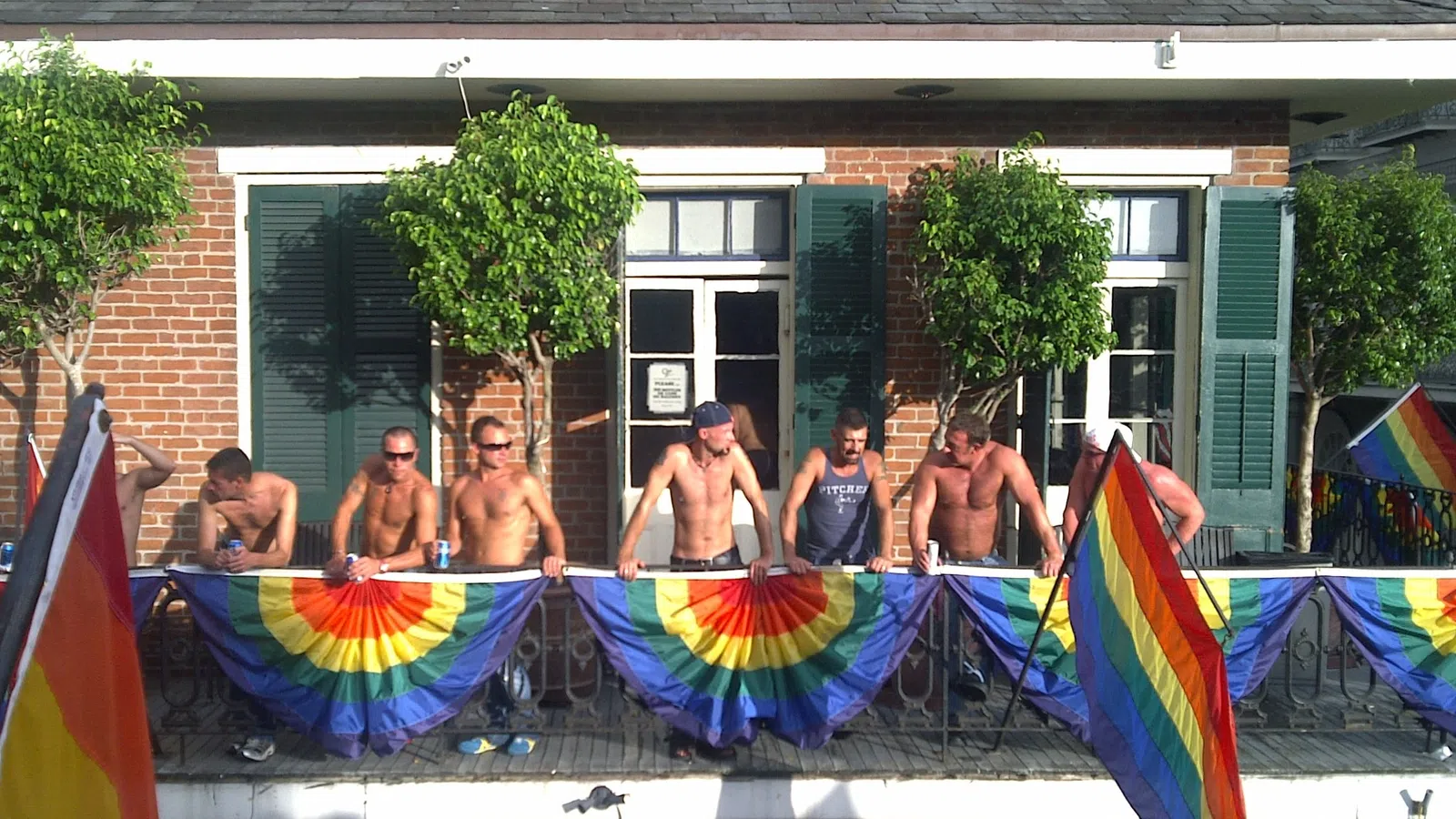
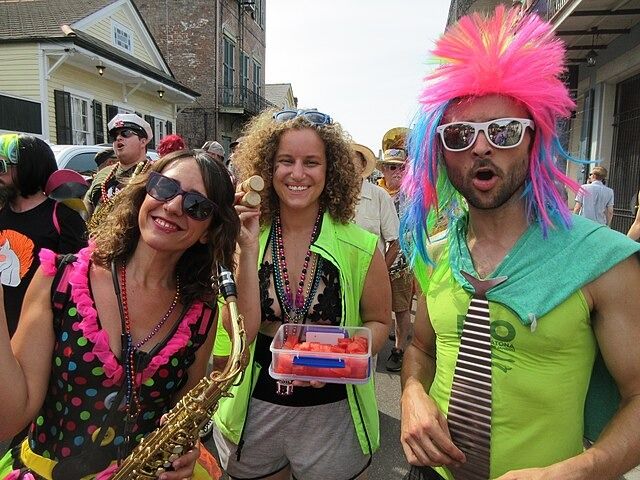
Howard Phillips Smith, author of Southern Decadence New Orleans, describes the word decadence as "something seen as tantalizing, pleasurable, and ultimately deadly." The name of the now six-day festival is so fitting, given that a copious amount of alcohol in August can yield such results. This small factor does not stop over 200,000 "responsible" drinkers from descending into New Orleans and being synonymously caressed by the heat and their community. Southern Decadence is a rose that grew from concrete personified, because who else but a group of people who call New Orleans home can take a boring hot day and explode it into a week-long party?
A Difficult History for the Local Queer Community
Although the essence of Southern Decadence stems from camaraderie and good times, the embracement of the gay community in New Orleans came with no Southern hospitality in the beginning. In the 1950s, with more gay people moving to New Orleans determined to embrace their full selves and their new community, the city responded abhorrently and cruelly. At the time, The Times-Picayune printed that the "homosexual problem" was a problem the city must handle.
According to Smith, "In 1951, Richard R. Foster, chair of the New Orleans Crime Commission (and the man for whom New Orleans' signature dessert, Bananas Foster, is named), told commission members that the city should develop a strategy for discouraging 'perverts' from coming to New Orleans since most of the city's homosexuals were 'out-of-towners.'" The homophobic hysteria was so obstreperous that parents were calling the police begging them to save their children from gay people. Foster doubled down on his homophobia, stating, "High school boys and girls enticed into places habituated by homosexuals often see an obscene show or something of that nature as a starter."
Every effort to instill panic and fear for gay people in New Orleans worked. Policemen were extorting gay bars and forcing them to pay money in order to remain operable. Bar owners who could not pay the exuberant extortion fees were constantly raided. Miraculously, gay bars in the French Quarter remained untouched. The New Orleans City Council created the Committee on the Problem of Sex Deviates in 1958, with its chair being Jacob Morrison, co-founder of the Vieux Carre Property Owners and Associates and the half-brother of then mayor Chep Morrison. Gay New Orleans loathed Jacob Morrison because he led a successful charge against Starlet Lounge, a gay bar, by getting their liquor license revoked.
The Beginning of Decadence
These, among many, many other reasons, are why a hot August day was not going to stop friends from coming together to celebrate life and friendship in 1972. Although the original group did not expect for their small party to become a huge celebration, it is the hope that the core values remain the same. Southern Decadence Grand Marshal Tony Leggio said in 2016, "This is no longer the little bar stroll a few friends did all those years ago. It has morphed into something larger, and with that comes new responsibilities. We can never go back to what it was. We can only move forward and hopefully still keep some of the distinctive flavor that made it what it was."
The group of friends, or "The Decadents," as they call themselves, got together to throw a costume party in 1972, the Sunday before Labor Day. This included Michael Evers, David Randolph, Frederick Wright, Maureen and Charlie Block, Robert Laurent, Tom Tippin, Robert King, Robert Gore, Preston Hemmings, Bruce Harris, Kathleen Kavanaugh, David Red, Ed Seale, Judy Shapiro, and Jerome Williams.
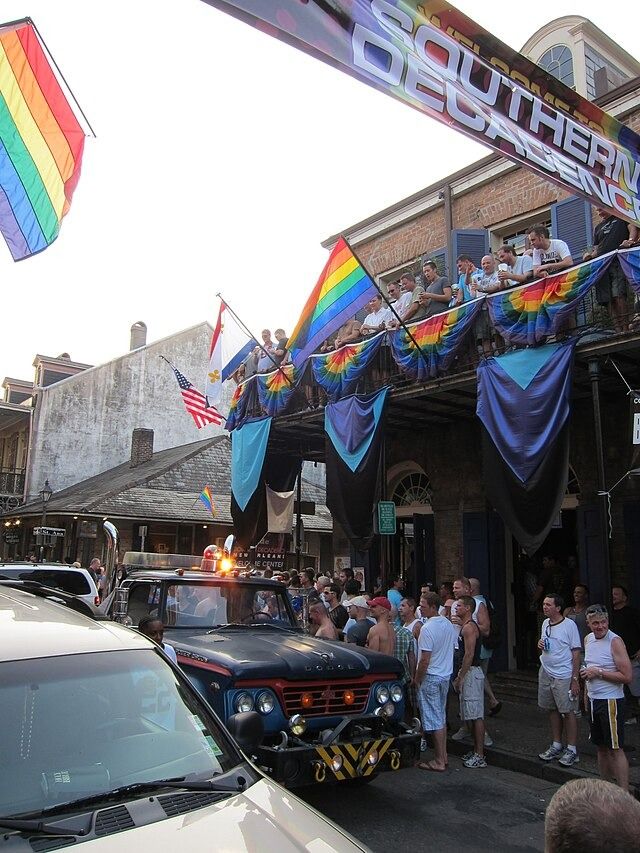
They planned a going away party for their friend Michael Evers, who was moving away. The gang enjoyed it so much that they decided to throw another party the next year; however, they chose another person from the group to lead the party. By 1980, the gang wanted to transition from a house party to parade. In 1981, the first grand marshal parade happened at the Golden Lantern, where the tradition continues presently. An ostracized group curating a community while simultaneously creating a culture in the very city that will profit from them before acknowledging them is very on brand for America.
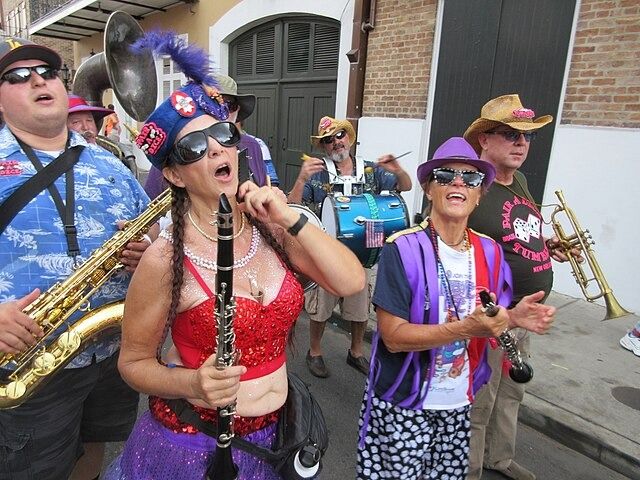
The familial values this country attempts to embody are the core values that minority groups must uphold to survive. It is the community and friendships that give people a reason to want to fight another day. It is the community and friendships that will give people a reason to celebrate when everything else about them is being criticized. Although Southern Decadence is far away from their humble beginnings, it is a beautiful sight and feeling to know that the celebration expanded due to more people joining the welcoming fold of Southern Decadence. It is the community and friendships that embody the essence of Decadence.