From Sugarcane to Sugar Bowl
As we prepare ourselves for New Orleans' annual New Year's Day football game, it's interesting to uncover just where the legendary Sugar Bowl got its name—as well as the importance of the commodity it represents for Louisiana.
Yes, friends, that abundant, everyday sweetener known the world over as sugar, a.k.a. "white gold," first came to America's shores via—you guessed it—New Orleans. In fact, this amazing city, which is so rich in culture, cuisine, and history, owes much of its development to the sugarcane crop, an Asian tropical grass that found unbridled success on the plantations of southeast Louisiana.
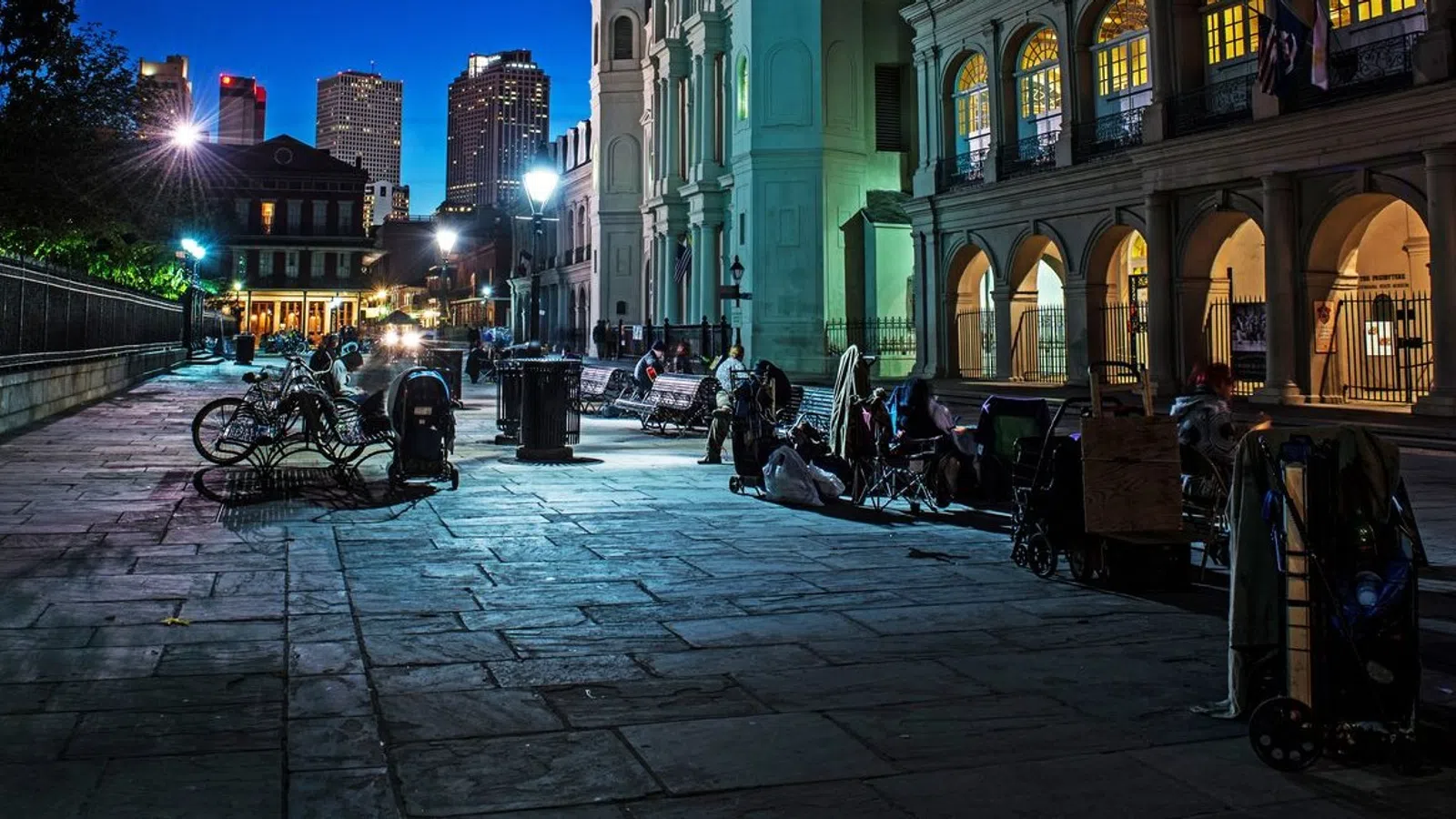
Sugarcane was first introduced to Louisiana in 1751 by Jesuit priests, by way of Saint-Domingue, who planted the soon-to-be earth-shattering crop in the area that is now known as Baronne Street in New Orleans. If you ever want to view the grounds where history was made, just take a walk down to the Immaculate Conception Jesuit Church and try to visualize sprawling rows of sugarcane plants.
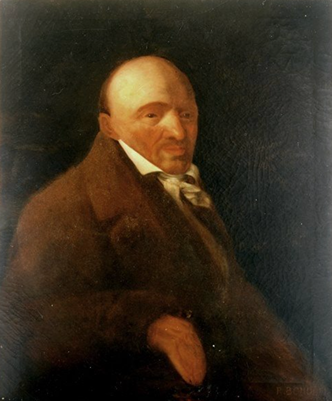
From there, cultivation of the crop spread like wildfire up and down Louisiana's portion of the Mississippi River. Yet, it wasn't until the latter part of the century that sugar cultivation would soon reach its full potential through a plantation owner by the name of Jean Étienne de Boré.
De Boré was a Creole planter who had unsuccessfully attempted to utilize his fields in the production of indigo and cotton until ultimately switching to sugarcane, which was proven to grow exponentially in the subtropical environment of Louisiana. On the laborious backs of African slaves, de Boré set his sights solely on this relatively new crop in the area that is now Audubon Park. He purchased sugarcane from one of his contemporaries Antonio Mendez, the owner of the Terreaux-Boeufs Plantation in St. Bernard Parish. A breakthrough occurred in 1795 after de Boré hired a chemist named Antoine Morin, a free man of color whose reputation in the sugar industry had preceded him. Under Morin's commission, a sugar mill and factory were erected by the slaves, which allowed Morin to invent a new procession of sugar, known as granulation, and thereby changing the trajectory of the sweetener forever.
While historical whitewashing has painted Jean Étienne de Boré as the sole inventor of granulated sugar for a very long time, the crucial involvement of Antoine Morin, as well as his achievements, have gradually made their way to public consciousness—and rightfully so. One indisputable fact about de Boré: He was chosen as the very first mayor of the city of New Orleans in 1803, following the Louisiana Purchase. In the early 19th century, sugar had become one of Louisiana's most important cash crops, rivaling cotton in both output and profitability. As sugar plantations expanded, they came to dominate the economy of southern Louisiana, particularly in the parishes surrounding New Orleans.
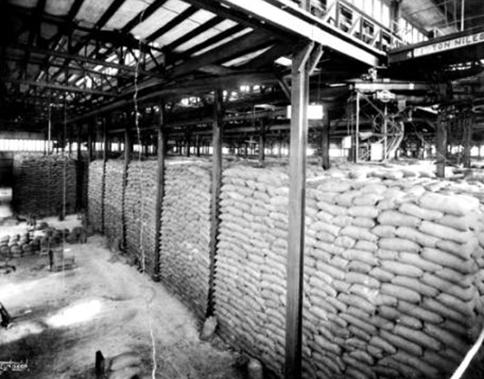
Out of this so-called "sugar district," another free man of color named Norbert Rillieux invented an even more efficient, and safer, way to boil and process cane-juice and syrup into sugar. This became known as the multiple-effect evaporator, which reduced waste and made sugar production more cost-effective. By the mid-1800s, Louisiana was producing over 200,000 tons of sugar a year, with New Orleans emerging as a global center for the commodity's refining and export.
While there were a few hiccups along the road, such as freezes, outbreaks of diseases, and the Civil War, sugar cultivation evolved into an industrial powerhouse that affected and bettered the lives of the area's citizens. With table sugar now a luxurious reality, it's hard to underplay the use of the sweetener in the city's culinary identity. From delectable confections such as pralines and beignets to its simple usage in coffee and tea, sugar was here to stay and would soon inspire an iconic event that millions of sports fans look forward to year after year.
Due to the widespread popularity of college football in the 1920s, and drawing from the success of the annual Rose Bowl in Pasadena, CA, the idea of New Orleans' very own "Sugar Bowl" was coined by local sportswriter Fred Digby, in honor of Louisiana's status as the nation's leading sugar producer at the time of conception. In 1935, the inaugural Sugar Bowl took place between Tulane University's Green Wave and the Temple University Owls, of which Tulane won 20-14. An interesting fact is that the first game site, Tulane Stadium, was built on the very land that Étienne de Boré perfected his sugar craft.
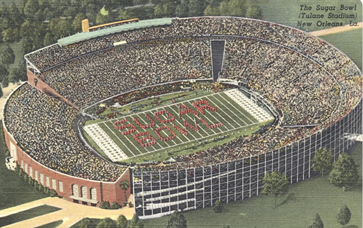
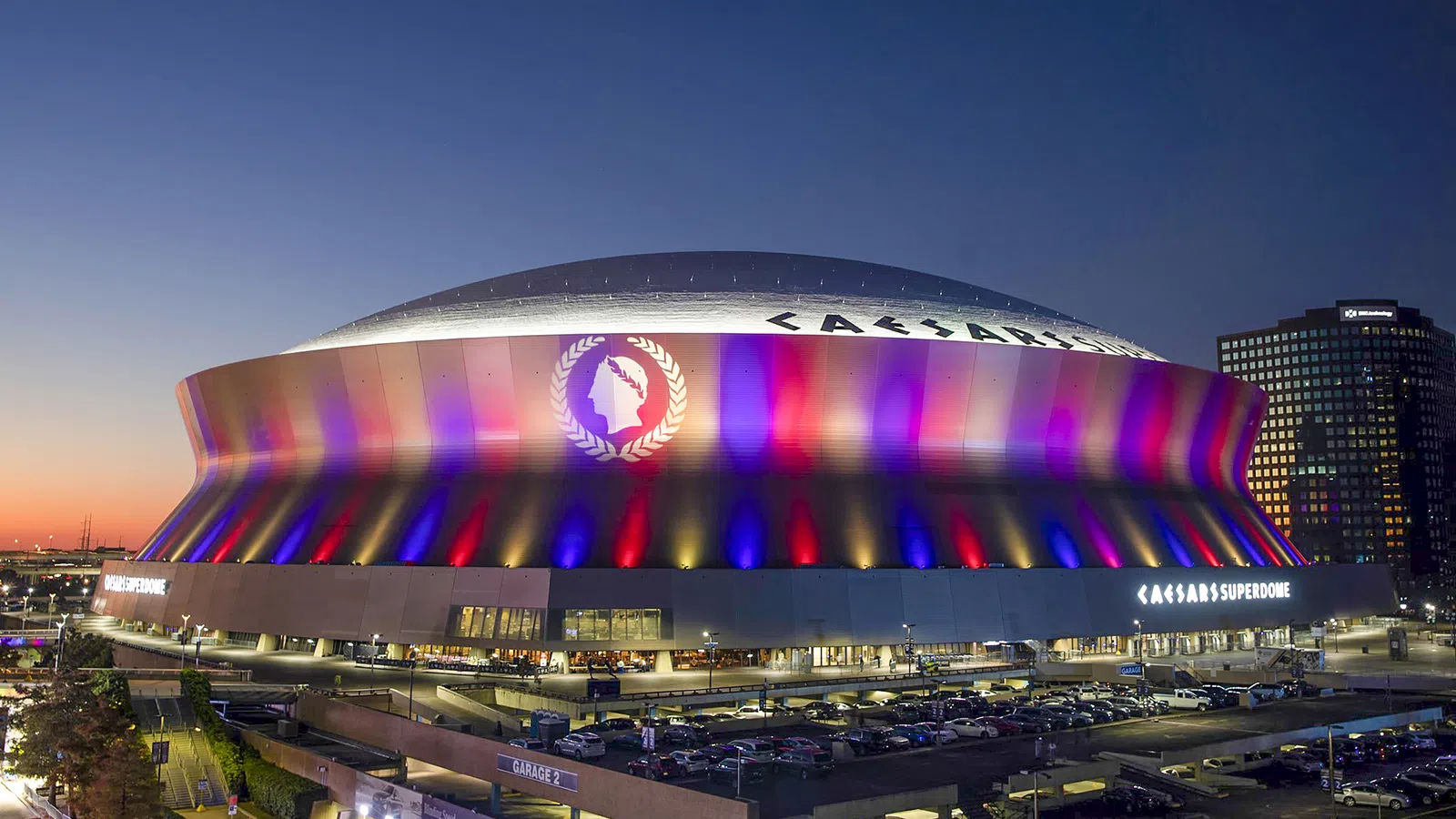
As we all know, the annual Sugar Bowl game gradually became increasingly important, sometimes even hosting the National Championship. Even today, it stands as one of six rotating bowl games in the college playoffs, with its permanent home inside Caesars Superdome.
We certainly love our football—and our sugar even more so. Perhaps it has been taken for granted, much like air conditioning, fresh water, or the roofs over our heads. It's hard to imagine just how groundbreaking its discovery, and eventual refinement, was perceived at the time. We all know how its hypothetical omission from public life would present a vastly different world. Even the laboratory-conceived sugar substitutes, such as saccharin, aspartame, and sucralose, that we rely on and love— and sometimes worry about—owe their very existence to visionary scientists who followed in the footsteps of Morin and Rillieux. Each one of these innovators have conditioned us to crave refreshments that satisfy the human "sweet tooth." As far as we're concerned, we wouldn't have it any other way.