The Life of a Sheauxgirl
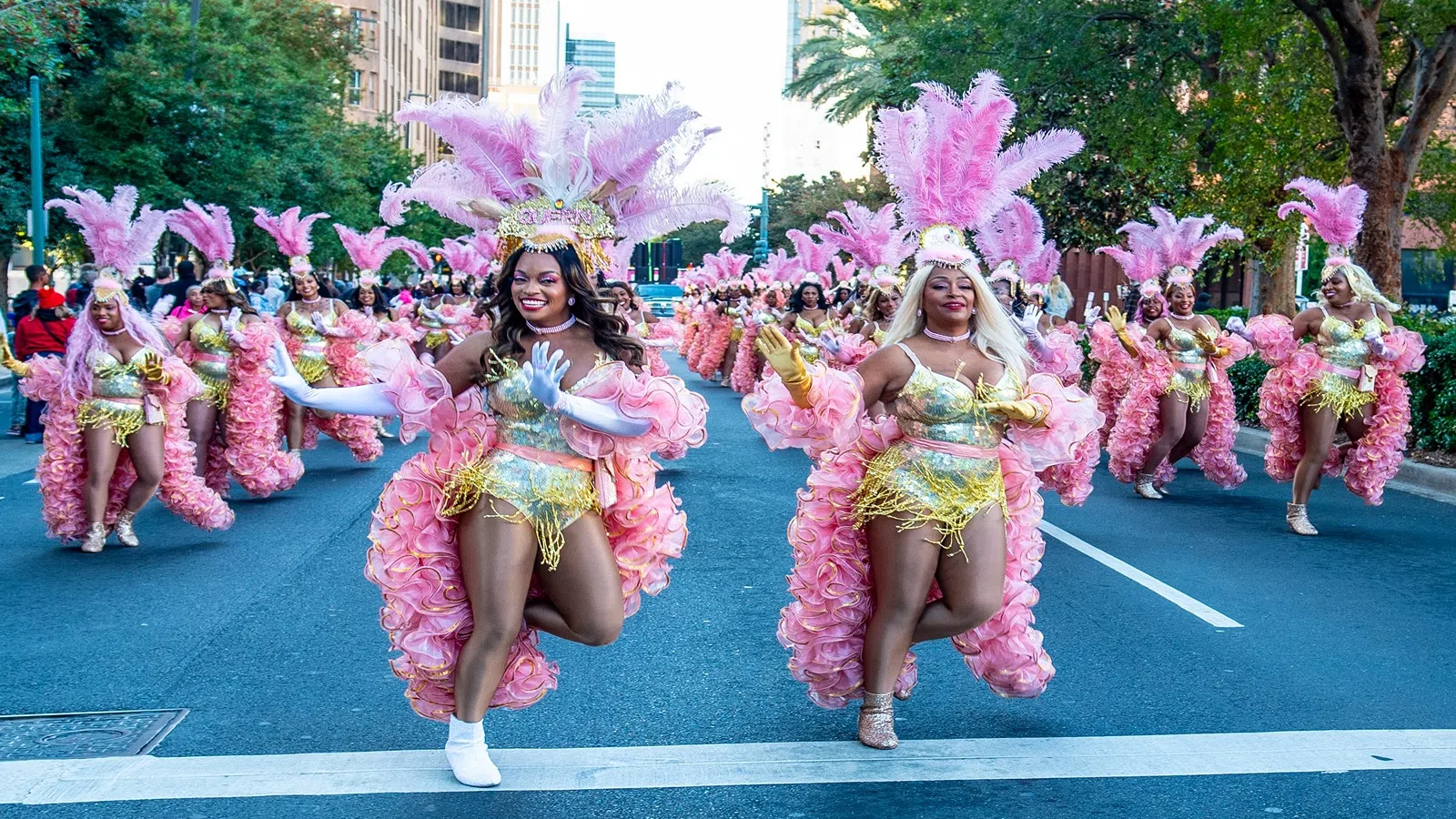
When Jayda Atkinson and Kourtenay Roberts co-founded the NOLA Lolas, they wanted an organization filled with sisterhood, philanthropy, and social events, but they also wanted to give ladies the opportunity to bring glamour to the streets of New Orleans.
Founded in 2023, the NOLA Lolas are one of the newest Carnival parade dance teams, inspired by dozens of others before them.
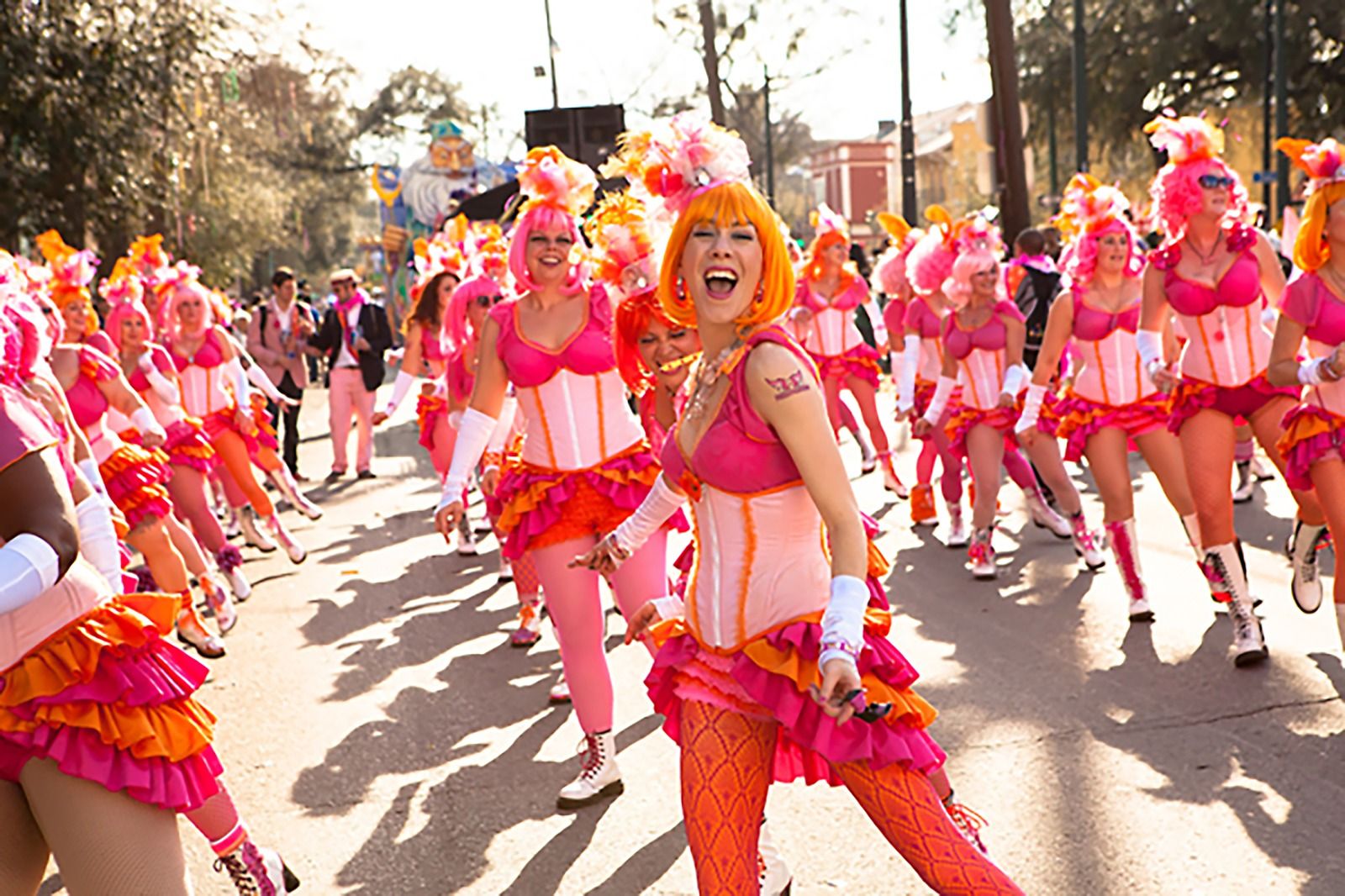
The Pussyfooters were, by all accounts, the original Mardi Gras dancing krewe, circa 2001. Since then, multiple teams have followed with many personas and themes, with squads ranging from 15 to 300 members. The effort that goes into making these groups look cohesive in both costumes and choreography is often lost on the general public. Many teams start practicing for parade season as early as April the previous year with rehearsals weekly or twice a week, many outside on tracks in parks to simulate the moving parades. It's harder than one would think to make a left hand turn while staying in equal lines.
There are a lot of things that can go wrong on the parade route, and logistics and planning committees work diligently to try to figure out how to best prepare for potholes, beads, manure, and injury. Still, there's always the element of surprise, and teams have to adapt year after year to integrate what they've learned through trial and error into future years' handbooks. For example, LaMinda Pilie, the PR chairperson for the Pussyfooters, pointed out an important mantra, "Boots Before Corset," because it's virtually impossible for a dancer to bend over to put on her boots after her corset is already tightened. They have also had to use duck tape in lieu of a broken zipper and on a shoe sole that failed mid-route.
Costume and wardrobe malfunctions are something every krewe has had to deal with and find solutions for. Did you know that most parade dance troupes cut the toes out of their fishnets? It eliminates toe curling and bleeding. Many groups have a different marching shoe from their performance shoe. Deodorant can eliminate thigh chafing. Sequins will always stick to other sequins. Feathers that have been rained on can be blow-dried back into their origin status.
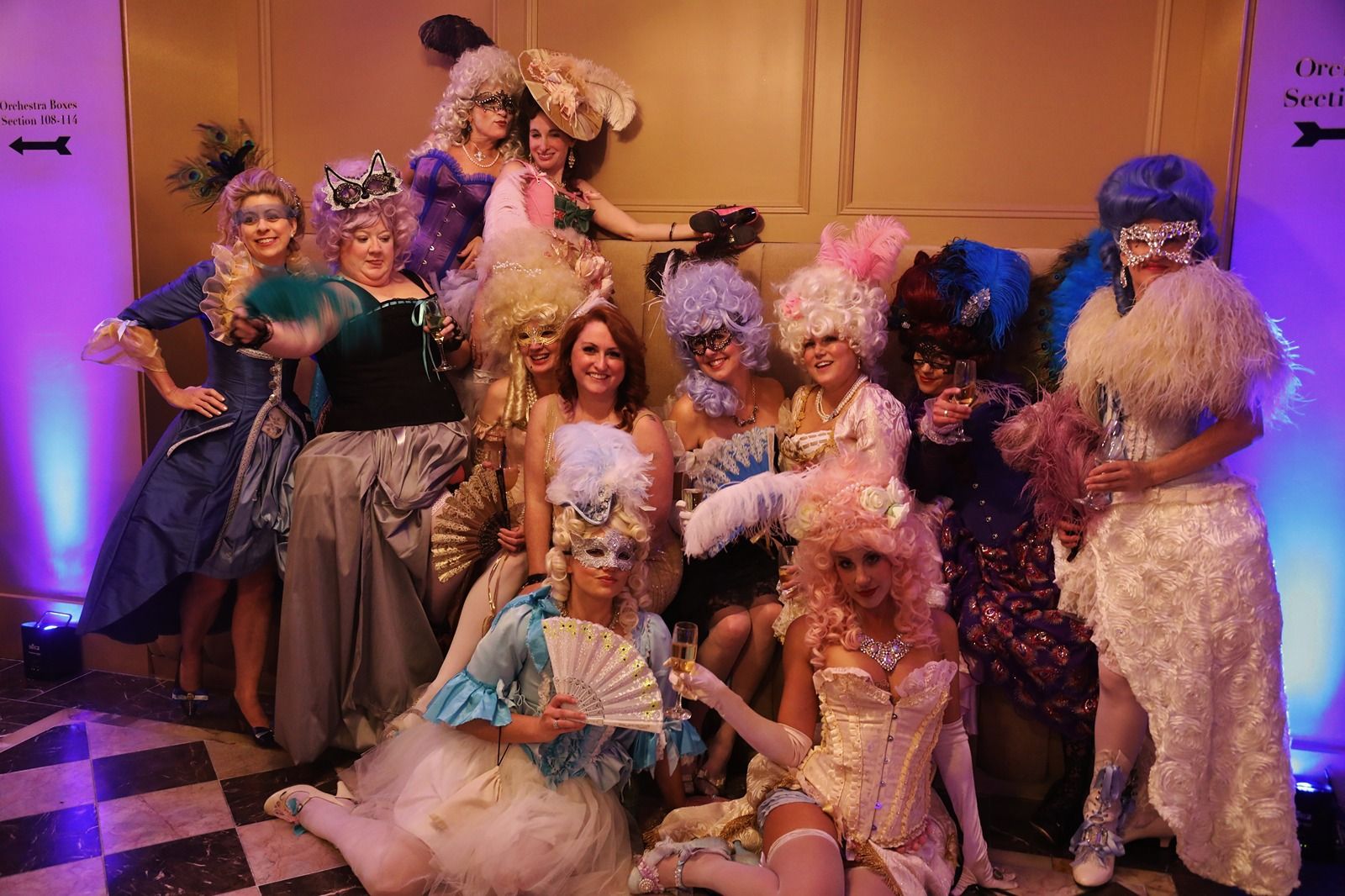
The Merry Antoinettes, who arguably have some of the most elaborate costumes, will often make skirts out of shower curtains or embellish umbrellas in order to make their costumes as rain-functional as they are beautiful and special, according to Co-Captain and Co-Founder Caroline Mendez. She also pointed out the phenomenon mentioned by many, the wind tunnel on the approach to the grandstands, where groups have to hold on tight to any headpieces to avoid being blown through the streets. Picture Dance Moms but with New Orleanian grown ups.
Challenges & Safety
Costume malfunctions are especially sad because of the time and money that goes into these looks. Most of these costumes have multiple pieces, accessories, and full makeup included. Jayda Atkinson described a parade she was to dance in where her flight back home was delayed. Fearing the dreaded "parade run," where a dancer has to run in costume to catch up with her krewe, she ended up boarding her flight in full Nola Lola costume with a coat on top. "The five-foot bustle was hanging out of the overhead compartment," Atkinson laughed. Clearly, the show must go on.
The Lolas know how important it is for ladies to look and feel as glamorous as possible. "These ladies, a lot of them are shy," Atkinson said. "This is their opportunity to put on a different persona and look and feel their best." Many shock their friends and families by going so far out of their comfort zones.
The Merry Antoinettes will often make new costumes each year, each completely unique, matching the theme of whatever parade they are participating in. Mendez said, "We are planning, sewing, and assembling brand new costumes every year, as well as resetting wigs that got tousled about in our revelry." They also work extremely hard on handmade throws, but several hundred throws is a year-long project in and of itself. They also hand out actual pieces of cake, so that requires even more coordination.
What's the biggest challenge? Atkinson laughed and answered, "Keeping over 100 ladies organized," which many of the groups emphasized. This isn't a hobby. It's work, and work is an understatement. The average parade route is between four to seven miles. That's a lot when you consider these teams are dancing much of the time, even more when you consider the possibility of injury and of an overzealous crowd trying to approach. Many krewes have medically trained support volunteers, such as the Pussyfooters, who have members take a "Stop the Bleed" class and CPR training.
"During my very first parade experience, my son was a student in high school, and as we marched by, he stepped in to give me a quick hug," Pilie said. "Our handlers didn't know who he was and stepped in to make sure I was okay. They are always watching out for us and keeping us safe."
The Lolas take that care off of the parade route, as well. According to Atkinson, the single most important thing for the membership is "making sure everyone's okay and that people's hearts are good in their regular lives." The next time you cheer for your favorite team and admire their persisting smiles, you'll have a better understanding of what they've gone through to get to you on the route.