The Hunger Games
A difficult reservation is usually a compliment, not a criticism. Sometimes, national acclaim creates a rush overnight. Sometimes, there are simply more interested diners than chairs. Other times, New Orleans turns the pursuit of lunch into a tradition all its own.
So what makes a table one of the city's most searched in 2026? Is it the restaurant that wins a major award, the dining room with only a handful of seats, the holiday experience that requires months of planning, or the brand-new place everyone wants to visit before the rest of the country notices? In New Orleans, the answer may be all four.
The clearest example of award-driven demand is Emeril's. The flagship restaurant earned two Michelin stars in the inaugural Michelin Guide to the American South, with E.J. Lagasse becoming the youngest chef ever to lead a two-star kitchen. The honor did more than add another plaque to the wall. It placed a familiar New Orleans name into a new level of international conversation.
Other tables are difficult because scarcity is built into the experience. Saint-Germain serves an evolving 10-course tasting menu, and the meal lasts approximately two and a half hours. A small room, limited service nights, and a lengthy tasting format means the restaurant cannot simply squeeze in another turn of the tables.
Mosquito Supper Club offers another version of scarcity, with communal meals that make dinner feel part restaurant, part gathering. The intimacy is central to the experience, but it also means there are only so many places at the table.
Then there are reservations that have less to do with technology than tradition.
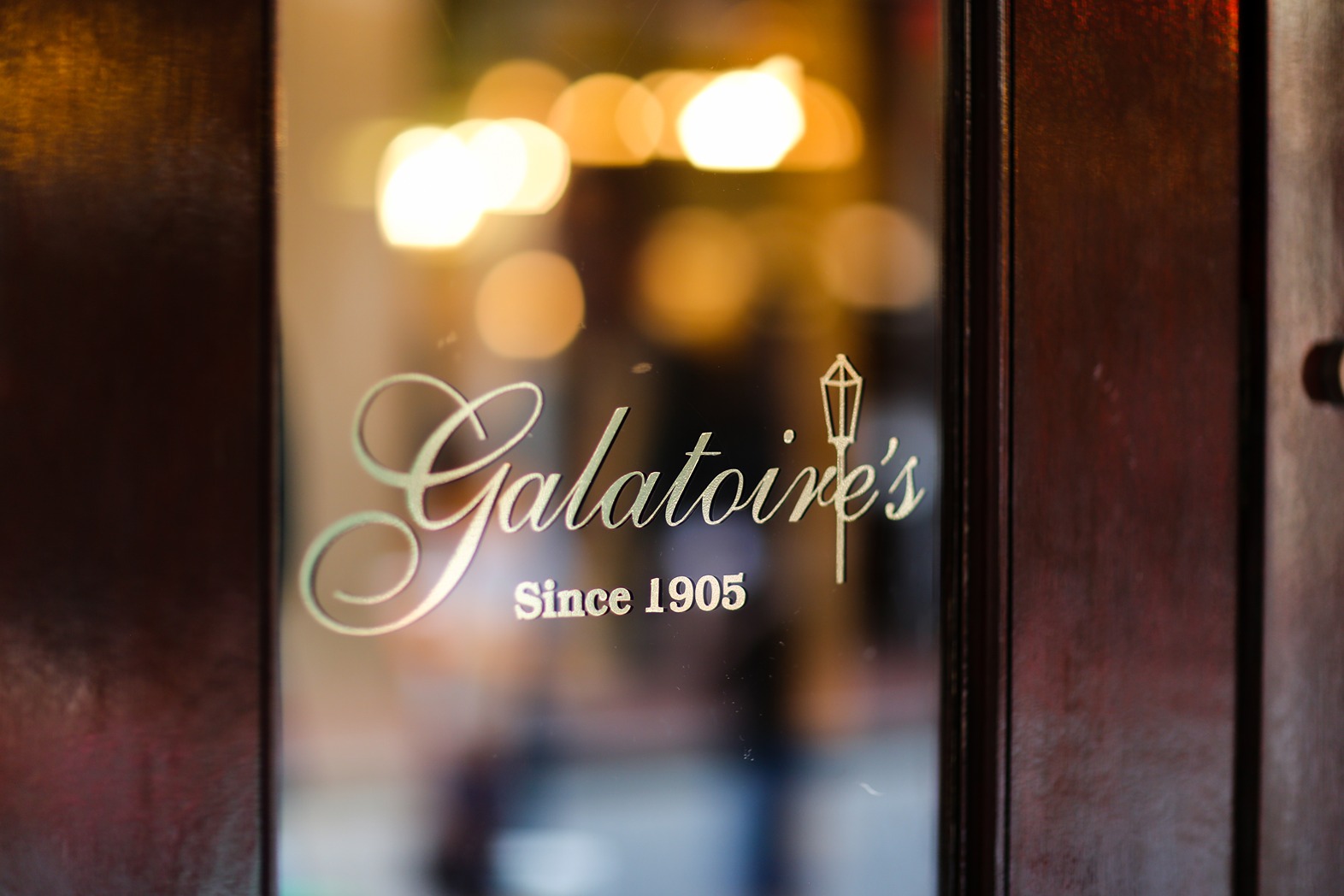
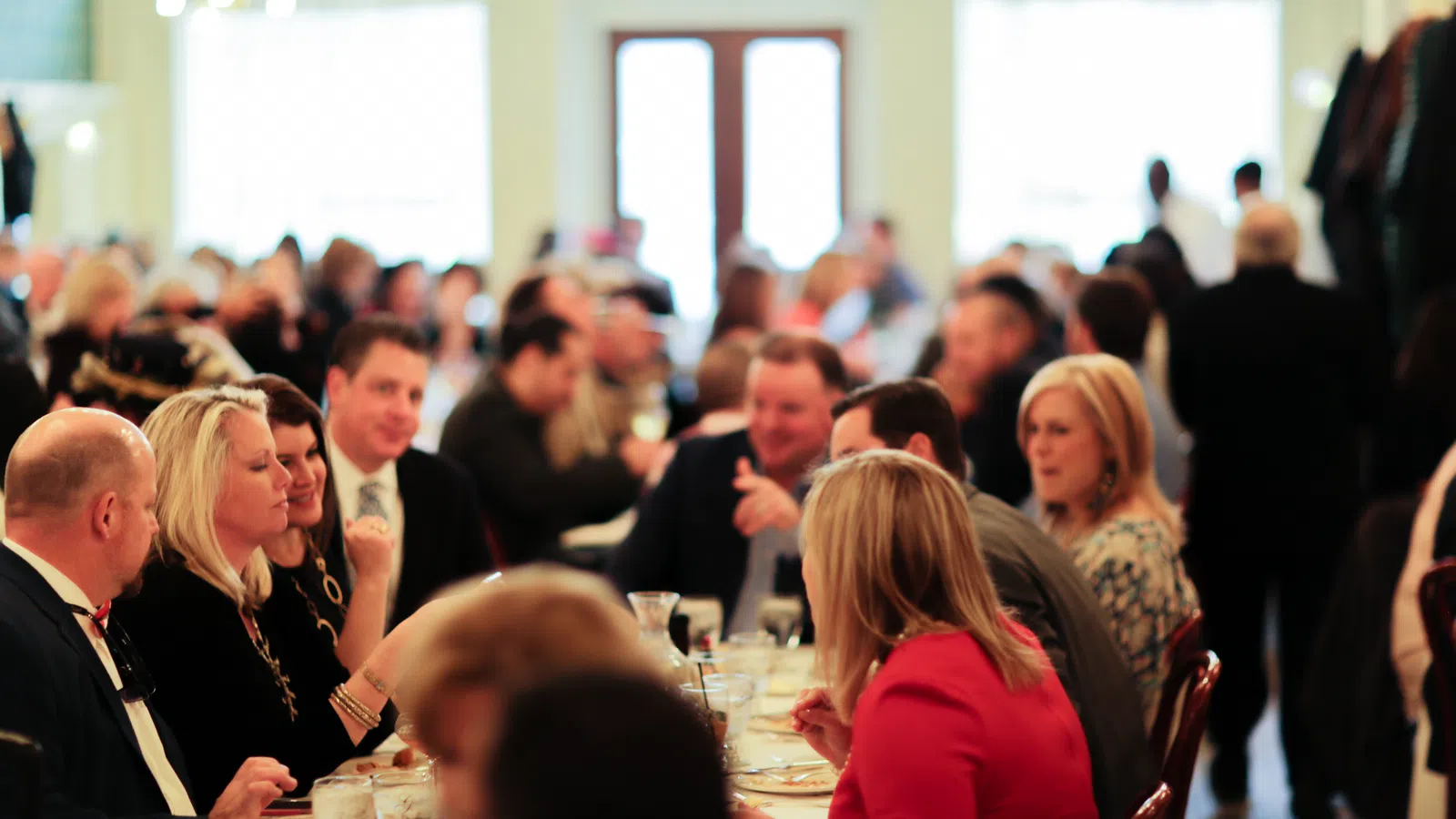
Galatoire's Friday lunch has long been treated as both a meal and a competitive New Orleans ritual. The restaurant now accepts reservations for its downstairs dining rooms, but the Fridays before Christmas and Mardi Gras remain coveted enough to inspire charitable table auctions. In December 2025, bidders raised a record $187,500 for local nonprofits while competing for tables at the legendary Friday-before-Christmas lunch. That is not simply dinner. It is dining as a spectator sport.
Local artist Julianne Lagniappe first worked as a Galatoire's line-sitter while attending the University of New Orleans after Hurricane Katrina. A neighbor near her college apartment asked her to hold a place for Friday lunch, so Lagniappe arrived on Bourbon Street around 9 a.m. Shortly afterward, the maître d' emerged to record the diners' names and party sizes.
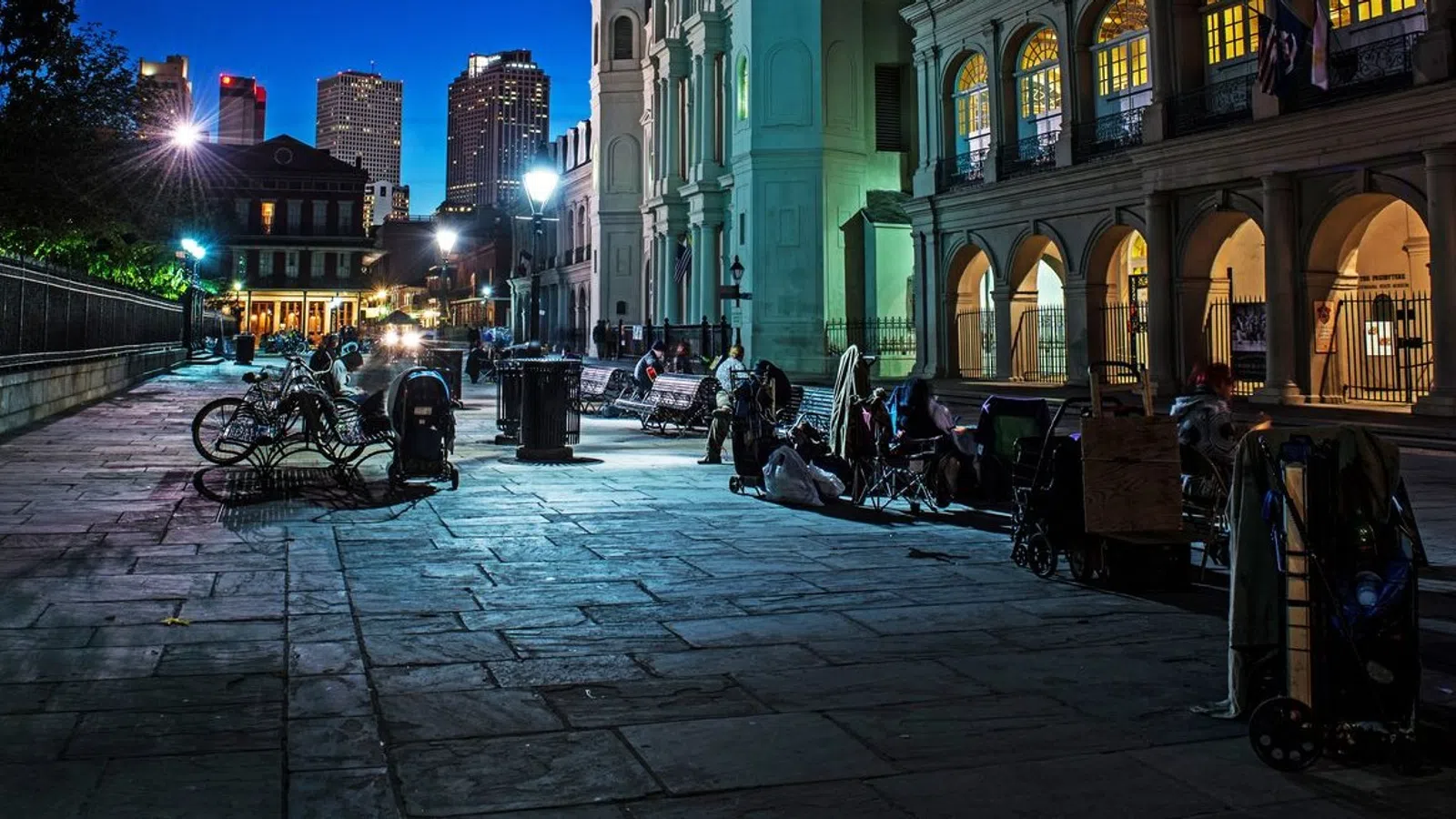
The regular line-sitters quickly welcomed her into their unofficial club. They kept folding lawn chairs nearby, always seemed to find an extra seat for a newcomer, and passed the wait with a round of daiquiris while Bourbon Street woke up around them. From their chairs, they watched visiting youth groups in matching T-shirts dodge the morning cleanup crews and stare wide-eyed at the still-dark neon signs.
Lagniappe also remembers a neighboring adult shop playing an oddly practical role in the system. Because Galatoire's did not accept traditional reservations for the Friday-lunch ritual, callers looking for help could be directed next door, where someone kept contact information for regular line-sitters and, according to Lagniappe, even stored some of their folding chairs.
Because UNO held classes only Monday through Thursday at the time, Friday mornings became an ideal side job. Lagniappe generally earned $10 to $20 per diner, which could amount to anywhere from $40 to $200 for a few hours of waiting.
"One time, I bumped into my third-grade teacher and my elementary school principal while they were paying one of my colleagues," Lagniappe said. "That's how you know this is a true story."
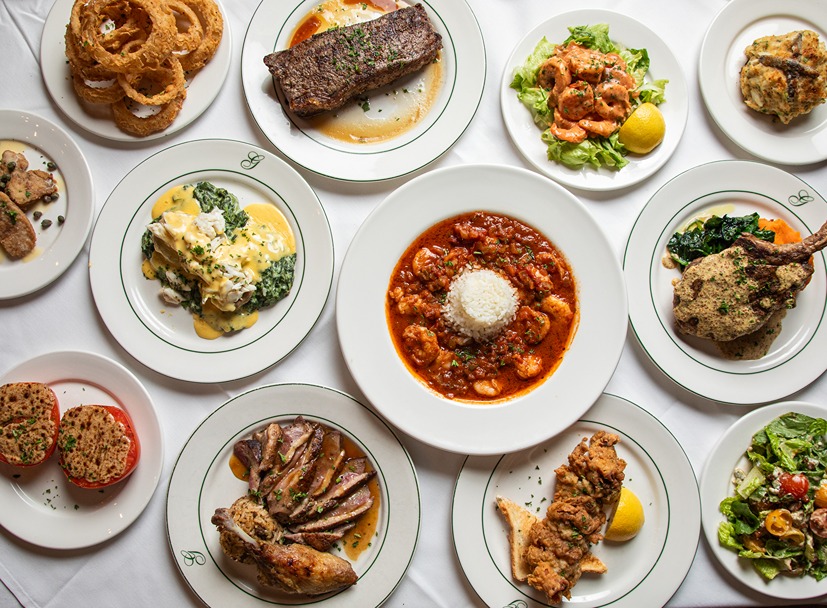
Mardi Gras lunch creates another kind of "hunger games." Ellen Miller made a tradition of setting an alarm exactly 30 days before Mardi Gras Day to reserve a 2 p.m. table for four at Justine on Royal Street, where her group could eat while still watching the street scene outside. When Justine closed in 2025, they chose The Italian Barrel instead.
Miller assumed its reservations would also open 30 days ahead, only to discover the restaurant had already been accepting bookings for 60 days. She still secured the group's traditional 2 p.m. table, and The Italian Barrel became their new Mardi Gras destination. Miller says her alarm is already set for the right date in December.
The smartest strategy depends on the kind of table. For award-winning restaurants, book as soon as the reservation window opens and consider lunch, weeknights, or earlier seatings. For tiny tasting rooms, join cancellation lists and follow the restaurant directly. For holiday events, mark the previous year's announcement date and begin checking before the season starts. For
New Orleans institutions, remember that picking up the phone can still work better than refreshing an app.
The city's hardest table may not serve everyone's favorite meal. Scarcity can be created by acclaim, size, scheduling, tradition, or simple curiosity; however, the chase reveals something New Orleanians already know: A meal can begin long before the first course arrives. Sometimes it begins with an alarm, a waitlist, a well-connected friend, or a willingness to fight for the reservation before the odds are ever in your favor.