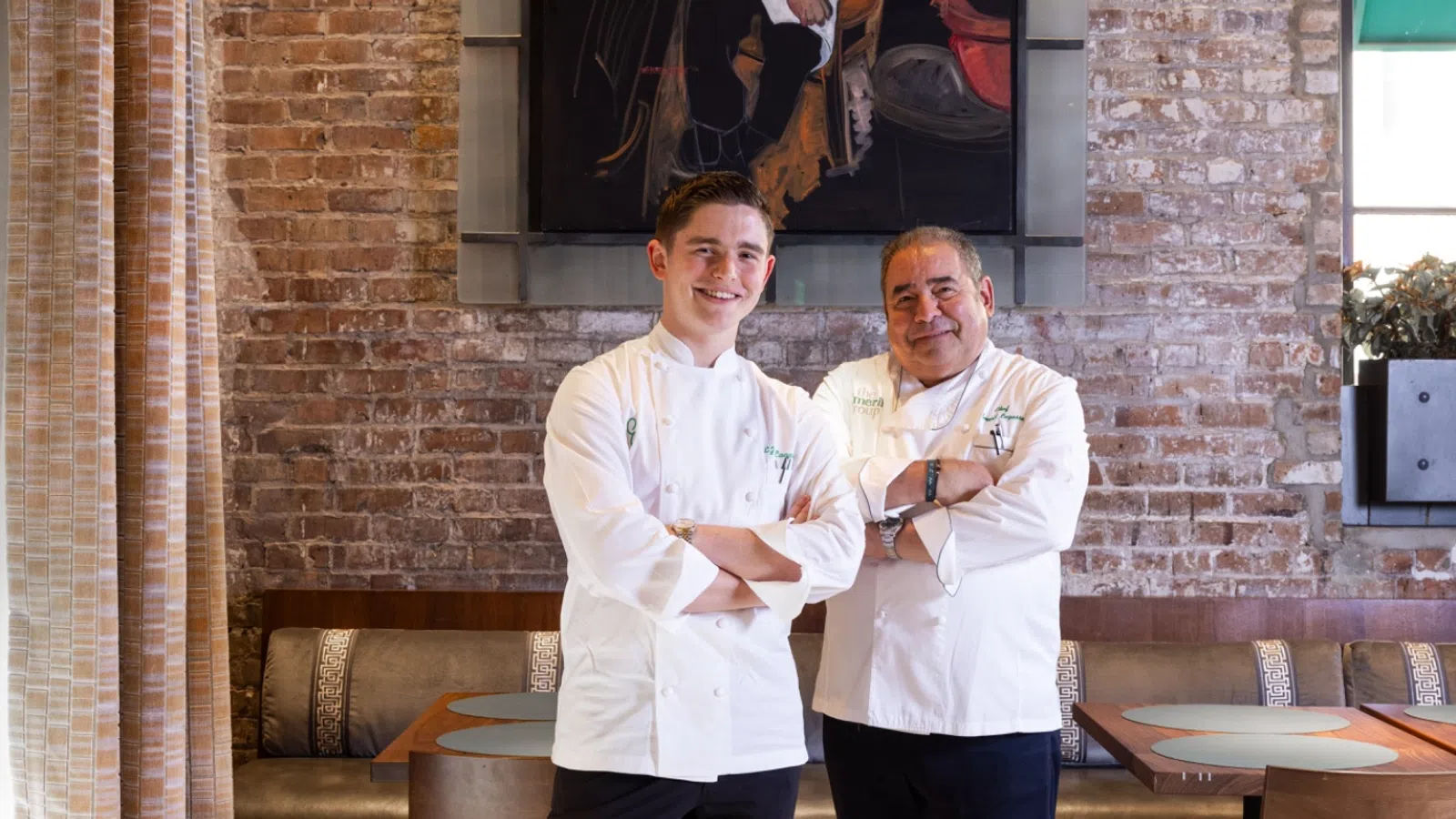
Passing the Baton
In New Orleans, food has always been more than something that lands on a plate. It is a tradition. It is family. It is stories passed down through generations, often told around a kitchen table or over a simmering pot of gumbo.
Few families embody that spirit more than the Lagasses. For more than three decades, the Lagasse name has been part of the city's culinary fabric. For decades, Chef Emeril Lagasse has been one of the most recognizable figures in American cuisine and a defining voice in New Orleans dining. Now his son, E.J. Lagasse, is stepping forward, continuing a culinary legacy rooted in mentorship, curiosity, and a deep love for the city they both call home.
For E.J., that journey started early, long before professional kitchens or culinary school. "We did a lot of cooking together when I was younger," E.J. said. "There are some very early pictures of me peeling carrots, sitting on the countertop while Dad was making dinner. Food always brought us closer together."
Growing up around restaurants meant kitchens and dining rooms were simply part of everyday life. "As I started working in the restaurants with him, that was a whole different side of it," he said. "But food has always been instrumental for us."
For Emeril, the moment when his son might follow in his footsteps did not happen overnight. It unfolded naturally as E.J. spent more time around the business. "He grew up in it," Emeril explained. "He would work the front, talk with guests, tell people what they should eat or what the specials were, but he always gravitated back to the kitchen."
One particular memory stands out. During a tasting menu experience, the family shared a meal that would quietly shape E.J.'s future. "After tasting this duck dish, he turned to his mom and me and said, 'I think I figured out what I want to do. I want to be a chef,'" Emeril recalled.
From there, E.J.'s culinary journey expanded well beyond New Orleans. He trained in demanding kitchens, including time with Chef Eric Ripert at Le Bernardin in New York, followed by culinary school at Johnson & Wales University and additional experience abroad in London and Sweden. "You eventually have to leave the nest," Emeril said.
Those experiences helped shape E.J. not only as a cook but as a leader. Something that continues to inspire him, he said, is watching his father's approach to the craft even after decades in the industry. "Something that inspires me every day about Dad is the way he's always conducted himself in the kitchen," E.J. said. "He's such a wealth of knowledge, not just about cooking but about the business."
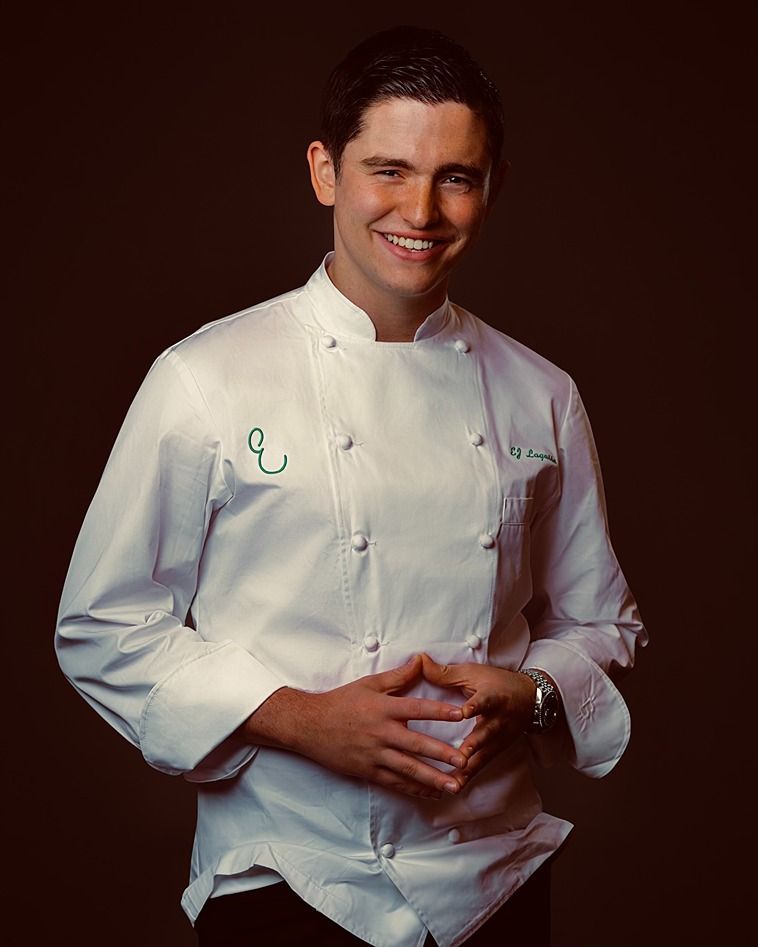
However, it is his father's curiosity that stands out most. "Even after doing this for so many years, he still comes in wanting to learn something new," E.J. said. "I hope that, as my career goes on, I can keep that same curiosity."
Today, father and son work closely together, continuing to shape the next chapter of Emeril's Restaurant's story. "We work really well together because we're good listeners," Emeril said. "I'm not going to say we never disagree, but it's rare. When we do, we talk it through. These days, I'm here more as the coach and mentor."
For E.J., having that guidance close by is invaluable. "One of the greatest parts of working together is being able to walk across the kitchen or into the office and ask for advice from someone who's seen so much," E.J. said.
"There's such tremendous respect for the foundational cuisine of this city."
Certain dishes, he explained, are essential. "You can't come to a New Orleans restaurant without things like gumbo or trout amandine on the menu."
For Emeril, arriving in New Orleans in the early 1980s opened a new world of culinary inspiration. "I never disrespected the tradition here," he said. "I always embraced it." Once you understand the classic dishes such as gumbo, jambalaya, or trout amandine, he explained, you can begin layering your own perspective onto that foundation.
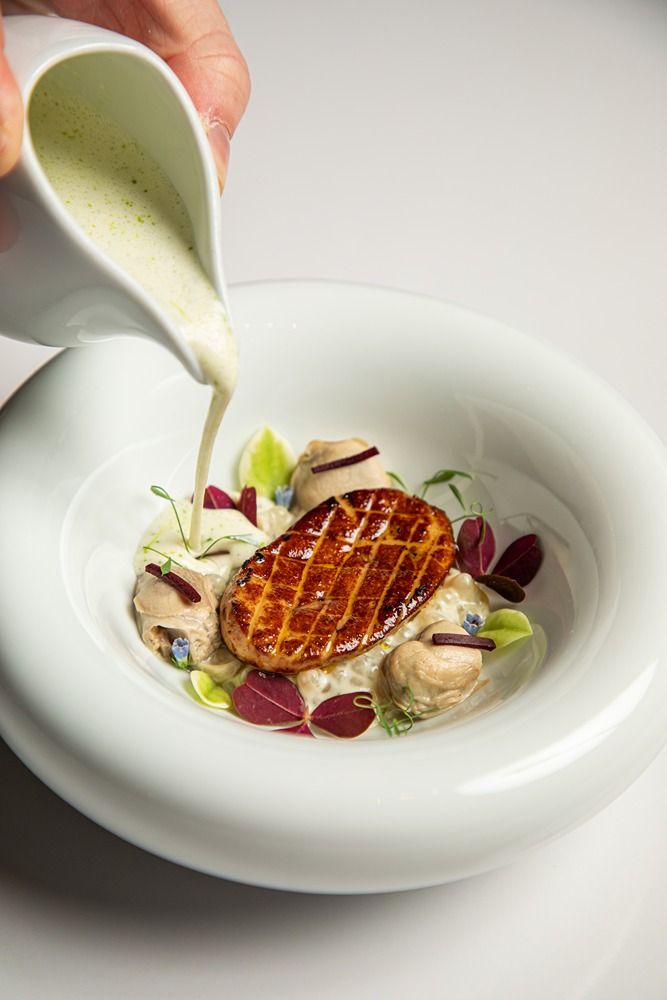
Today, that blend of tradition and innovation continues to define their approach to cooking and hospitality. It also shapes how Emeril thinks about fatherhood and mentorship. "I think you have to let them be free and decide what direction they want to go in," he said. "But I'm always a big believer in mentors. You need someone you can look up to and learn from."
For the Lagasses, that philosophy reflects a larger truth about family and the culture of New Orleans itself. "Family plays such a crucial role in the fabric of this city," E.J. said. "You see so many family businesses here that have been around for decades."
The Lagasse name has now been part of that culinary fabric for more than 36 years and they hope it will continue for many more. When asked what "passing the baton" means to him, Emeril said the answer comes down to watching the next generation take ownership of the craft. "For me, passing the baton means knowing it's in good hands," Emeril said. "Seeing the passion and dedication he has for the craft makes me incredibly proud."
For E.J., carrying that legacy forward is both an honor and a responsibility. "It's the privilege of a lifetime to do this in New Orleans," he said. "But the greatest privilege of all is being able to do it together."