The Soul of the Shell
Down in the deep Gulf South, we don't just shuck oysters, we celebrate them.
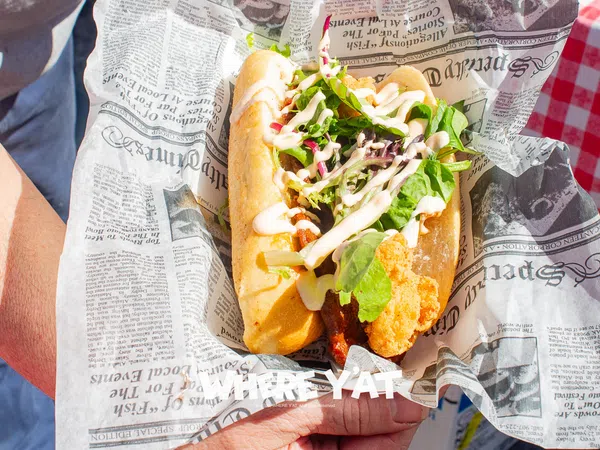
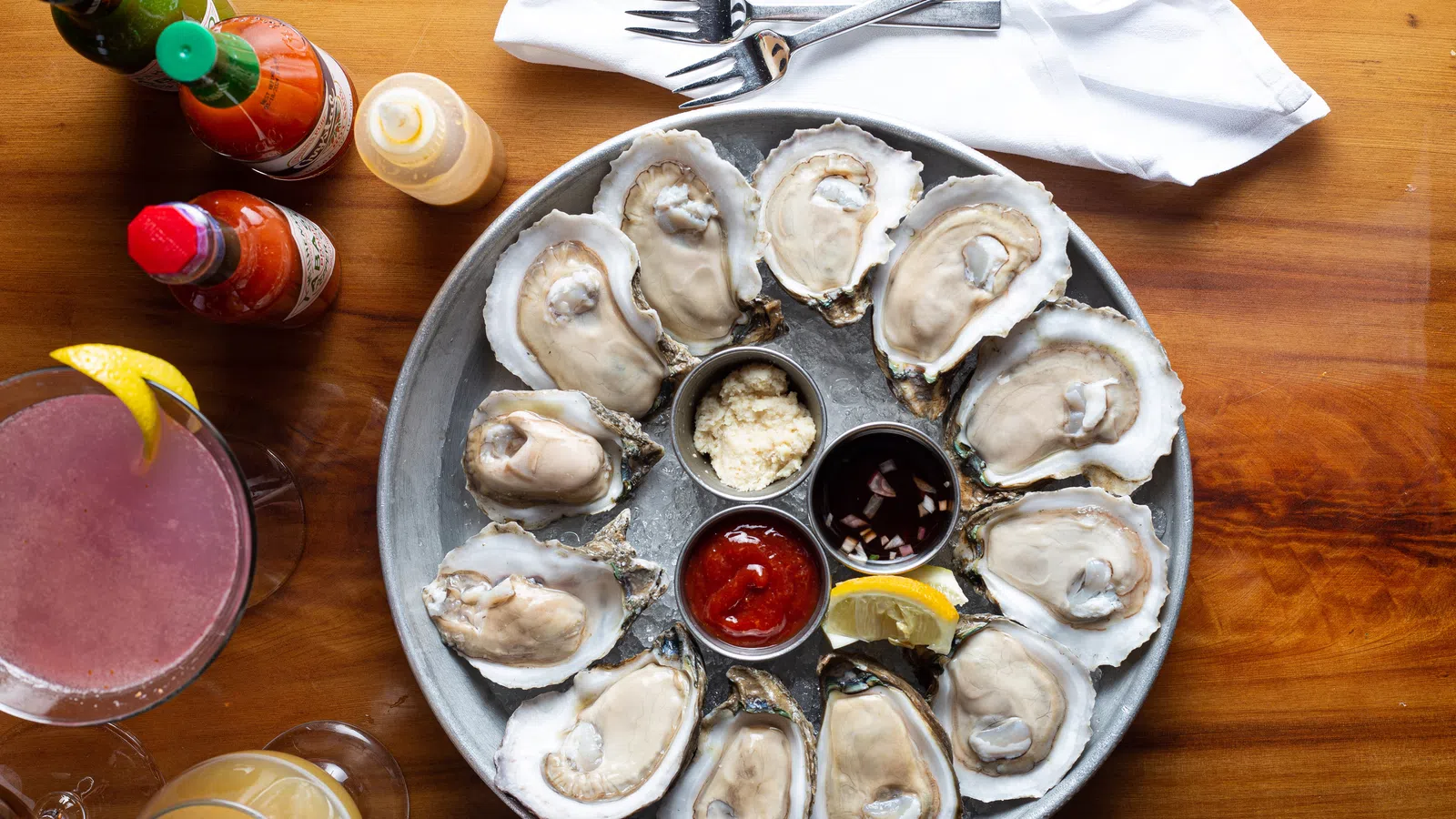
Here in Louisiana, finding, prepping, and cooking shellfish is the way of life for many, while enjoying them is the way of life for most. Oysters are no different. Whether they're sliding fresh off the half shell, sizzling under a blanket of butter and breadcrumbs, or dressed up and tucked into a po-boy, these briny beauties reign supreme at everything from backyard boils to white-linen dinners.
The Gulf oyster has become a salty symbol of pride, pleasure, and pure Louisiana joy. While beloved by locals, this love isn't just local. Oysters have been enjoyed around the globe for centuries, creating a worldwide legacy.
From Survival to Delicacy
Oysters have been a part of the human diet for over 160,000 years, making them one of the oldest known foods consumed by people across the globe. Archaeological discoveries of ancient oyster shells on nearly every continent reveal that early coastal communities relied on oysters as a dependable, nutrient-rich food source that was easy to harvest by hand. As civilizations developed, oysters evolved from a survival sustenance to a prized delicacy.
The ancient Romans were among the first to cultivate oysters, building sophisticated farming systems and transporting them across their empire. The Greeks associated them with fertility and even used oyster shells in political votes. In medieval Europe, oysters remained a common food for the poor in coastal regions but gained status inland due to limited access. By the 17th through 19th centuries, oysters exploded in popularity across Europe and the Americas. It was an affordable street food and also often served in oyster saloons.
The popularity of oysters and the demand has had its ups and downs, yet it still remains as a global icon today and is loved all the way from Japan to the Gulf.
Louisiana Loves the Oyster. But Why?
Few places love oysters quite like Louisiana, especially New Orleans. But why? The love for oysters mostly stems from the geography. With fertile oyster beds all around, the state has long enjoyed a steady supply of fresh, flavorful oysters; however, it's more than just proximity to the Gulf's oyster beds. Access alone doesn't explain the passion.
When it comes to this region, oysters can be seen as a celebration of heritage and community, but they are also downright delicious. During the early days, Native Americans harvested the briny gems, while spice and soul were added later by the French, Spanish, and Creoles. One group who truly made a lasting impact towards Louisiana's love of oysters were Croatian immigrants, who have been coming to the area from primarily the Dalmatia region of Croatia since before the Civil War and who have made significant contributions to the state's oyster industry.
With all of these contributions, oysters have danced their way onto plates in every form imaginable in Louisiana. Whether freshly shucked at a lively neighborhood joint or stacked high in a crispy po-boy, oysters have been the life of the party for a very long time.
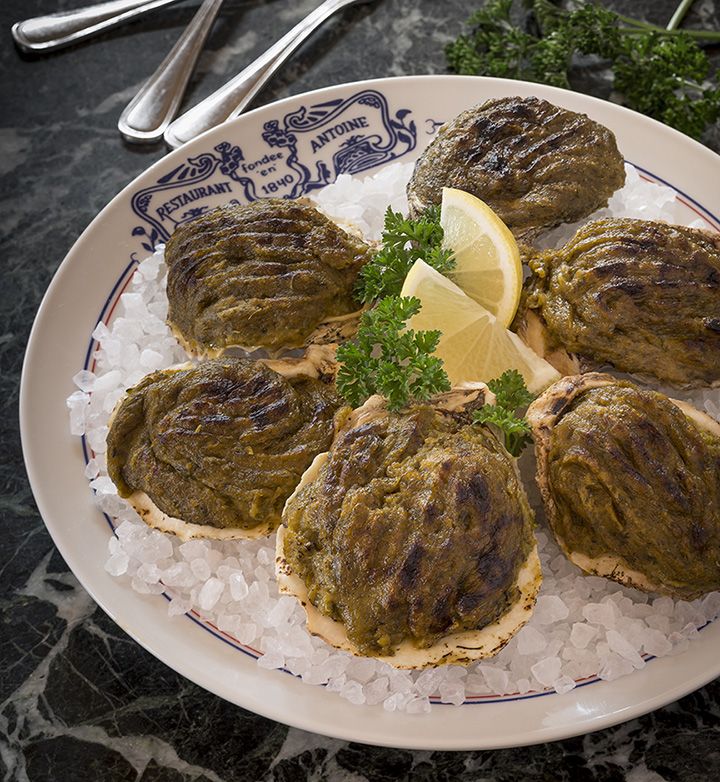
Louisiana's oyster game is a blend of tradition and innovation. Take the legendary Oysters Rockefeller, created in 1899 by Jules Alciatore at Antoine's Restaurant. These oysters are crowned with a secret, lush, green herb sauce and broiled to golden glory. The dish was named for the famously wealthy John D. Rockefeller, because these babies are rich in flavor.
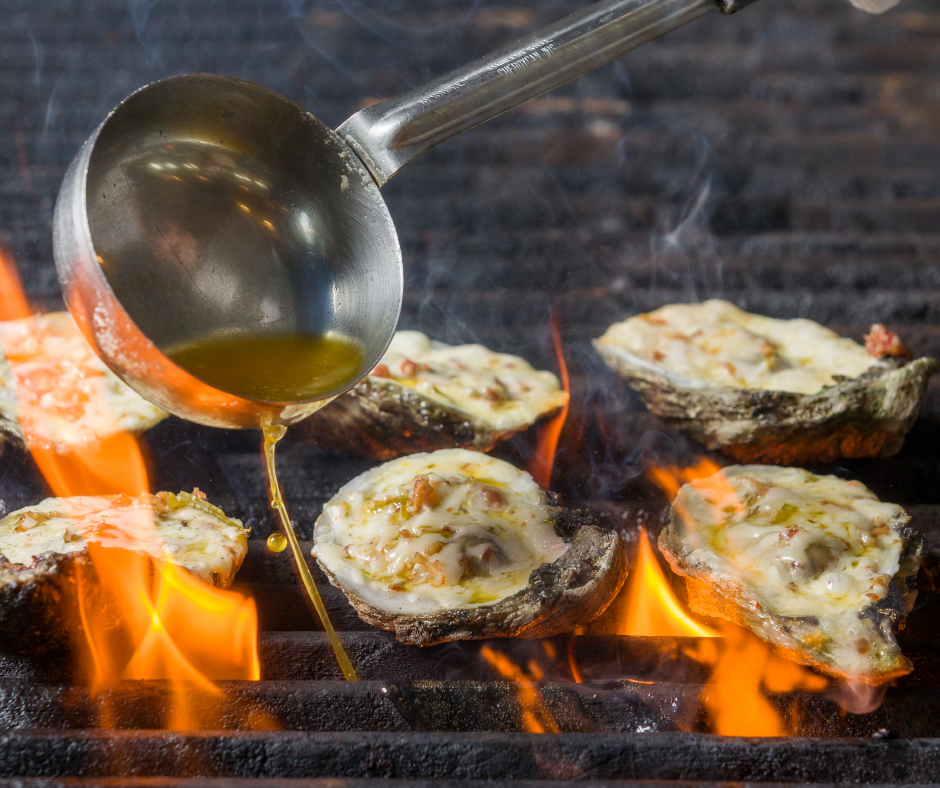
Jump ahead to the 1990s and you'll find Tommy Cvitanovich of Drago's Seafood Restaurant, who sparked a craze with his invention of charbroiled oysters. While his credit as founder has been debated by some, one must admit that Drago's is still the go-to popular choice for many when seeking the original version of that dish. The Gulf oysters, grilled in their shells and drenched in garlicky butter, herbs, and a shower of Parmesan cheese, has sizzled its way to becoming a favorite dish served at restaurants all across Greater New Orleans.
New Orleans oysters come raw and fresh, leading to several oyster shuckers reaching local fame around the city. For that fried to crispy perfection, restaurants such as Deanie's and Acme Oyster House have become popular staples. You can also find oysters baked into creamy Creole casseroles, swimming in soulful gumbo and oyster stew, and even served as shooters during happy hours. Each oyster dish tells a story, inviting everyone, locals and visitors alike, to dive into the flavors, history, and downright fun that makes Louisiana's oyster scene a true treasure.
At The Heart of The Half Shell
At the end of the day, oysters in Louisiana aren't just about what's on your plate. They connect us to the water that surrounds us and to the generations who came before. Whether you're savoring a raw oyster with a squeeze of lemon, biting into a buttery charbroiled masterpiece, or sharing a po-boy with friends on a warm afternoon, you're partaking in a tradition that's as rich and layered as the shells themselves. It's this history that keeps the oyster at the heart of Louisiana's culinary culture.
Efforts to protect and restore oyster reefs ensure that this beloved shellfish will continue to thrive for future generations to enjoy. So the next time you crack open that glistening shell, remember that you're not just eating seafood—you are enjoying and tasting a legacy. In Louisiana, oysters aren't just food, they're a way of life, and a delicious invitation to celebrate all that makes this region uniquely vibrant.