Meat of the Matter
It was common less than 100 years ago for citizens to take to the lakes and bayous to catch their dinner on a daily basis or to get locally-sourced meats at the butcher shop and it went on your "tab."
Some entrepreneurs are determined to bring locally-sourced meats and seafood to the forefront, the ramifications of which go far beyond freshness. Buying local meat instead of products shipped from factory farms or other countries is better for the community and its economy, as well as your health, the animals' welfare, and the health of our environment.
Porgy's Seafood Market & Restaurant has a mission to revive the tradition of New Orleanians purchasing locally-caught seafood brought in daily straight from the water. "The more people we're able to reach, the more we're able to help our fishers. As a business person, it sounds selfish, but as a humanitarian, the more we can move, the more we can help our fishers' livelihood. We're building a community center for Gulf seafood within these walls for as many people as we can reach," Co-Owner Caitlyn Carney said.
The cold case often holds humongous shrimp, whole fish, fish fillets, and beautiful oysters. Porgy's Seafood Market, unlike most seafood purveyors, also deals in unintentionally-caught fish called bycatch. Purchasing bycatch from their network of fishermen allows for more profit and less waste while also introducing new items to consumers. Carney explained, "Everything is brought in as a whole fish directly off of the boat. We break it down, which preserves the freshness. The different things we've been able to do with barracuda has shocked our fisherman's mind because he was never able to push it. There's a lot of folks that don't cook fish at home. They only experience fish in restaurants."
Though New Orleans is well known for seafood dishes, the art of cooking fresh seafood at home has waned in recent years. Business partner Camille Staubb is a chef by trade, and she uses her expertise to educate customers about their options and open up their minds to meals they can make at home. She said, "We do a lot of demystifying for people. One of the questions I ask when people aren't sure what they want is, 'What's your equipment at home? How do you see yourself cooking this tonight? Is it quick and easy, or do you want to take your time with it?' That question usually leads to paring down some choices. And educating them on flavor profiles. It's a conversation."
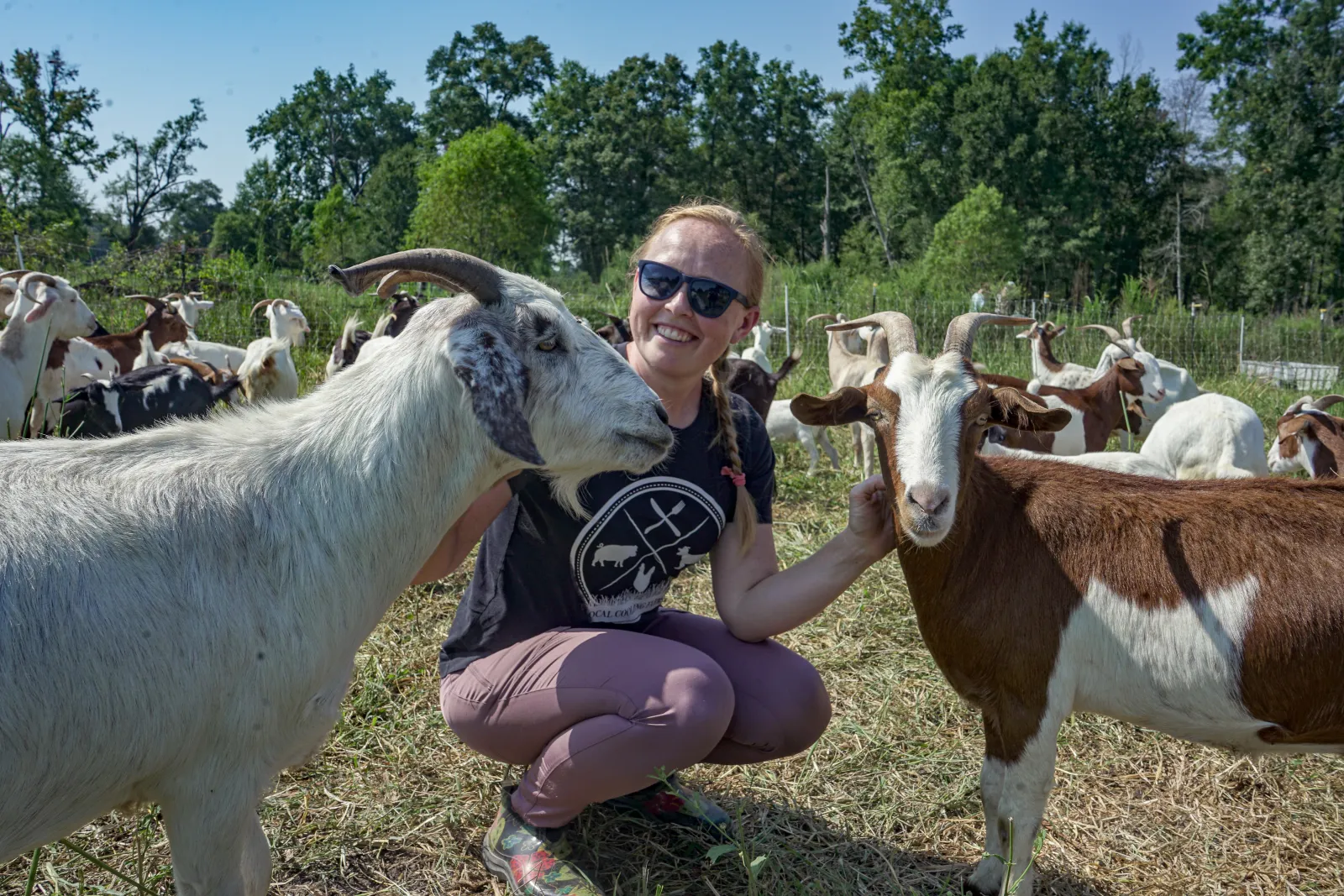
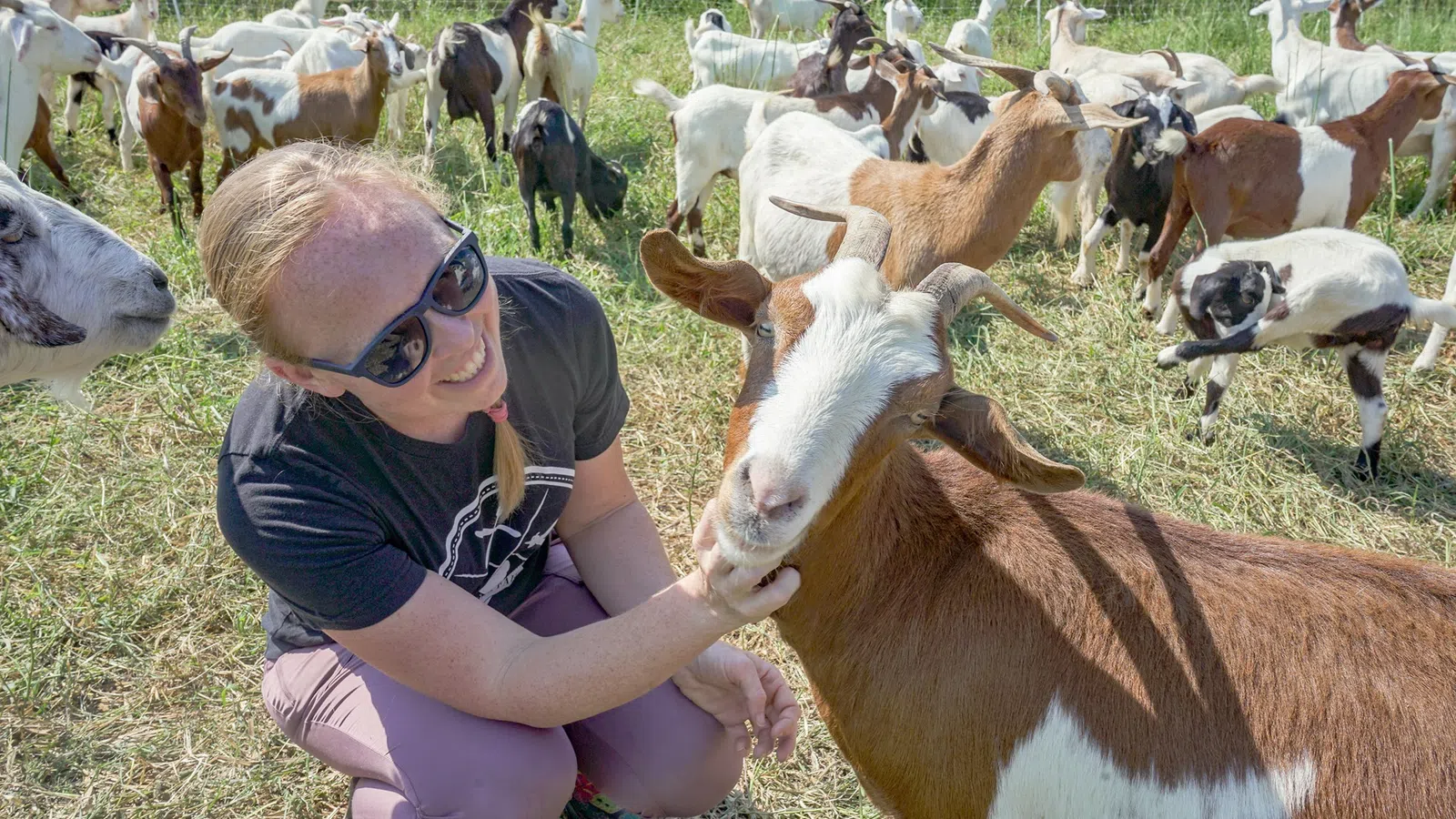
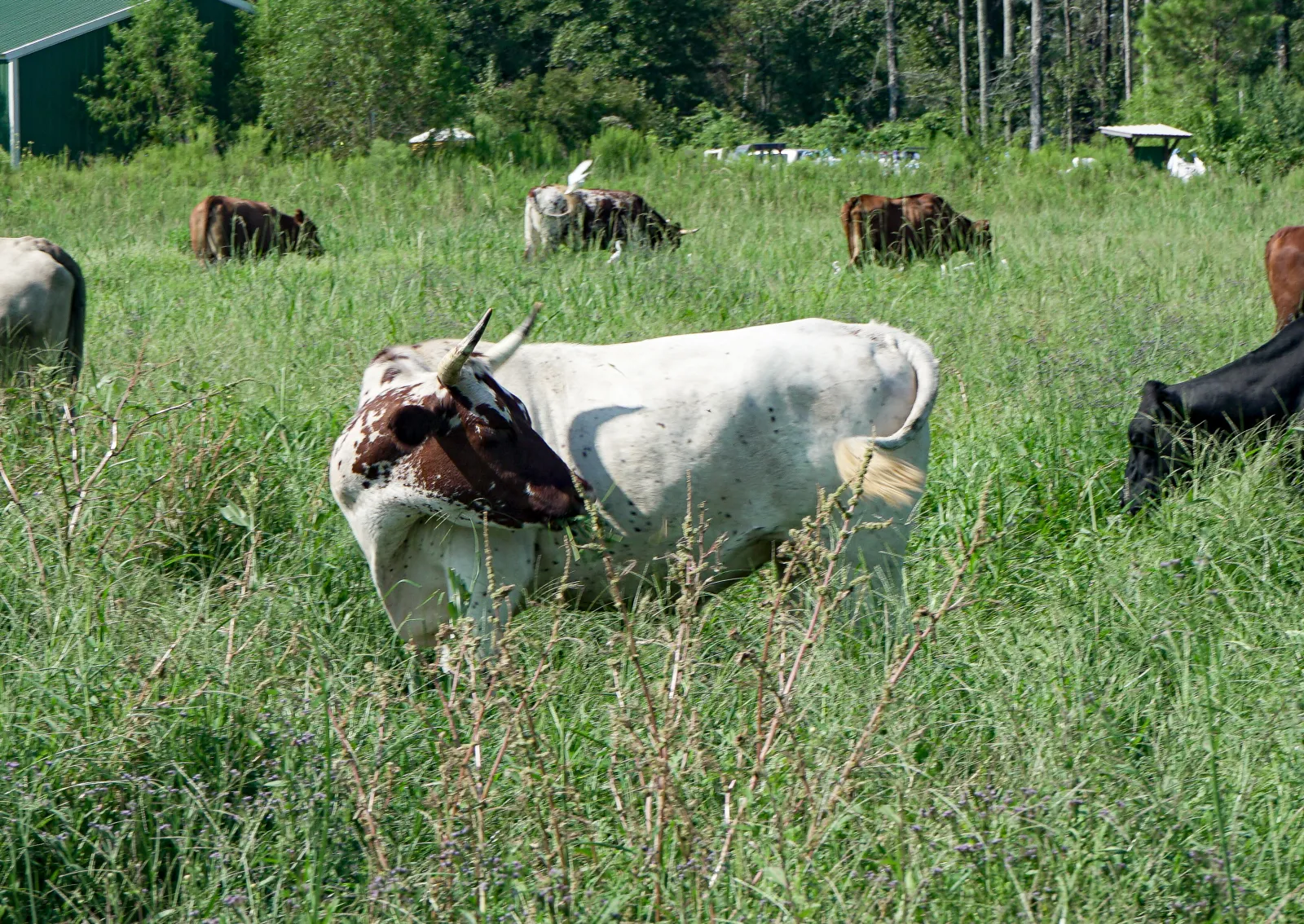
Laughing Buddha Nursery in Metairie has been supplying local-food seekers with meat, dairy, and more from a network of Louisiana farmers and ranchers since 2002. Owners Kate and Grant Estrade eventually became farmers and currently operate Local Cooling Farm on 60 acres south of Bogalusa. Herds of cattle, goats, hogs, and chickens graze in rotation around what was supposed to be a housing development after Hurricane Katrina. Kate illustrated the biodiversity that has sprung up since having animals on the land, "It was probably a pine forest a long time ago, and then it was row cropped before Katrina. Because of that, the soil was so stripped. Parts of it were rock hard. People don't realize that you can grow grass for cattle to eat and sustain all these birds and pollinators and amphibians. We had a wildlife guy come out here, and he was like, 'I'm hearing more quail than I heard in my quail research days.'"
"Grant and I read books that made us horrified by conventional meat," Kate explained about the extreme use of hormones and antibiotics on factory farm animals. "It can be very easy to feel like everything is killing me, nihilistic, and overwhelmed. We wanted a clean protein source. We were actually vegetarians at the time, temporarily. Learning about conventional farming practices and the cruelty for the sake of profit and production—it's mind blowing. That's the cost of cheap meat."
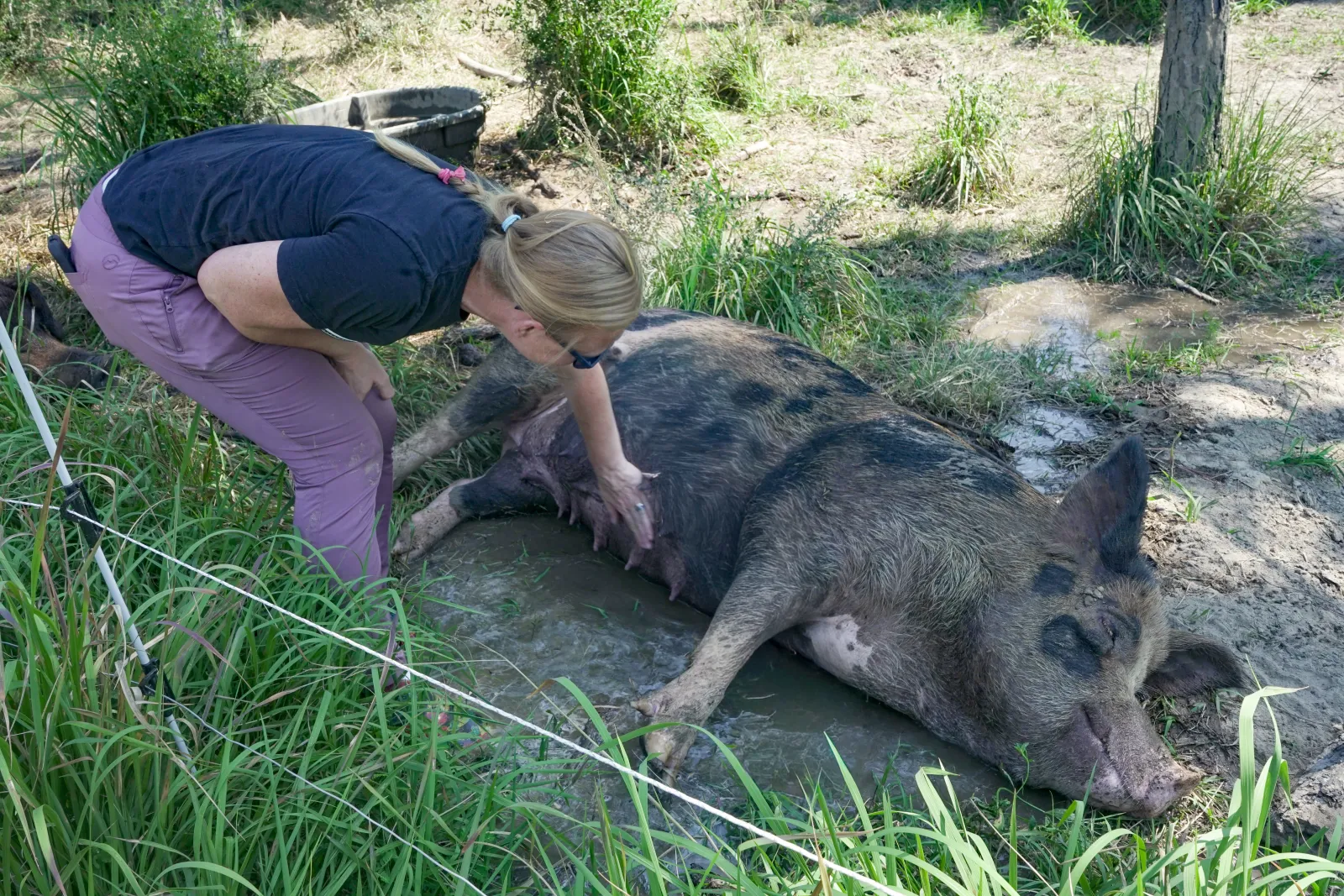
Kate walks among the animals, petting them and snapping photos with them for social media. She constantly deals with criticism, even from meat eaters, for caring about animals that will eventually be slaughtered. Kate understands the disconnect consumers have from their food since the rise of supermarket culture. She said, "I try not to anthropomorphize animals and put human qualities on them. As smart as the pigs are, they're not up at night contemplating their mortality. Vegans get very hung up on it. [It] doesn't matter how good their life is or how long it is, you're killing them on purpose; therefore, that is wrong. But we all die. Meat farmers get accused of having this hierarchy of which animals matter and which don't. I can argue that. I'm the one seeing the quail, rabbits, amphibians, and pollinators, and everything that lives on our farm are just as important. No one is mourning the decapitated rabbits that are killed for tofu production."
Laughing Buddha Nursery has seen growth in customers at the Metairie store, the pick-up hubs, and home delivery service who want locally-sourced products for animal welfare reasons and for nutrient reasons. Kate and Grant are hopeful that more people will take up the ancient art of farming animals and growing produce and that consumers will understand why buying local meats and seafood is the ethical choice. She concluded, "It's perfectly fine for me to feel sad when we process and still be proud that we're able to provide healthy protein to our community. It's very grounding to connect yourself to what it actually takes to be a part of the circle of life."