Seeds of Success
Now might not seem like the best time to start gardening in earnest, but for late-bloomers who want to get their thumbs green, there's still hope.
An assistant horticulture agent at the LSU AgCenter in St. Bernard Parish, Anna Timmerman (who also works in Plaquemines and all around the New Orleans area) spent several years putting together a free month by month planting guide for the Greater New Orleans region, which is available online at the Master Gardeners of New Orleans website at mggno.com/resources.
Timmerman developed the monthly guide from her home garden planting notes and by observing climate data such as soil temperature, the dates of the first and last frost, and summertime high temperatures. Noting that, recently, New Orleans was bumped up by one USDA Hardiness Zone—a reflection of the warming global climate—Timmerman said that her guide is specific to the New Orleans growing season, which is year-round. Southern Louisiana's hot, humid environment is one particular challenge that she hoped the planting guide would help alleviate for growers.
"Different plants have different propagation needs based on temperature and biology," explained Timmerman, who is also certified by the Louisiana Nursery and Landscape Association as a Nursery & Landscape Professional and licensed as a Landscape Horticulturalist. "Plants have different temperature sensitivities, and, in gardening especially, when planting from seeds, it's important to pay attention to this. For example, pepper seeds germinate best at 75-85° Fahrenheit (F). Figs root from cuttings best at 78° F.
There are a ton of resources available for determining this. The Johnny's Seeds app uses temperature data to determine the best times to start warm-loving things indoors and when soil temperatures are warm enough to plant outdoors. Much of gardening is timing—trying to beat the summer heat or winter cold and get a crop in successfully. My planting calendar uses similar climate data to best determine when to plant things successfully here."
Ninth Ward Seed Library
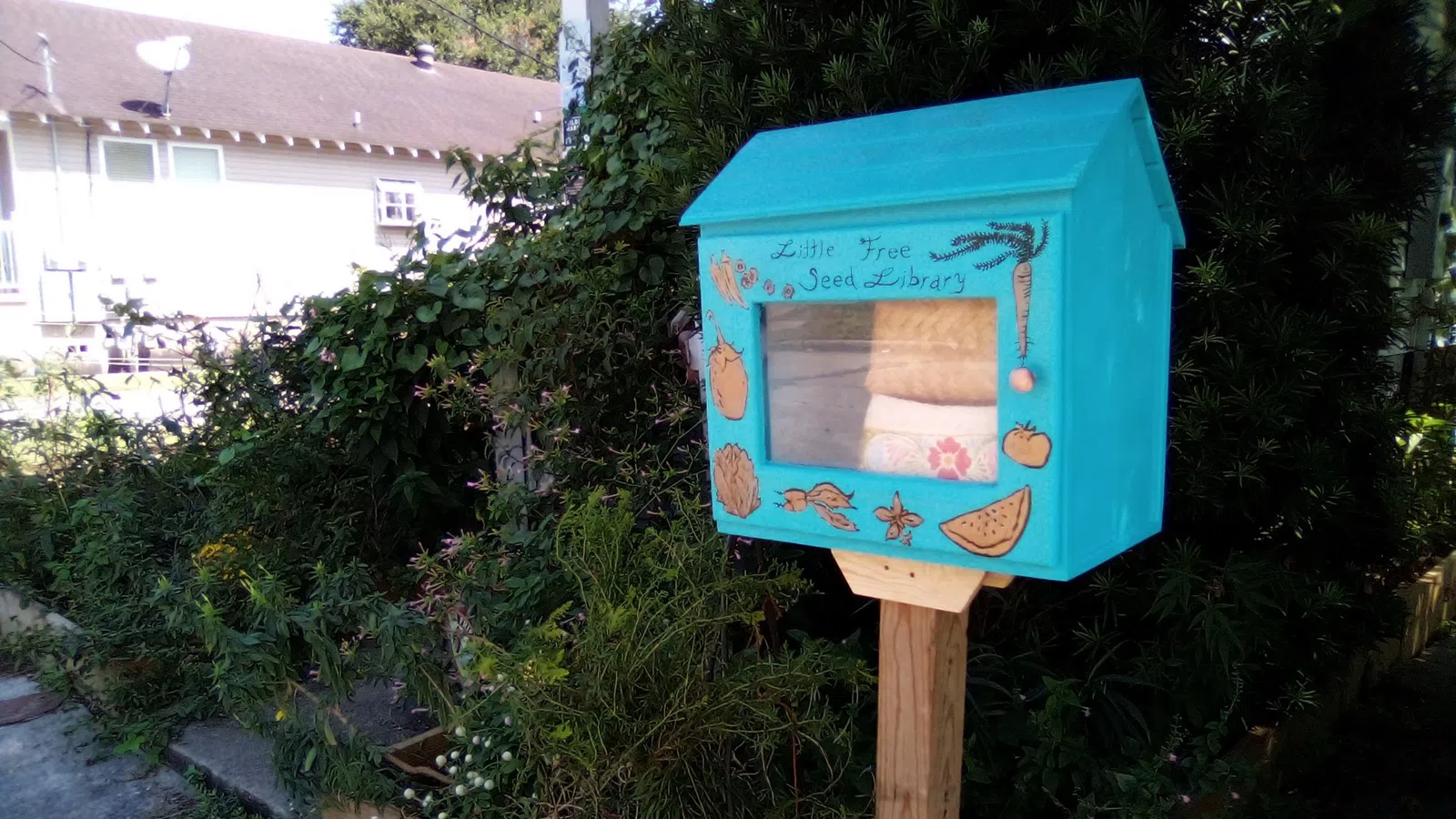
Timmerman has also created an invaluable resource for people who want to cultivate their own plants—the Ninth Ward Seed Library. Recovering from COVID-19 just in time for the general shut-down in 2020, Timmerman's stay-at-home project during the pandemic was the creation of the seed library. By making a wealth of all types of seeds available to all members of the general public free of charge, her goal was to remove barriers to gardening, which includes cost, seasonal limitations, and lack of knowledge. Timmerman also packages seeds for school and community gardens, food recovery groups, restoration projects, pollinator gardens, and other nonprofits, working with each to meet its specific needs.
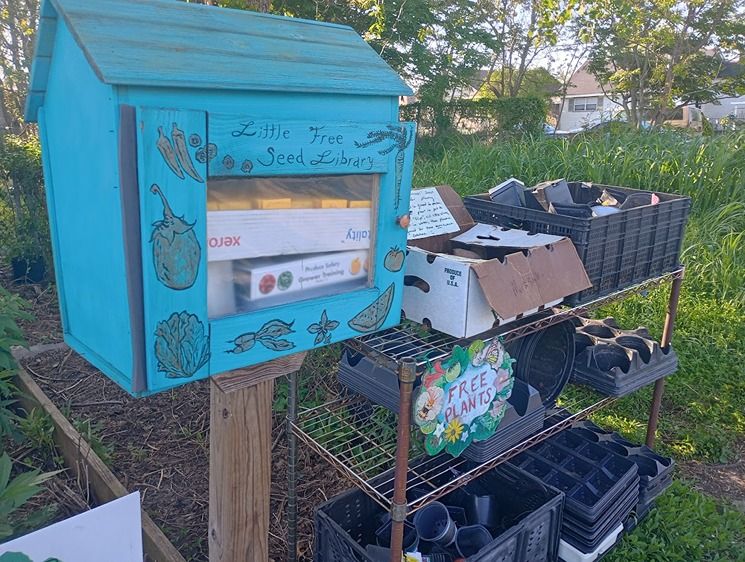
What seeds are available at the library at any given time is mainly determined by what has been donated by community members, who occasionally drop off plants, recycled plastic nursery pots, and a variety of other garden supplies—in addition to extra seeds. Along with the seeds, all donated materials are free to take, and visitors are welcome to whatever they need for planting. Donations are welcome, but not required, and nothing need be returned. The library is accessible around the clock for pick-up and drop-off and is open to the public seven days a week.
Some seeds in the library's collection come from commercial producers. Seed companies legally aren't allowed to sell last year's seeds, which is also the case with retailers. Timmerman has discovered that many companies have donation programs or may be open to an informal arrangement with home gardeners to give them viable seeds that, by necessity, are being discarded.
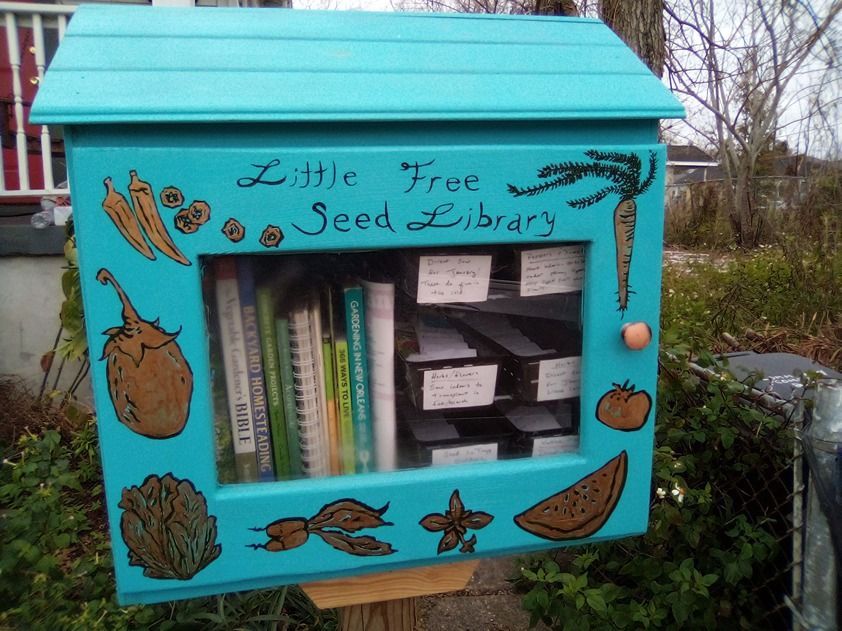
Drawing on her academic credentials and professional accomplishments in pursuing her endeavor, Timmerman does her best to make sure the library's shelves are stocked with particular seeds, sorted by crop type and season, at the optimum time to plant them. "Some seeds are kept in the collection permanently and replenished periodically by growing them out and replacing them with newer material," she said. "This ensures the genetics survive for many years. Some seeds change from year to year based on what the large seed companies donate to the project. Heirloom, local varieties tend to be more protected, and I keep those in stock."
Cultivating a diverse, expansive collection that includes non-native plants also contributes to biodiversity, creating the opportunity for a more variegated growing environment and, by extension, more variety in people's diets. As an example of a non-native seed that adapted well, Timmerman pointed to what is being called the "Arabi" mustard green. Reportedly, a local chef saved seeds from mustard greens that had grown on the Mississippi River levee. Those seeds eventually produced a locally adapted, perennial crop that is used a lot in dishes, such as green gumbo, also known as gumbo z'herbes.
"Seeds that are saved year after year in a particular location adapt genetically to growing conditions in that environment," Timmerman explained. "The survivors of each cropping year reflect the strongest genes, which may provide traits like heat tolerance, insect and disease resistance, or flavor. This is how natural selection and selective breeding works. Save the seeds from the best vegetable produced so that those genes go forward into future generations."