The heat is finally letting up, and our long, mild fall makes it the perfect time to plant your first edible garden—whether you've got a yard to dig into or just a sunny corner of a patio or porch. Start with leafy greens, toss in a few herbs, and, in a few weeks, you'll be eating salad and seasoning straight from the soil. Keep it simple, stay curious, and let the seasons teach you.
With a few basic supplies and this guide, you'll be well on your way to harvesting your own crops this winter.
[Annie Spratt, Unsplash]
Step One: Choose Your Setup—Bed or Container
Got soil you can dig into? Perfect. Clear out weeds or old summer plants. Loosen the top eight to 10 inches of soil to help your roots stretch deep. Mix in compost or aged manure to build fertility. Sprinkle in a balanced organic fertilizer or nitrogen-rich amendment—like worm castings or cottonseed meal—to jumpstart growth. Finally, mulch with straw or shredded leaves to retain moisture and regulate temperature. With that, you've built a foundation that will support cool-weather crops for months.
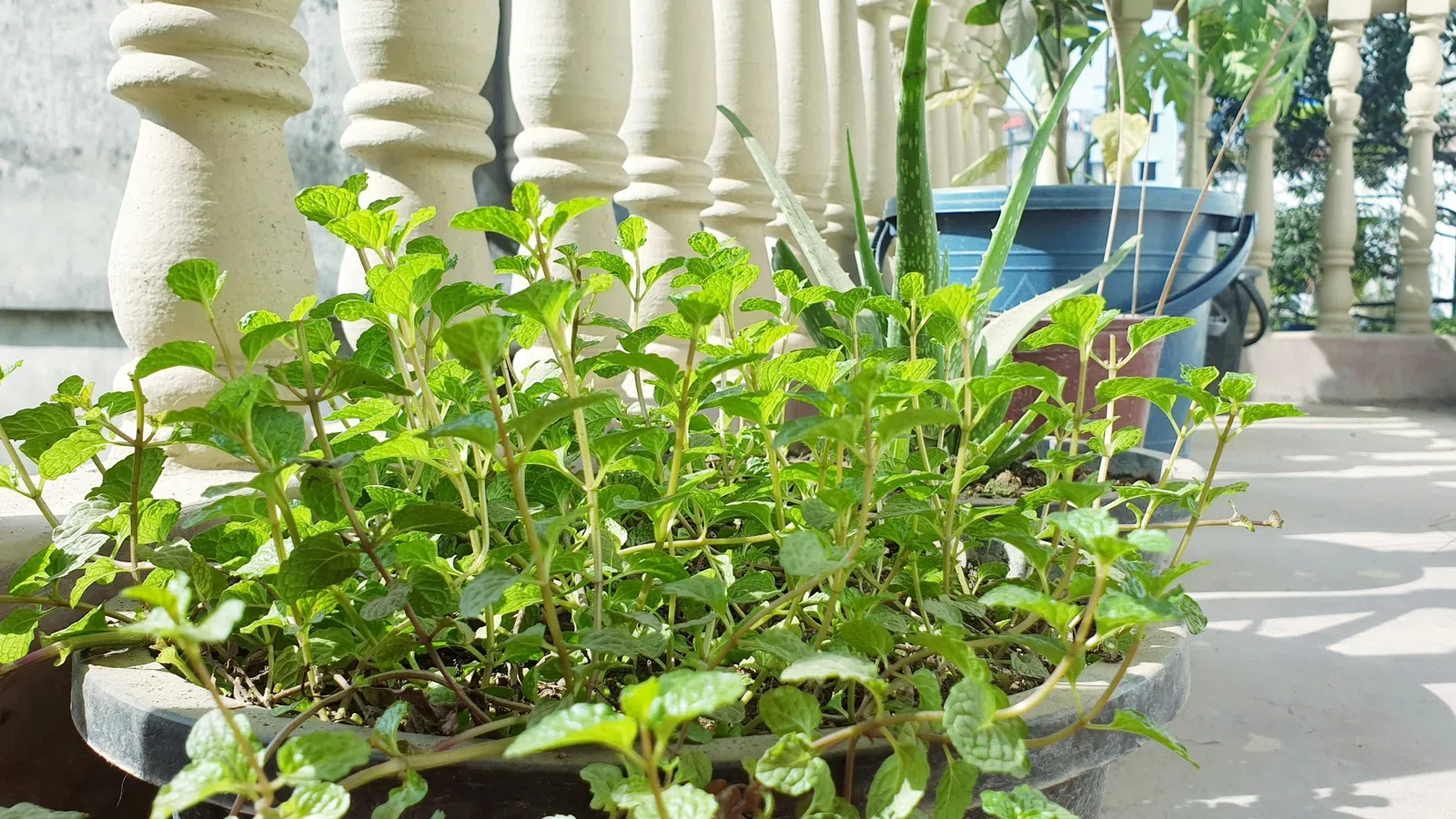
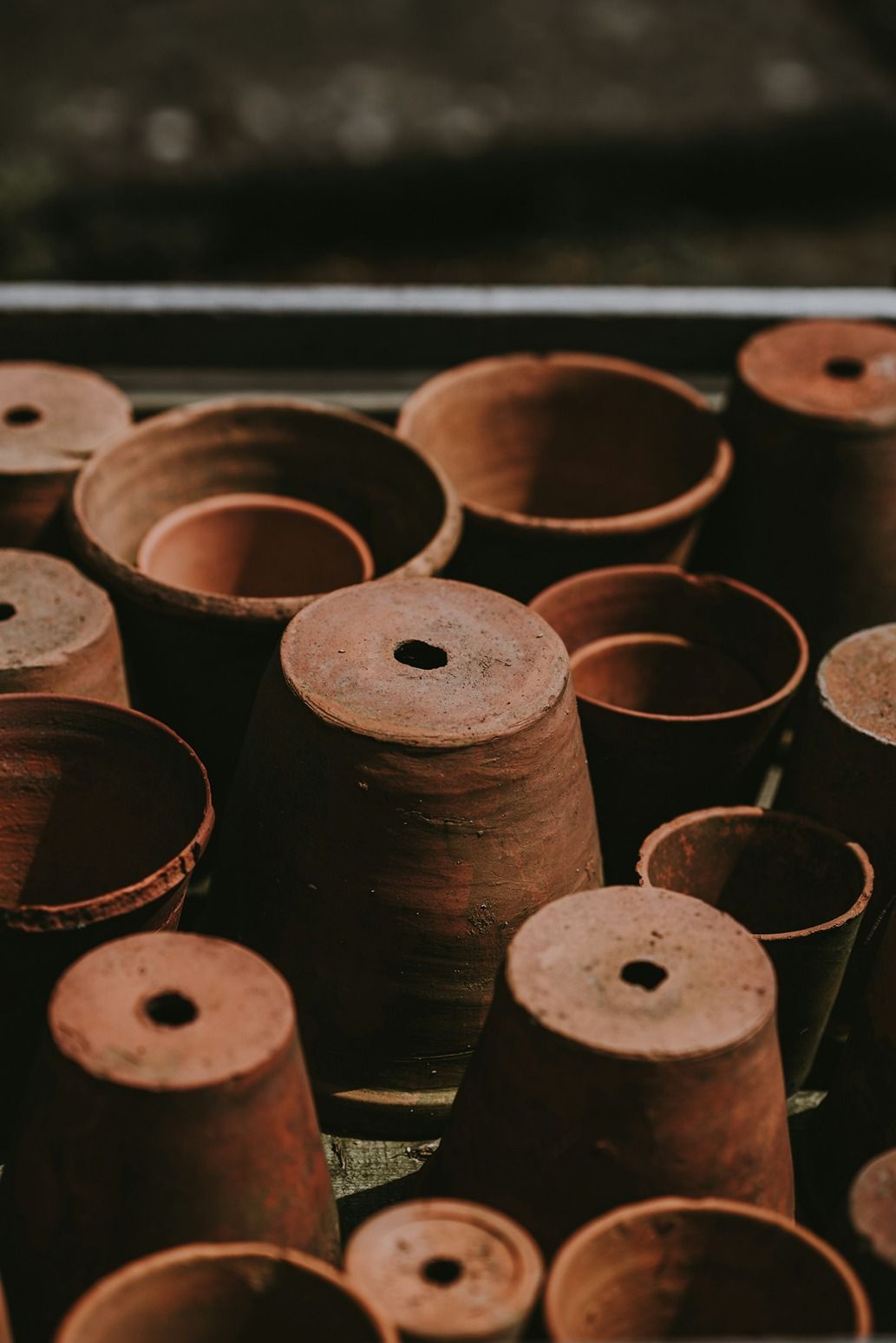
No yard? No problem. Whether you've got a stoop, a courtyard, or a patch of sun on your balcony, you can still grow plenty. Choose pots at least six inches deep for herbs and eight inches or more for leafy greens. Fill them with quality potting mix blended with compost, and check that they drain well. Cluster your containers to create a warm, humid microclimate. Make sure they catch at least four to six hours of sun per day. Water regularly, feed lightly every few weeks, and watch your greens thrive just steps from your door.
Step Two: Plant a Garden That Grows Together
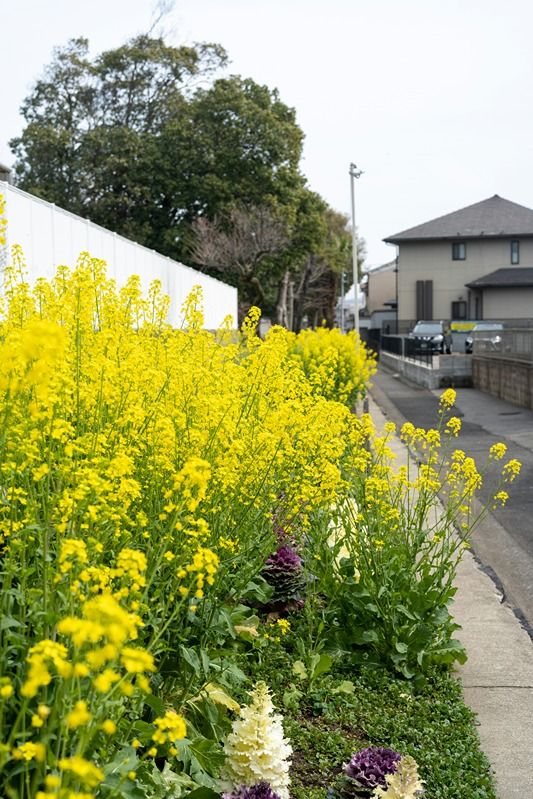
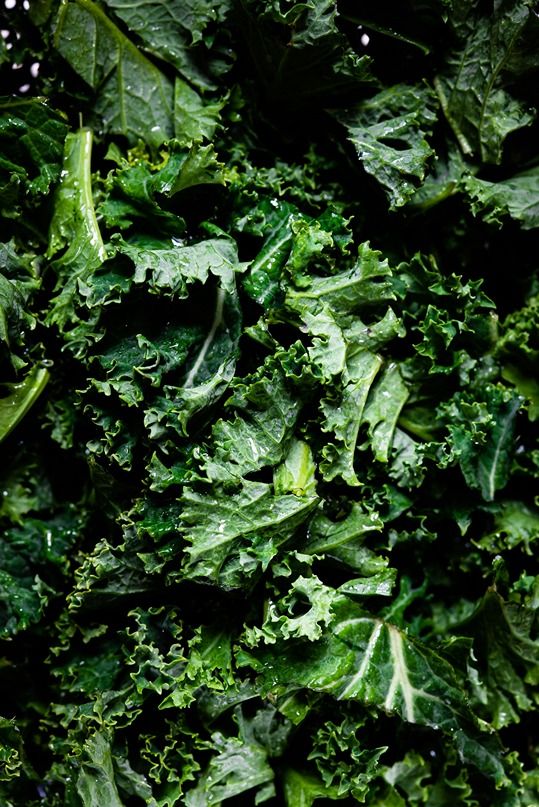
Lettuce, arugula, mustard greens, spinach, collards, kale, and Swiss chard all love our fall weather—and most grow fast. Check seed packets for planting depth and spacing. Sow seeds directly into your soil or pots, water gently, and keep the surface moist until sprouts emerge. Want herbs? Sow cilantro, dill, and parsley. These flavorful additions also help attract pollinators and fend off pests.
Think in layers. Place tall greens such as kale or collards in the back, fill in with mid-height crops such as mustard or chard, and plant quick growers such as arugula or lettuce in front. Tuck herbs into empty corners or edges. In containers, try the "thriller-filler-spiller" trick: plant kale or chard in the center, fill in around them with greens, and let thyme or chives trail over the edges. Want a head start? Pick up a few transplants—parsley, chives, sage, or thyme—from a local nursery and pop them into your setup.
[Kouji Tsuru, Unsplash]
Step Three: Keep It Going with Smart Maintenance
Don't stop at one round of planting. Every two to three weeks, sow another batch of arugula, spinach, cilantro, or lettuce. You'll always have new growth coming in as older crops finish, so thin crowded patches, refresh mulch, and water deeply for beds or more frequently for pots. Harvest outer leaves first to keep plants producing. Feed containers monthly with compost tea or diluted organic fertilizer.
Stay observant and check under leaves for aphids or caterpillars. If pests show up, try row covers, pick them off by hand, or use a gentle neem oil spray. Fortunately, most fall crops are hardy, and your herbs help out, too. Let dill flowers draw in pollinators. Let thyme spread to shade the soil and retain moisture. You're not just growing food—you're growing balance.
Bonus Round: Want Tomatoes this Fall? Go for It
Yes, you can grow tomatoes in the fall in Zone 9. In early September, grab cherry tomato, pepper, or eggplant transplants from a local nursery. Plant them in your sunniest bed or give them their own large pot. Five-gallon buckets with holes drilled in the bottom work in a pinch, though a larger pot makes room for companions such as borage, basil, or marigolds. Water well, mulch deeply, and give them full sun. With luck and care, they'll start producing before cold weather sets in.
Even better? Let them follow your greens. As your early lettuce or arugula bolts or fades, replace them with heat-loving crops. Let chard and oregano cozy up next to a pepper. Plan it right, and your garden doesn't end—it evolves.
That being said, timing matters. Once you reach mid-October, it's generally too late to start nightshades from scratch. Nights cool down, daylight shortens, and the risk of frost increases. If it's late fall already, skip the tomatoes and lean into the greens and herbs—they'll keep giving long after other crops wind down.
[Deborah Rainford, Unsplash]
Now You're Ready
Pick your spot, get your hands in the dirt, drop your seeds in, water them well, and watch what happens. By the holidays, you could be snipping your own herbs, plucking leaves for fresh salads, and looking out at a garden that just keeps giving. You don't need to know everything—you just need to start.
Sign Up!
FOR THE INSIDE SCOOP ON DINING, MUSIC, ENTERTAINMENT, THE ARTS & MORE!