The Devil Went Down to Louisiana
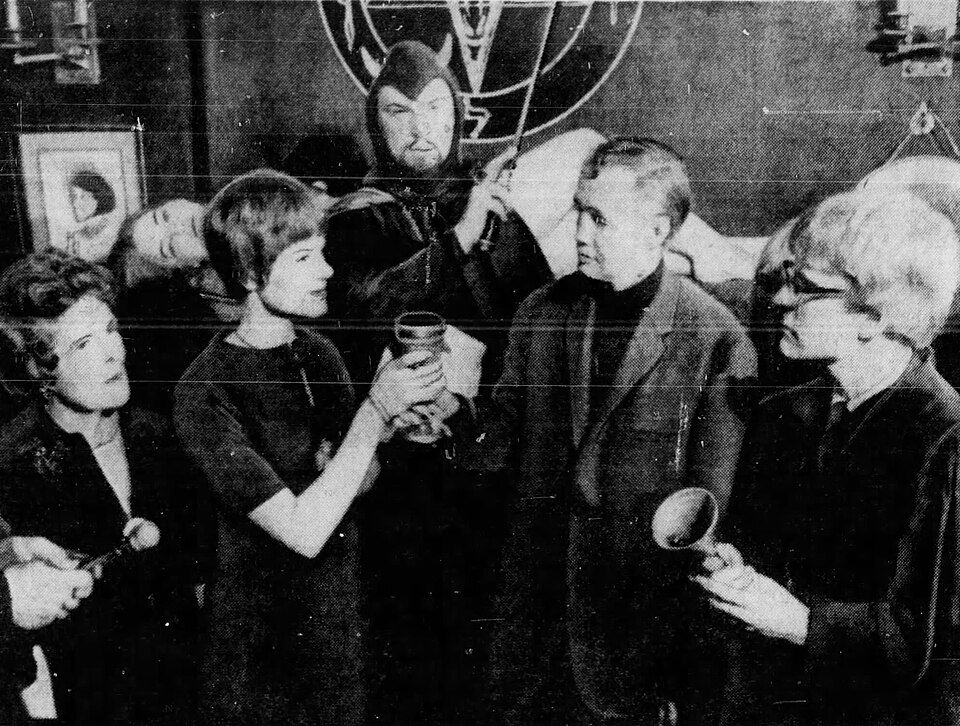
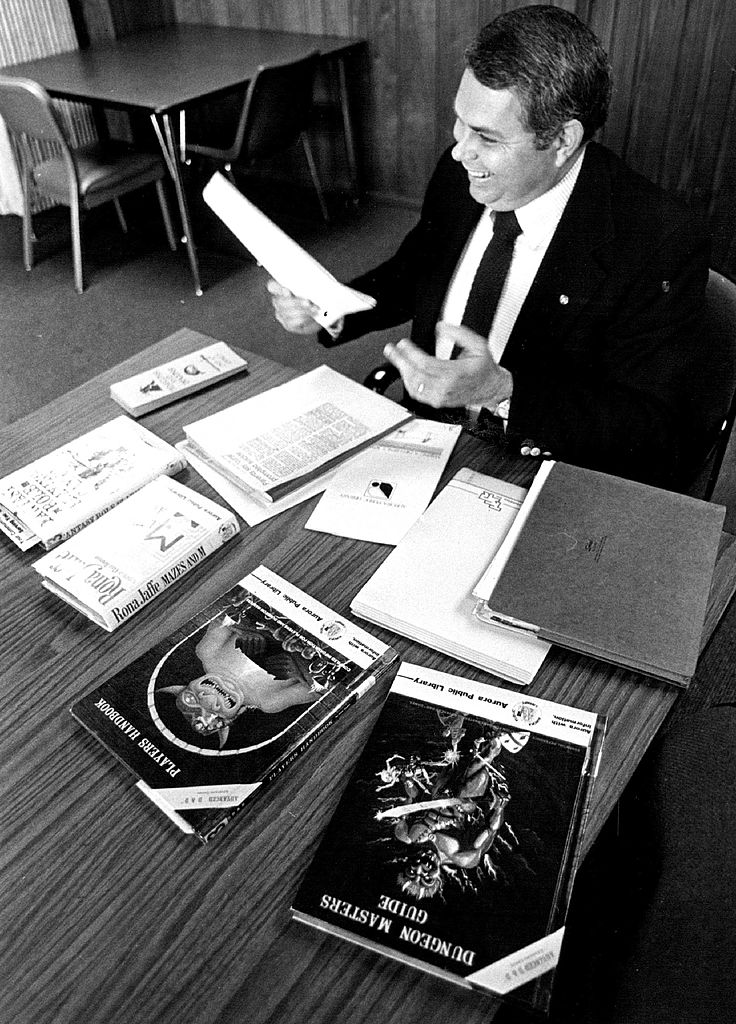
In the 1980s and into the 1990s, Americans were told to fear those who watched horror films, listened to heavy metal music, wore dark clothing, or played fantasy games such as Dungeons & Dragons. These alleged "Satan worshippers" were likely to commit horrific crimes and practice rituals that involved animal and human abuse and sacrifice.
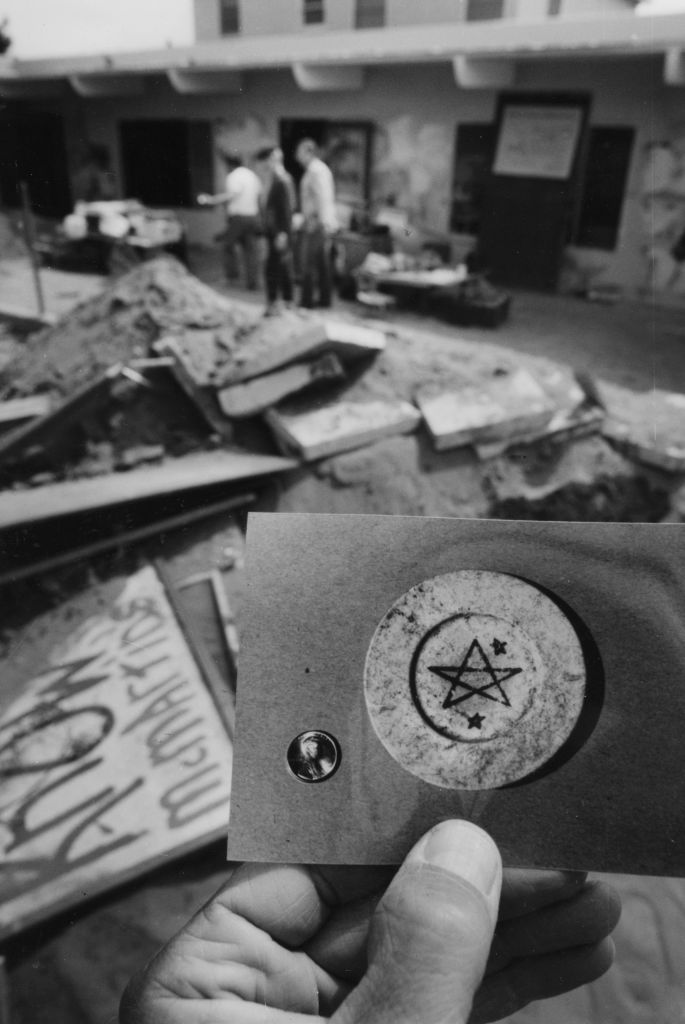
This mass paranoia, called the Satanic Panic, was largely media driven, stemming from stories about ritual abuse, real and fantasy, portrayed in the McMartin Preschool Trial and books such as Michelle Remembers.
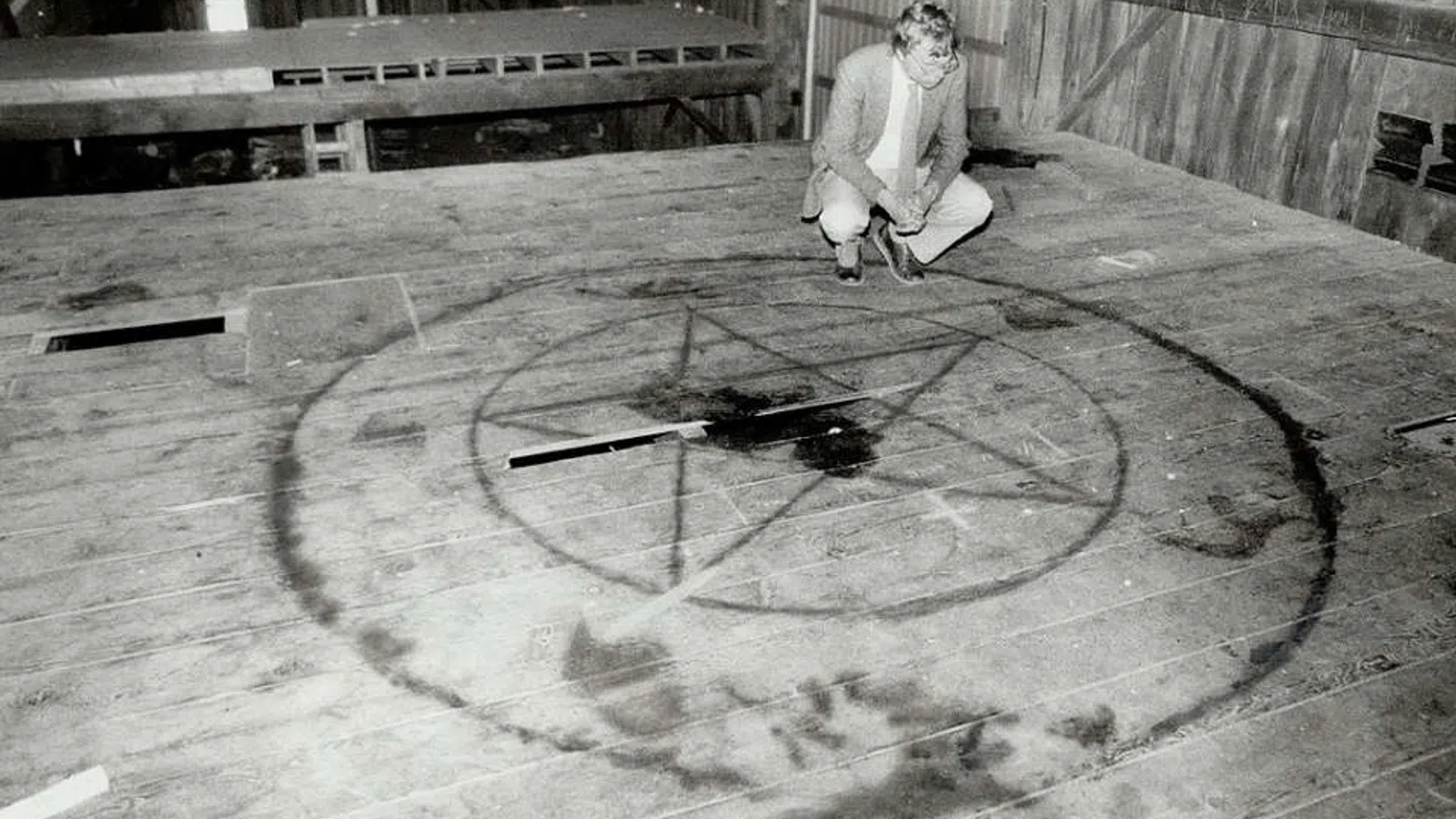
Louisiana's experience with the Satanic Panic drew national attention. It began when cows were killed at the Allen Ranch near Ponchatoula in April 1988. They bore a large circular hole in the chest area that seemed burned on the edges. A game warden came to take samples from the carcasses for examination, which were inconclusive. The Allens then reached out to journalist HL Arledge of The Ponchatoula Times, who questioned why they thought this was the work of Satanists. Betty Allen Hebert stated, "That game warden told us about kids in a cult, worshipping Satan and killing animals, and then we found where kids painted graffiti in an old shack at the back of the property." Her mother Rose Allen, however, said, "Kids painted those signs. But they didn't kill these cattle and cut that kind of hole. My doctor couldn't cut a circle that precise."
The Ponchatoula Times featured a series by Arledge about reports of cult activity in southern Louisiana and how police were training to combat this threat. He wrote in Bayou Justice, "A Livingston Parish sheriff's deputy provided me with a handbook of satanic symbols. The deputy said Chief Deputy Wayne Sanders distributed the manual after attending training at Louisiana State Police headquarters. When I shared this information in The Ponchatoula Times, Sanders reprimanded the deputy. However, the handbook he provided proved that the symbols found in the shack on the Allen property did not originate with Satanists."
Arledge's report inspired WWL reporter Bill Elder to create a news special about satanic ritual abuse and crimes, which aired in July 1988. Elder's hour-long report focused on the Allen Ranch, a woman who escaped from a deadly Northshore coven, and sheriffs, police officers, and priests who were specifically working to combat Satanists and possessed people. After it aired, Tangipahoa Sheriff Eddie Layrisson sent deputies to the Allen Ranch to do a thorough investigation. He held a press conference a week later saying that he believed these cows were killed by wild hounds in the same manner a cow some miles away was killed. The game warden's examination couldn't confirm an animal attack, but he suggested that the circular wound could be a shotgun exit wound. The sheriff's office added that a neighbor dispute could be a motive for the cattle deaths, if it was done by man.
Despite these declarations, investigative reporter Geraldo Rivera made his way to the Allen Ranch to profile their story, as well as other Louisiana spots where people believed Satanists gathered to do mischief. The footage was part of Rivera's two-hour NBC special entitled Devil Worship: Exposing Satan's Underground, which aired on October 22, 1988.
Rivera studied a long-decomposed cattle corpse and said, "One of the ugliest but apparently most common rituals in devil worship is the sacrifice of animals, often involving the removal of organs and the draining of their blood in elaborate ceremonies A series of cattle mutilations on this Louisiana farm has sent a shiver of fear through this entire community."
Journalist Jay Sharbutt wrote about the impact of the special for the Los Angeles Times on October 27, 1988, noting lackluster, fearful, and comical reactions, pointing out that "the telecast carried only 14 network and local commercials—two of them for the National Enquirer and three for new horror movies. An NBC spokeswoman said the network received a total of 440 calls in
New York and Burbank after the telecast—311 of them complaints and the balance expressions of approval, many from parents concerned about teen-aged Satanism."
Halloween is a popular holiday in the Greater New Orleans area with several haunted houses and other spooky experiences to enjoy. In spite of the Satanic Panic, two popular haunted houses thrilled and chilled those who dared enter in the late 1980s and into the early 2000s. The Westbank had the Chinchuba Haunted House in Marrero, which raised funds for Chichuba Institute for the Deaf until 2008. The Eastbank had Orleans Parish Sheriff Charles Foti's Haunted House at City Park.
Named after horror host Morgus the Magnificent's TV program, the former House of Shock was not as welcomed when it opened in 1992. "To be fair, we were definitely pushing the envelope. We were extremely unbridled in the early days. We mellowed out over time but still supremely irreverent," said operator Ross Karpelman as he described the religious and satanic scenes that drew ire from the community.
The original House of Shock took place in the backyard of a Metairie home that was near a Catholic church and school. It didn't take long for concerned neighbors to distribute pamphlets advising people to avoid the evil-looking haunt. "They advised their kids not to go. You know what that does," Karpelman quipped. The growing popularity of the attraction forced one unknown group into the action of breaking into the haunt to douse props in holy water. House of Shock outgrew the home and operated from a much larger venue for 20 years until its closure in 2017 and replacement with New Orleans Nightmare Haunted House.
The Satanic Panic instilled fear into millions of people, including those who were falsely accused of crimes due to being judged by how they dressed and the music they enjoyed.