Festival of Flavors
In New Orleans, every holiday comes with a table full of food, and Hanukkah is no exception.
In fact, food plays the same role in both Jewish and New Orleans traditions: it keeps memory alive, gathers people, and turns ordinary nights into occasions worth remembering. While the Festival of Lights is rooted in ancient history, it continues to shine in New Orleans with local flavor.
Latkes with a Local Twist
The story of Hanukkah is the story of oil—oil that miraculously lasted eight nights when there was only enough for one. Jewish cooks have honored that miracle by frying holiday foods, and latkes became the most beloved of all. In Eastern Europe, potatoes—cheap and abundant—were transformed into golden fritters, crisp at the edges and soft at the center. Served with applesauce or sour cream, they became a holiday symbol of survival and celebration.
At home, latkes are simple: shred potatoes and onions, squeeze out liquid, mix with egg and flour, then drop spoonfuls into hot oil. The sizzle in the pan echoes history, filling the kitchen with comfort. Of course, in local kitchens, latkes rarely stop at potatoes and sour cream, and our restaurants show how the latke stays true to its roots while also doubling as a canvas for Hanukkah and New Orleans flavors.
Chef Alon Shaya has offered elevated takes on the tradition, from latkes with crème fraîche and caviar at Miss River to abundant topping boards at Saba's L'Chaim Lounge, featuring labneh, apple butter, pickled shallots, beet tahini, and whipped butter. The Windsor Court's Grill Room brings formality to the table with a prix fixe Hanukkah Dinner. At his seasonal pop-up Latke Daddy, Adam Mayer stacks them with a wide variety of traditional and creative toppings and slaps on fun names including Shroomy Daddy (with oyster mushrooms and gravy), Bayou Daddy (with harissa crawfish étouffée), Ruski Daddy (with house-cured beet and gin salmon), and Beefy Daddy (with Mayer's stepmom's brisket).
Brisket Meets the Bayou
If latkes, crisp and welcoming, are the appetizer of Hanukkah, then brisket, rich and sustaining, is the main course.
In Eastern Europe, brisket was a tough, inexpensive cut, braised low and slow until sinew turned to silk and kitchens filled with onions, garlic, and carrots. When Jewish immigrants brought brisket to America, it stayed central to Hanukkah. In the South, the overlap with barbecue was irresistible—another culture that revered tough cuts made tender by time and fire. The Jewish brisket and the Southern brisket were cousins from the start.
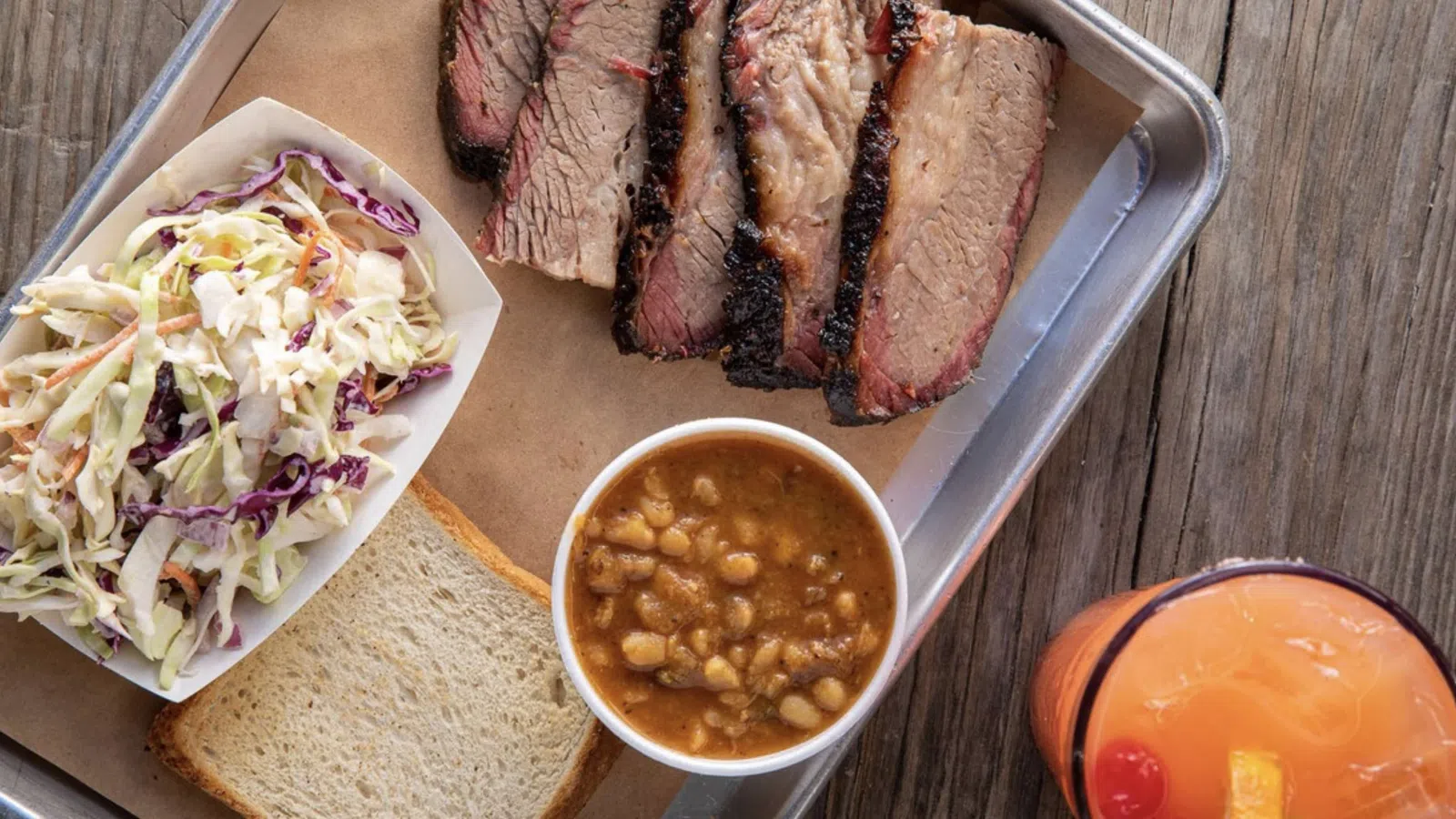
At home, brisket is still a ritual. Sear the meat, nestle it in onions and broth, and let slow cooking do its work until it slices tender and rich, with a sauce that thickens into gravy. Leftovers—if there are any—taste even better the next day, reminding families that holiday food is built as much on memory as on meat. It's about taking what you have and making it tender with care. In New Orleans, brisket finds a place everywhere—braised in a family oven, smoked in a barbecue pit, or dressed up in fine dining style.
At the Joint in the Bywater, it's dry-rubbed and smoked, sliced with that telltale pink ring and peppery bark—barbecue at its most soulful. At Tujague's, one of the city's oldest restaurants, brisket has appeared in Creole classics from boiled cuts in the 19th century to today's hearty brisket bowls. At Boucherie, a Carrollton fine-dining favorite, brisket arrives as smoked Wagyu, plated with polish and global flair—proof that even the humblest holiday cut can be elevated to something elegant.
Sweet Traditions
Sufganiyot are the dessert of Hanukkah—sweet, celebratory, and full of joy. These jelly-filled doughnuts weren't always part of Hanukkah. They rose in 20th-century Israel, embraced as the holiday sweet because they're fried in oil, echoing the miracle at its heart. Powdered sugar on top, jam inside—a symbol of joy.
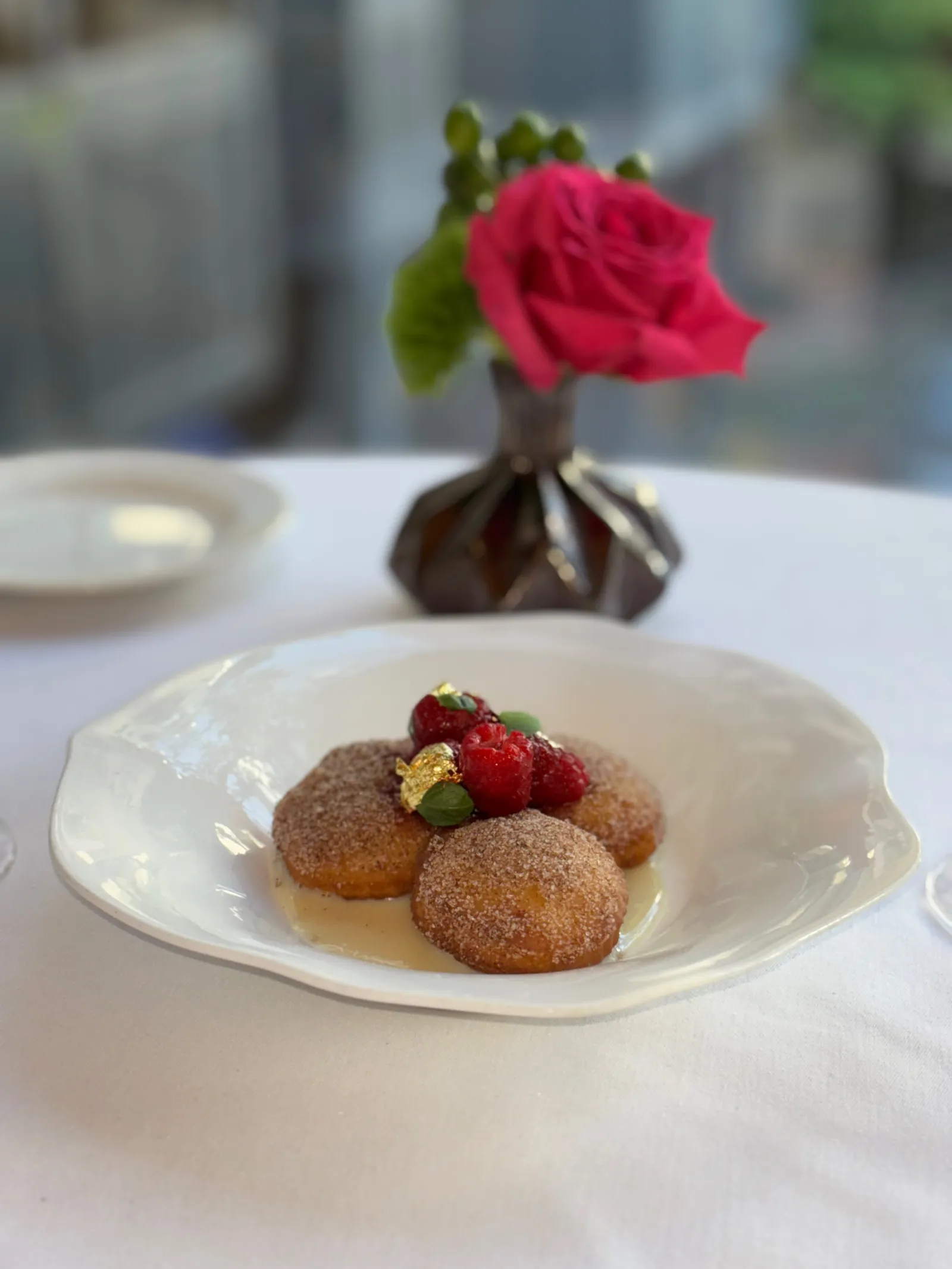
Making sufganiyot is a hands-on project. Mix a yeasted dough, let it rise, then roll and cut circles. They puff in hot oil until golden and then cool just enough to be filled with jam: strawberry, raspberry, or whatever fruit is close at hand. In New Orleans, bakers might swap in satsuma or blackberry preserves, even praline cream. A dusting of sugar makes them festive, with the first bite sending sweetness down your fingers.
Here, the sufganiyah doesn't just celebrate a miracle of oil, it anchors Jewish tradition within New Orleans' broader food culture. Bywater Bakery is known to fry sufganiyot for Hanukkah, alongside babka and other seasonal treats. Kosher Cajun Deli sells them by the dozen, offering classic fillings such as jelly, custard, and chocolate to keep family tables stocked. Also, Ayu Bakehouse, celebrated for its challah and babka, has become part of local Hanukkah pastry roundups.
Carrying the Light Forward
Hanukkah in New Orleans shows how traditions travel and adapt. A latke topped with shrimp, brisket from a smokehouse, or a doughnut filled with satsuma jam may look different from the classics, but they speak the same language of comfort, resilience, and joy. This December, whether you sit down to a feast, swing by a pop-up, or grab sufganiyot to go, you'll taste history and home—a holiday brightened by New Orleans flavors.