In New Orleans, restaurants are rarely just places to eat. They are meeting points, memory keepers, and inherited spaces where families return again and again.
Some dining rooms outlast trends, storms, and shifting tastes because they are anchored not only by recipes, but by people—the families who run kitchens and dining rooms for generations and the families who fill the tables in return. These six family-owned and operated restaurants all tell that story, in different neighborhoods and styles, but all with the same commitment to continuity in their New Orleans communities for over 85 years.
[Courtesy of Antoine's Restaurant]
Antoine's Restaurant
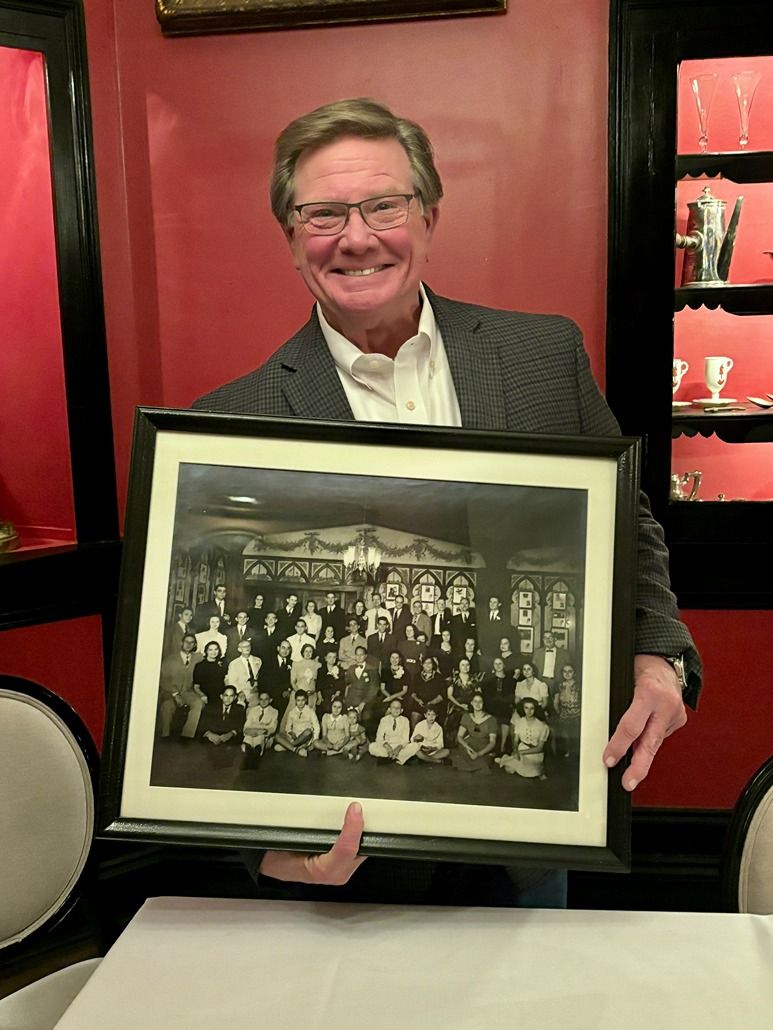
Antoine's opened in 1840 when Antoine Alciatore, an 18-year-old immigrant from Marseilles, began serving refined French-Creole cooking just off St. Louis Street. More than 180 years later, the restaurant employs its sixth generation and is led by fifth-generation descendant Rick Blount. Antoine's helped define New Orleans cuisine by applying French culinary techniques to South Louisiana's abundance of seafood, shaping dishes that became part of the city's culinary vocabulary.
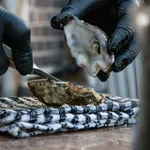
Its most famous creation, oysters Rockefeller, debuted there in 1899 and remains one of the most iconic oyster dishes in the world. Other signatures include pompano en papillote, eggs sardou, and café brûlot. Today, Antoine's continues to serve these classics to longtime locals and milestone-marking visitors alike, adapting thoughtfully with contemporary options for those with dietary restrictions while preserving its foundations.
[Courtesy of Mandina's]
Mandina's Restaurant
Mandina's began in 1898 when Sicilian immigrant Sebastian Mandina opened a grocery on Canal Street serving Mid-City's Italian community. In 1932, his sons converted the family business into a restaurant, beginning what is now a fourth-generation institution.
Mandina's remains a neighborhood anchor, filled with families drawn by consistency and familiarity. Regulars return for crab fingers in wine sauce, fried seafood platters, and turtle soup, but its Sicilian-Creole identity shows most clearly in their daily specials: red beans & rice paired with Italian sausage, daube served over spaghetti, bruccialone with shell macaroni, and Creole eggplant—loaded with shrimp, crabmeat, and ham.
[Courtesy of Arnaud's]
Arnaud's Restaurant
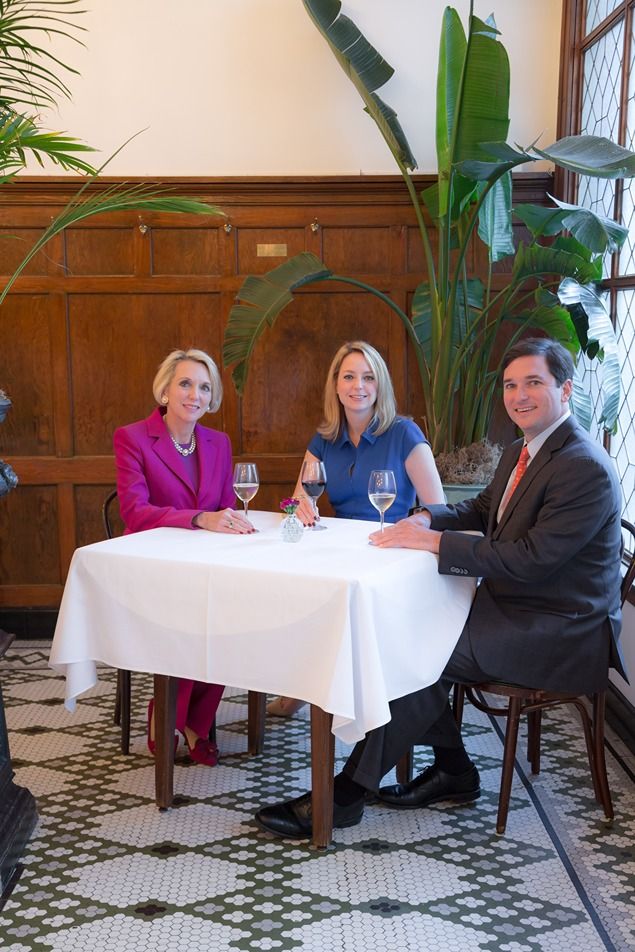
Arnaud's has stood as one of New Orleans' standard-setting Creole dining rooms since 1918 when French wine salesman Arnaud Cazenave opened its doors on Bienville Street. The restaurant is now operated by fourth generation descendants, the Casbarian family, whose parents assumed stewardship and restored the historic property in the late 1970s.
Arnaud's helped shape several dishes that have become local staples. Shrimp Arnaud—an early version of shrimp remoulade—was created there. Oysters Bienville, baked with shrimp, mushrooms, and cream, emerged as another house signature in the 1950s. With 14 dining rooms and nightly jazz at the Richelieu Bar, Arnaud's continues to anchor celebrations rooted in classic Creole hospitality.
Domilise's Po-Boy & Bar
Domilise's also began in 1918 when Peter and Sophie Domilise opened a neighborhood bar on Annunciation Street. Soon after, Sophie began cooking plate lunches for dockworkers and longshoremen. During the 1929 streetcar strike, the po-boy sandwich made its historical entrance, feeding "poor boys," and Domilise's carried forward a working-class spirit by extending credit to riverfront laborers until payday.
After World War II, the business passed to their son Sam and his wife Dorothy "Miss Dot" Domilise. Today, Domilise's remains family-owned and operated by Ken Domilise, third generation, and his wife, along with their fourth generation members and with members of the fifth generation already involved. The menu stays focused on traditional po-boys, but regulars know to ask for the surf-and-turf, famously ordered by Anthony Bourdain, stacked with fried shrimp, Swiss cheese, and roast beef with gravy.
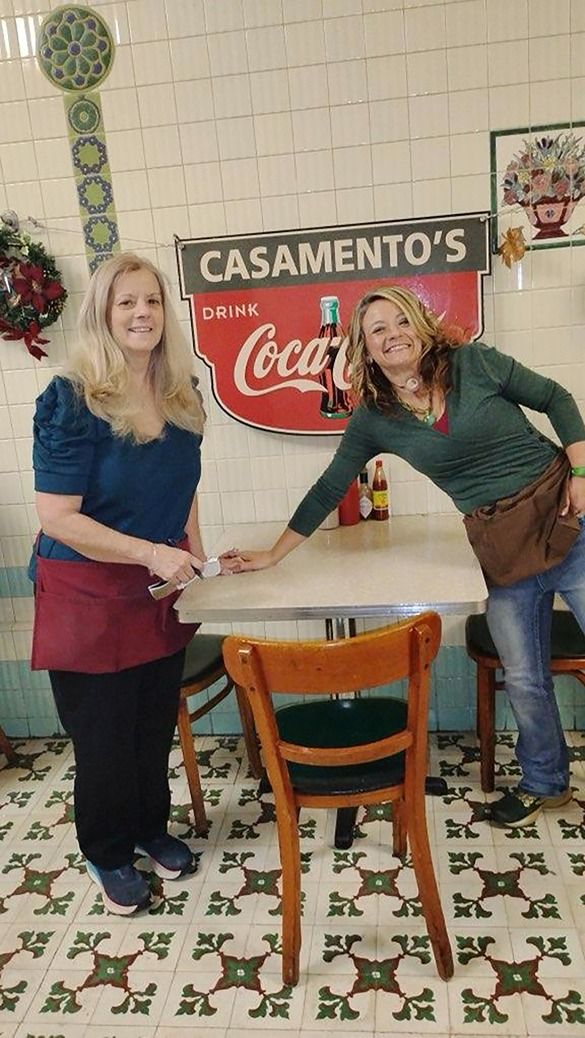
[Courtesy of Casamento Family]
Casamento's Restaurant
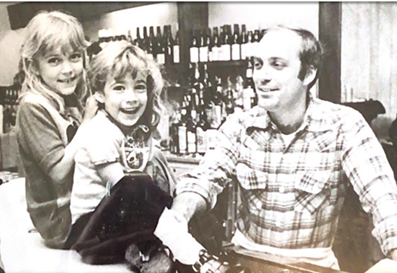
Casamento's opened in 1919 when Joe Casamento, an immigrant from the Italian island of Ustica, established a small oyster bar at the corner of Magazine Street and Napoleon Avenue. More than a century later, the restaurant remains family-run, operated by Casamento's grandson C.J. Gerdes and his wife Linda, with the next generation also working in the business.
Oysters have always defined the menu. The signature oyster loaf—cornmeal-fried oysters stacked between thick slices of pan bread—remains its most recognizable dish. Notably, all their fried seafood is gluten-free. Seafood gumbo, oyster stew, and spaghetti and meatballs round out the offerings. Still cash-only and open on limited days, Casamento's continues to draw regulars who return for the same food and rhythms year after year.
Dooky Chase's Restaurant
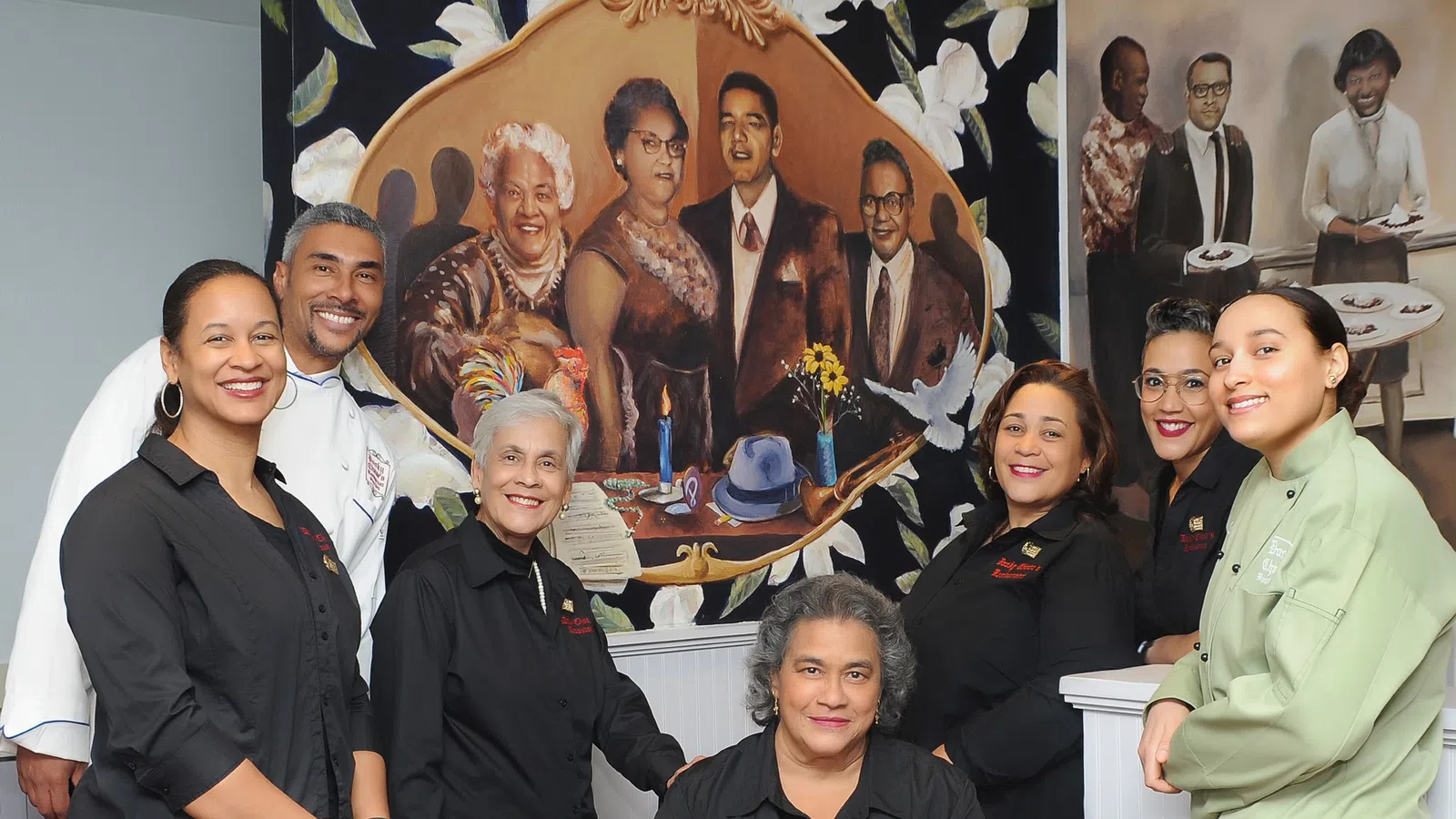
Dooky Chase's officially opened in 1941, growing out of a sandwich shop and bar founded two years earlier by Emily and Edgar "Dooky" Chase Sr. in Tremé. From its earliest days, the restaurant served as a gathering space for music, labor organizing, and civil rights dialogue in New Orleans' Black community. Its culinary identity took full shape after Edgar "Dooky" Chase Jr. married Leah Lange Chase in 1946. Leah transformed the space into a sit-down restaurant centered on refined Creole cooking and African American art.
Today, Dooky Chase's remains family-owned and operated by the fourth generation of the Chase family. Lunch is served Tuesday through Friday, offering classics such as shrimp Clemenceau and fried chicken with red beans & rice. Dinner is served on Friday and Saturday evenings. One of the restaurant's most important rituals, gumbo z'herbes—built from nine greens—is served only once a year on Maundy Thursday.
How Tradition Endures
Taken together, these restaurants form a living timeline of New Orleans itself. They are run by families who have stayed, adapted, and passed knowledge forward, and they serve families who return across generations—locals and visitors alike—to mark moments large and small. In a city shaped by change, these dining rooms offer continuity without stagnation and tradition without nostalgia. At their tables, renewal happens quietly, one meal at a time.
Sign Up!
FOR THE INSIDE SCOOP ON DINING, MUSIC, ENTERTAINMENT, THE ARTS & MORE!