It All Tastes So Good Together
It is possible to say a mouthful with very few words and still be inaccurate. No, this is not about our political scene, although that comment would be applicable.
There is a popular descriptor about New Orleans cuisine that is slightly off the mark but does communicate what we all believe. The phrase is "Creole Italian." We apply it all the time when describing the fare in certain restaurants around town. It's a very short description of the culinary style of a restaurant and it communicates what the speaker is trying to describe. New Orleans has a lot of such phrases, such as "lagniappe," "hot water heater," "hosepipe," "red gravy," "mama and dem," and the list goes on.
Creole Italian, although a well understood and often used descriptor applied to top-notch restaurants and food stylings, is wrong. Although, with that in mind, we are not going to change the descriptor, nor do we want to.
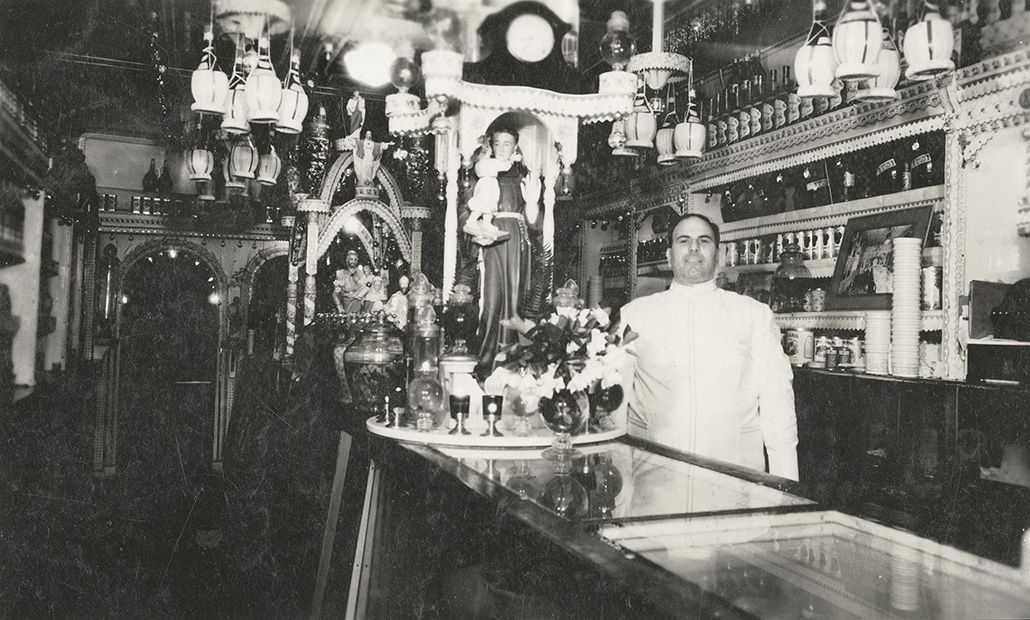
It is true that you will never encounter the phrase in any other city around the world. It's a lot like asking people not from New Orleans how they are going to celebrate St. Joseph's Day. The likelihood is that they know nothing about the day, when it is (March 19), who was St. Joseph, or about special altars that are created to offer food for free to anyone.
It is also likely that as you travel anywhere in the world, the flavors you will encounter in an Italian restaurant are at best vaguely similar to what you enjoy in New Orleans in home kitchens and restaurants featuring such cuisine. There's a good reason why that is true, and it has everything to do with New Orleans history. At this point, many of you are cluing in to the theme of this article.
Sicilian & New Orleans History
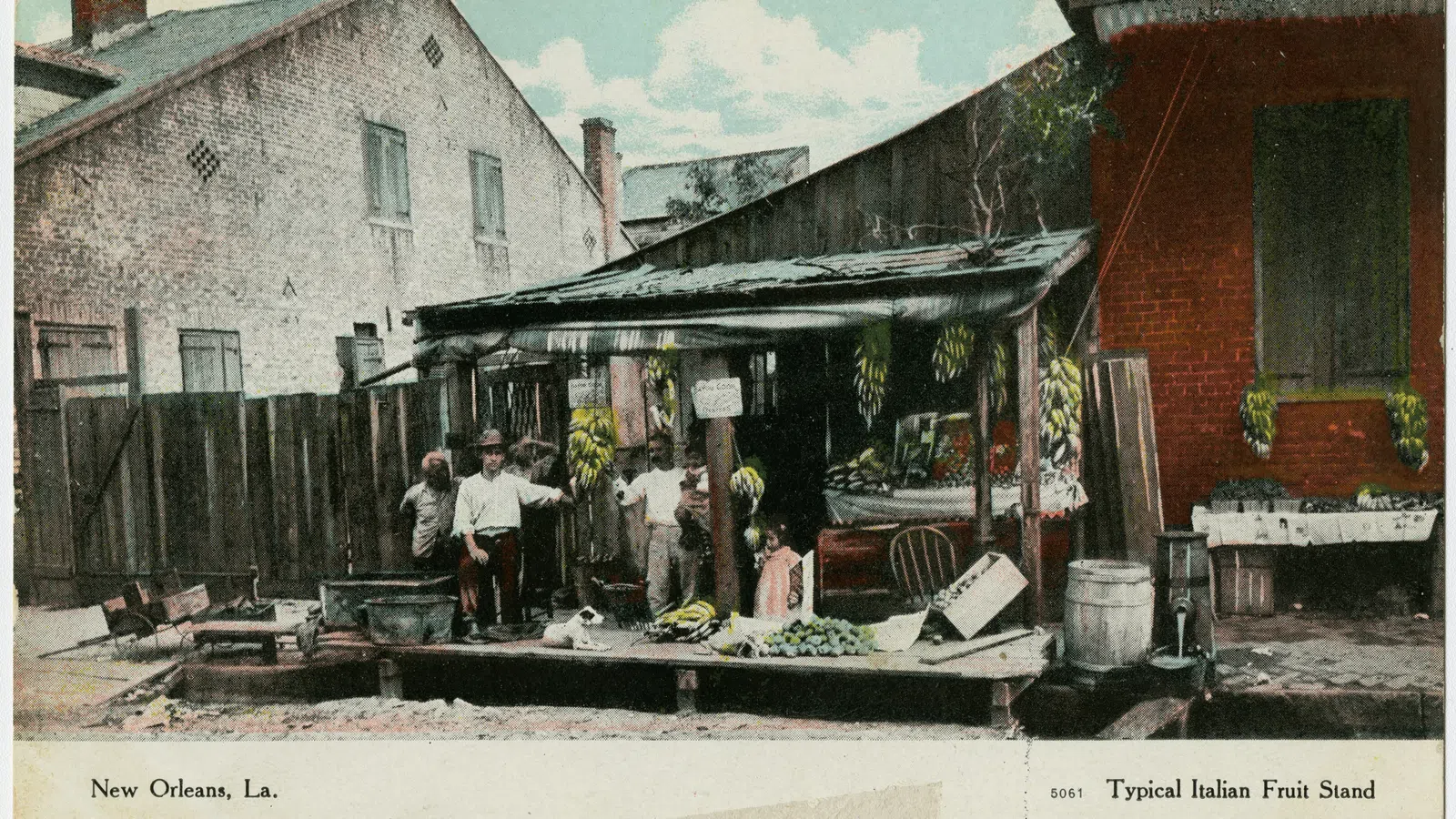
Up until 1861, Italy was a country comprising sub-countries, regions, and city-states. The end result was that, technically, there was no Italy as we know it today. The other reality that makes sense to our topic is that the great migration to New Orleans began in 1884, and the largest group of Italians to head to the Crescent City were Sicilian. Descendants of these immigrants still comprise the largest group of European immigrants now in our town.
Technically, this group was of Italian heritage, but, specifically, they were Sicilian by definition. Plus, prior to the 1861 formation of Italy, they would have been defined as such. The French Quarter neighborhood itself, during the period 1884 until 1924, was referred to as Little Palermo, taking the naming reference from the capital of Sicily. More than 300,000 local residents were of Sicilian descent.
The term "Creole Italian" was used because by the time this large wave of immigrants made it to New Orleans, their home territory on the southern end of the "boot" was within the newly refined country of Italy. While the lifestyle in New Orleans was akin to what they had left behind, the realities of New Orleans influences could not be denied. The manner in which they decorated their homes, their adherence to the Roman Catholic religion, which included the children's education, the holidays and festivals, and the cuisine remained firmly anchored to their Sicilian roots. Grocery stores, restaurants, markets, the cultural scene, employment on the Mississippi River, and their friends were all rooted in Sicilian ways. It's what they knew, and they did not stray far.
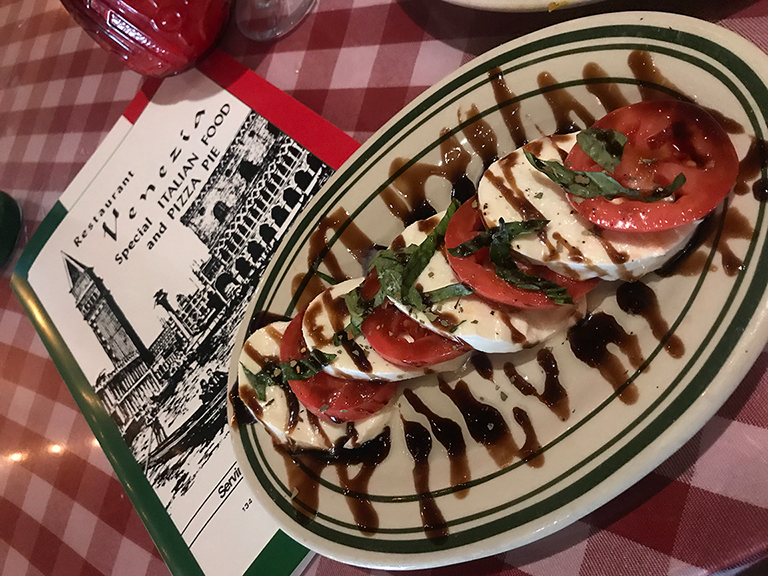
Yet, the influence of New Orleans could not be denied or held back. The lifestyle and the culture of what this place offered was ultimately embraced, and we are all the better for it. Everyone literally brought something to the table that was quite unlike what was in place previously.
When other seaport areas, such as New York, Baltimore, New Jersey, and even South Florida, went through similar changes, those areas did not possess the strong cultural base of New Orleans. The prime example of the blend of these cultures is in cuisine. New Orleans, correctly, continues to be regarded as one of the finest dining cities in the world. We can grow vegetables that are singular. Does anyone doubt that New Orleans tomatoes, strawberries, yams, citrus, and, by extension, seafood are not treasures of gustatory pleasure?
Blending Together
As far as making the entire mash-up on the dinner plate together, New Orleans had already come to terms with the influences of West Africa, the Caribbean, the Mediterranean, and western Europe. Incorporating the overtones of Italy and Sicily was not an insurmountable challenge to gain acceptance. It all blended together so well.
From Italy, New Orleans brought in and grew basil, oregano, marjoram, rosemary, thyme, garlic and garlic powder, and onion. From Sicily, New Orleans embraced fennel, basil, red pepper flakes, thyme, and garlic. Among the Creole contributions were paprika, black pepper, thyme, oregano, basil, garlic, onion, and cayenne.
In order to appreciate New Orleans cuisine, one must recognize New Orleans' "holy trinity" of cuisine: onion, bell pepper, and celery, used in many, many dishes of local origin. You can also see, with all those influences in cultures, culinary preparation, spices, and raw ingredients imposing their way onto the Crescent City, as to why New Orleans' Creole Italian dishes are unlike Italian cuisines from other places. Who else other than New Orleanians has the plethora of ingredients from which to create attention-demanding results?
To be sure, while properly giving credit in all those places credit is due, there is also the historic fact that Creole Italian is more correctly "Creole Sicilian"—a singular New Orleans creation.