New Orleans' Cities of the Dead
In New Orleans, even our cemeteries have personality.
While most cities reserve their stories for museums and history books, the Crescent City's tales are imprinted into marble and tucked behind iron gates. Here, the cemeteries aren't just places of mourning. In fact, they're more like neighborhoods of memory. It's no wonder they're affectionately known as the "cities of the dead."
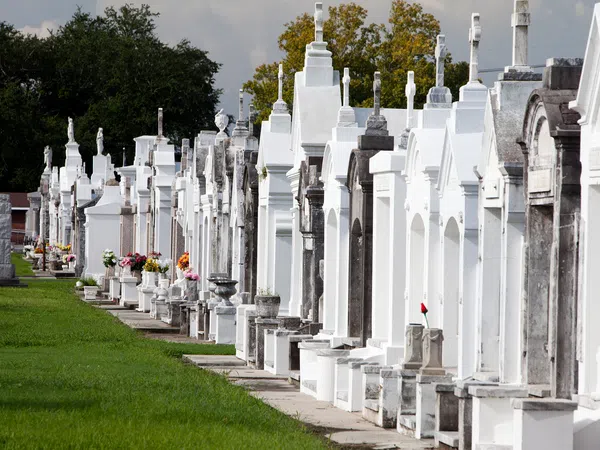
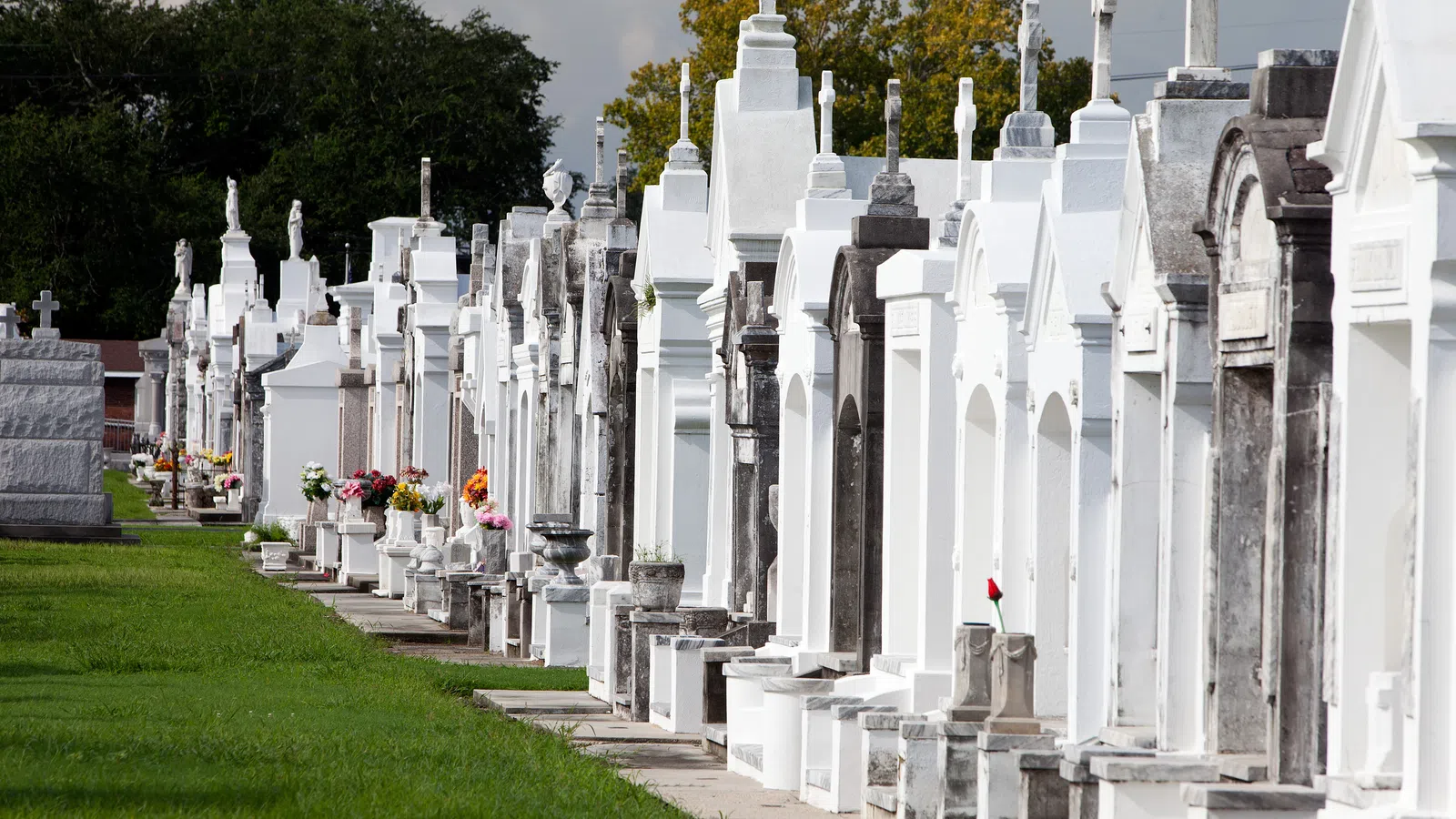
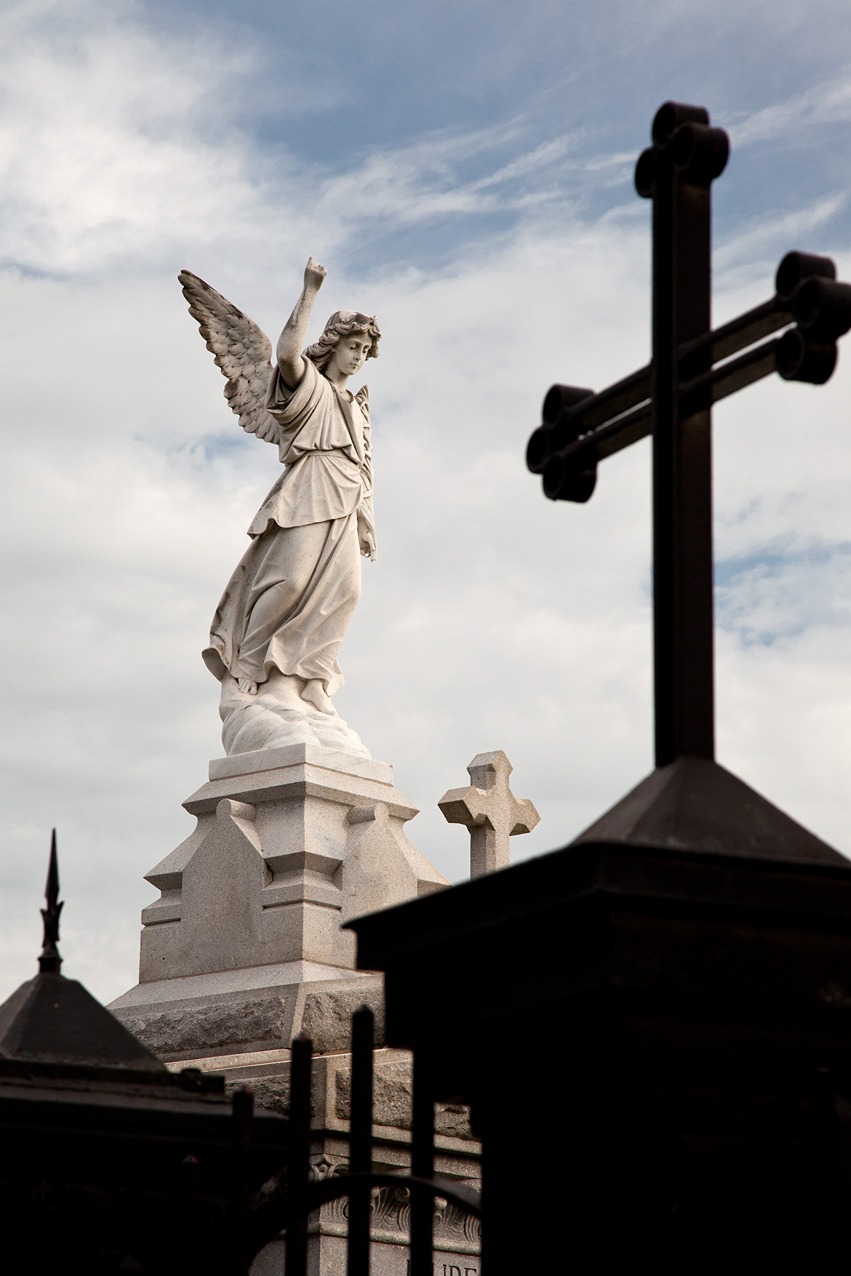
With towering above-ground mausoleums, winding pathways, angel statues, and generations of family history preserved within their walls, New Orleans' cemeteries have become some of the most photographed and recognizable burial grounds in the world. They inspire ghost tours, novels, films, and endless curiosity. Beneath the mystery, however, lies a fascinating history that is uniquely New Orleans.
More Than a Tourist Attraction
Contrary to popular belief, New Orleans didn't begin burying its dead above ground simply because the city sits below sea level.
While flooding and a high water table certainly influenced burial practices over time, the tradition is deeply rooted in the city's French and Spanish heritage. European settlers brought with them the custom of above-ground family tombs, a style commonly found throughout Mediterranean countries. New Orleans embraced those traditions, adapting them to the warm Gulf Coast climate and creating the distinctive cemeteries visitors know today.
These family tombs were thoughtfully designed. A loved one would be placed inside a vault and sealed. After nature had taken its course, the remains could be respectfully moved to a lower chamber, known as the caveau, allowing future generations to share the same family resting place. During devastating yellow fever epidemics in the 19th century, this efficient system became especially important as families often experienced multiple losses within a short period.
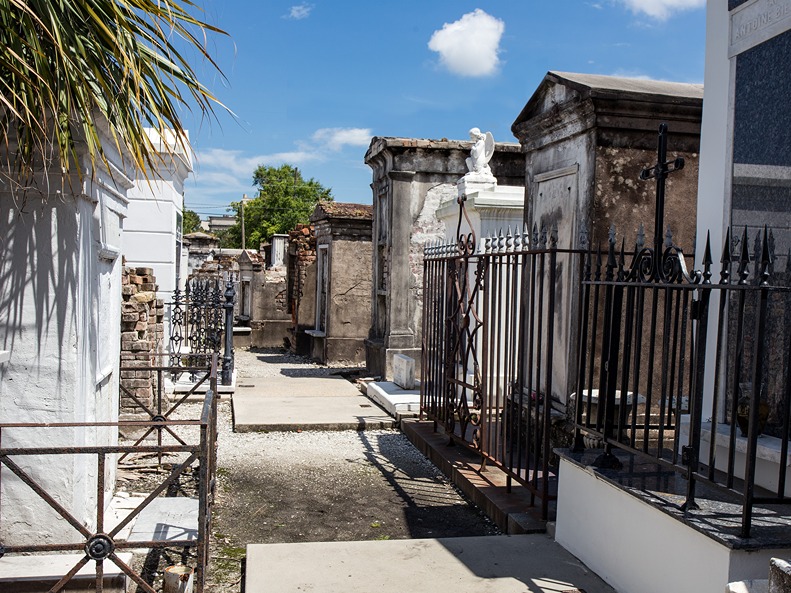
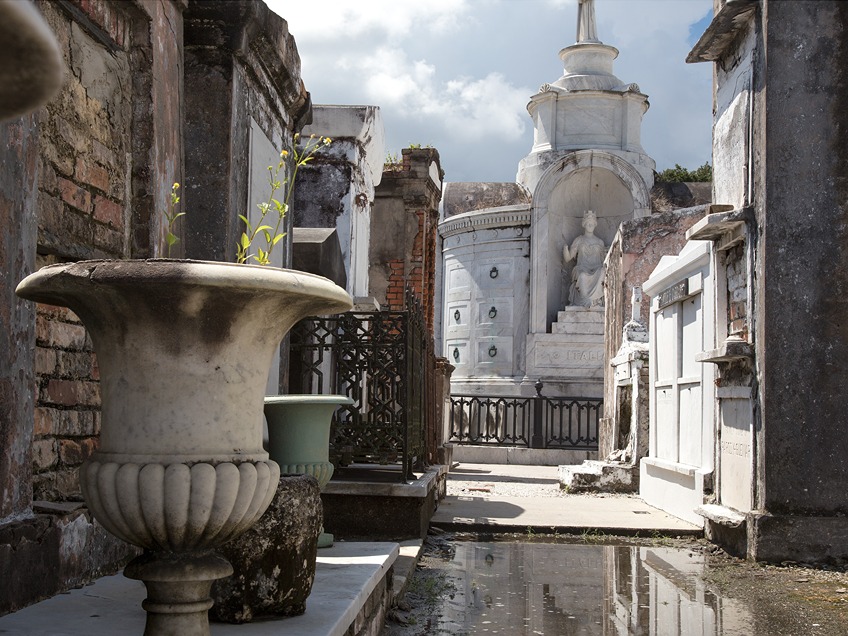
Walk through one of these historic cemeteries today, and it's easy to see why they resemble miniature cities. Narrow "streets" separate rows of ornate mausoleums built in Greek Revival, Gothic, Italianate, and Classical styles. Every tomb tells the story of the families who helped shape New Orleans.
The City's Most Famous Cemeteries
No cemetery captures the imagination quite like St. Louis Cemetery No. 1, the oldest active cemetery in New Orleans. Established in 1789 just outside the French Quarter, it has become one of the city's most iconic landmarks.
The cemetery is the final resting place of legendary Voodoo queen Marie Laveau, whose influence continues to fascinate visitors from around the world. It is also home to civil rights pioneer Homer Plessy, whose historic court case would eventually help pave the way for the Civil Rights Movement decades later.
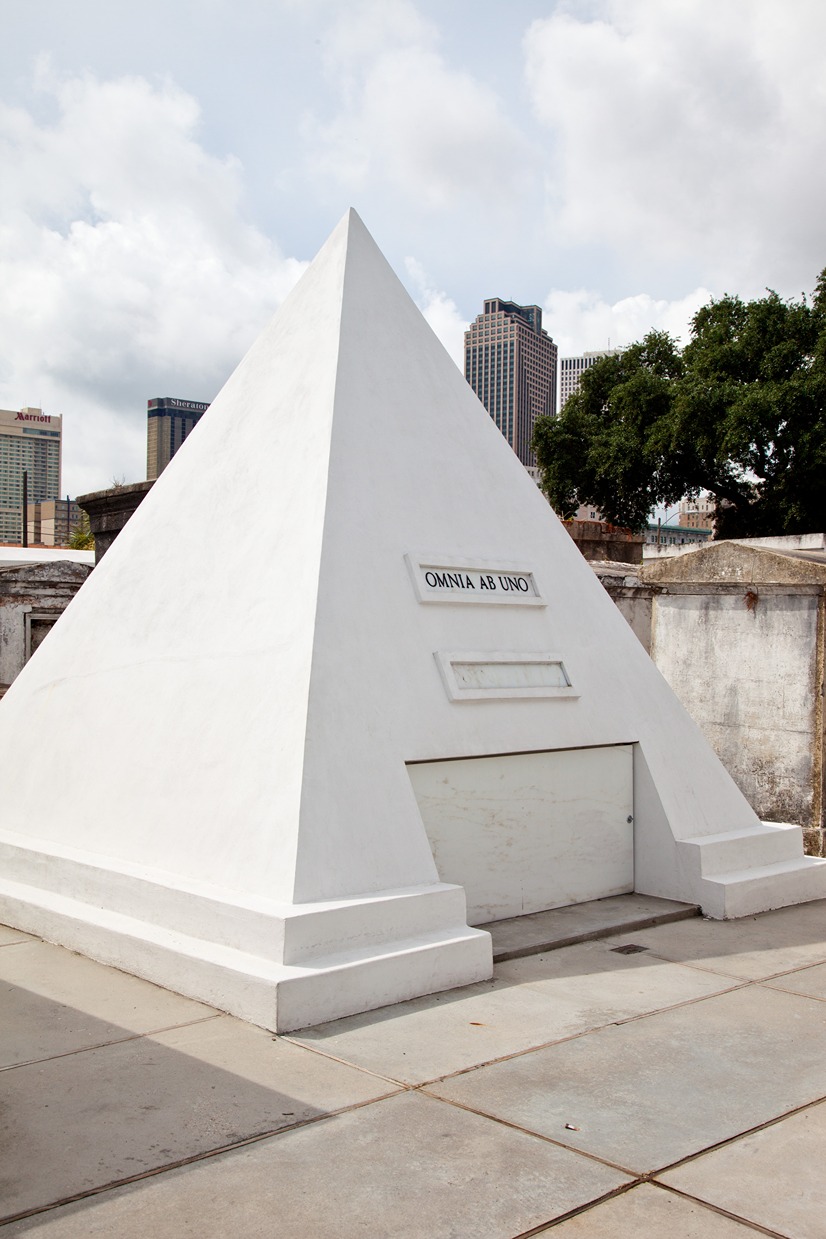
Perhaps the cemetery's most unexpected landmark is the striking white pyramid tomb owned by actor Nicolas Cage. Standing among centuries-old mausoleums and engraved with the Latin phrase Omnia Ab Uno (AKA, "Everything From One"), the monument has become one of the cemetery's most talked-about attractions.
Another beloved landmark is Lafayette Cemetery No. 1, established in 1833 in the heart of the Garden District. Designed in a neat grid pattern beneath towering oak trees, the cemetery has appeared in countless films, television shows, and vampire novels thanks to its haunting beauty and classic New Orleans atmosphere. Although it remains closed while undergoing extensive restoration, visitors can still admire many of its historic tombs from the entrance gates during neighborhood walking tours.
Then there's Metairie Cemetery, a place that often surprises first-time visitors. Opened in 1872 on the site of a former elite horse-racing track, Metairie Cemetery is renowned for its grand Victorian monuments, peaceful lagoons, and elaborate sculptures. Listed on the National Register of Historic Places, it serves as the final resting place of jazz legend Louis Prima, prominent military leaders, governors, and many influential New Orleanians.
Preserving the Cities of the Dead
As breathtaking as these cemeteries are, preserving them isn't easy. Behind every weathered piece of marble or crumbling brick tomb is a family who's responsible for maintaining them.
Many visitors assume cemetery operators maintain every tomb, but that's rarely the case. While there are organizations that oversee the grounds, individual family tombs belong to the families who purchased them generations ago.
For decades, families faithfully cared for their tombs, especially on certain days such as All Saints' Day. In fact, today's familiar white tombs weren't always white. Earlier generations often painted them in soft blues, yellows, pinks, and other vibrant mineral-based colors that reflected the joyful spirit of New Orleans. As generations passed, however, many families moved away, records disappeared, and countless tombs became abandoned.
Modern preservation requires patience and expertise. Even repairing a family tomb often requires tracing descendants, securing ownership documentation, obtaining permits, and hiring one of only a handful of specialized restoration contractors in the region.
More Than Ghost Stories
Today, sources such as ghost tours introduce many visitors to New Orleans' cemeteries. Yet, locals know they're about far more than haunted legends.
These burial grounds tell so many amazing stories including stories of the immigrants who built the city or the musicians who created jazz. They tell stories of New Orleans legends, business owners, artists, clergy, civic leaders, and everyday families whose names may never appear in history books but whose lives shaped New Orleans just the same.
These "cities of the dead" are open-air museums and sacred spaces where history lives on. In a city famous for celebrating life with second lines, jazz funerals, and traditions unlike anywhere else in the world, it's only fitting that even its cemeteries have stories worth telling.