Fall in Louisiana
Somewhere up north, even west of here, someone is photographing a pumpkin against a flannel blanket and other aesthetics. By the time it reaches a phone in New Orleans, November will still feel like August with a slightly chilly twist to it.
With the slightly chilly twist in the air, even though it's humid, the light has barely gone a little longer in the evenings. The seasons haven't just about shifted yet in the South as they're supposed to. There's no exact date to build a Pinterest board centered around it. There's no hearing the crunch of the leaves falling from the trees, no cable knit sweater weather that people love to enjoy, or the cinnamon-dusted anything that only makes sense to drink hot outside. However, what is there is a whole different definition of fall—the one that's been sitting at the farmers markets the entire time and just waiting for someone to stop bringing in a season that was never meant to be built for this climate.
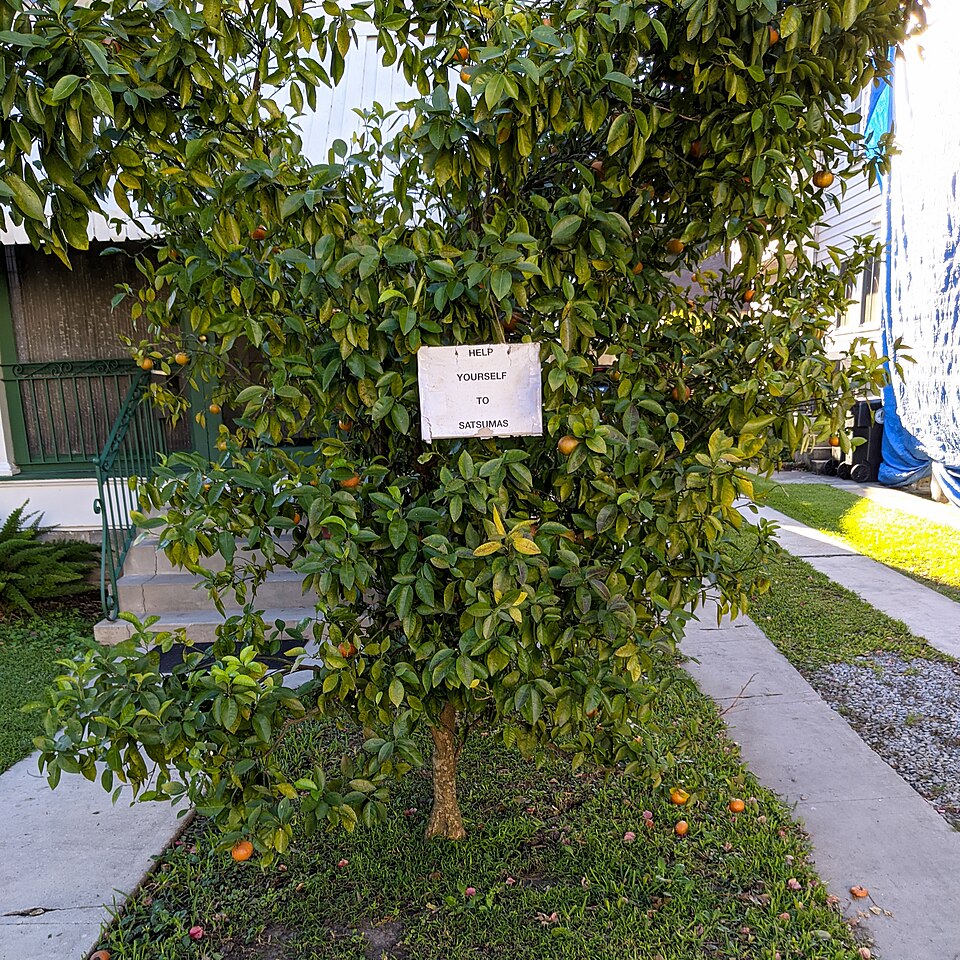
Let's start with citrus, mainly because it's the clearest sign that something is shifting, even if the thermometer disagrees. Satsumas start to fall off the trees in Louisiana as early as September, which is when early ones were bred right by the LSU AgCenter. They start ripening in a slow method that goes into December, depending on the strain.
Owari, which are known to be widely grown in November but can hang on the tree until early winter, is a type of fruit that is similar to what pumpkins do everywhere else by marking the turn of the year; however, it basically comes in a paper bag from a roadside stand instead of a syrup pumped into a paper cup. You can peel it with your thumb while standing in your driveway. You can smell the actual season changing from summer to fall and not like a candle pretending it did.
Down at the water, the shift is turning like it's supposed to—on its own schedule. The old rule says to eat oysters in a month with an "r," a superstition left over from before refrigeration existed. This came about when summer heat made shellfish riskier to hold and keep. Cold storage exists these days to close the gap, but the instinct behind the rule wasn't wrong. Oysters really do firm up once spawning season ends and the water starts to get cooler. Louisiana's public oyster season opens in November, right on schedule as the state officially releases the reefs. This annual event occurs when conditions are nearly perfect; however, fall in Louisiana is marked not just by changing leaves but also by the state's determination that the Gulf has finally cooled down enough for the season to begin.
There is a calendar that the land keeps as its own, too. In Louisiana, the harvest of sweet potatoes takes place from early August until mid-November, during which the sweet potatoes undergo a few weeks of curing in kilns before reaching the required sugar level and are ready to be eaten. It means that the sweet potatoes on display in the supermarkets were underground just a couple of weeks ago. Split one open hot and the steam smells almost like caramel that never was cooked on a stovetop. The flesh is soft enough to savor on a spoon but in a sweet way that something tastes when it's been in the warm ground all summer long rather than anywhere else.
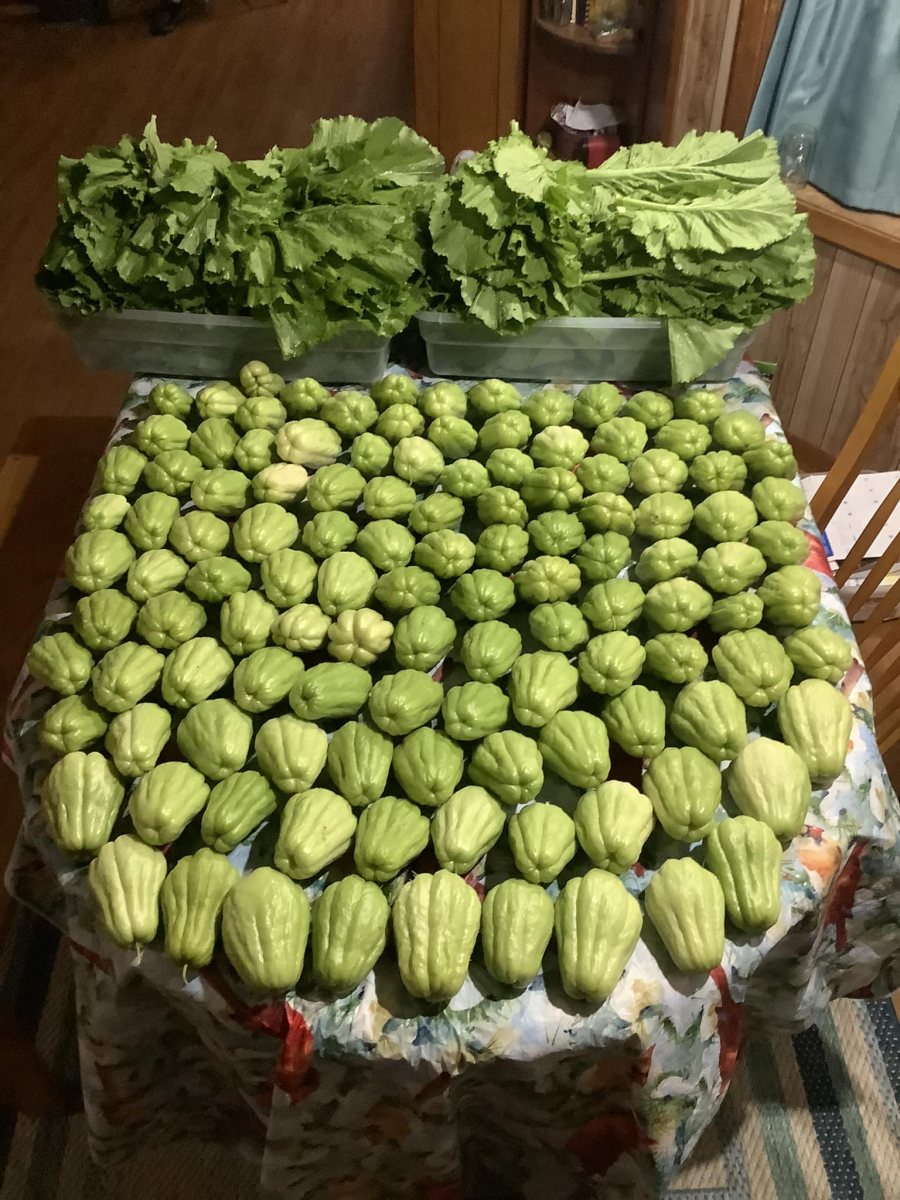
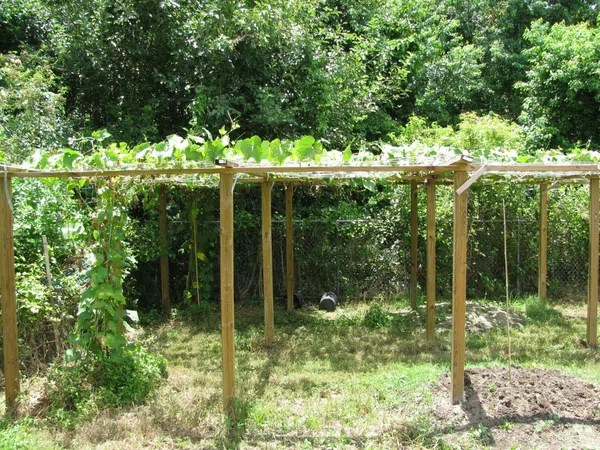
At the same time, in the backyards of the city, the mirlitons, which were growing on the fences and chains all through the humid summer, have started giving fruit, with the peak of the harvest taking place in October. This plant was introduced into the area two hundred years ago from Haiti and is so well adapted to the specific humidity of the area that mirlitons are hardly recognized among the other chayotes in the world. Due to the near-complete destruction of the unique varieties of the mirlitons caused by Hurricane Katrina, a non-profit organization was founded to preserve the seeds of this plant.
This is none of what a national aesthetic would think a falling season should be like. That's fine since the national aesthetic wasn't made for this kind of coastal city. The national aesthetic was made for places where the leaves really change their colors, where the weather truly gets cold, and it was spread all across every other part of the continent, although the continent doesn't live by a single clock.
New Orleans isn't under that clock. It has its own clock of late fall vegetables, of oysters developing a great taste while the humidity is starting to dissipate, and of a plant that has been growing all through the summer and only started to bear fruit now. This isn't some sort of poor imitation of a fall season. This isn't a way of making up for something. It's a different set of indicators, of terrestrial and aquatic rather than sweater-wearing nature. After learning how to read them, you're not going to wait for a season that never arrives on time.
The story is being told by way of the tables at the farmers market, not by some calendar. The oranges beside the sweet potatoes, the coolers overflowing with just-fished oysters to be eaten, the piles of mirliton that are completely unaware of their own status as the unphotographed star of the "fall harvest" photo spread. It's the truth of what changing seasons look like in this city—subtle and specific and following its own time. Just find it. You won't have to look in a pumpkin.