Haiti and New Orleans Cultural Ties
If New Orleans had a family tree, you would not have to look very far before finding Haiti sitting somewhere in the branches.
The relationship between Haiti and New Orleans is not just some recent cultural friendship. It reaches back more than two centuries to the upheavals of the Haitian Revolution and the enormous migration that followed. That history helped shape New Orleans into the gloriously complicated, multicultural city we know today.
To understand the connection, we have to head south across the Gulf and 1,300 miles into the Caribbean to Saint-Domingue, the French colony that would become Haiti.
In the late 19th century, Saint-Domingue was one of the richest colonies in the world, thanks largely to sugar and coffee. It was also one of the most brutal. Enslaved Africans endured horrific working and living conditions, and resistance was constant. In 1791, that resistance exploded into the Haitian Revolution.
Over the next 13 years, enslaved people and their allies fought French, Spanish, and British forces. Among the revolution's most famous leaders was Toussaint Louverture, a formerly enslaved man who became a brilliant military and political strategist. In 1804, Haiti declared independence.
It was an extraordinary moment. Haiti became the first independent nation in Latin America and the Caribbean and the world's first Black-led republic born from a successful slave revolution.
Independence Came With Enormous Upheaval
As war, revolution, and political instability swept Saint-Domingue, people fled the island. White colonists left. Free people of color left. Enslaved people were carried away by fleeing colonists. Others escaped on their own. Refugees scattered throughout the Caribbean, Cuba, the United States, and beyond.
A massive amount of them ended up in New Orleans. The biggest wave came in 1809 and 1810 when thousands of refugees arrived from Cuba after Spanish authorities expelled people who had fled Saint-Domingue. More than 9,000 refugees arrived in New Orleans during this migration.
For New Orleans, the impact was enormous. The city's population essentially doubled. Imagine waking up one morning and discovering that your city's population had doubled in a matter of months. New Orleans basically said, "Well, since you're here, welcome to the city." The newcomers settled in places such as the French Quarter and Faubourg Marigny, strengthening the city's already vibrant French-speaking Creole population.
The Haitian Influence Went Far Beyond Language
Haitian influence seeped into nearly every corner of New Orleans life.
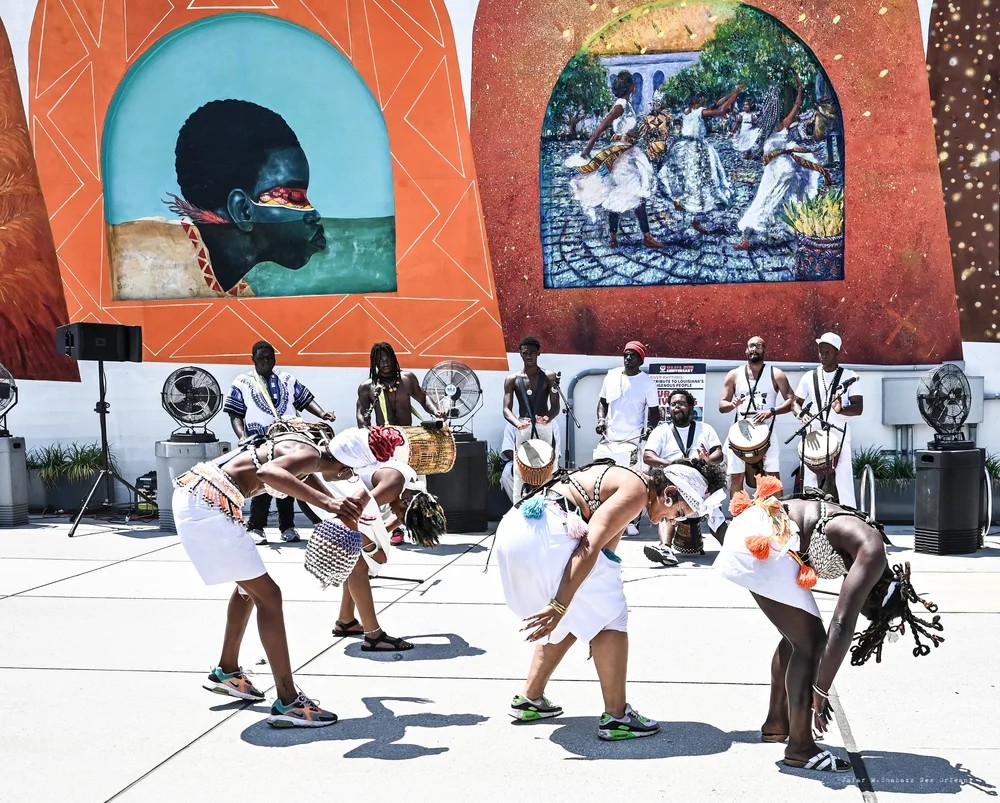
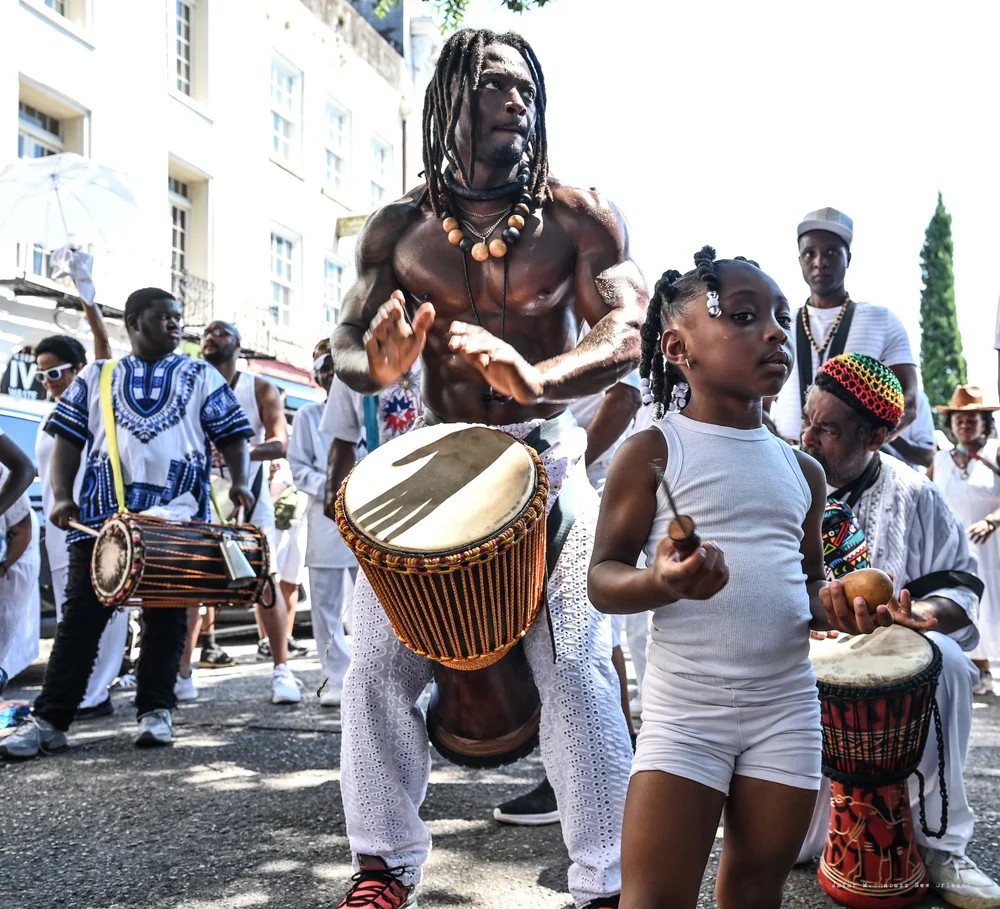
Take music for example. Long before jazz became synonymous with New Orleans, Black people gathered in places such as Congo Square to drum, dance, sing, and maintain African musical traditions. Haitian immigrants brought their own Caribbean and African musical traditions into this already thriving cultural environment.
Polyrhythms, call-and-response, percussion, improvisation, and communal music-making became part of a broader musical spectrum that helped produce the unmistakable sound of New Orleans.
We Even Shared a Food Culture
If you want to understand the Haiti-New Orleans relationship, you could probably start in somebody's kitchen.
Haitian cooking and Louisiana Creole cooking share so many aspects, from ingredients, techniques, flavors, and traditions, that all stem from West Africa, France, Spain, and the Caribbean. Rice and beans are staples in both cultures. Okra appears on both sides of the Gulf. Stews, slow-cooked meats, peppers, spices, and seafood are everywhere.
New Orleans dishes including gumbo, jambalaya, and red beans and rice belong to a much larger Caribbean and African culinary story. That is, in many ways, the New Orleans specialty—take a little bit of this, a little bit of that, add some spice, and somehow make it magic.
It's Also in The Architecture
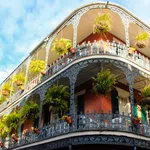
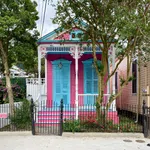
The architectural connection is there, too. Haitian influences can be seen in the evolution of New Orleans' Creole cottages, courtyards, balconies, and shotgun houses. The shotgun house itself has a history that stretches far beyond New Orleans. While its exact birthplace remains debated, many architectural historians trace the form to West African building traditions that traveled through the Caribbean, particularly Haiti.
And Then There is Religion
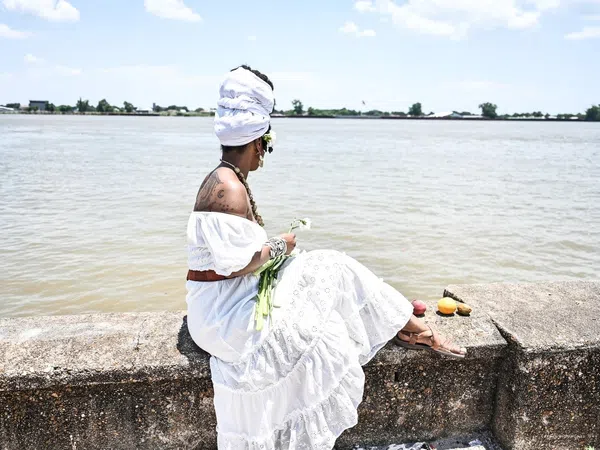
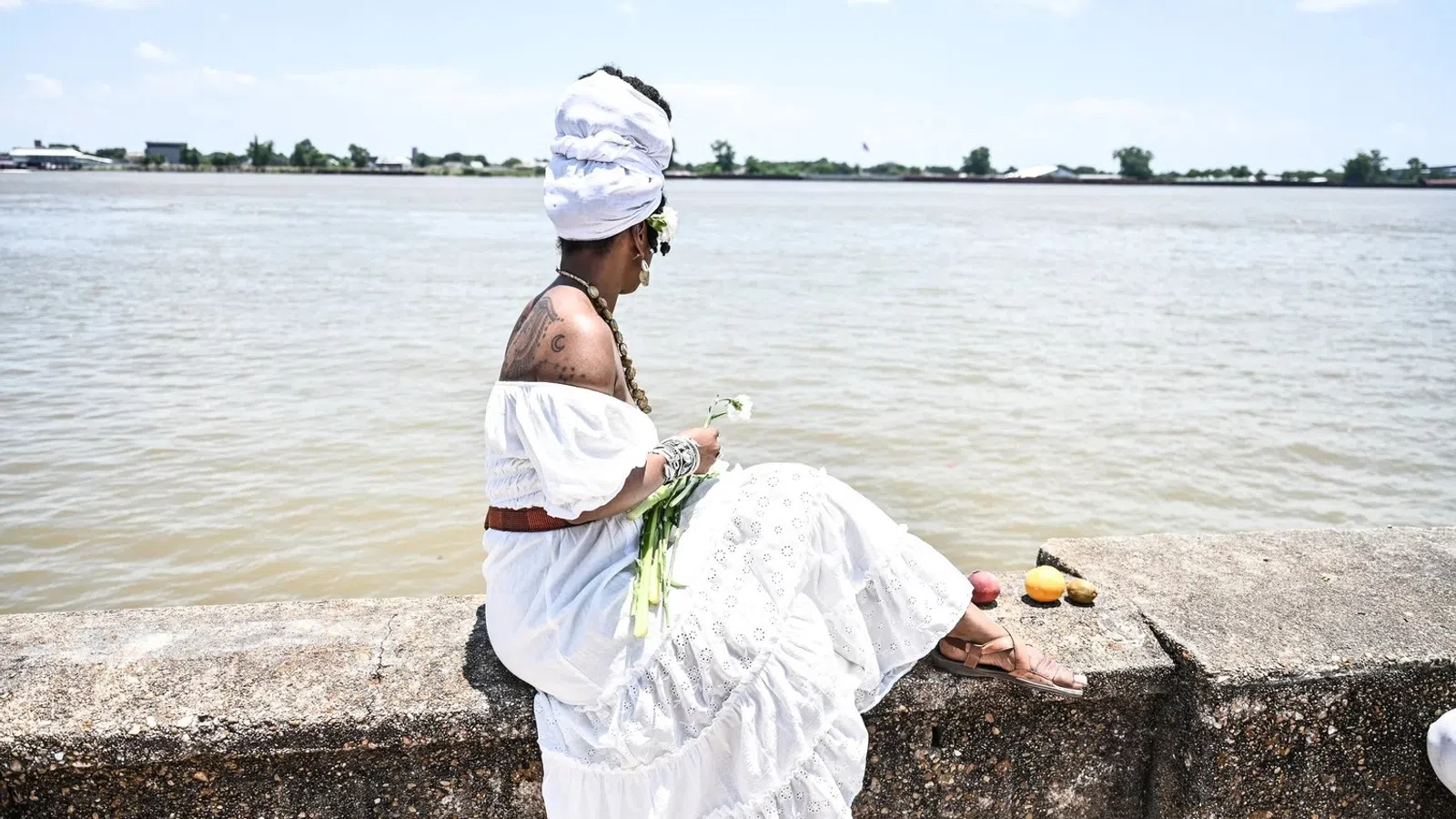
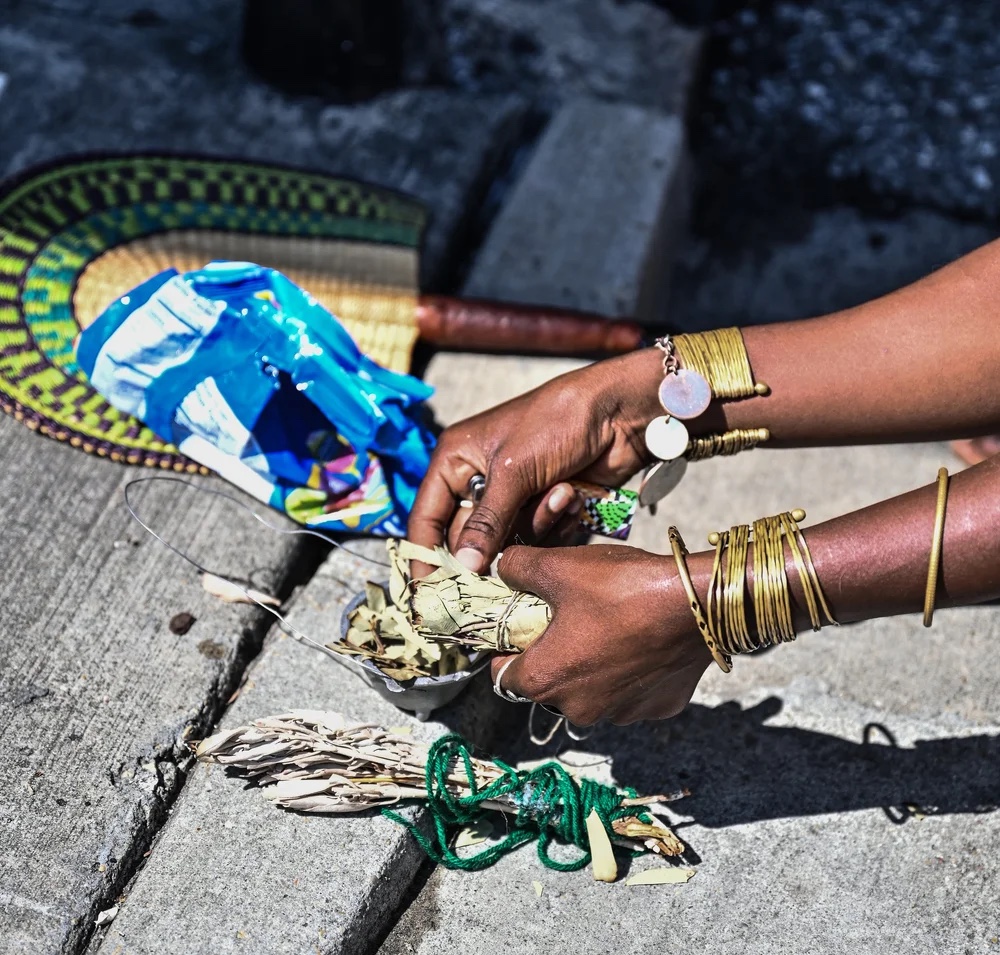
Haitian Vodou and Louisiana Voodoo are related, but not identical, and both developed within spiritual worlds shaped by African religions and Catholicism. Haitian refugees brought spiritual practices with them, which contributed to New Orleans' own religious landscape.
For example, no discussion of New Orleans Voodoo can avoid Marie Laveau. Her history with Voodoo was heavily influenced by Haitian culture.
It Was Also Political
Haitian refugees and their descendants helped build one of the most politically active free Black communities in 19th century America. Veterans of the Haitian Revolution settled in Louisiana, and during the War of 1812, some fought in the defense of New Orleans.
Colonel Joseph Savary, a Haitian veteran, helped lead Black troops during the Battle of New Orleans. These men had already fought for freedom in Haiti, and they carried those revolutionary ideals with them.
That Spirit Continued After the Battle
Haitian-descended New Orleanians became writers, educators, journalists, religious leaders, activists, and civil rights advocates. Figures such as Victor Séjour and Armand Lanusse contributed to a flourishing Creole literary tradition. Later, Haitian-descended activists challenged racial segregation and fought for political equality.
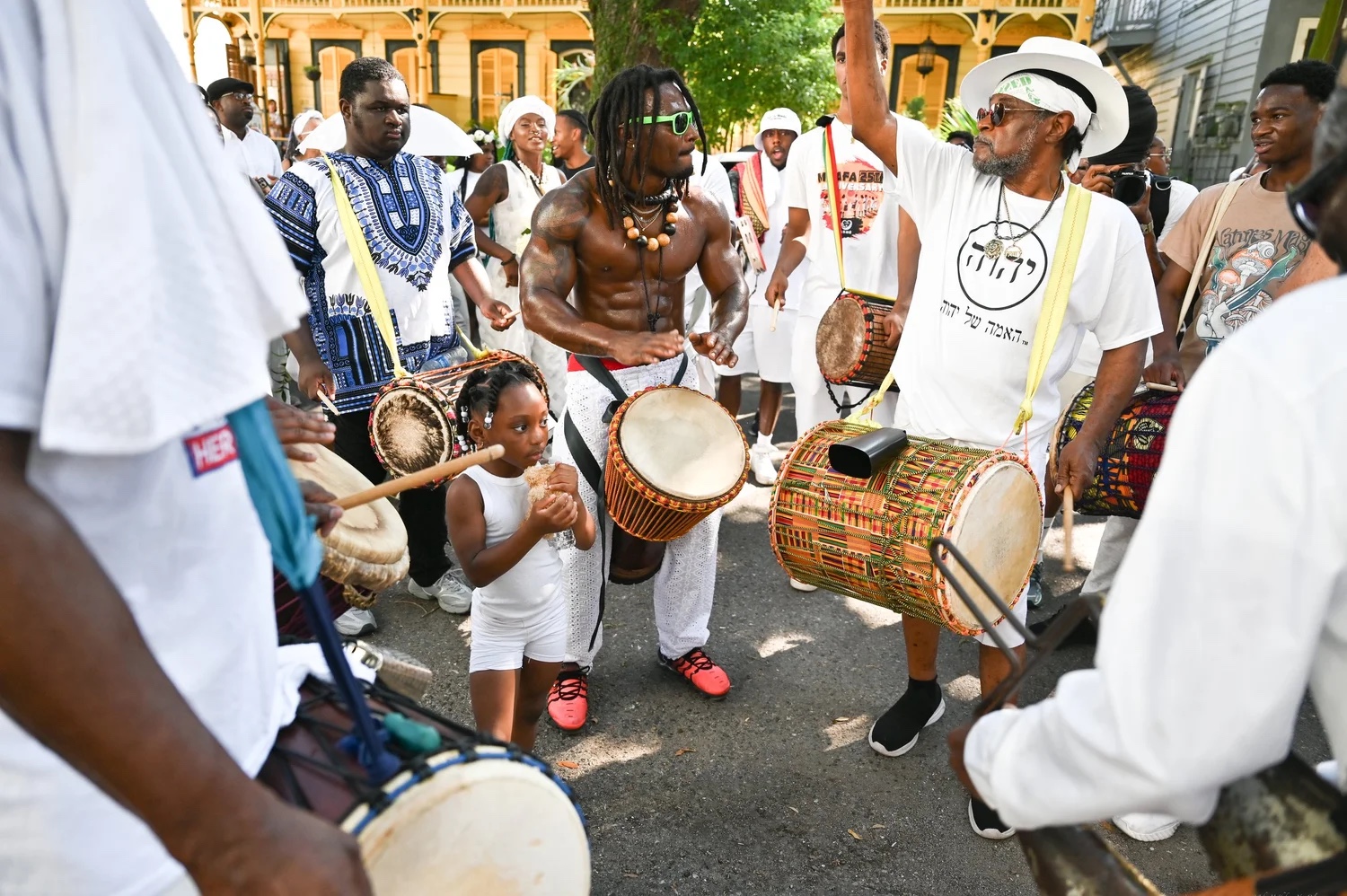
So when we talk about the Haitian influence on New Orleans, we're not simply talking about history that happened "back then." We're talking about a living inheritance that you can hear in the music. Taste it in the kitchen. See pieces of it in the architecture. Find it in the local French language and Creole traditions. And you can even feel it during Carnival celebrations such as Krewe du Kanaval, where Haitian heritage is proudly brought into the streets of New Orleans.
That is what makes the relationship between Haiti and New Orleans so special. The two places both share cultures that refuse to be put neatly into one box, and New Orleans did not simply receive Haitian refugees. It embraced their stories, traditions, struggles, music, food, faith, and dreams.