NOLA's Chef Lena Richard
Lena Richard was one of the most influential chefs of all time, and one of the reasons Creole cuisine became a national sensation.
Richard showed the country the beauty of the Black kitchen, but her ethnicity was also the reason her legacy was erased. Her story is that of a trailblazer and is a crucial piece of New Orleans history.
Lena Richard was born in 1892 in New Roads, LA. She and her mom worked for socialite Alice Vairin, helping the Vairin family around the home. Richard did catering jobs for the family as a teen, which developed her passion for cooking. Alice Vairin saw potential in Richard and sent her to take culinary lessons in New Orleans and later at Fannie Farmer's School of Cookery in Boston. Richard attended this school in 1918 when it was extremely rare for a Black chef to attend a prestigious cooking institution. Richard would later dedicate her cookbook to Alice Vairin.
Richard had already beaten odds and prejudices stacked against her as a Black chef in America and continued to defy expectations. After returning from Boston, Richard worked to build her cooking repertoire in New Orleans. She catered weddings, parties, and debutante balls, as well as cooked for the Orleans Club, an elite women's social organization. By 1937, she had gained valuable experience all over the city and had created a reputation for herself.
In 1937, Richard opened a cooking school in New Orleans with her daughter Marie. She didn't just teach cooking, either. She directly gave back to her community. She gave Black New Orleanians the tools to not only be chefs but to own their own restaurants and businesses.
She taught resilience and resistance by giving her students the resources for self-advocacy, encouraging working-class chefs to demand livable wages and safe working conditions. While Richard was teaching students about how to make turtle soup, oysters, and fruitcake, she was also teaching them how to value themselves.
By 1939, Richard published her first cookbook. Lena Richard's Cook Book featured over 350 recipes of classic Creole cuisine. That summer, she went to New York to promote her book, selling over 700 copies on that trip alone. New York Herald Tribune food writer Clementine Paddleford wrote about Richard in a piece titled "Cook From New Orleans Shows Northerners 'Tricks of Trade.'" This coverage caught the attention of the right people, earning her a James Beard endorsement. LeBaron "Lee" Barker, an editor at Houghton Mifflin, visited New Orleans in December of that year and was won over by Richard's culinary talents and agreed to publish her book.
Lena Richard's original cookbook featured a portrait of her on the cover with the title Lena Richard's Cook Book, which promised not only to put her on the map but was an important step for Black chefs in America. When the 1940 edition of her book was published, Richard's name was completely stripped from the copy.
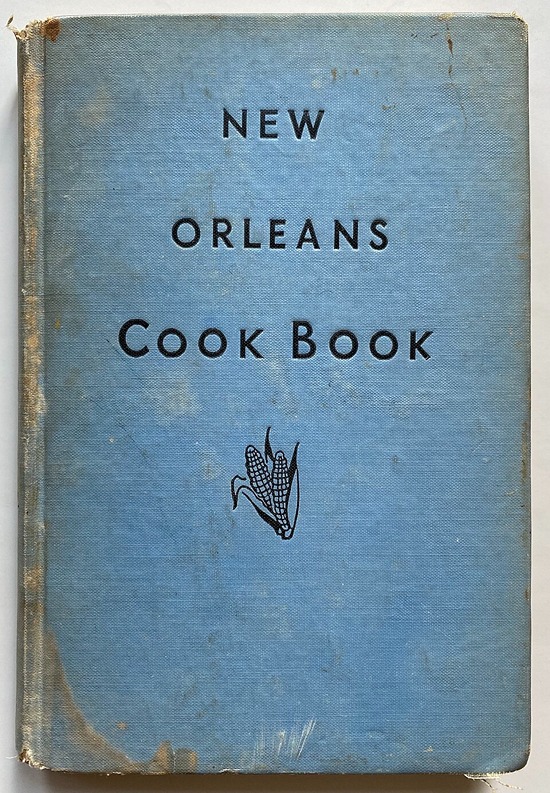
The new book was titled New Orleans Cook Book, with both her name and picture being removed from the nationally distributed work. This was a harsh reminder that her ethnicity would continue to hold her back from her well-deserved recognition in the culinary space. An added foreword by a white author solidified this message of exclusion. The changes made took away any warmth or personality the original book had and gave Richard little credit where it was due.
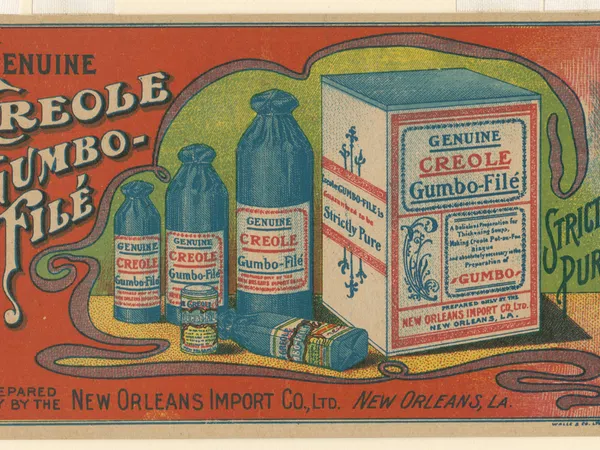
In 1949, Lena Richard opened Gumbo House, one of the few Black-owned fine dining restaurants in New Orleans at the time. In the years leading up to this, she had been hired as the head chef for restaurants in New York and Virginia and had even expanded her cooking business through a frozen-food line, shipping okra and stews as far as New York and Panama. Richard was serving over 50 gallons of gumbo a week and defying restaurant segregation practices while she was at it. Gumbo House served patrons of every color. Richard wasn't only a chef—she was an activist.
In October of that year, WDSU aired Lena Richard's New Orleans Cook Book, her very own cooking show. This made Richard the first Black host of a cooking show, airing more than a decade before Julia Child's The French Chef. The show aired twice weekly and inspired housewives all over the city to learn the art of Creole cooking. After her shows, the crew would fight over leftovers, with no one leaving the set with an empty stomach. While the show was a notable step forward for Black chefs at the time, many couldn't afford a television set, giving the show a mostly white middle-class and upper-class audience.
In the height of her career, Richard owned multiple restaurants in New Orleans and had created a cooking empire rivaled by few. She suddenly passed away due to a heart attack on November 27, 1950, at the age of 58. She had been cooking at Gumbo House the day before, showing her commitment to her craft and her community up until her last breath. Within weeks, WDSU replaced her with another Black chef, Ruth Prevost, on her cooking show. Prevost performed under the name Mandy Lee and took on the exaggerated character of a Black woman. There is no living footage of Lena Richard's original cooking show.
Lena Richard's legacy should be revered. Yet, it was erased. Richard worked tirelessly for better lives not only for herself and her daughter but for Black Americans across the country. She used every tool in her kitchen to fight against segregation, prejudice, and injustice. Richard's love for Creole food brought it to a national stage, and she uplifted others while doing so. While she passed on too early, her memory is that of care, commitment, and hard work. Known fondly as "Mama Lena" by patrons of Gumbo House, we should continue to honor her life and achievements and learn from her story every day.