Beyond the Taco
Sure, nearly everyone loves some variation of a taco. And who would pass up free chips and salsa? Yet there is so much more to Latin food in New Orleans, where Honduran bakeries, Salvadoran pupuserías, Venezuelan arepas, Colombian plates, and Cuban cafés speckle the map among the usual proliferation of Tex-Mex establishments.
Together, they show how much of the city's Latin food life happens in small rooms, strip malls, old houses, and family businesses scattered throughout the Greater New Orleans area. Hispanic Heritage Month is a good time to celebrate this part of our rich culture by taking a self-guided tour of some of the top-rated joints you'll find here—or really, anywhere—and live your best life beyond the taco.
Central America: Baleadas, Pupusas, and Masa
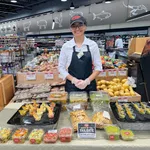
At Norma's Sweets Bakery on Bienville, "bakery" only tells part of the story. Norma Castillo came to New Orleans from Honduras and built a business that now feels like several food traditions sharing one counter. The shop serves as a market, deli, breakfast stop, and hot-food line. Go early for a baleada or their signature fresh-bread and breakfast plates with beans, cream, cheese, avocado, eggs, and meat. You'll want to leave with pastries or empanadas for later.
Opened by the Almendares family, Tia Maria's Kitchen on Tulane Avenue makes the case for starting the day with a double dose of Honduran comfort food with a pupusa breakfast sandwich and a horchata—or the mega baleada for $9—or literally anything off the menu. With fried chicken, carne asada, maduros, and pastelitos, this restaurant's menu delivers one banger after another. It is the kind of menu so robust that return visits are a must.

Across the river in Gretna, Nany's Bar & Grill is the move if you want to break bread with family and friends. Delight in a whole fried snapper, or dig into the chargrill for two—or four or six—with your choice of pork chops, chicken, or flank steak with sausage, fried bananas, tortillas, beans, and more piled high on the table. Everything about their menu is extra, and everything about it is necessary.
La Macarena Pupuseria & Latin Café, a little house on Hampson Street in Riverbend, opened its doors in 2003 and remains one of the city's most established introductions to Salvadoran family cooking. They were also recognized as Best Mex Vegan in the 2024 New Orleans Vegan Chef Challenge. Go for brunch and treat yourself to a combo plate, such as the desayuno Salvadoreño with a pupusa and a tamale. When it arrives, pile on the salsa and curtido, AKA pickled cabbage traditionally served with pupusas.
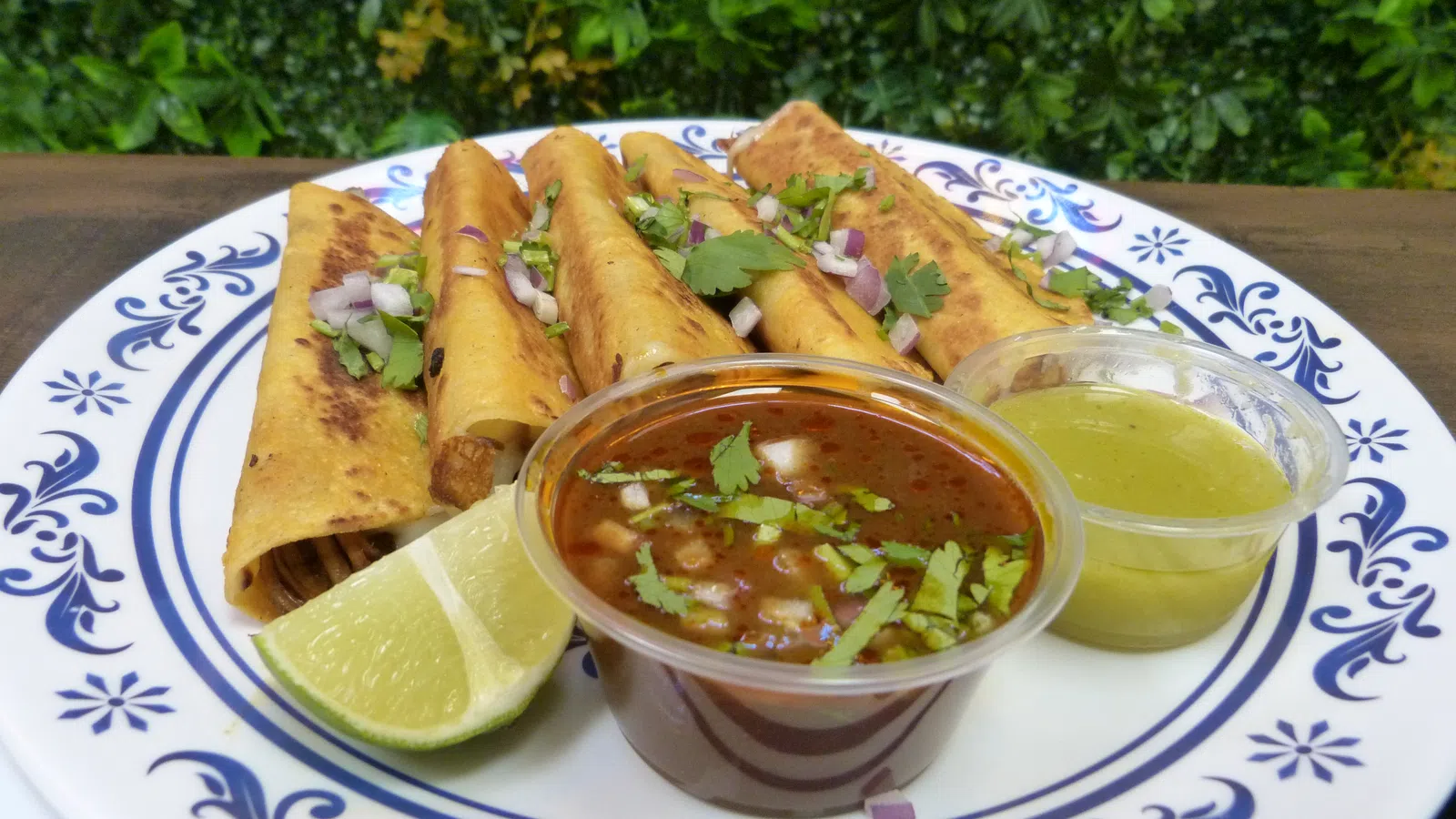
At Mawí Tortillas on W. Esplanade Avenue in Metairie, masa is a legacy. The Avelar family's tortilla business grew into a restaurant serving pupusas, yuca con chicharrón, and breakfast plates paired with stacks of warm tortillas. Corn is not a side note there—it is the center, even when filled with chicken or pork and then wrapped and steamed inside banana leaves, as in their tamales. Whatever you do, be sure to try the quesadilla stuffed with birria and cheese and served with consommé.
Las Cabañas in Kenner keeps the pupusas at the center but makes room for local play. Classic combinations remain, such as loroco—a Central American plant used as a vegetable or herb—beans, cheese, and chicharrón, ready to be paired with jalapeno, squash, and cheese pupusas, and rounded off with a crawfish and cheese pupusa. Or, commit to a set of birria pupusas instead. Orders come in sets of threes.
South America: Two Arepas, Two Traditions
From Central America, follow the arepa south. At La Cocinita on Prytania, Venezuelan food arrives through a long-running food truck turned sunny Uptown café. Founders Benoit and Rachel Angulo built a following on arepas, empanadas, tacos, and street-food ease before opening the restaurant. The standout is El Pabellón, an arepa stuffed with brisket, sweet plantains, queso fresco, black beans, and cremita. It is a portable version of Venezuela's national dish, messy in the best way and built around sweet-savory balance.

Maïs Arepas ensures the Colombian side of the map receives due attention. Owner David Mantilla, from Cali, Colombia, opened the restaurant after helping build Baru Bistro & Tapas in order to focus solely on Colombian cuisine. The restaurant feels relaxed enough for dinner with friends but polished enough for a date, and they mix up what may be the best sangria in town. Also, the entire menu is gluten-free. Try the carnicera arepa with grilled skirt steak, plantains, avocado, and red cranberry beans or the reina with shredded chicken and avocado.
Caribbean: Cafecito, Daiquiris, and Cuban Comfort
The Caribbean turn begins in the French Quarter at Manolito, where Cuban cocktail culture gets treated with care. Named for Manuel "Manolito" Carbajo Aguiar of Havana's El Floridita, the bar calls itself a little cradle of the daiquiri, each made to order. It is a small reminder that frozen drinks can have a history deeper than a souvenir cup. Go for happy hour or a stylish date night, ordering from their extensive list of daiquiris. Share the ropa vieja for two—a spice-and wine-braised beef with olives, raisins, and capers paired with maduros and beans and rice. Looking for something lighter? The Cuban hummus, made with black beans, is a fresh option.
For daytime Cuban cravings, Café Conmigo on Jena St. is one of our freshest coffee-and-sandwich stops. A baby of the High Hat Café team, this Miami-style café slings Cuban coffee, guava-filled pastries, and pressed sandwiches, including a standard Cuban and a frita Cubana—a spiced beef burger with melted American cheese, onion, and crispy shoestring fries. The large outdoor patio invites people to linger, so you might go with croquetas de jamón and maduros or tostones and stay a while instead.
Together, these restaurants make the point better than any slogan could. Latin New Orleans is not one plate, one flavor, or one country. It is Honduran breakfasts, Salvadoran masa, Venezuelan and Colombian arepas, Cuban coffee, and family foodways that deserve to be named clearly. Our call for a quest beyond the taco is a celebration of—and call for an indulgence in—the diversity and universal pleasure of Latin food. Indeed, even an arepa is not one thing. It is an invitation to taste more widely, to follow the city through its bakeries, cafés, bars, and pupuserías and to let each kitchen keep its own name.