Stages with Culture
WWOZ Jazz Tent
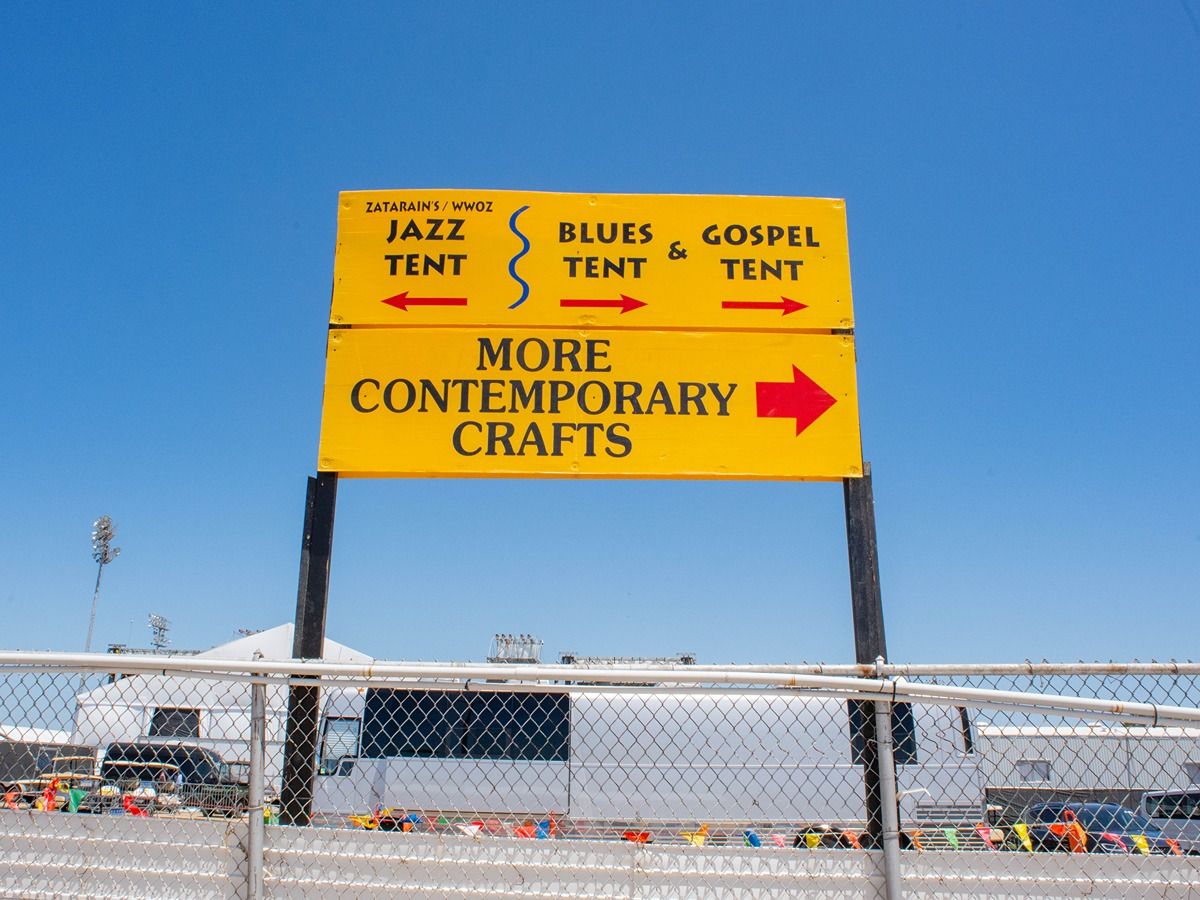
Jazz is a New Orleans creation that mixes ragtime, marching band music, European voice leading, and Latin and African rhythms. The sounds of the European, African, Caribbean, and American peoples in this port city and the burgeoning Mississippi Delta culminated in this exciting new genre honed in the gambling houses and brothels of Storyville, the red-light district just north of the French Quarter from 1897-1917. Jelly Roll Morton claimed to have invented the jazz style in a 1938 letter to Robert Ripley of the Believe It or Not radio program, "It is evidently known, beyond contradiction, that New Orleans is the cradle of jazz, and I, myself, happened to be creator in the year 1902. Jazz music is a style, not compositions. Any kind of music may be played in jazz, if one has the knowledge."
Blues Tent
Blues is a rural folk music that originated in the Mississippi Delta region. Dockery Farms in Mississippi claims to be its birthplace. Dockery Farms operated basically as a small city, and festive events often included live performances by the resident musicians. Influential musician Charley Patton lived and worked there with his family beginning in the early 1900s. He was taught to play guitar by fellow farm worker Henry Sloan. Patton was the influence and/or mentor of Tommy Johnson and Howlin' Wolf, among countless other artists.
Gospel Tent Presented by Morris Bart
Gospel music was born in Christian churches in the early 1900s. Evangelist and composer Thomas Dorsey of Chicago blended energetic jazz with more solemn gospel hymns and traditional spirituals in the 1920s, and he put together a gospel music choir to create the National Convention of Gospel Choirs and Choruses by the 1930s. Native New Orleanian Mahalia Jackson was in this choir.
Allison Miner Music Heritage Stage
Allison Miner was instrumental in bringing Jazz Fest to life. She was recommended by her boss Richard Allen at the Tulane University Jazz Archive to help George Wein put together the first Jazz & Heritage Festival in 1970. Miner booked musicians for the first five years and went on to manage artists. This is where festival acts are interviewed. It's an amazing close-up way to get to know artists on a deeper level.
Lagniappe Stage
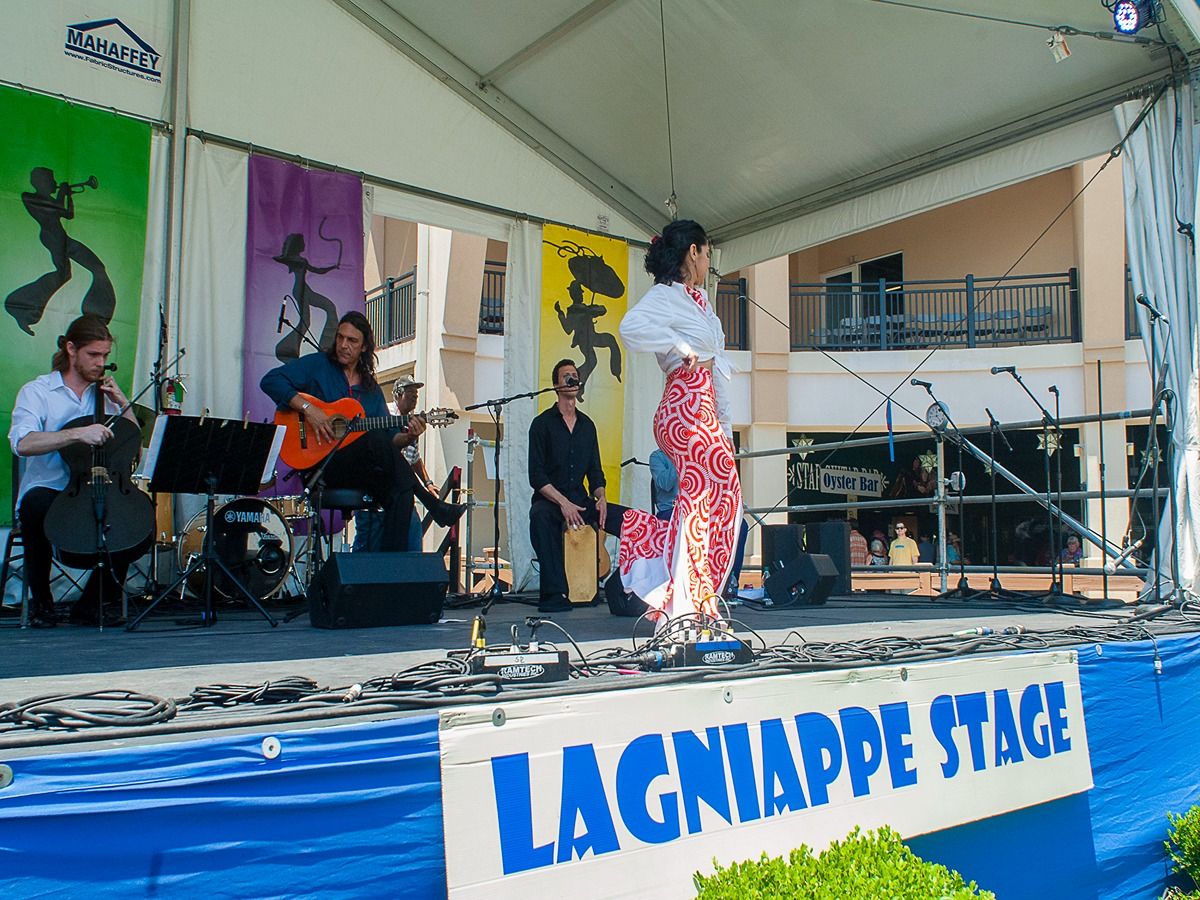
Lagniappe is a word that means "a little something extra [usually for free]" in Louisiana vernacular.
Food Heritage Stage
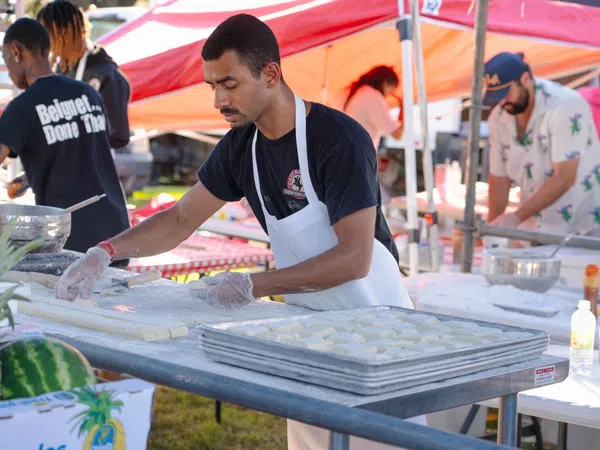
Local chefs cook dishes and explain the history and techniques behind them. If you're lucky enough to get a seat, you can get a sample of what the chef is preparing. This is a great way to understand the historic and current cuisine culture here, and you'll leave with a few tips and tricks that can last forever.
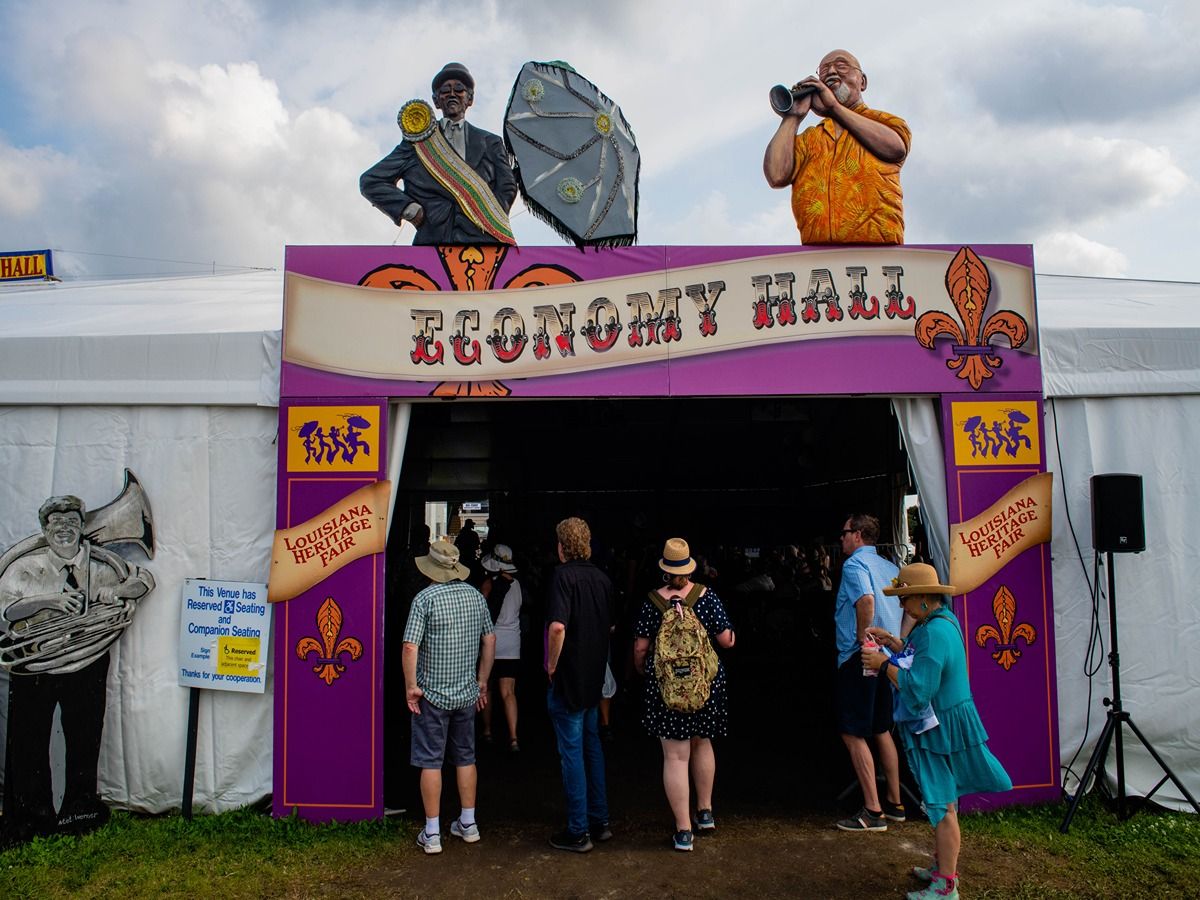
Economy Hall Tent
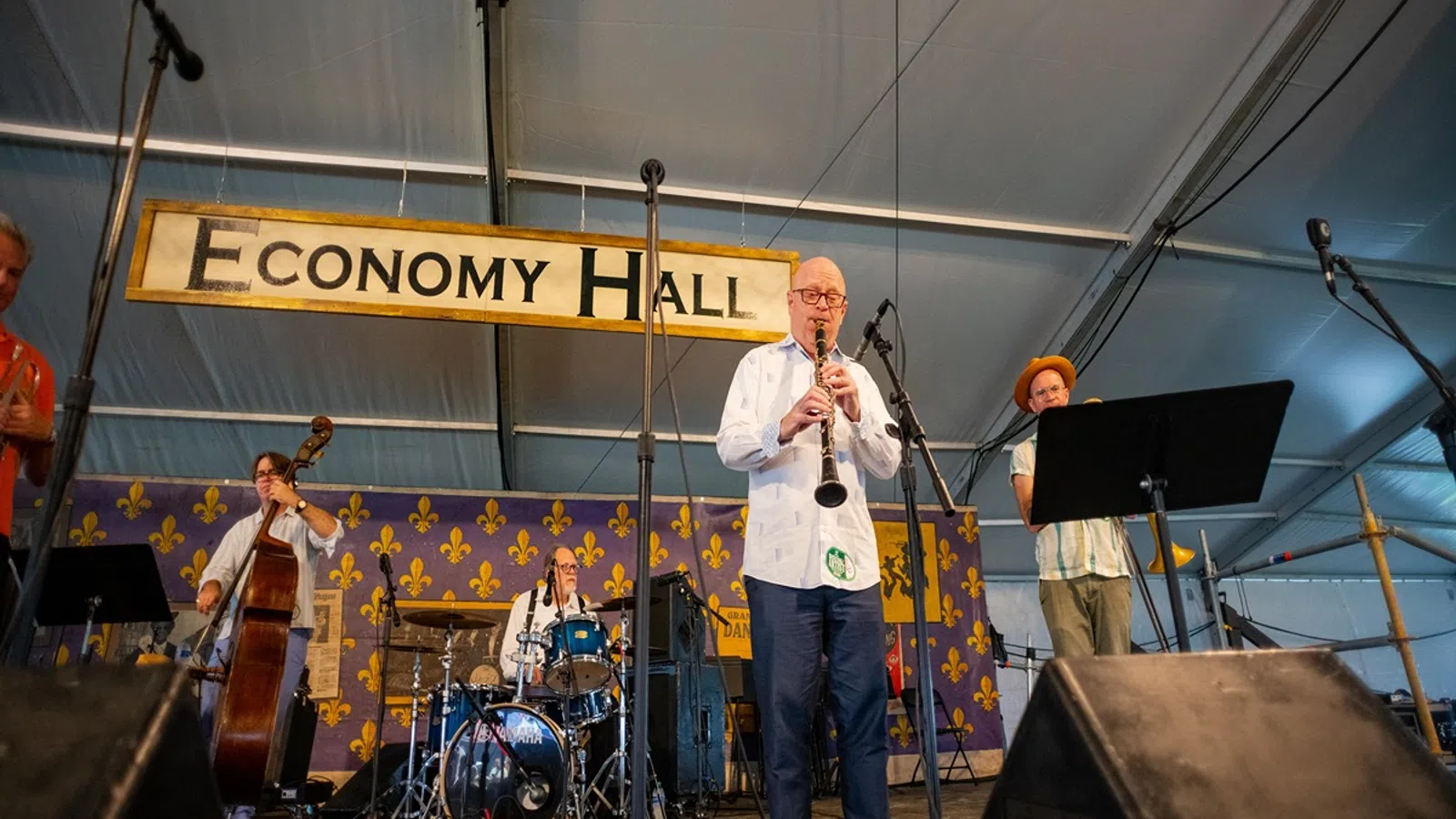
The Societe d'Economie et d'Assistance Mutuelle was founded by a group of free people of color in 1836 looking to provide funds for members in need like an insurance policy. The society opened the Economy Hall venue in 1857. In addition to orchestras and operas, musicians, including Buddy Bolden and Kid Ory, performed a newer form of music called jazz.
Ochsner's Children's Tent
Opened by Alton Ochsner and four other physicians in 1942, Ochsner Heath is now the leading non-profit healthcare system in the Gulf South. This family-friendly area features music, activities, and the Peace Garden.
Shell Gentilly Stage
Gentilly is a New Orleans neighborhood that was built in the 1940s, '50s, and '60s as the city's population expanded beyond the riverside. Gentilly stretches from the Fairgrounds neighborhood all the way to Lake Pontchartrain.
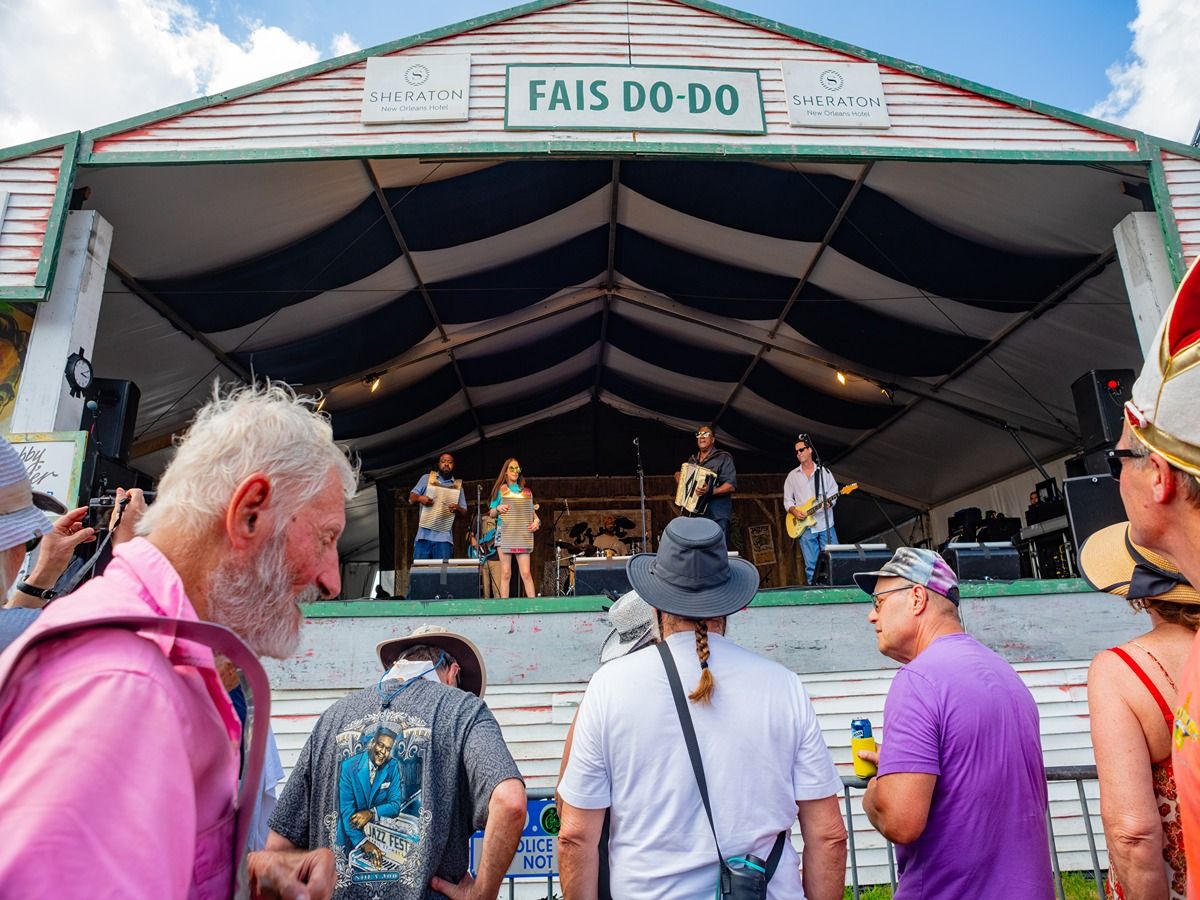
Sheraton New Orleans Fais Do-Do Stage
This stage pays homage to the Acadian culture of Louisiana, which is centered around Lafayette. The Acadians were French Catholics that settled in Canada in the 1600s. The conquering British deported most Acadians to America's east coast and France in the 1750s. The Louisiana colony's Spanish government recruited Acadians in France to populate the area adjacent to the New Orleans colony, and the Acadians found a new home close to other French-speaking, Catholic settlers. Eventually, they became known as Cajuns.
Louisiana Folklife Village
Members of Louisiana's Native American tribes showcase their heritage in the form of dances and food. Artisans perform domestic crafts such as blacksmithing and basket weaving. This is a wonderful way to learn about Louisiana before colonization and a few years after it.
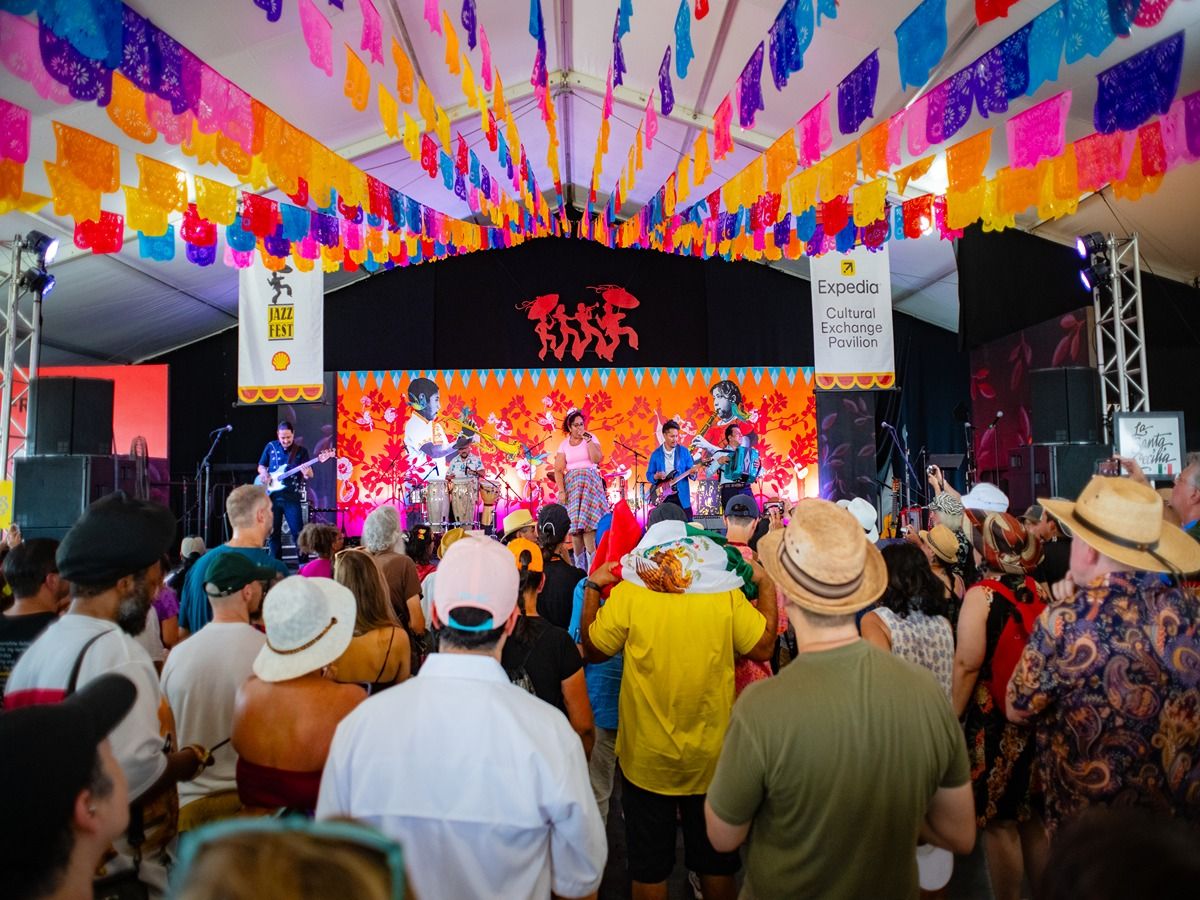
Expedia Cultural Exchange Pavilion
Every year, Jazz Fest picks a country to bring musicians from, and Jamaica will be this year's featured country. This pavilion will feature the musical talents of Lutan Fyah, ShowJam Mento Band, Jemere Morgan, and more. You'll hear things you've never heard before, and the musicians really seem to appreciate bringing their voice to new audiences.
Jazz & Heritage Stage
New Orleanians wanted a jazz festival like the Newport Jazz Festival, but segregation laws and racist attitudes prevented it until 1969 when New Orleans Jazz Club President Durel Black tapped festival producer George Wein to create it. Wein asked Preservation Hall Director Allan Jaffe for assistance, and he brought on Quint Davis and Allison Miner. The first New Orleans Jazz & Heritage Festival occurred in what is now Armstrong Park, the historic area of Congo Square. It relocated to the Fair Grounds Race Course in 1972.
Festival Stage
This stage features the fest's most internationally-known acts. Many Jazz Fest fans stake their plot there with colorful flags, which has become a fest tradition.
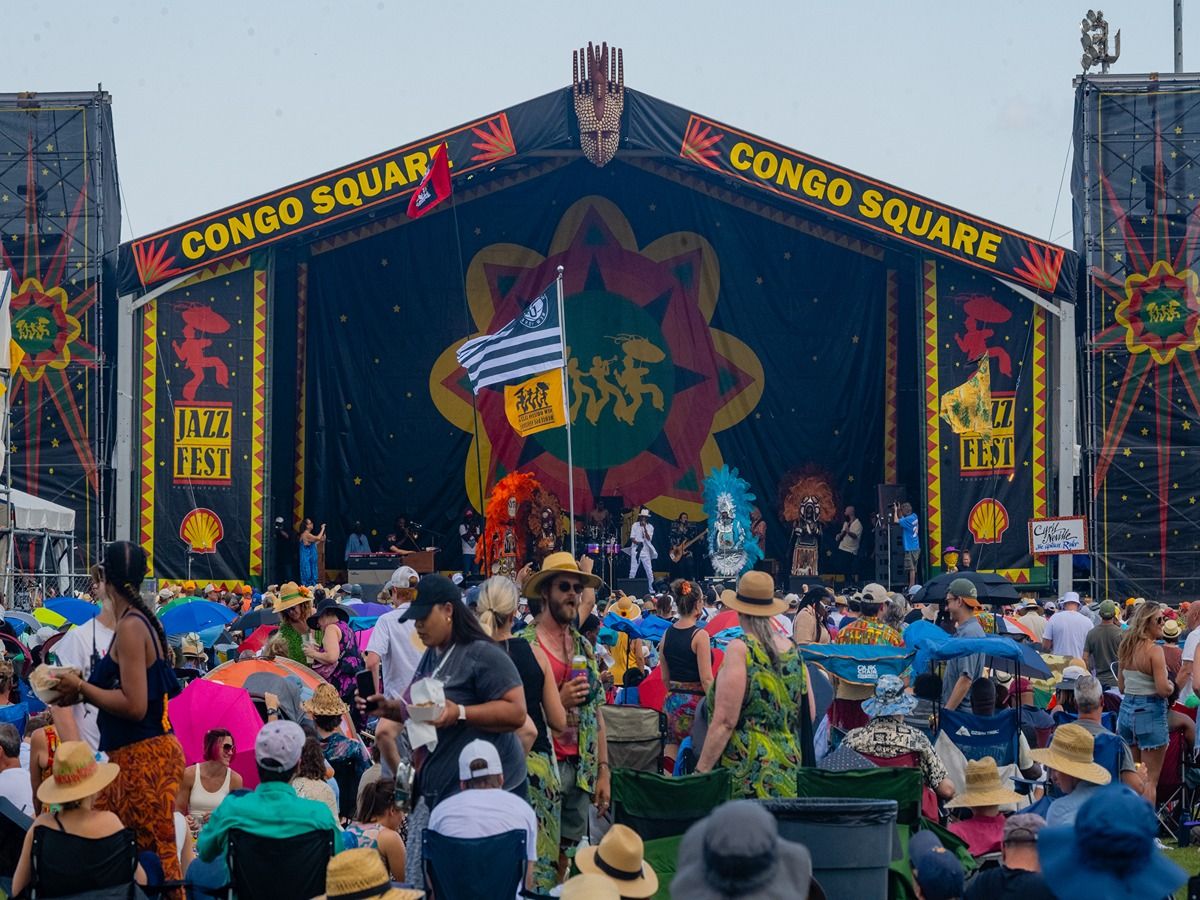
Congo Square Stage
Inside Armstrong Park on Rampart Street, Congo Square is the historic area where enslaved African people could freely congregate on Sundays. Notably, people would play the music of their homeland while others danced, keeping their traditions alive. These rhythms influenced generations of musicians, including composer Louis Moreau Gottschalk, who intertwined African and European music in the mid-1800s.