Straws on the Side
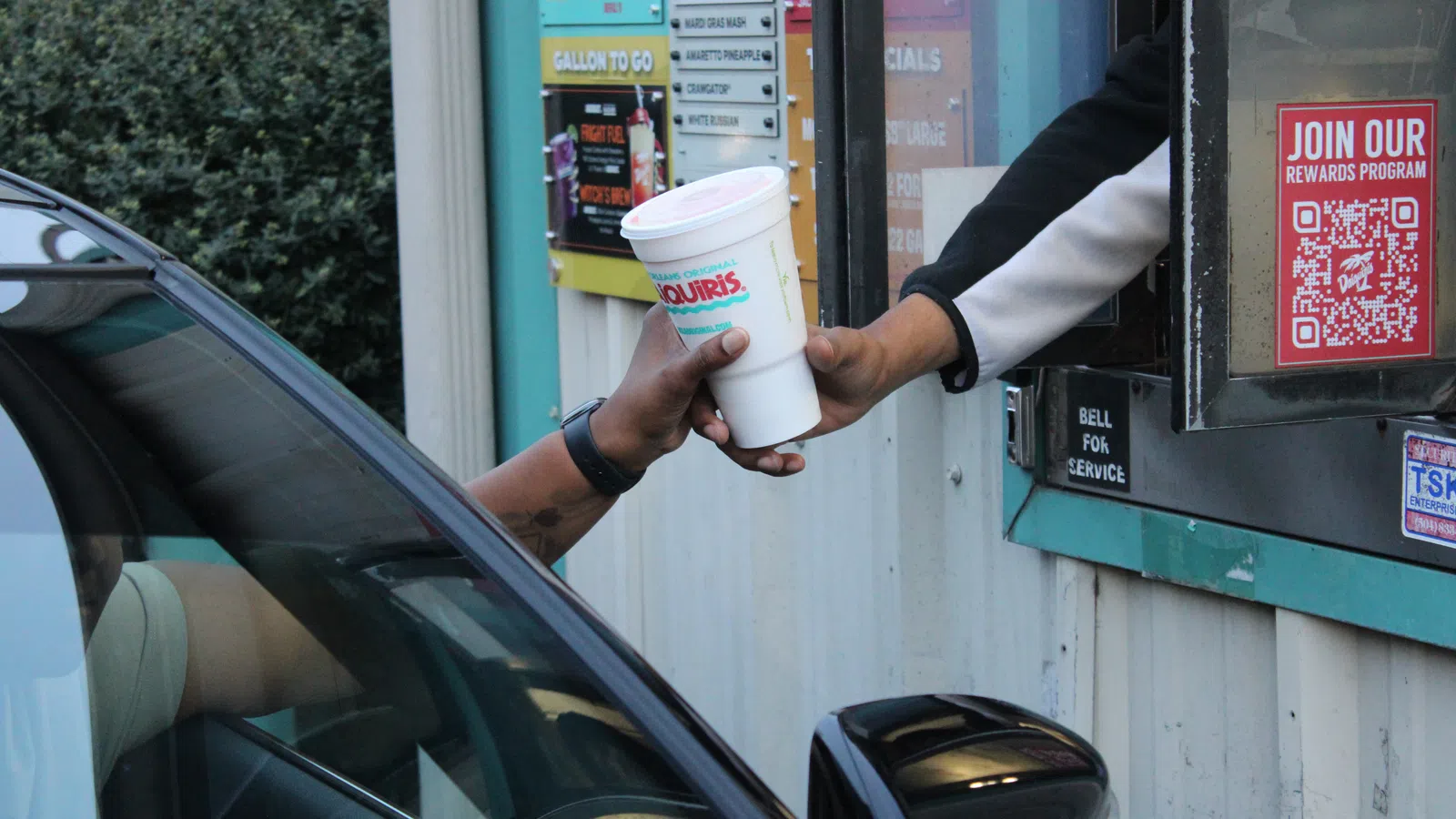
There are very few places where you can roll down your car window, order a cocktail, and drive off with the straw still tucked in its wrapper. Louisiana is in that number. To outsiders, it sounds far-fetched, but, down here, it's a normal affair.
The drive-thru daiquiri isn't just a quirky roadside stop. It's a part of the culture, sitting proudly alongside gumbo, crawfish boils, and king cakes. Frozen and fruity, these colorful cocktails are a classic part of the state, and the drive-thru local landmarks that house them are a part of the attraction.
A Spirited Drive-Thru History
Before daiquiri drive-thru windows became a familiar sight across New Orleans, the concept was little more than a bold idea in the mind of a college student. In 1980, in Ruston, LA, a convenience store called Wilmart began serving a new kind of treat—frozen alcoholic beverages known as frostys. The drinks quickly gained popularity, drawing long lines and creating loads of customers waiting for their frosty fix.
Among the regulars was David Ervin, a business student at Louisiana Tech University who saw more than just a tasty trend. He recognized that it was a business opportunity. He also noticed the inefficiencies. The lines were too long, and the wait was too frustrating. One day, standing in a parking lot, Ervin sketched out a concept that would eventually transform Louisiana drinking culture—a drive-thru frozen cocktail shop.
Armed with a $20,000 loan, Ervin leased a small lot on the outskirts of Lafayette, ordered a prefab building, and invested in frozen drink machines. He loaded up on ingredients such as strawberries and Coco López, branding his entire menu under the term "daiquiri." With no guarantee of success, and many skeptics, he opened the doors to The Daiquiri Factory in 1981.
The initial days were quiet; however, very soon, cars began to pull in. Word spread quickly. Within a week, The Daiquiri Factory had become a local sensation.
What Ervin hadn't fully anticipated, however, was the legal gray area his business occupied. The operation wasn't a bar, but it didn't neatly fit the mold of a liquor store either. Local officials soon challenged The Daiquiri Factory, citing open container violations.
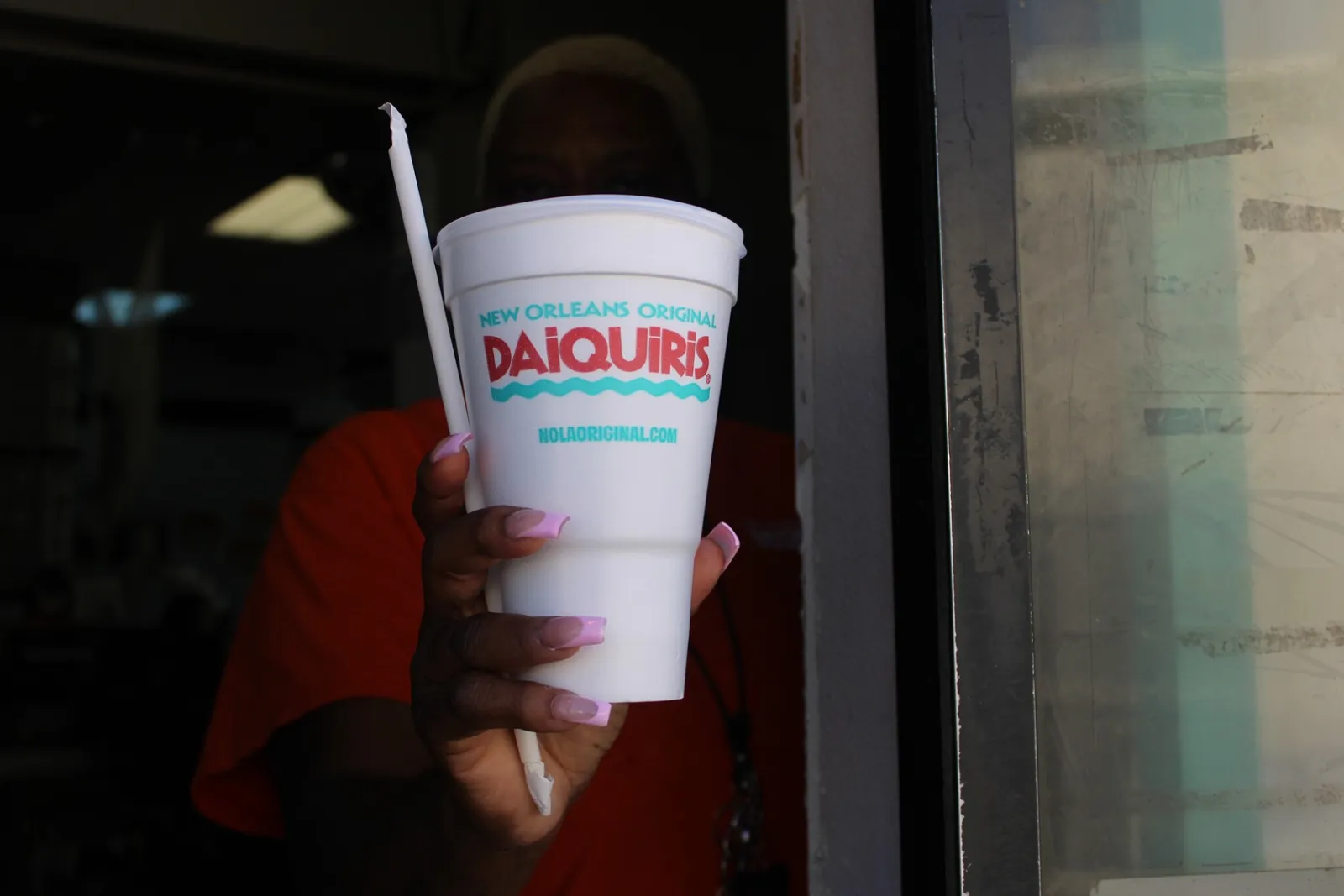
Facing the threat of shutdown, Ervin responded with a now-legendary workaround—a strip of non-resealable freezer tape placed over the straw hole of each cup. Straws were handed out separately, wrapped in paper. This simple act redefined the drink as a sealed container, and the courts agreed.
Ervin's creative fix didn't just keep his business afloat, it effectively set a new legal precedent. Today, Louisiana law still reflects that loophole, stipulating that frozen alcoholic beverages with sealed lids and separate, uninserted straws qualify as closed containers. His quick thinking and entrepreneurial spirit helped shape a uniquely Louisiana phenomenon—the drive-thru daiquiri shop.
More Ideas, More Problems
Of course, not everyone was thrilled. The same year The Daiquiri Factory opened, Mothers Against Drunk Driving (MADD) was founded, and critics argued that selling cocktails through car windows was tempting fate. But Louisiana, with its laissez faire attitude, pushed back.
This is, after all, the place where "go-cups" are a way of life. In New Orleans, you can walk down Bourbon Street sipping a Hurricane, plastic cup in hand, with no questions asked. Compared to that, a taped-lid daiquiri felt almost tame.
While concerns about drunk driving were real, statistics painted a surprising picture. Louisiana's fatality rates weren't even among the highest at the time. More than 20 other states with stricter alcohol laws ranked worse.
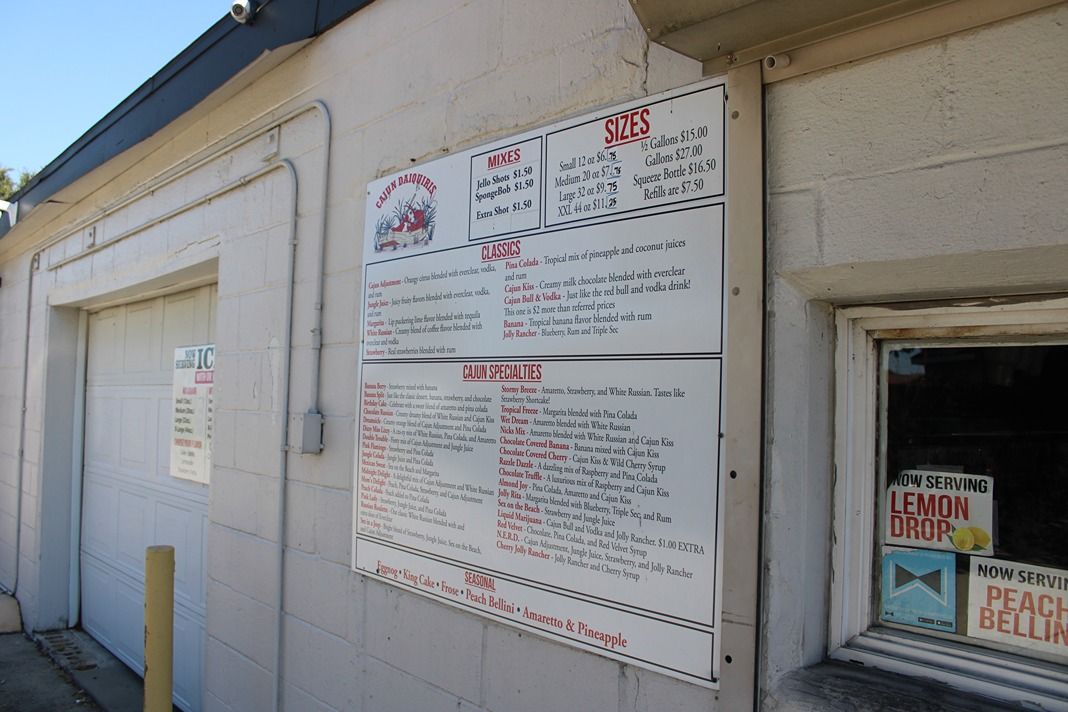
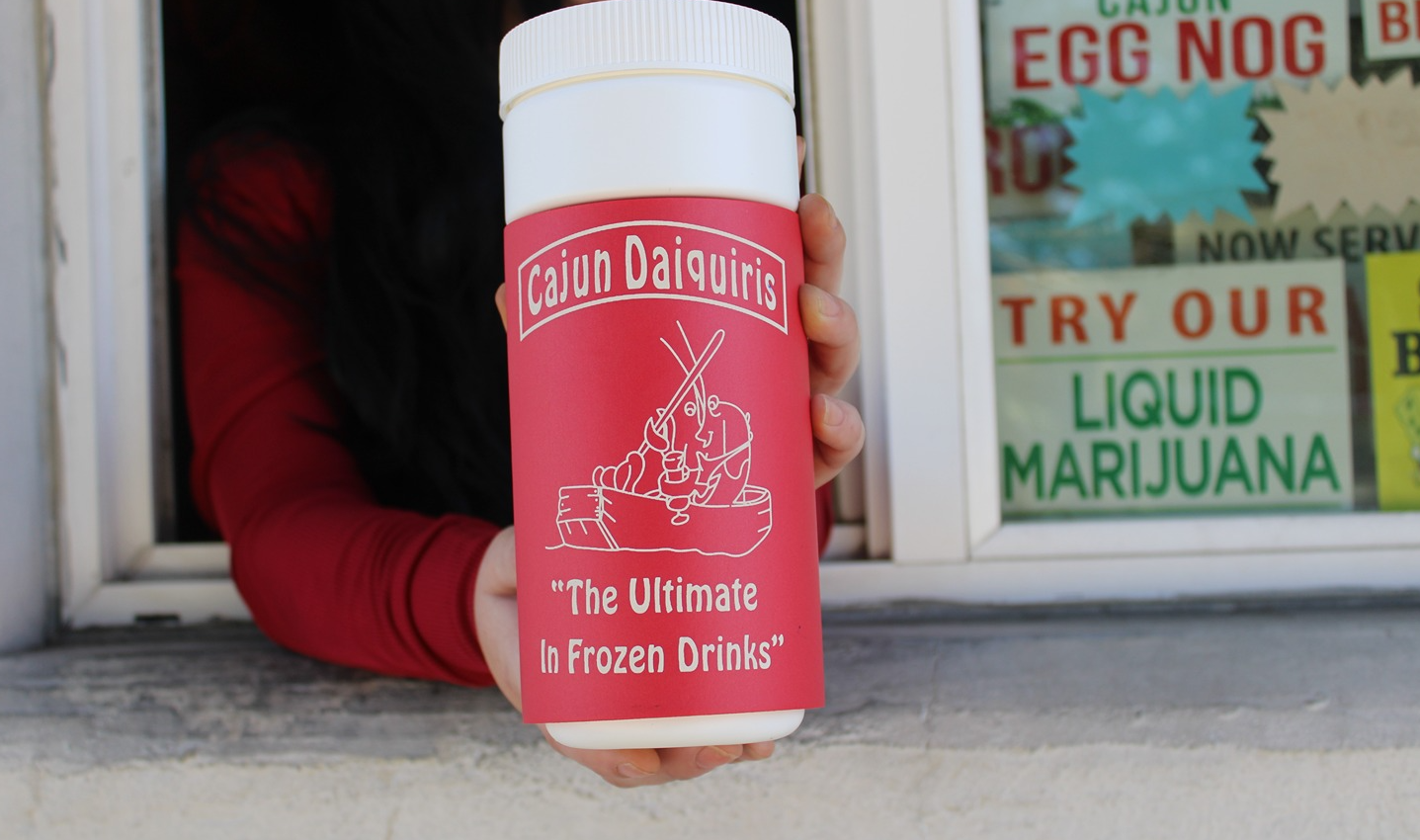
The Daiquiri Factory itself didn't last forever. By the late 1980s, Ervin's flagship closed, but his creation lived on. Today, you'll find drive-thru daiquiri shops dotting highways and neighborhoods across the state. Some are flashy with long menus of neon-colored options, while others are modest mom-and-pop operations. Many even sell daiquiris by the gallon or in giant party buckets. And, yes, Ervin still owns one location in the New Orleans suburbs, a quiet nod to the legacy he built.
Not Just for Tourists
To outsiders, drive-thru daiquiris feel like a tourist gimmick, the cousin of the Hand Grenade. But for locals, they're as everyday as a sno-ball stand. Need a quick pick-me-up on the way home? Grab a daiquiri. Headed to a crawfish boil? Bring a gallon. In Louisiana, these frozen cocktails aren't about mixology or fancy garnishes. They're about convenience.
Of course, tourists do visit drive-thru daiquiri shops. While initially met with disbelief, tourists often spot one daiquiri stand after another until, finally, curiosity wins. Inside, they're greeted by rows of humming slushie machines and flavor boards filled with sometimes questionable names. New Orleans, in particular, embraced the drive-thru daiquiri concept with open arms. While the city is internationally known for its open-container leniency and drinking culture, it was the convenience of grabbing a 190 Octane or Jungle Juice from a sealed cup in the comfort of a car that sealed the deal. The daiquiri shop quickly became part of everyday life for locals, especially in neighborhoods beyond the French Quarter, mostly in neighboring Jefferson Parish.
Among the most recognizable names in New Orleans' daiquiri scene is New Orleans Original Daiquiris. Founded in 1983, just a couple of years after Ervin's first stand, the chain helped popularize the drive-thru format in the Crescent City and beyond. With dozens of locations across the metro area, their popularity and consistent flavors turned them into a household name.

Daiquiris Our Way
Today, drive-thru daiquiri shops have become a symbol of Louisiana culture. They may raise eyebrows elsewhere, but, here, they make perfect sense. Every taped lid is a reminder of one man's wild idea, as well as a state's willingness to roll with it. So the next time you're cruising through Louisiana and spot a neon "Daiquiris To-Go" sign, don't hesitate. Pull up, roll down your window, and order yourself a little slice of history—straw on the side, of course.