
Cocktail Construction
Let's have some cocktails. We should enjoy something delicious, pleasing, fun, and do it all in good company.
If that sounds appealing to you, but things don't turn out as you hoped for, where did it all go wrong? How come cocktails made in bars and restaurants are so much better than anything you have done at home? Where does the entire "do-it-yourself" project get off the track and the result does not measure up to what you hoped?
Let's start with the fact that do-it-yourself projects of any type hardly ever measure up to what you can buy at stores or online. We've all experienced the sad reality that where we end up with a DIY project is not what our mind conjured before the project started.
When it comes to making cocktails, maybe that is all-too-frequently the case. Maybe we have struggled to make the perfect Sazerac or Ramos Gin Fizz and the end result has fallen short of our goals. If you have tried on any number of occasions to complete the task to your satisfaction and never have, the frustration starts to stack up and you abandon this effort and move on to something else; however, you still want the cocktail and you want it to taste right.
There are a number of ways a homemade cocktail can go wrong and darn few ways the outcome can come up to what you set out to accomplish. Let's agree that there are some matters outside your control, but, mostly, there are also matters within your control. If you focus on those issues over which you have control, the quality of your outcomes will improve. Let's look at some controllable variables that will make a big difference.
Define a Good Recipe
It makes sense that we all have different palates; therefore, what each of us tastes from the same ingredients is different. If you are the chef, the final product has to be to your standards and your taste. Never mind that some in your audience would prefer sweeter or spicier, the key component is what are your tastes telling you? Find a good recipe that you like and follow it. Follow it slavishly.
Be Creative Someplace Else
Often, the bar chef will substitute ingredients or mess with the quantities. That screws up everything. The most dreaded words to hear from someone making a drink or a food dish are, "This is my version of…." When a drink or a dish is called by a name, that means there is general agreement about the ingredients and the preparation. Mess with it at your peril. If you want to create and serve a Singapore Sling, there is a definition as to what's in that and what is the proper outcome. Don't fight it. The original is accepted and reasonably expected by your audience. If you want to mess with perfection, don't mention the original to your audience until after they have tried it. Let them come to their own conclusion as to whether what you have created is anything like a beloved Singapore Sling or it's better. In truth, there are very few cocktails or food recipes that are not derivative of something that came before. Allow your audience to come to their own conclusions. In the end, this could be better for you.
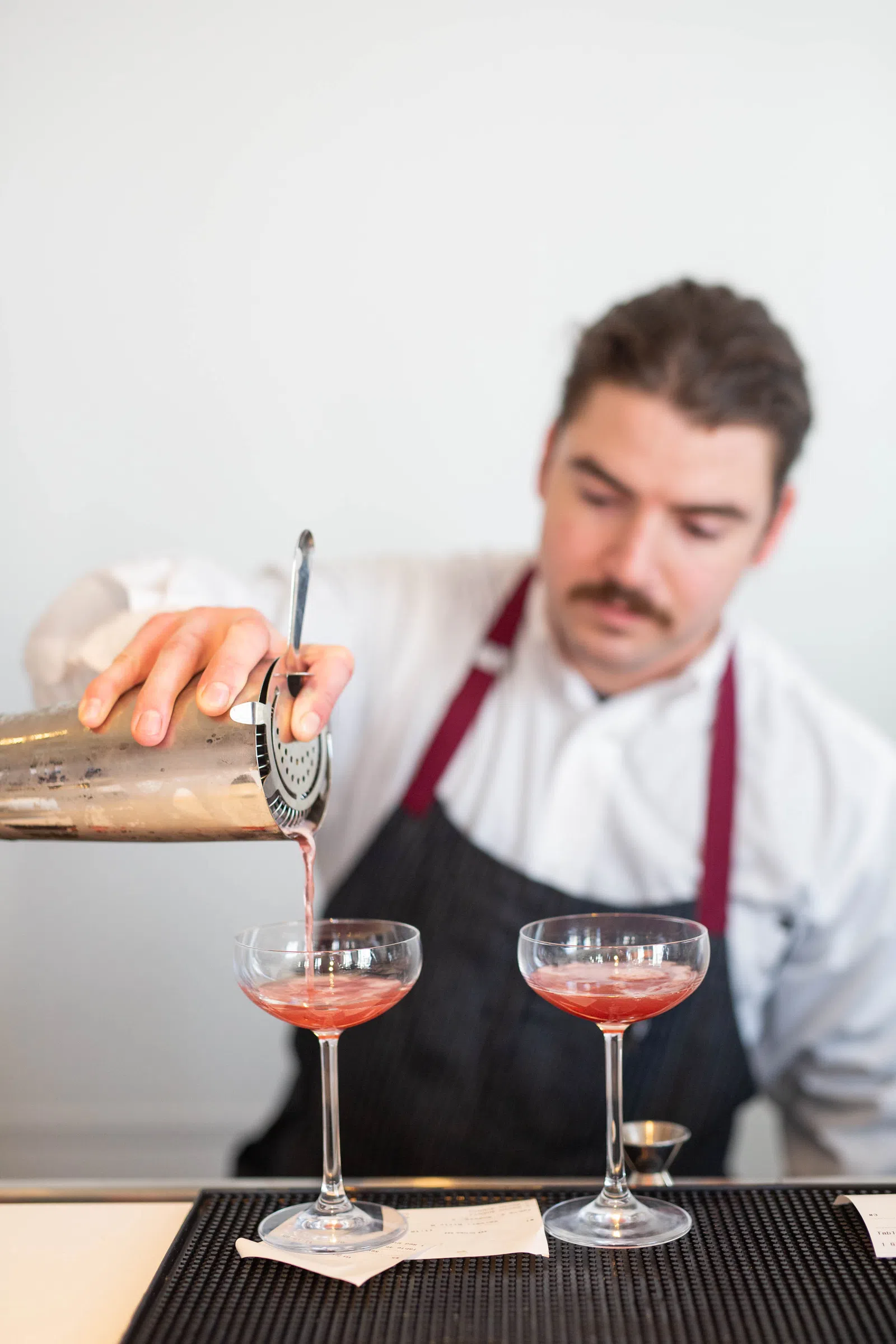
Use Only the Best Ingredients and Don't Skimp on the Quality
No one needs to convince us that just about everything right now is too expensive. We are all attempting to save money on our purchases by buying at the lowest cost. However, often those low cost items are of lesser quality. Sometimes, the lesser quality item works perfectly well instead of the more expensive item. In cocktail ingredients, that is almost-always never the case. The taste and bouquet of a cocktail is its key benefit to the palate enjoying it. Taking an ingredient that calls itself about the same thing as the higher priced ingredient that is called for in the recipe very seldom brings about the pleasure or enjoyment expected by the consumer. A short piece of advice about ice—buy it. You do not clean your ice system at home like the commercial ice houses clean theirs. Buy ice for your cocktails, and what you don't use, toss out. Don't re-freeze any leftovers.
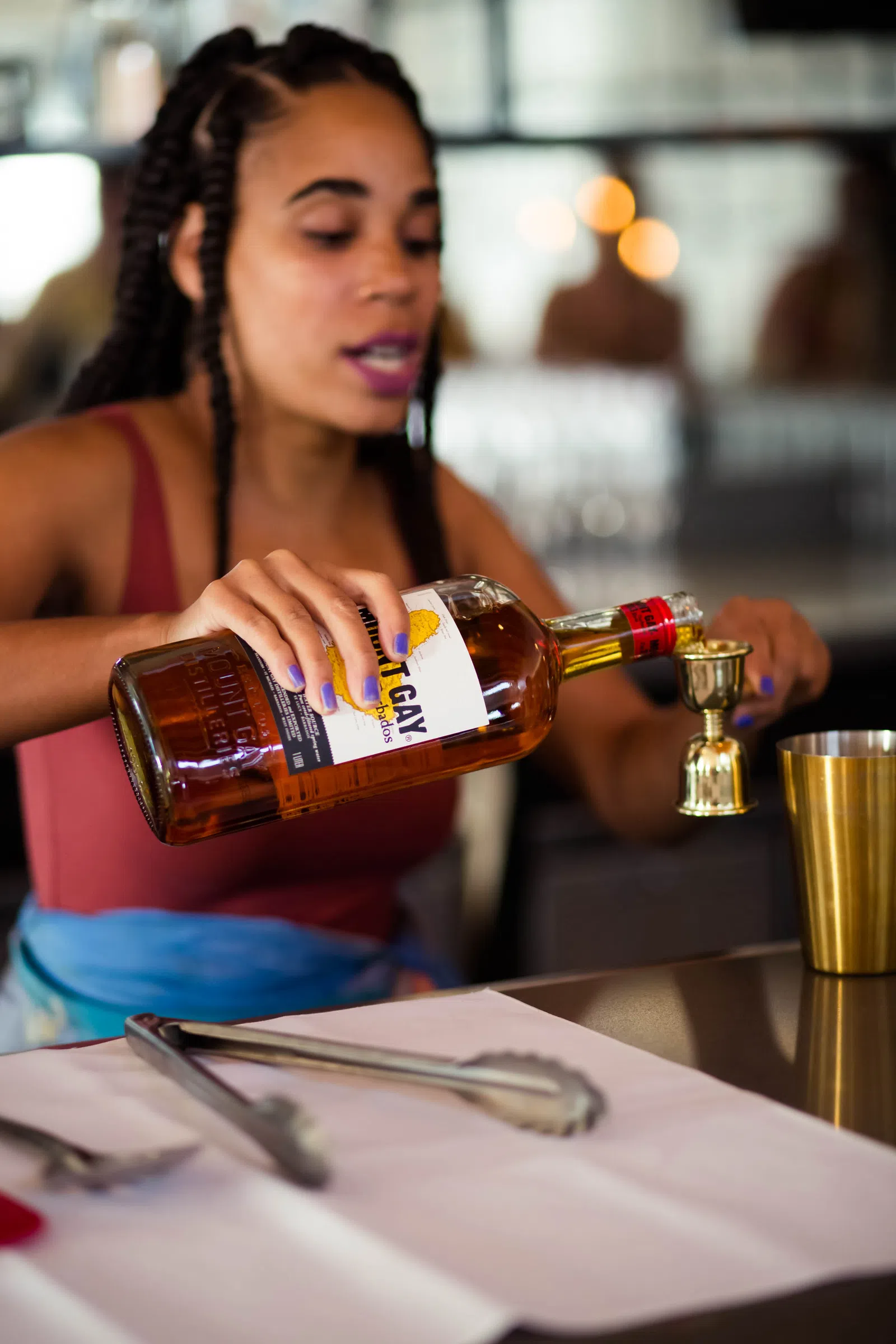
Use a Measuring Cup/Spoon Every Step of the Way for All Ingredients
The reason every ingredient is in every dish or cocktail is that they are providing another aspect of the final product. They are contributing to what you, the chef, is trying to achieve. The quantities of the ingredients has been pre-determined either by a professional kitchen, who are the original creators of the dish/cocktail, or the ingredients have been defined by multiple professionals. At least for the first couple of batches, you stick to the specifics of the recipe. It is logical that after you have made the cocktail according to generally accepted definitions, you will want to experiment. Maybe you have an affinity for a particular ingredient and would like to take it to a higher profile with your creation? Don't do that initially. Create the drink as the experts have laid it out with ingredients and quantities. After you've created a few whatevers, then the experimentation can take place. A cocktail's key component is balance. By deviating from the recipe, you are messing with the balance. You are messing, therefore, with the outcome. Nothing can be a bigger turn-off to a home creation than too much of a good thing. Even a Mint Julep with too much mint can quickly become a not-so lovely experience.
Have fun, but take pride and follow the necessary steps to make a cocktail that your friends will be enjoying and talking about for a long time to come.