Sylvester "Hawk" Francis' Legacy at the Backstreet Cultural Museum
In the middle of Tremé, the oldest African American neighborhood in the country, sits a little building with a big job. What's that job? It's keeping the memory of New Orleans culture alive.
The Backstreet Cultural Museum isn't the quiet, "don't-touch" kind of museum. It's a place where culture is still moving.
The story starts with Sylvester "Hawk" Francis, a Seventh Ward native who decided in the 1970s that somebody had to keep track of what was happening in the streets. Francis picked up a Super 8 camera and went where the culture went. He would attend second lines, jazz funerals, and Mardi Gras Masking Indian parades. He wasn't just watching, he was also a part of it, having been part of a social aid and pleasure club. "Before 1999, he had a heavy presence in the culture already, pretty much documenting films and photos of cultural events such as Mardi Gras Indian parades, jazz funerals, second lines," Dominique Dilling, executive director of Backstreet Cultural Museum and Sylvester Francis' daughter, said.
Francis' goal was simple—making sure Black New Orleans could see itself. Every parade, every Big Chief suit, every kid dancing behind the band—all of these things—he caught it all on film.
"During his time of parading, he was approached by a photographer who actually tried to charge him for his own photograph, and that didn't sit well with him," Dilling said. "That's what gave him that extra drive to kinda start documenting and photographing and filming the culture."
By 1999, Francis turned his collection into a permanent home. With help from family such as his sister Elvera Touro, friends such as Joan Rhodes, and culture bearers such as Big Chief Victor Harris, he originally opened the Backstreet Cultural Museum in a former Tremé funeral home called Blandin. That previous location made sense. Not only had Francis previously worked at Blandin, that was a place where the deceased were remembered, and he was committed to keeping the culture alive.
"[The culture bearers] were so appreciative of the photo and film collection that he would always keep two copies of [documentation] and give to that person free of charge," Dilling said. "So, in return, they were like, 'Well here's my second line suit, here's my umbrella, here's my hat.' Whatever they had, they gave it to him with a story."
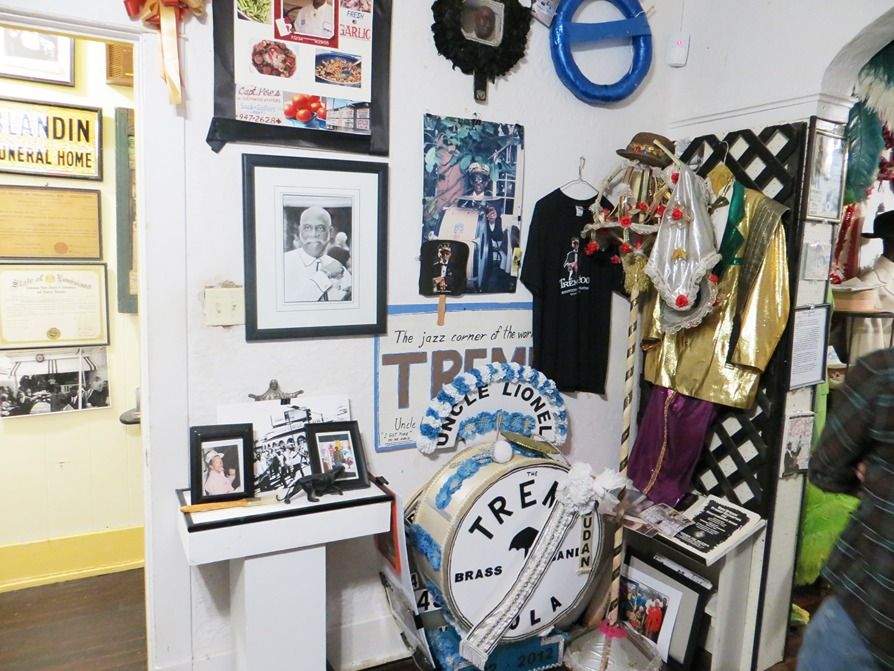
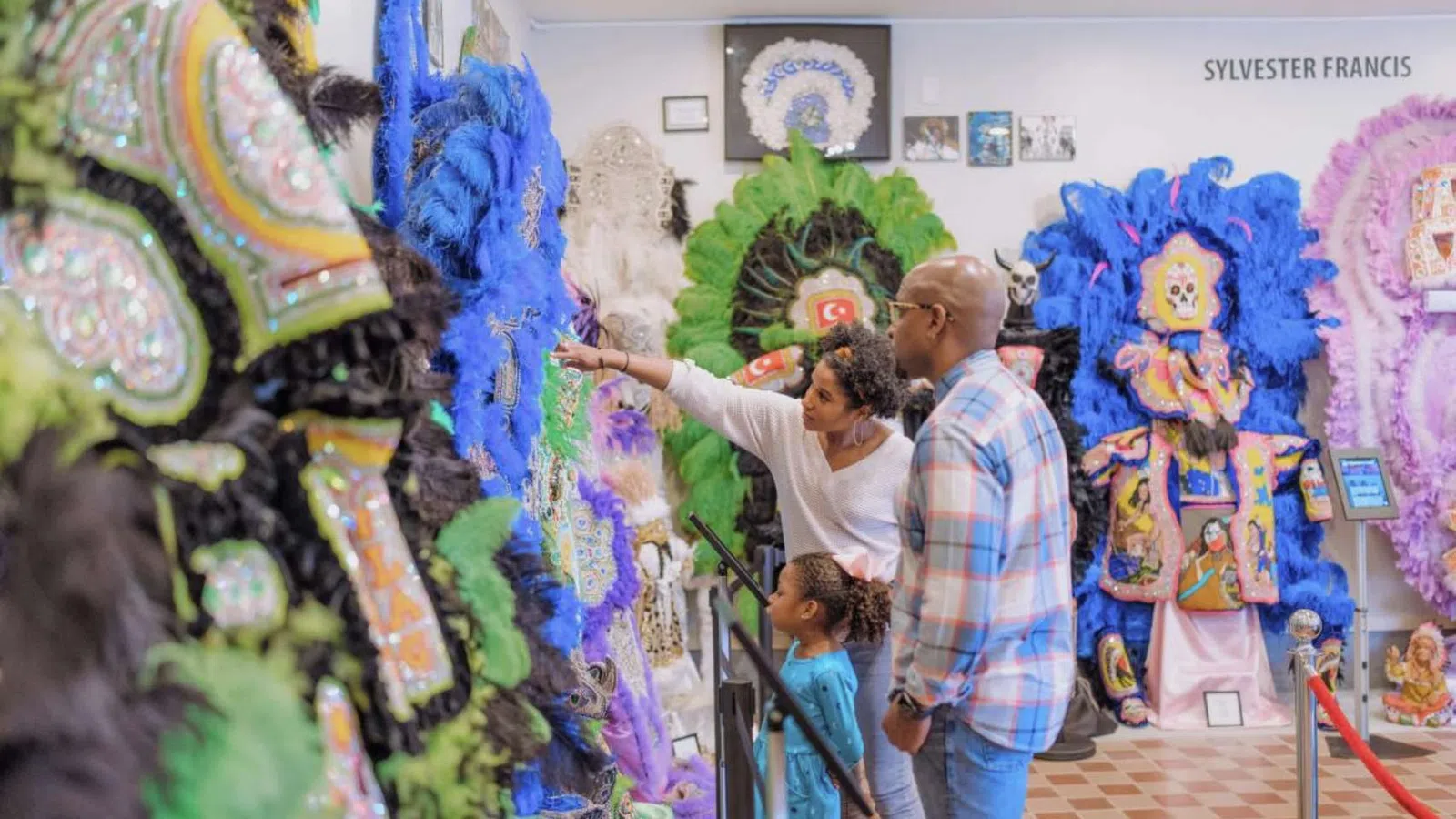
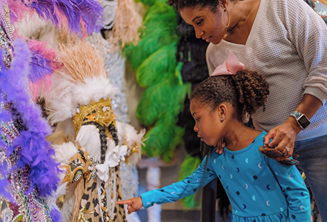
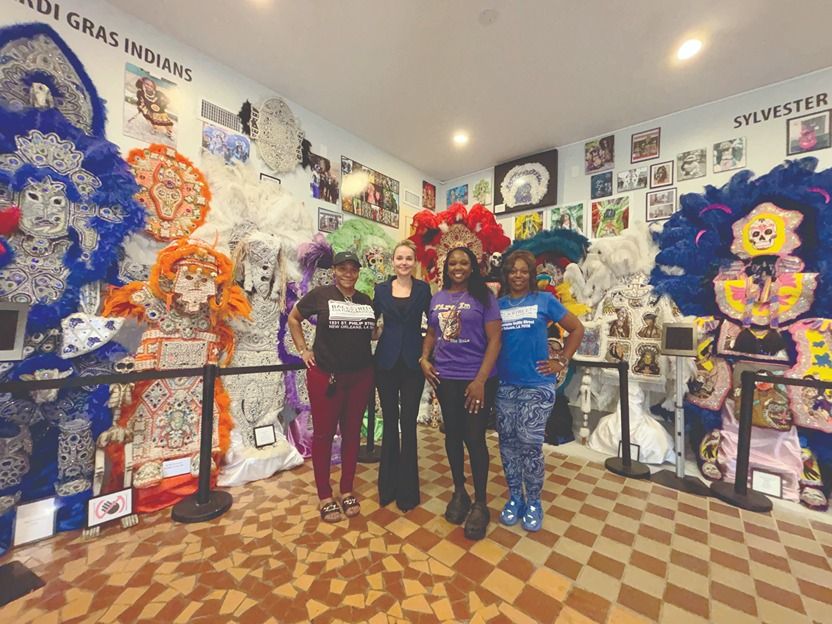
When you step inside of the museum, now in its new location at 1531 St. Philip St. since 2022 after the original location was damaged by Hurricane Ida, you'll see Masking Indian suits that took a year or more to sew, photos of jazz funerals, parade flyers, and instruments that once led processions through the streets. It feels less like a museum and more like a community front room, the kind of place where stories get passed down and history isn't distant, yet it's right there with you.
Backstreet is where Masking Indians, Baby Dolls, social aid and pleasure clubs, and second liners all get their shine. Elders drop by to tell stories while kids come to learn where they come from and visitors leave knowing New Orleans a little better.
The museum became more than a collection. It became a gathering place. Every Mardi Gras morning, the Northside Skull and Bone Gang has started its walk from Backstreet's front door, in skull masks and skeleton suits, waking up the neighborhood with their annual reminder that life is short, so live it right.
When someone donates a suit, a tambourine, or even a photo, it's not just an object, it is a piece of the city. Those gifts keep the story growing.
Sylvester "Hawk" Francis kept going until the end. Even when his health started to slip, he worked on a book about jazz funerals, determined to honor the mix of grief and joy that makes those processions so unique. He passed away on September 1, 2020—10 days before his 74th birthday. His funeral was exactly the kind of sendoff he'd spent his life recording: music, dancing, and a brass band leading him home.
"It was his daily life," Dilling said. "It wasn't something that he was being paid to do. It was his personal passion, so I know it meant a lot to him. Right now, today, it means a lot to me for me to continue to just to carry out his legacy of it."
Today, the museum is still standing strong. Dilling and a dedicated crew make sure Backstreet not only stays open but that it also keeps growing. "Before he passed, the only thing that he would always tell me, 'When I'm gone, do it your own way.' He said, 'I did it my way for over 20 years. It was my dream—nobody else's dream but my own.' He said, 'So when I'm gone, do it the way you need to do it to maintain [it].' He said, 'And if it doesn't work out for you the way it worked out for me, I'm not mad, you know, because I had it. I had it. I lived my dream. I made it work. Although I'm passing it down to you, just do what you can do.' And I have done that by adding just little tweaks to it, putting my own little twist on adding different layers of the culture, to keep it going," Dilling said.
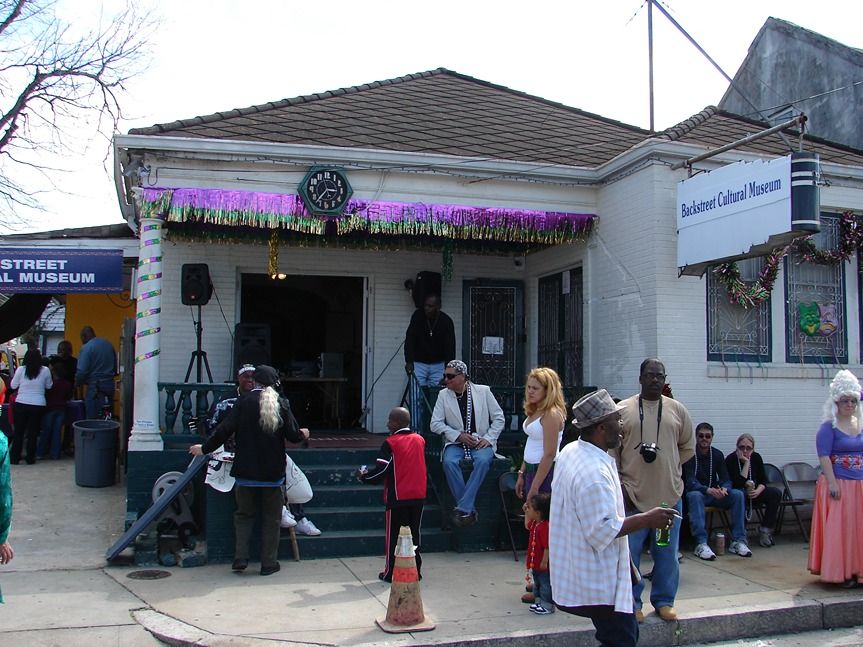
Visiting Backstreet isn't just about seeing costumes and photos. It's about feeling what they mean. You walk out understanding that New Orleans culture isn't a thing of the past. It's still parading down the street, still playing the horns, still dressing in feathers and beads, and still second lining.
The next time you're in Tremé, step inside and witness the cultural experience for yourself. For more information about the museum, or to make a donation or become a member, visit backstreetmuseum.org.