420 Days & THC
The proliferation of THC products in Louisiana has been astronomical, going from unheard of to available at most grocery stores.
For those without access to medical marijuana, the monumental 2018 federal Farm Bill ushered in an era of hemp-derived THC products including canned beverages and edibles.
The marijuana and hemp industries are rapidly evolving in the state, and federal legislation plays a significant role. For example, the cap of 10 dispensaries statewide was changed to 30 dispensaries in 2022. 2026 stands to be an important year for both.
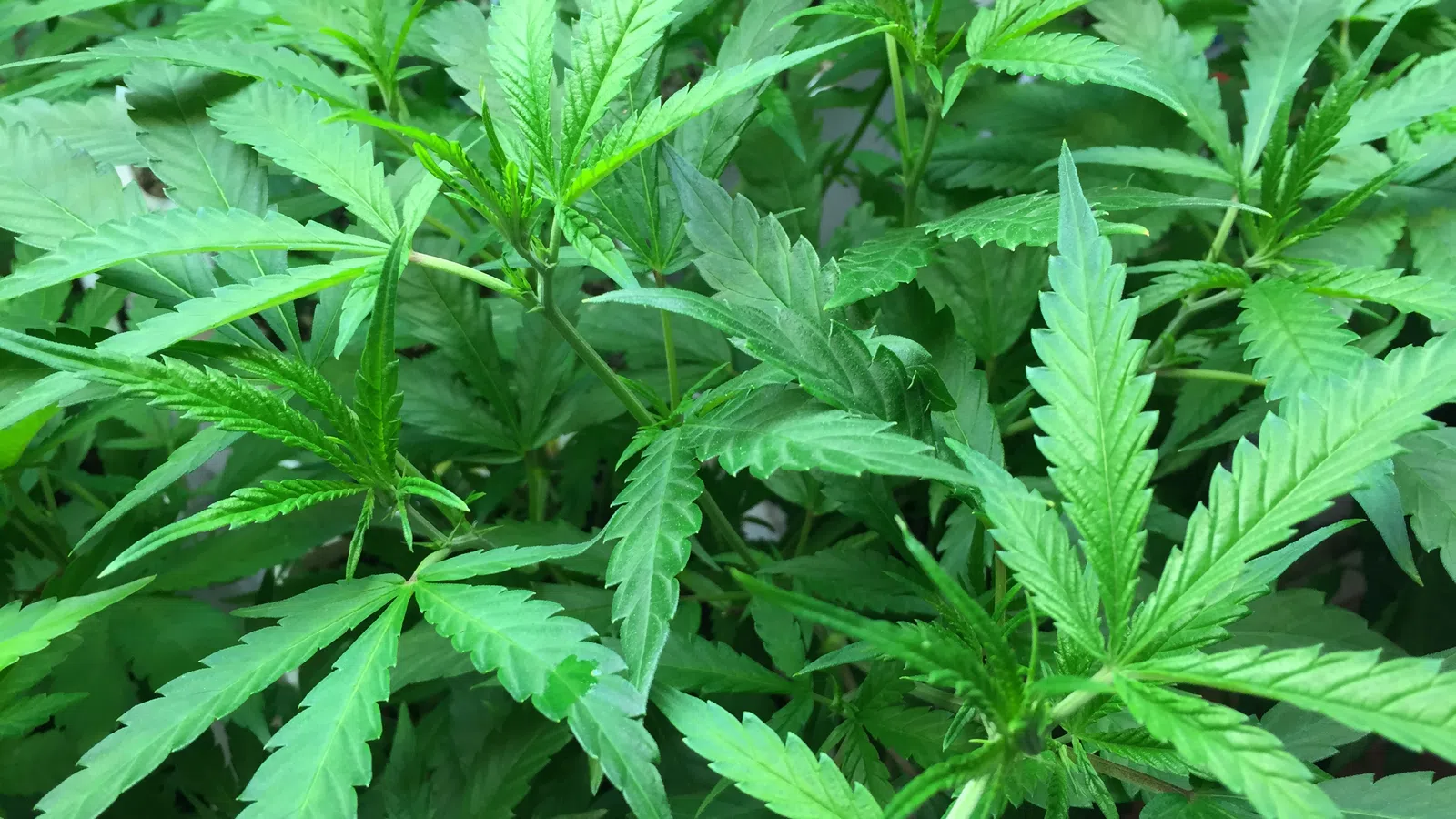
There are two ways to obtain THC products: a medical marijuana prescription from a licensed physician that allows a patient to purchase non-flower marijuana products at dispensaries, and hemp-derived THC/CBD products that can be purchased from retail stores.
Co-Founder of Crescent Canna David Reich said, "Our product resonated with the community here, and our product started popping up in bars, music venues, and stores across the city. Fast forward over two years later, Crescent 9 is the number one selling THC drink in America, according to NielsenIQ. We're in 20 states, 89 plus locations, and growing."
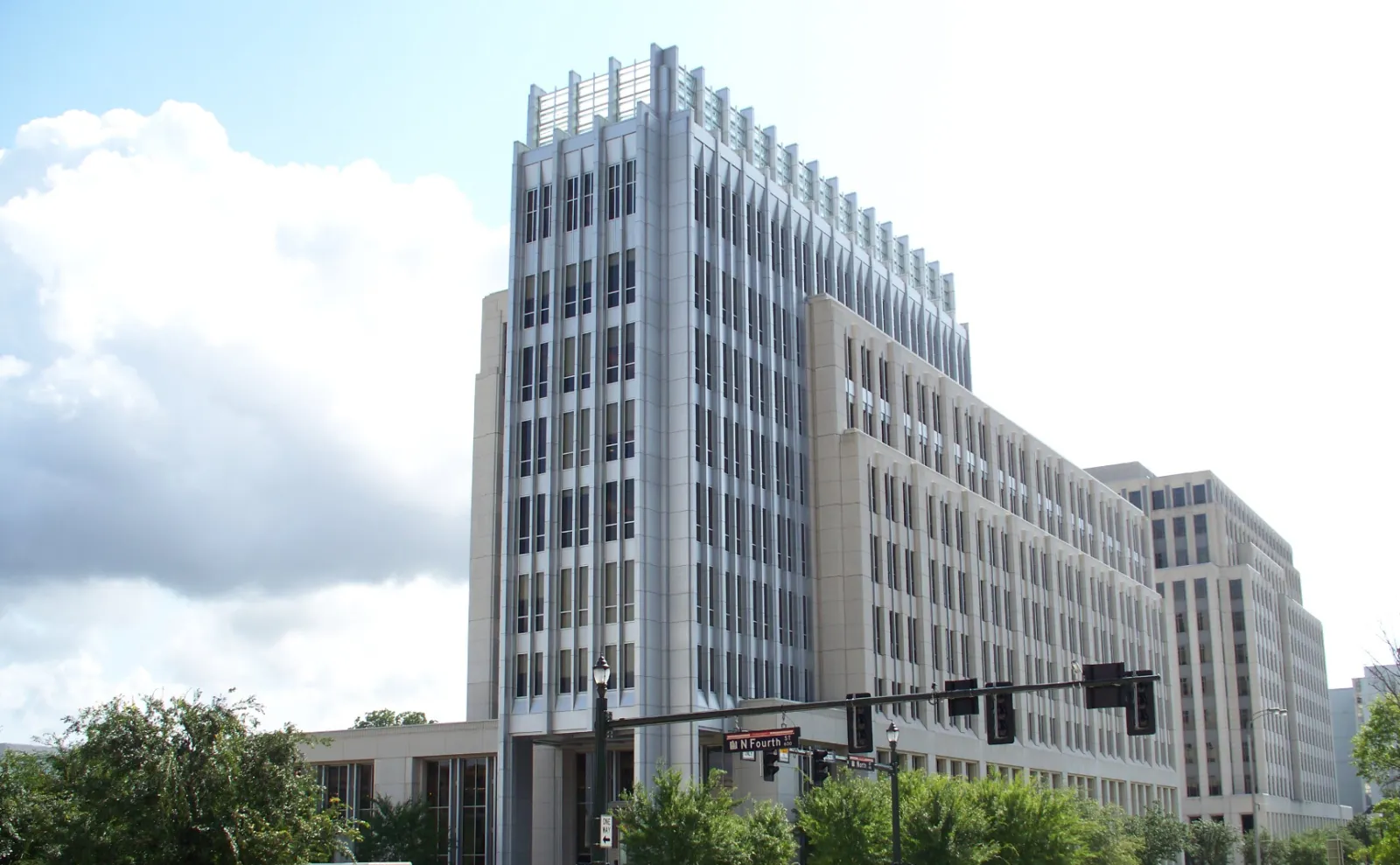
In April 2023, the Louisiana Department of Health created the Cannabis Program, which is the licensing authority responsible for registering compliant consumable hemp products and the regulatory authority for the state's medical marijuana program. The Cannabis Program inspects medical marijuana production facilities and tests finished products to verify compliance with La. R.S.40: 1046. The Cannabis Program also inspects hemp production facilities, and finished products are required to be registered by the LDH.
LA Act 752 / HB952, enacted on January 1, 2025, and effective January 1, 2026, notably reduced the maximum serving size of consumable hemp products including seltzers, gummies, and tinctures from 8mg to 5mg. The total THC content in tinctures was reduced to no more than 30mL net weight and 1mg of THC per 1mL. Packages of edibles are allowed a maximum of 40mg THC per package. Each individual edible can only be up to 5 mg THC. Additionally, hemp flower is prohibited. Hemp products cannot be sold at gas stations, and no sales of hemp products are allowed to those under the age of 21.
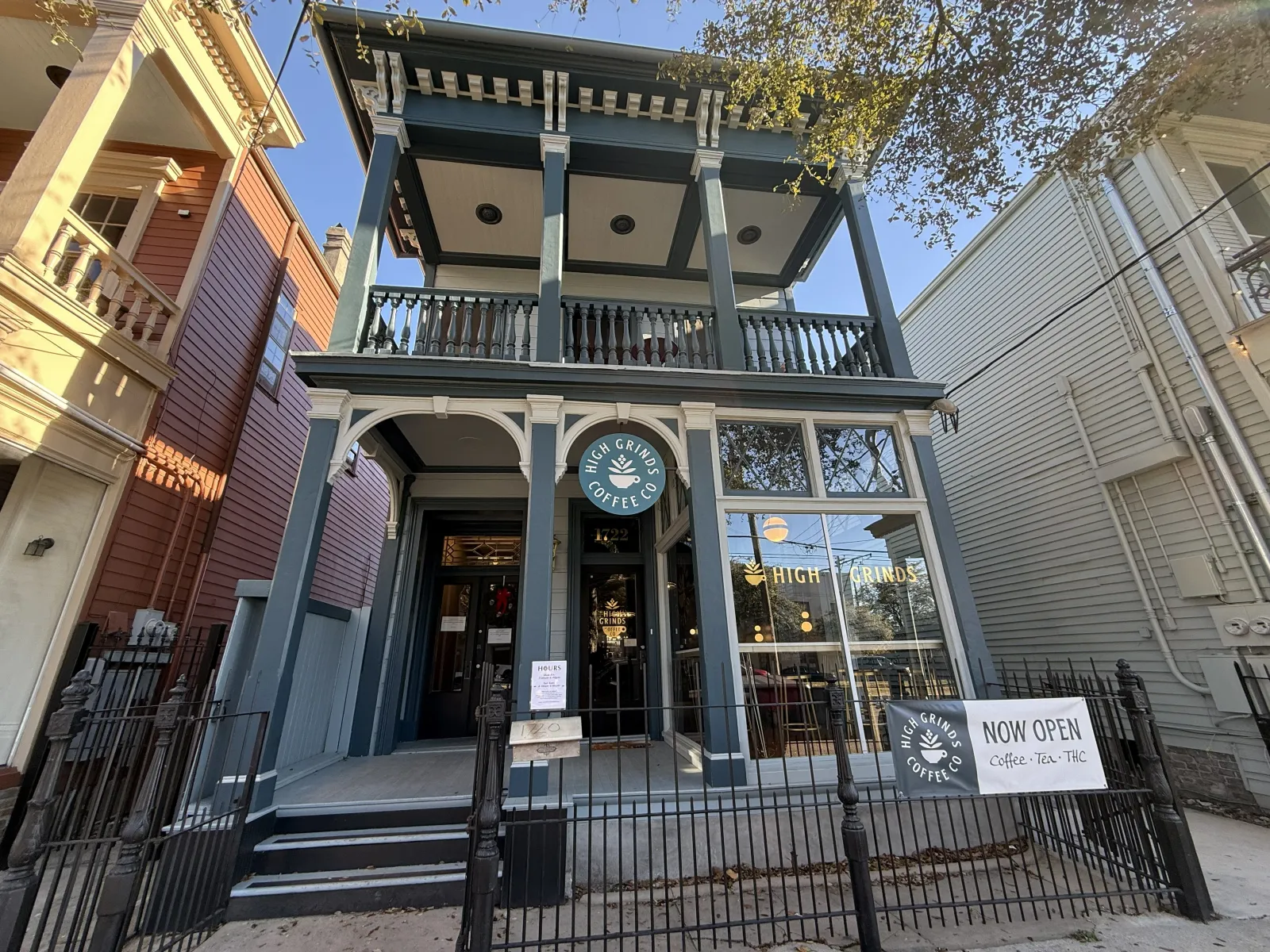
High Grinds Coffee is a new concept coffee shop that also sells a wide range of THC and CBD consumable and wellness products. Owner Derek Domingue fully transitioned from the spirits industry to the THC industry. "We have people who live in the nursing home that are in their 70s and 80s coming in. I'd say our biggest clientele is soccer moms and people in their 50s to 70s. They love these products. We have a ton of CBD, CBG, daily mushrooms, tinctures, and we also have the fun stuff—THC gummies and drinks, but we don't infuse any of our coffees. We have high-end locally roasted coffee from Mojo Coffee, and we get pastries delivered every day from Gracious Bakery."
After Hours E.R. Bar was the first bar to sell THC drinks for on-premise consumption in Metairie. Owner Dana Foley has seen more patrons wanting to explore these new options, saying that they represent about 10% to 20% of their business. "We have several regulars that come here over other bars because we have options other than alcohol. More and more are people who are 'Cali Sober,' so our THC and mushroom options appeal to them," she explained. While Foley said that people who swapped alcohol for THC and mushroom drinks tend to have a smaller bar tab, making customers happy to have more options is better in the long run. "Bars are a great third space and having options other than alcohol makes it a more inclusive space."
The Continuing Appropriations, Agriculture, Legislative Branch, Military Construction and Veterans Affairs, and Extensions Act, 2026 (H.R. 5371), which became Public Law 119-137 on November 12, 2025, amended the statutory definition of hemp. Finished retail-ready hemp products may not exceed 0.4 mg of total THC per package. Most current hemp-derived products contain significantly more than 0.4mg, so many would not qualify under the new rule. This is effective on November 12, 2026.
Some congress members are attempting to stop this from taking place by introducing amendments to this bill because it will potentially cease a huge and growing industry of farmers, producers, and consumers. Representative James Baird introduced two bipartisan bills, one of which is H.R. 7024 - Hemp Planting Predictability Act, in hopes of delaying the implementation of the hemp-related amendments for two years.
Both Domingue and Reich are advocates for federal and state regulation of the hemp industry to weed out "bad actors;" however, they cannot see a reason to totally prohibit hemp-derived THC products. Domingue explained, "The THC in marijuana and the THC in hemp is the same THC. You're just extracting it. Hemp is pennies on the dollar what marijuana costs, and when you can get your drinks and gummies at your local Rouses, it's convenient. Come into your local coffee shop and get your stuff without a prescription."
Reich said, "Louisiana is a perfect example of regulation working. We have a thriving industry in the state. It's certainly a strong system to build upon that generates tax revenue for the state while ensuring that products are safe and compliant with the Louisiana Department of Health. We're proving that model is certainly effective in our state. I believe that, nationally, there should be a system that regulates this growing industry."