Pouches of Protection
From West Africa to New Orleans, gris-gris reflects a journey of spiritual traditions and resilience.
Tucked into small cloth pouches, gris-gris carried more than herbs, roots, and prayers. It carried the faith, memory, and hope of enslaved Africans across the Atlantic. Rooted in African spiritual practices, these sacred charms were used by New Orleans' earliest Black communities for protection before becoming closely associated with the city itself.
The history of gris-gris in Louisiana begins in the early 1700s when West Africans were brought to French colonial Louisiana through the transatlantic slave trade. After New Orleans was founded in 1718, enslaved Africans, many from the Senegambia region of West Africa, were forced to build the growing city while carrying forward their spiritual beliefs, healing traditions, and cultural practices that became woven into New Orleans' Afro-Creole heritage.
"More than a charm, gris-gris tells a story of survival," said Michael P. Mae, a visitor services associate at the Historic New Orleans Collection who has a master's degree in Historic Preservation Studies/Architectural History from Tulane University. He explained that gris-gris took root in colonial Louisiana and evolved through the blending of West African spiritual traditions with Catholicism, Indigenous healing practices, and Caribbean influences to form Louisiana Voodoo.
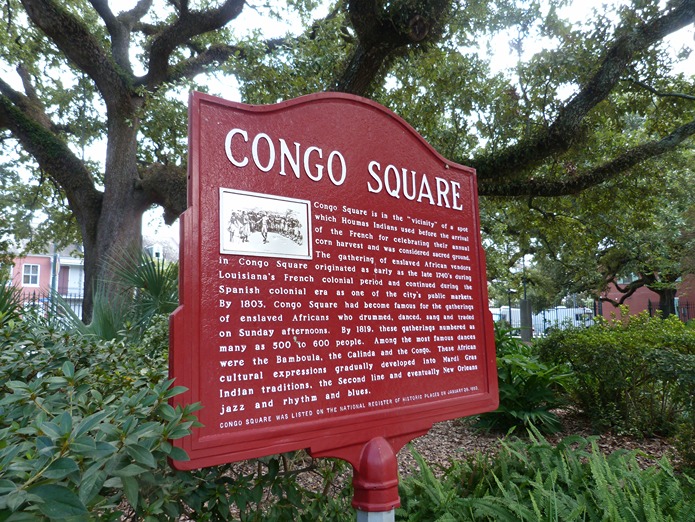
By the 19th century, Mae said, gris-gris remained part of New Orleans' diverse spiritual traditions, shaped by influential figures such as Marie Laveau, gathering places including Congo Square, and cultural hubs such as the city's French Market.
Professor Laura R. Adderley, associate professor in the Department of History at Tulane University, agreed, noting that throughout the 1800s, New Orleans remained home to a large population of enslaved Africans, free people of color, and immigrants from the Caribbean, especially following the Haitian Revolution. "Africans came over time," said Adderley. "The use of these wrapped charms existed, moving from hand to hand. It is here in New Orleans that the African-origin charms became known and developed within and adjacent to Voodoo."
To better understand gris-gris' role within Louisiana Voodoo, Khalifaziz A. Birden, a doctoral candidate in anthropology at Tulane University, said it has historically served as both a protective and harmful spiritual tool, reflecting the belief that Voodoo is neither inherently good nor evil. The 1773 case involving three enslaved men accused of using gris-gris against an overseer illustrates its varied uses. Though best known as a protective amulet in Louisiana Voodoo, gris-gris also has roots in the folk traditions of Hoodoo and Conjure, underscoring its complex cultural and spiritual history.
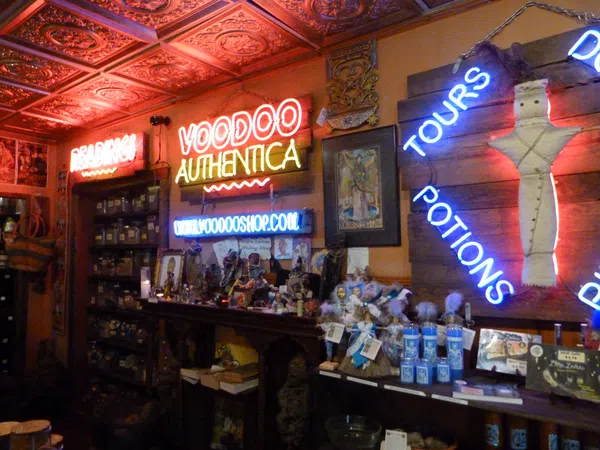
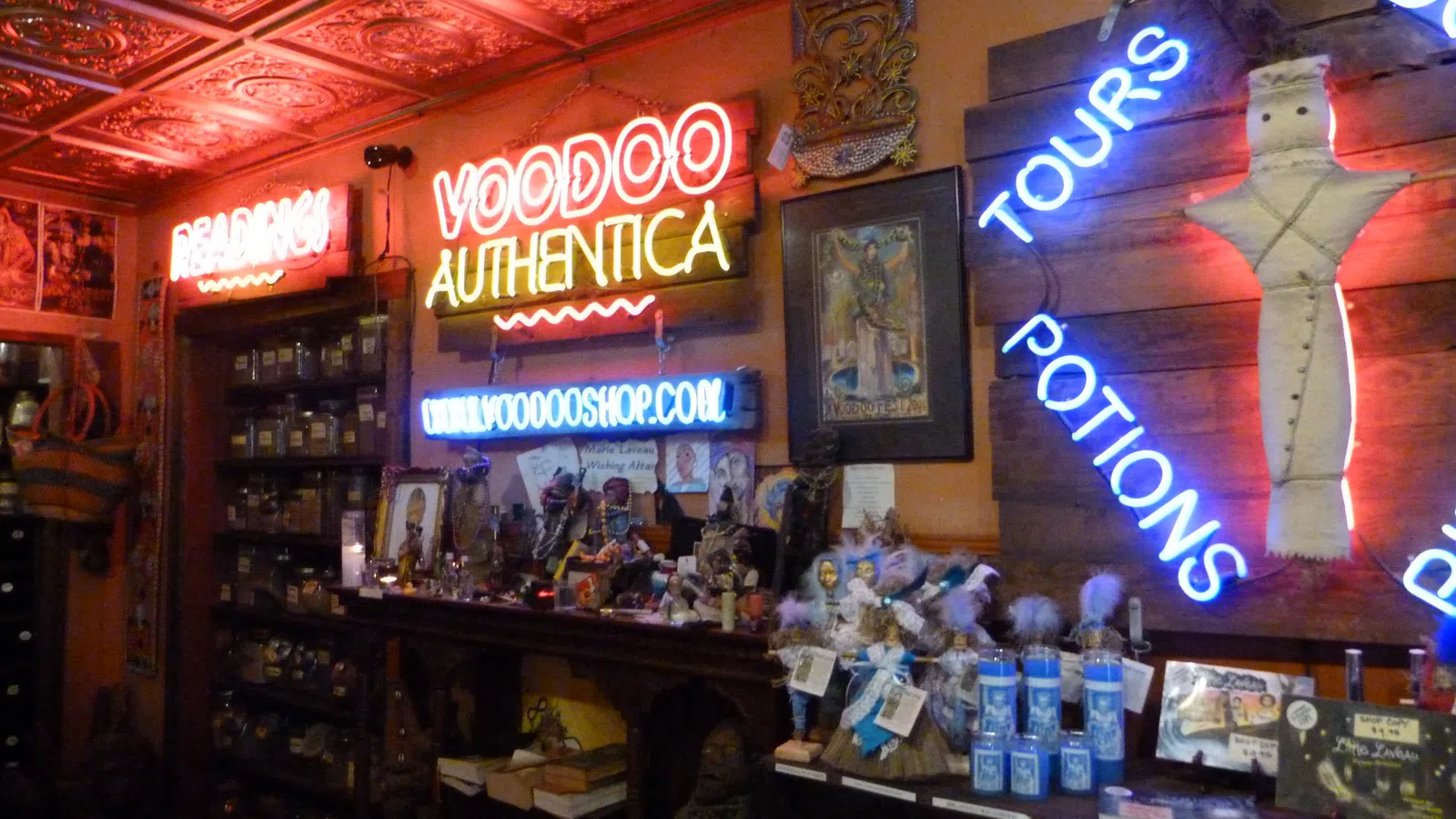
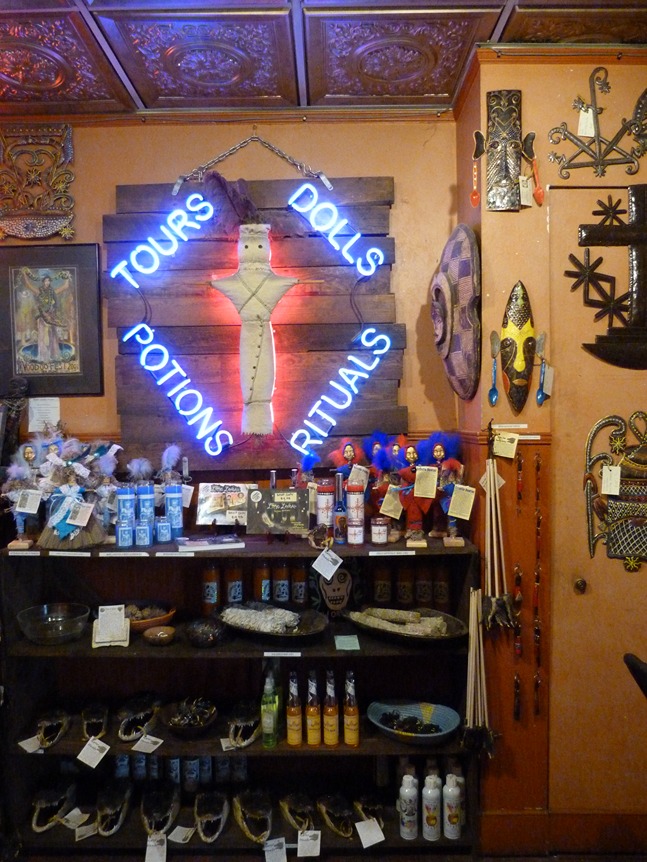
Today, gris-gris lives on through Voodoo practitioners, rootworkers, and spiritual healers who create charm bags filled with herbs, roots, and symbolic objects believed to bring protection, healing, guidance, love, luck, and success. "Gris-gris means a personal charm," said New Orleans Voodoo Priestess Mambo Brandi, who has owned Voodoo Authentica of New Orleans Cultural Center and Collection since 1996. "It is a way for people to connect with their own power."
To create a gris-gris bag, Mambo Brandi begins with a square piece of fabric that will hold the charm's contents. For a love bag, she explains, herbs, roots, rose petals, and other carefully-chosen symbolic items are selected to align with this intended purpose of the gris-gris. "I would use red fabric for a love bag and put love in every step of the process," Mambo Brandi said. "Your energy and your focus is love. When you have your ingredients, then we add a strand of hair or nail clipping so it is custom-made for you."

After the practitioner closes the bag and secures it with string or yarn, gris-gris is blessed at the designated altar inside Voodoo Authentica. At this point, Mambo Brandi suggests that gris-gris should stay with the individual, either by carrying it in their pocket or in their purse. "Gris-gris is a tool to use," Mambo Brandi added. "One should hold it, focus on it, and keep putting good energy into it."
Challenging misconceptions portrayed in popular media, Mambo Brandi explains that Voodoo is a spiritual tradition grounded in healing, connection, and community rather than the negativity or harm commonly associated with it. At Voodoo Authentica, she shared that gris-gris bags can hold personal meaning and serve as sources of empowerment, whether they are prepared in advance or created individually in the presence of the person receiving them.
Houngan Jesse of Voodoo Authentica, an initiated Voodoo priest and Cajun from Houma, said the term "gris-gris" is often misunderstood. "When people say the word 'gris-gris' in Cajun French, they usually mean to cast a spell," Jesse said. "In New Orleans Voodoo, you're typically talking about a physical thing—a gris-gris bag."
Voodoo Queen Bloody Mary, author and owner of a tour company, museum, and Voodoo shop, is also among the practitioners who continue the tradition of creating gris-gris bags in New Orleans. She makes each bag with symbolic ingredients chosen for their intended purpose, incorporating elements from the animal, vegetable, and mineral kingdoms. "Protection was the first purpose of gris-gris," she said. "The enslaved people who were brought here carried gris-gris with them. It was their spirit helper."
Throughout its history, New Orleans has embraced Voodoo and its traditions as cultural markers of the city's distinct identity, with gris-gris becoming a tangible symbol of that heritage. Birden noted, "Gris-gris is something that an American can only get from New Orleans, and so it informs how people outside New Orleans see the city and how we begin to see ourselves."