Celebrating Carnival Safely
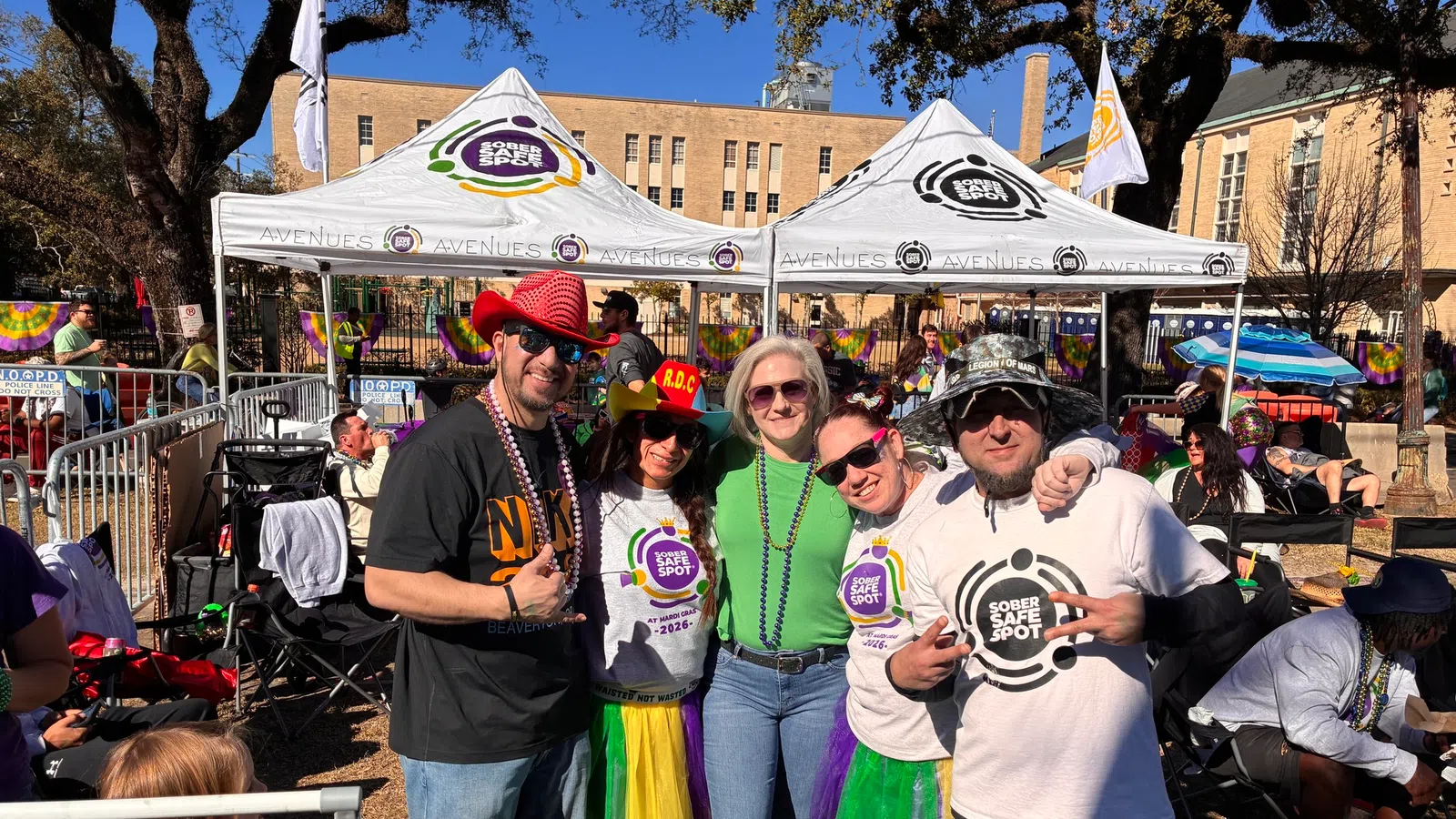
There is a place in New Orleans where the sober community celebrates Mardi Gras. On the neutral ground at Saint Charles and Napoleon lies a special spot where people in recovery can enjoy the fruits of Mardi Gras without the presence of substances.
The Sober Safe Spot recognizes the hardships that can come with the Mardi Gras season for those in recovery. During Carnival, Avenues Recovery Center not only celebrates our city's traditions but also celebrates sobriety.
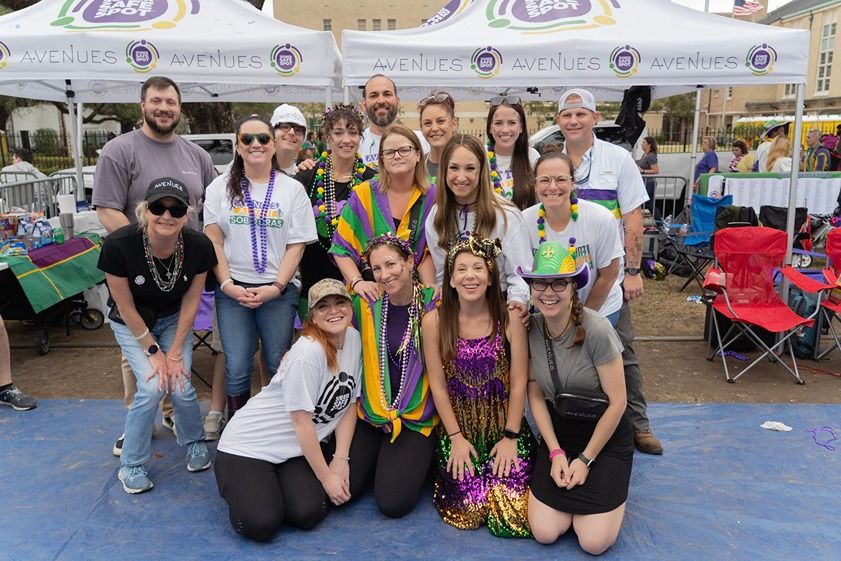
The Sober Safe Spot is a resource for all ages in recovery and in 12-step programs to celebrate the city's Mardi Gras traditions in a safe and protected space. In fact, this season marks their five-year anniversary. Alumni of the Avenues program plan the event throughout the year for people in the New Orleans community to gather and enjoy. The event is part of the fellowship and unity program of Avenues Recovery.
Snacks, alcohol-free drinks, merch, bags, T-shirts, and Narcan are freely given out to those who attend. "Mardi Gras can be celebrated without alcohol," said Jacie Plaisance, alumni coordinator of Avenues Recovery Center in Covington.
The idea sprouted in 2021 when Ashley Duncan introduced it while Plaisance was a patient at Avenues. That year, the Sober Safe Spot was set up on every parade route in Jefferson Parish. At each spot, a designated staff member was on-site to ensure no "code red" incidents occurred. The effort was a great success, and Avenues received a call from former mayor LaToya Cantrell, who asked, "Why isn't this in New Orleans?"
After that call, the spot on Saint Charles became officially sanctioned by the city of New Orleans in collaboration with Avenues Recovery Center. Efforts from the city have been made to keep this spot in place for years to come.
Plaisance herself was a patient at Avenues, and she said that, over the years, it has grown and evolved into a large space open to anyone in recovery to celebrate Mardi Gras sober. She said people come from all around the country to take part in the sober spot. "We would have snacks, we would have drinks, and we could just be with each other, in one specific spot, and enjoy hundreds of years of tradition within our culture," Plaisance said.
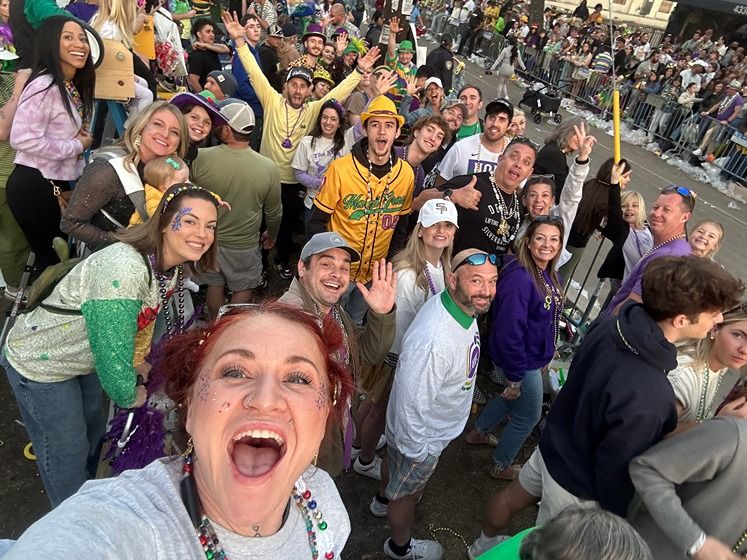
Avenues' Sober Safe Spots cover more ground than the parade route. They expand to Bayou Boogaloo, tubing down the Bogue Chitto, and LSU tailgates for every home game. "Wherever we can help, wherever we are needed, wherever we can fill our spiritual cup, we are going to do it," Plaisance said.
Plaisance shared a time when a woman was struggling on the parade route. Sober Safe Spot members approached her, offered help, and shared resources to enter a treatment program. The next year, she came back sober and is still in recovery to this day.
Mo Cataland is a person in recovery who has had profound experiences at the Sober Safe Spot. On her first full day in New Orleans at her sober living home, a woman there asked if she'd like to go to a parade. Nervous and not knowing what to expect, she said yes and was introduced to the Sober Safe Spot. "I remember that was the first day I felt like I could see color for the first time," Cataland said. "I got really emotional because, you know, as these floats were coming, I was paying attention to every single detail. I started thinking about how I was going to be able to remember it the next day, and then I started getting really teary-eyed and emotional."
There, she met her first 12-step sponsor and recovery community members who guided her at the beginning of her sobriety journey. Seeing others enjoy life while sober made it feel possible and opened her eyes to what fun in sobriety can look like.
Cataland remembers seeing people in the Sober Safe Spot smiling, laughing, and hugging one another. "Everyone knew everyone," she said. "It was the first sense of community that I felt. Even though I felt kind of on the outskirts, I felt home, and I felt like I knew all of these people somehow because we all suffered, you know, from the same thing—addiction and wanting to stay sober."
Before meeting her community, Cataland thought sobriety meant early nights in, an absence of a social life, and constant struggle; however, being in the Sober Safe Spot reinforced the importance of a strong community. "When there's such a big drinking community, there's an equally big recovery or sober community, and it's so important to get plugged into that," Cataland said.
She said people work together to keep each other safe and be of service to others. "I went every day that the parade was going on. I went to that Sober Safe Spot every single time, because I knew that I would be safe there," Cataland said.
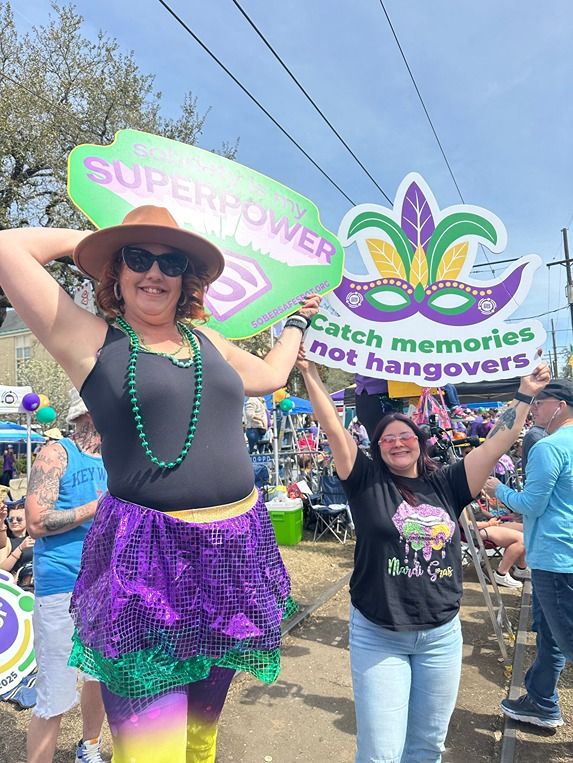
Avenues' mission for Sober Safe Spot is to end the stigma around sobriety, provide a platform to talk about recovery, bring it to light for the community, to inspire, and to keep the community safe and seen. Plaisance said, "We're here to love you until you can love yourself, and we're here to show you the way."
Anyone is welcome to volunteer and join the Sober Safe Spot during parades. Friends, family, and anyone curious about recovery are encouraged to take part in the celebration of sobriety, community, and tradition. "It was the most important thing when I first got sober, and it helped me stay sober," Cataland said.