All Aboard
Work-Life Balance
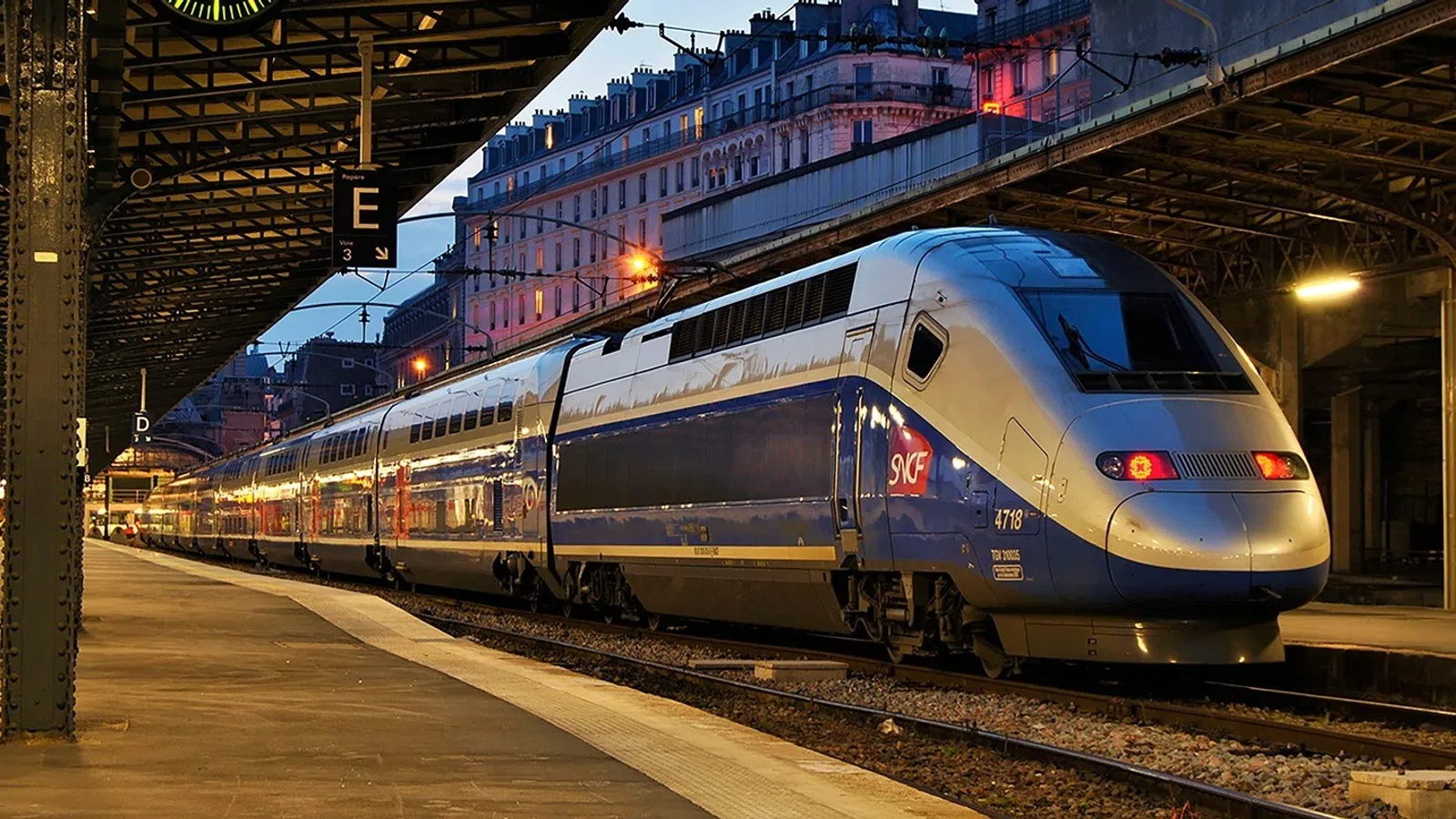
From more vacation days, entire months off, better maternity and paternity leave, and longer lunches, the European "work-life balance" is frequently lauded as better than in America. With that, some of the most-frequent comments regard day-to-day, multi-city travel, with significant differences on each side of the Atlantic's rail systems.
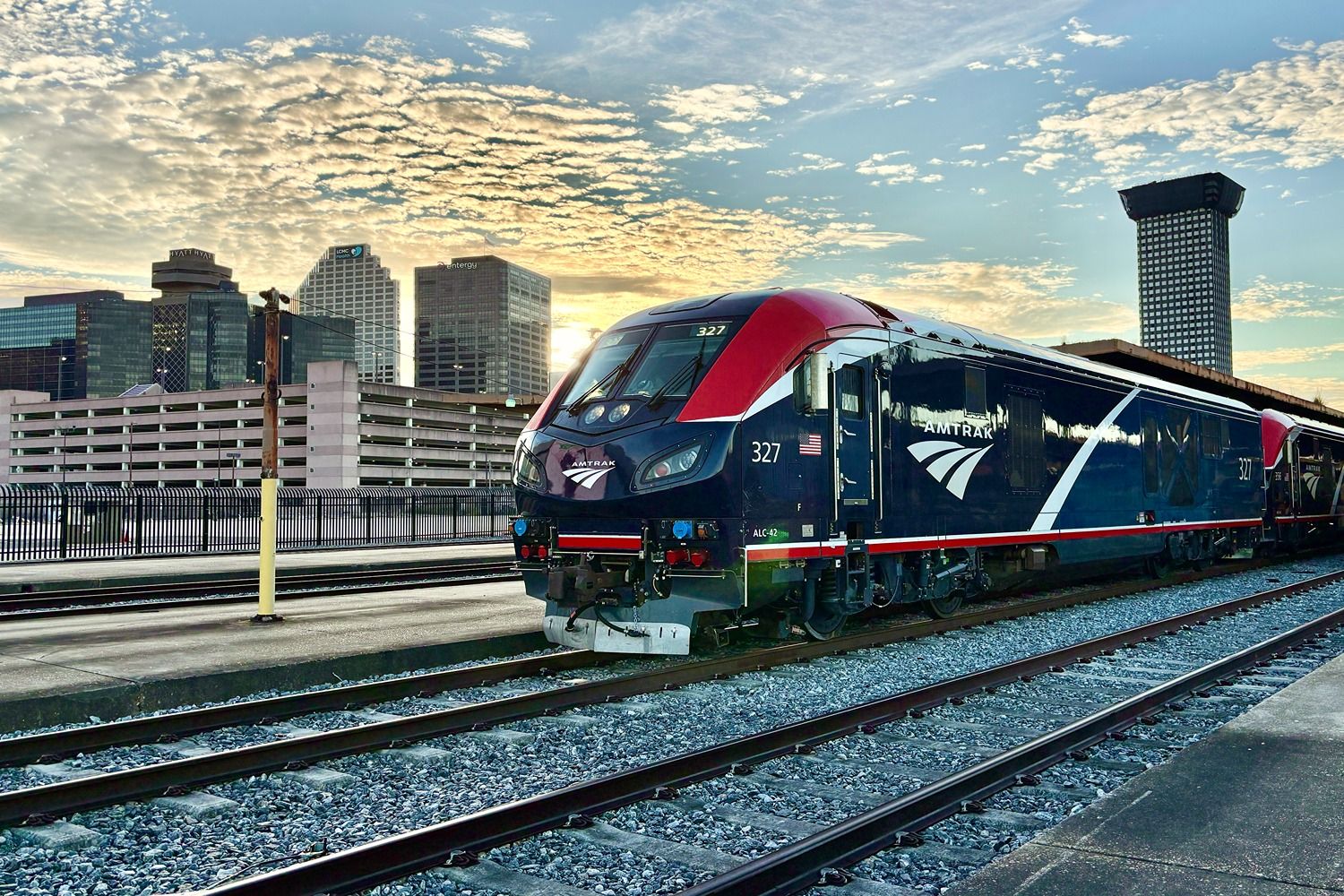
When Amtrak, the United States' national passenger railway institution, launched its anticipated Mardi Gras Service connecting New Orleans to Mobile on August 18, 2025, it heralded the return of the rail industry to the Gulf Coast after a two decade hiatus due to Hurricane Katrina's damage throughout the region.
Commuter (Counter) Culture
Linking New Orleans, LA; Bay St. Louis, MS; Gulfport, MS; Biloxi, MS; Pascagoula, MS; and Mobile, AL, the 132-mile span is similar to some of Rail Europe's most established routes including: Brussels, Belgium to Amsterdam, the Netherlands (126 miles); Amsterdam, the Netherlands to Cologne, Germany (166 miles); Vienna, Austria to Budapest, Hungary (151 miles).
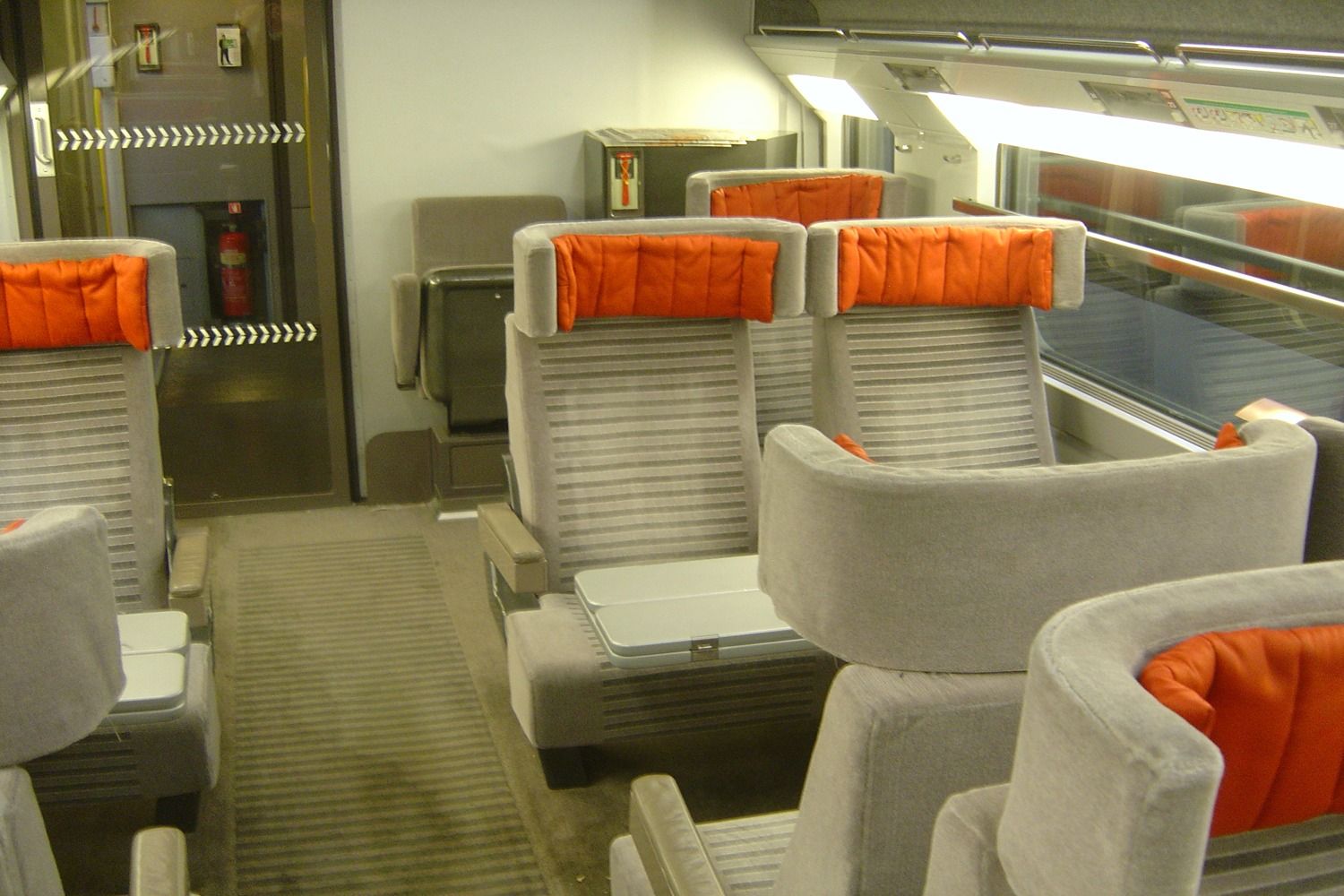
Rick Steves, a well-known travel writer and host of PBS' Rick Steves' Europe, often speaks to the European experience, noting that "European trains go where you need them to go and are fast, frequent, and usually affordable," and that rail travel is a central part of transportation there. This implicitly contrasts with the American experience.
While prices can vary between the European capitals, they are frequently under €100 (between $25-$115 U.S.) depending on class, time, date, and special events. The New Orleans-to-Mobile fare begins at $15 for a one-way coach ticket and can go as high as $100 for business class.
According to Thomas Marshall, author of 2015's Prisoners of Geography: Ten Maps That Explain Everything About the World, "There are fifty American states, but they add up to one nation in a way the twenty-eight [sic] sovereign states of the European Union never can. Most of the EU states have a national identity far stronger, more defined, than any American state. It is easy to find a French person who is French first, European second."
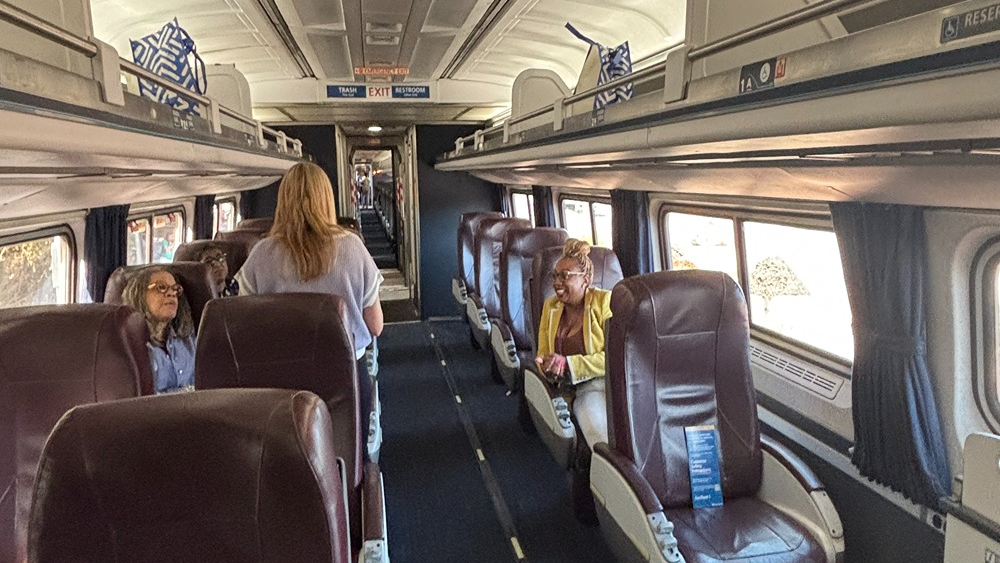
Many reports say that the main difference between European and American trains is that the European rails focus on passengers while American rails focus on freight. One industry expert said, "There's an insider saying, 'Passengers complain a lot more than freight does," while Knox Ross, chairman of the Southern Railway Commission, lauds how the Mardi Gras Service "takes advantage of the investments in those cities that have been made after Katrina."
In a statement that every Louisianian can relate to, Charles Busby, Mississippi transportation commissioner for the the Southern Transportation District, said, "Though the Mississippi Gulf Coast is heavily influenced by neighboring Mobile and New Orleans, each of Mississippi's coast cities has its own unique charm and traditions, especially when it comes two greatest passions—festivities and food."
Other relevant fares in NOLA include a flat taxi fare of $36 from downtown to the Louis Armstrong International Airport (MSY), as well as a $1.25 RTA bus between MSY and downtown with, for both train and bus travel, the arrival point in downtown being the Amtrak Station located at 1001 Loyola Ave. Basic ride shares, such as Uber and Lyft, range from $30 to $85 also depending on variables, especially "surge rates."
Cultural Commute
In addition to New Orleans, there are certain cities where even the transportation lines can be attractions unto themselves. Some examples are the cable cars in San Francisco, the gondolas in Venice, the funicular in Montmartre, and, speaking of Paris, even its famed Art Deco entry ways to the metro are eponymous with the City of Lights.
Beyond New Orleans' historic streetcars, the RTA also has its own ferry system—a spectacular, scenic spectacle. But while the ride itself is only $2, the system is a frequent victim of budget cuts and political machinations, resulting in changing times and frequency.
With New Orleans being strategically—both incidentally and intentionally—at the "mouth of the Mississippi," national and international water transit is also a factor.
Analogous Aquatics
This opinion is especially true as one gauges how waterways interact with travel and tourism as New Orleans is one of the country's most important ports and the only one in the country connected to all six "Class 1" railroads. A Class 1 railroad, as determined by the Surface Transportation Board, is based on revenue generated.
If New Orleans is the nexus of cultures, cuisines, and beliefs, then the transportation system—and its continued evolution—heralds a merger of business, leisure, and economics, as well as a nouveau life structure. As New Orleans is frequently cited as "The Most European City in America," it seems our similarities continue to grow.