Queens of Carnival
In the beginning, Mardi Gras in New Orleans was strictly a boys' club.
It was a mask-wearing fraternity of men who ruled Carnival from atop their floats while women watched from balconies or played supporting roles at grand balls. But in true New Orleans fashion, women eventually said, "Enough of that." And when they did, they not only joined the parade, they transformed it.
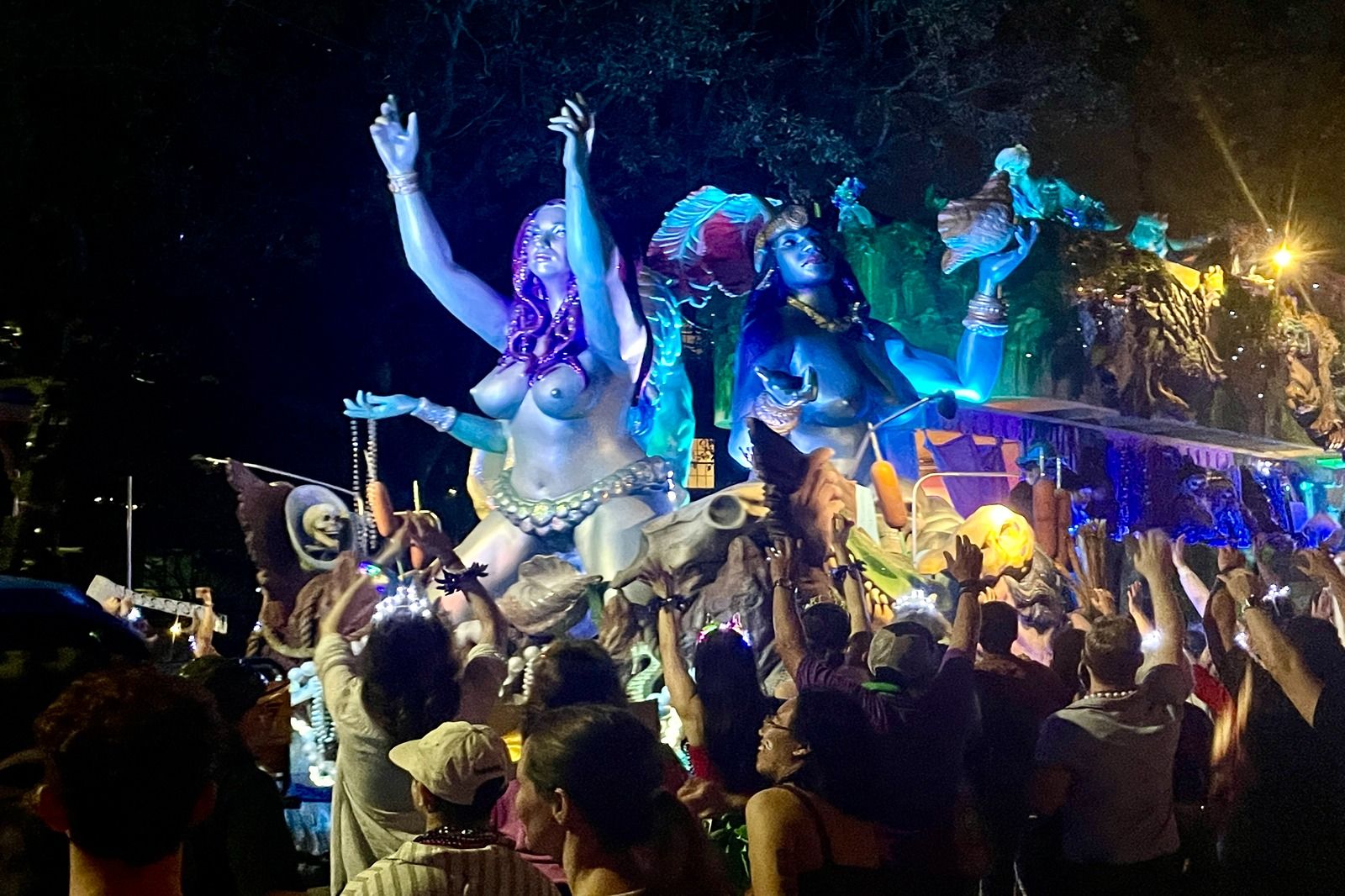
From the debutante balls of the early 1900s to today's roaring, rhinestoned super-krewes, the story of all-female Mardi Gras krewes is one of rebellion and revelry. These queens of Carnival didn't just want a seat at the table or on a float. They wanted their own float, their own throws, and their own spotlight under the streetlamps of the parade route.
The Pioneers: Krewe of Iris and Krewe of Venus
The movement began, quietly, in 1917 when a group of society women formed the Krewe of Iris, the first all-female Mardi Gras organization. The trailblazers donned gloves and masks to uphold Carnival's sacred anonymity while proving that women belonged not just in the ballroom but at the center of the celebration. Though Iris didn't parade until 1959, the krewe made history early on as the first to have their tableaux ball televised.
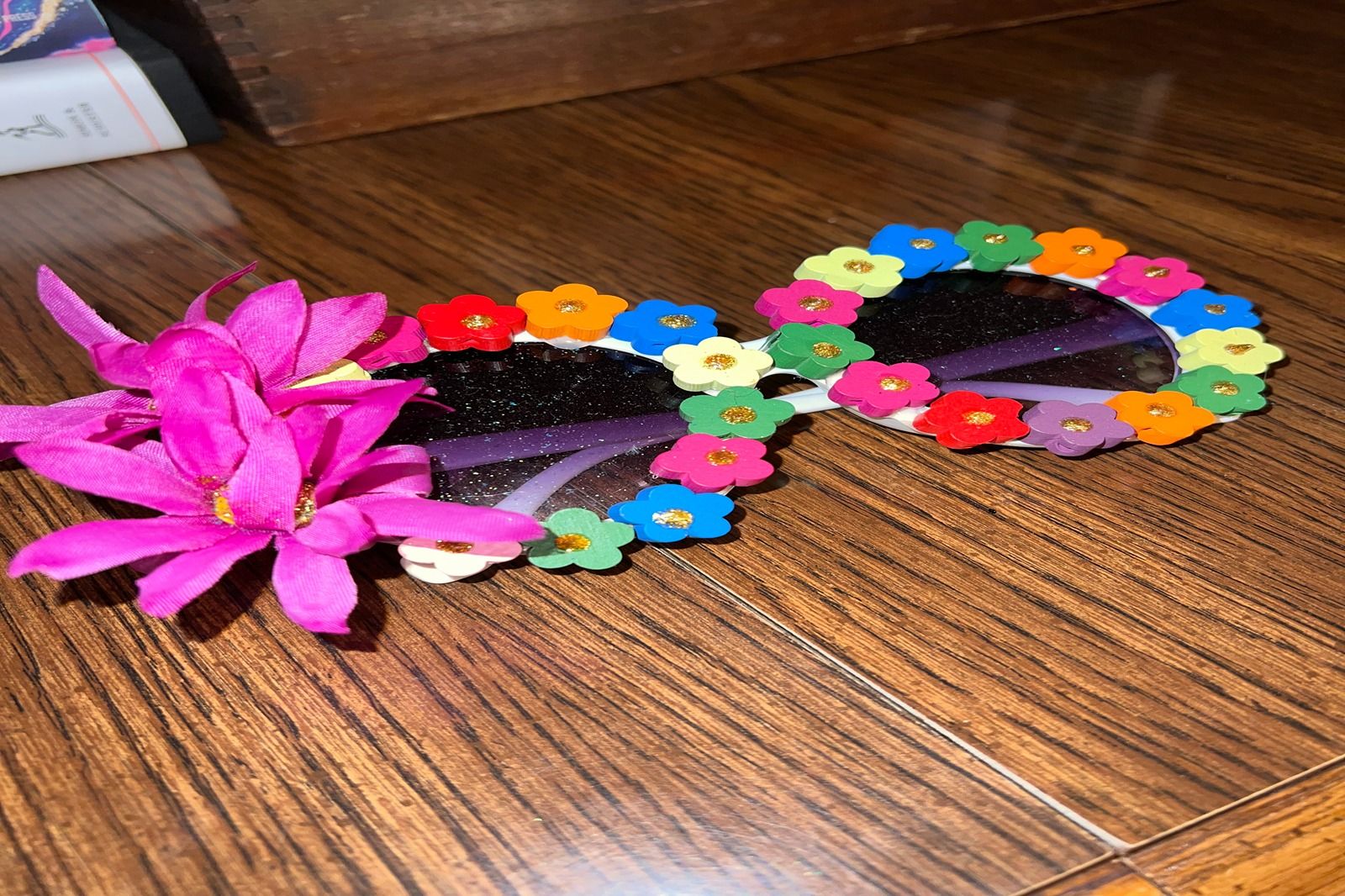
Then came 1941 and, with it, a revolution on wheels—the Krewe of Venus, the first all-female krewe to parade through the streets of New Orleans. The debut wasn't easy. In fact, it not only rained but hecklers pelted the riders with rotten vegetables. But those Venus ladies? They laughed, they waved, and they rolled on. When Mardi Gras returned after World War II, Venus was back in full glitter, ready to shine brighter than ever.
By the 1960s, women were rolling in full force. New krewes emerged across the region. There were krewes throughout the metro area. Helios and Diana paraded in Metairie, Isis in Kenner, Pandora in Gentilly, Eve in Mandeville, and Cleopatra on the Westbank. These organizations brought their own flavor to Carnival, blending elegance with empowerment and proving that Mardi Gras was big enough for everyone to shine.
Cleopatra's Glamour and the Westbank's Reign
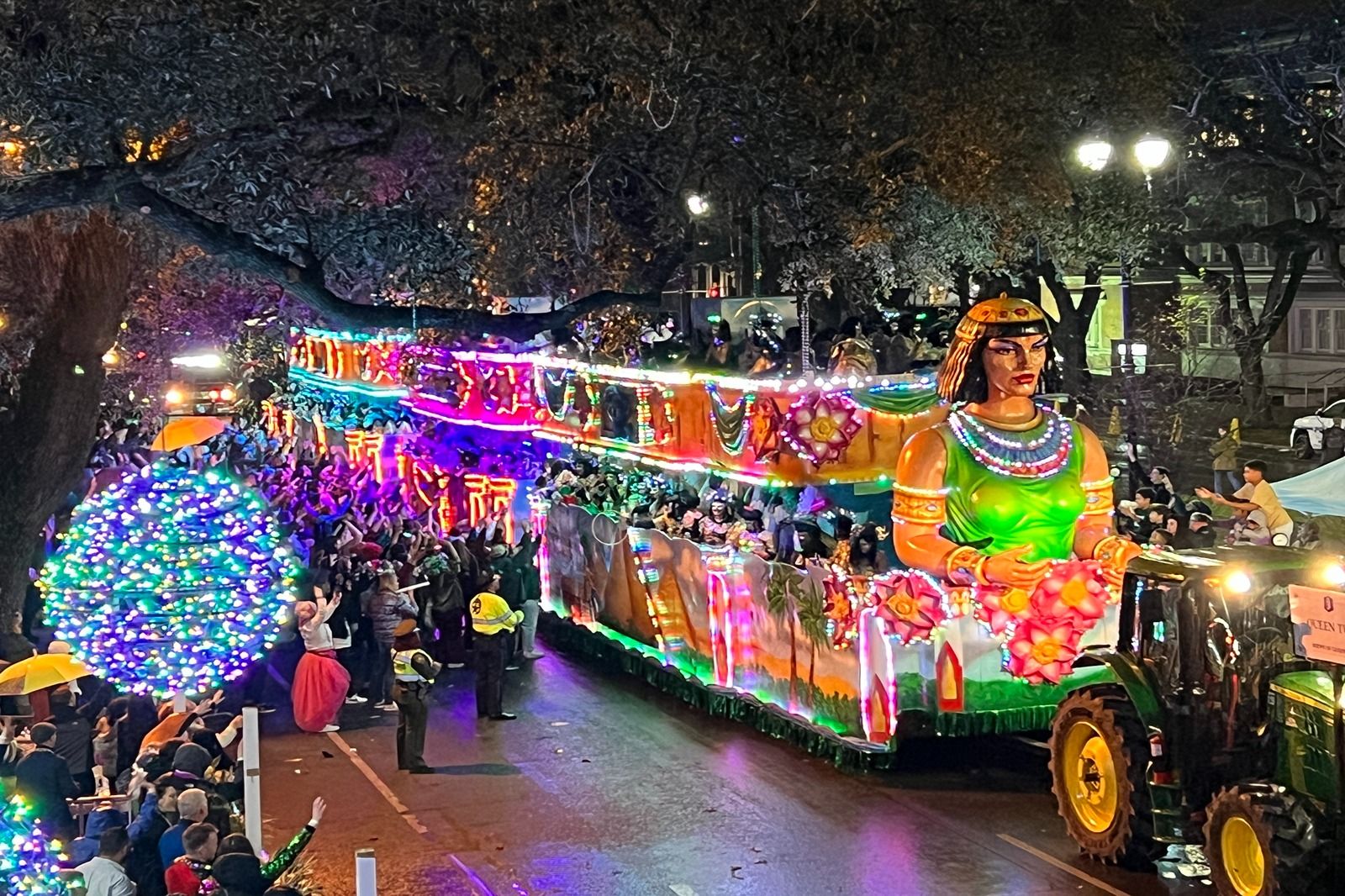
Founded in 1972, the Krewe of Cleopatra became one of the first all-female parading krewes to roll, bringing a queen's flair to the Westbank. With jeweled crowns and sequined capes, Cleopatra embodied everything that Carnival stands for. Now when they roll along the Uptown route, after crossing the river in 2013, it's like a glitter comet streaking across the city, a reminder that the spirit of Mardi Gras doesn't care what side of the river you're from.
The Super-Krewe Era: Muses and Beyond
Fast-forward to the year 2000 when a new sound joined the Mardi Gras symphony. That sound was the laughter and cheers of the Krewe of Muses. This wasn't your grandmother's parade. Muses was founded by women who wanted something new—an open-membership krewe that welcomed anyone with a creative spirit and a love of Carnival.
Their signature throw, the hand-decorated glitter shoe, became an instant legend and brought a sparkly feminine flair. Each shoe is a one-of-a-kind piece of art, tossed to screaming fans who treat them like golden trophies. Muses simply owned the night as they rolled along the parade route, becoming the first all-female krewe to parade Uptown after dark.
Their success lit a spark that spread fast. Soon, more women wanted to join the fun, and the era of the female super-krewe had arrived. Mardi Gras would never be the same—in the best way.
A New Generation: The Future is Feminine
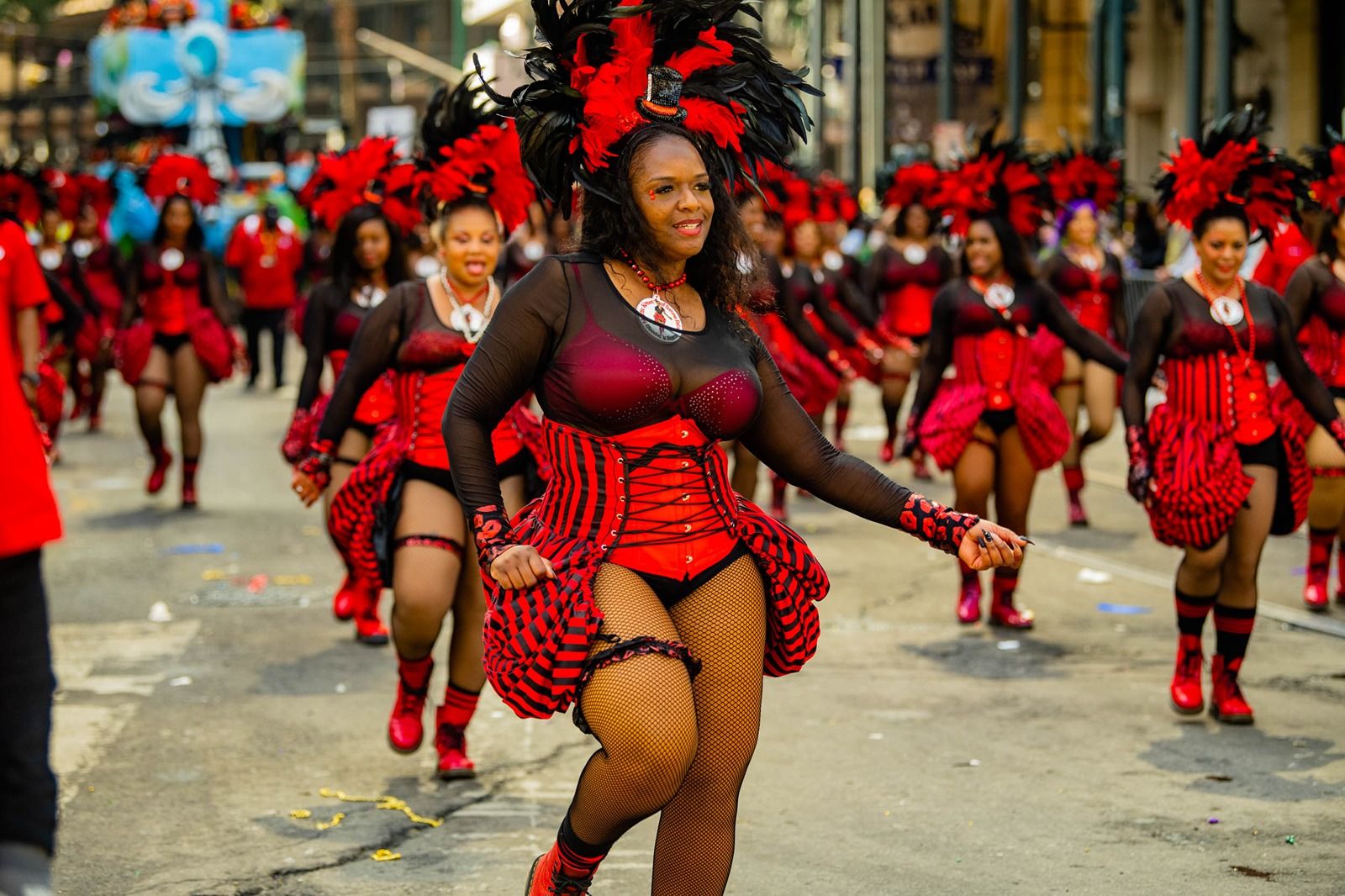
The 2010s and beyond have ushered in a new generation of krewes grounded in sisterhood, inclusivity, and empowerment. The Mystic Krewe of Femme Fatale burst onto the scene in 2013 with just 13 members. Today, they boast more than 1,500 women across 26 states and are constantly growing. Their signature throw, a bejeweled mirror compact, reminds everyone that confidence and beauty start from within. They're also known for their dynamic, star-studded annual ball and a plethora of events all year-round.
Parading over in Metairie, the Krewe of Athena is another very popular all-female krewe. Founded in 2014, their parade features about 475 female riders, and their signature throw is a custom-decorated fedora.
In 2020, a wave of new all-female organizations joined the Mardi Gras tradition: the Krewe of Themis, with their purple wigs and decorative second-line umbrellas; the Mystical Order of the Phoenix, rising from the ashes of discontent to create a new sisterhood of transparency and unity; and the Krewe of Harmonia, a smaller but mighty group dedicated to fellowship and diversity.
In 2022, the Krewe of Nandi debuted with a mission that says it all: "Love Her, Cherish Her, Empower Her." Their hand-decorated teacups have already become coveted Carnival keepsakes.
A Mardi Gras Made by Women
From Iris' grace and Venus' grit to Cleopatra's sparkle to Muses' wit, the women of Mardi Gras have rewritten the parade route of history. What started as a quiet rebellion has become a roaring, bead-tossing, shoe-slinging, high-heeled revolution.
Today, there are 13 all-female krewes parading across Louisiana, with each one being a testament to creativity, courage, and community. They roll not just to entertain but to uplift. They celebrate the strength of sisterhood and the spirit of New Orleans itself.
So when the bands blare and the floats begin to roll, look for the women leading the charge. And if you're lucky enough to catch a glittered shoe, a jeweled compact, or a hand-painted teacup, hold it tight. You're holding a piece of history where women refused to stay on the sidelines and, instead, became the queens of Carnival.