We'll Drink to That!
Valentine's Day has many associated props, tools, or accessories that help to create an atmosphere of amor: heart-shaped box of chocolates, scattered rose petals, candlelight, and soft music. All of them suggest a romantic occasion and, along with them, a pair of wine glasses next to a bottle that's been opened and left to breathe.
Wine is a symbol of romantic love, but, of course, not for young lovers who are not yet 21 years of age or those living sober. Surprisingly, it can also exclude animal lovers if they prefer not to consume their byproducts.
People with plant-based diets can celebrate Valentine's Day, too, with vegan wine. When many people hear the phrase "vegan wine" for the first time, they might think it a redundancy in terms. After all, wine is nothing but fermented grapes or perhaps some other type of fruit. Actually, wine often contains additives, some of them surprising and, for vegans, quite unwelcome.
In addition to affecting flavor, one of the most common reasons for introducing foreign substances to wine is to aid in fining, the process of clarifying wine. Egg whites have been used to remove excess phenolic compounds, such as tannins. Isinglass, a derivative of fish bladders, is another common fining agent. Winemakers are not required to disclose the use of additives, so it is best not to assume wine is vegan if it is not labeled as such.
Vegan substances can also be used in fining such as carbon, bentonite clay, limestone, kaolin clay, plant casein, silica gel, vegetable plaques, pea protein, and simple potatoes.
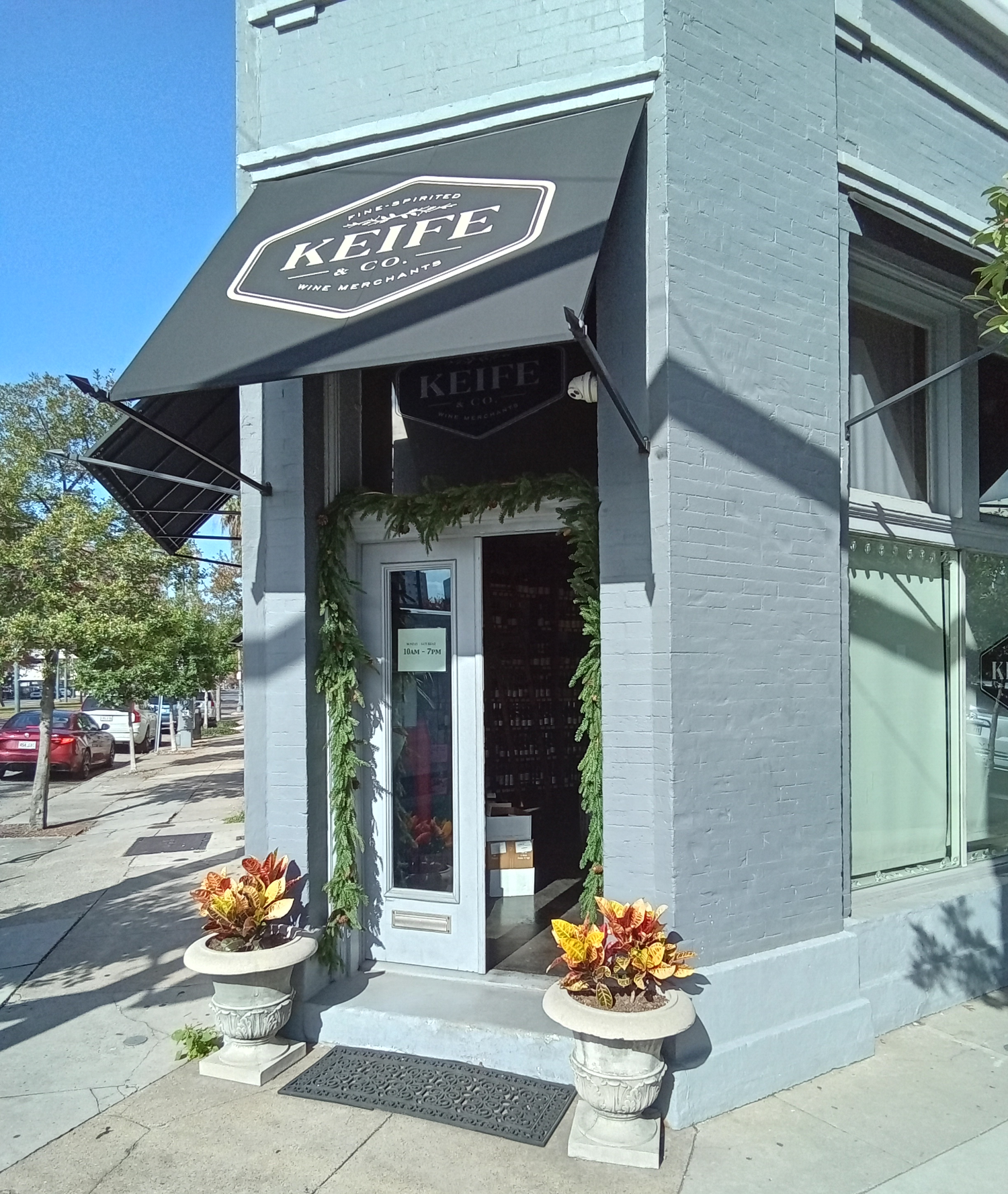
John Keife of Keife and Company, a one-stop shop for wine, spirits, specialty foods, and more, has been in the wine business for over 25 years. The veteran sommelier offered some perspective on the issue of animal byproducts being introduced to wine during fining:
"There are likely many wine producers who do not use animal products in the vinification process. But they simply don't disclose what they use for fining, if they fine the wine at all. It's probably less about subterfuge and more likely a lack of awareness that some people care and want to know. Unfortunately, though, we don't have too much information from most of the producers we carry about their practices of fining.
Although the term 'vegan' and especially 'vegan wine' was not common for the majority of my career, it's always been my priority to ensure we have options for every person and every palate. And as I mentioned previously, I'd say a large portion of our wines never see an animal product. But it was never before requested, so we never knew to look out for them. Now that more people are asking, we're doing our best to catalogue those that claim such."
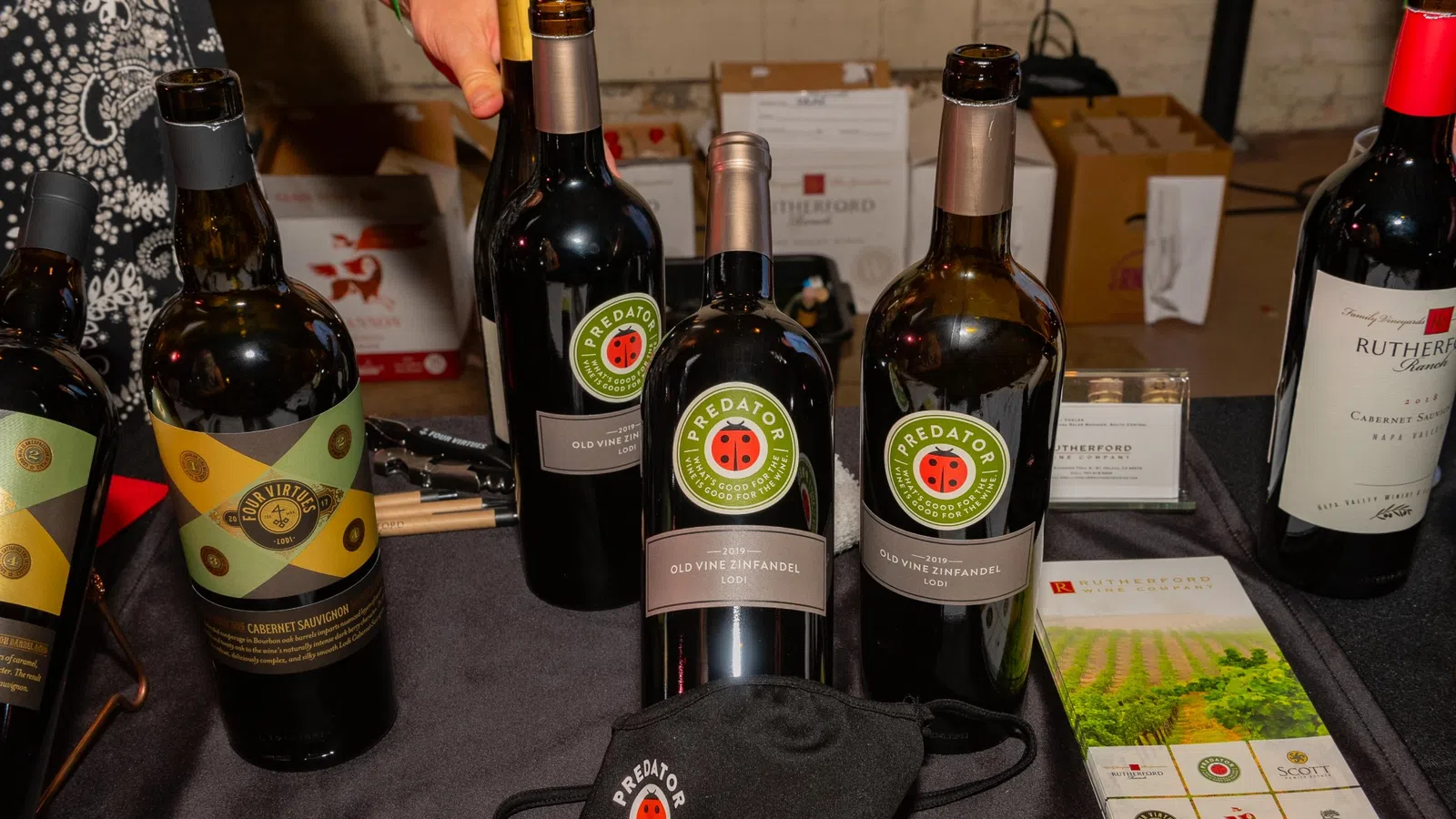
National retail chain Total Wine & More carries a substantial assortment of wines that are described variously as "vegan," "vegan-friendly," "suitable for vegans," or "100% vegan." The descriptions are sometimes found on the bottle's label, sometimes on a shelf tag, and sometimes only found on the company's website on the page for that particular product.
Owen Sorobey, assistant manager of the Total Wine store in Metairie, said that the location had a dedicated section for vegan wines when it opened in 2020 but that "it wasn't super popular." Some wines did sell well enough when shelved with non-vegan wines and they continue to do so. Vegan status does not appear to be a factor in determining cost. Price-wise, the vegan, or vegan-friendly, wines were comparable to the other wines in their respective categories, as far as Sorobey has observed.
In addition to animal-sourced additives in wine, wine is also not considered vegan if animal manure is used in the growing process. What bearing, if any, this has on vegan labeling can also vary depending, once again, on the country of origin. Unlike organic foods and the growing methods that produce them, the U.S. has no federally mandated standards that must be observed for vegan foods.
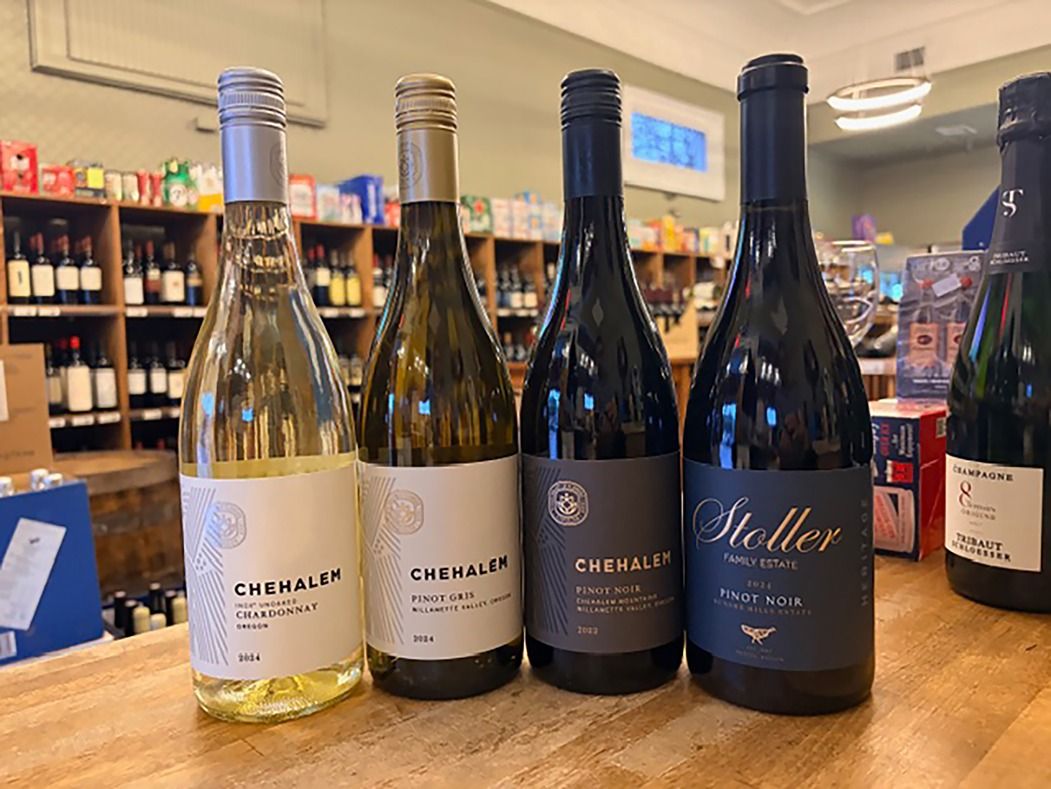
There is no government regulation of the labeling of wine as vegan, just as there is none of food and other beverages labeled vegan. Labeling is left entirely to the producers' discretion and determined by that producer's understanding of what constitutes vegan and their intention in that regard. Consumers must try to navigate this landscape and push for better, more stringent labeling.
As for the appeal of vegan wines, it provides an obvious benefit for traditionalists. Quinn Cooney, wine supervisor at Total Wine, offered his view on vegan wine by noting, "It's as traditional as wine can be."
Wine offers romance, unique appeal, and a compliment to cuisine that no one needs to forego due to the presence of unnecessary adulteration, and the Crescent City is an environment where it is particularly appreciated. Hearts and flowers may be all well and good, but a nice red goes a lot farther towards helping The City That Care Forgot to achieve that nickname.
"I can attest to the fact that New Orleans is a wine city," said Keife, who's originally from South Louisiana. Keife and Company opened its doors just off Tivoli Circle in 2012. "While I'd say folks here in general are rather nonpartisan when it comes to alcoholic beverages, we definitely drink a lot of wine, especially with food. Perhaps it's due to our Western European roots or our obsession with food. Maybe it's our climate or lifestyle."