Spill It
In America, if we are to properly define our country's relationship with tea, we must go back to the very beginning of our history. In our schools, before anything was taught about math or language, we learned about the Founding Fathers and the Boston Tea Party, inheriting and implementing our love of tea, as strong as the love of England, one of our founding countries.
Still, in the Southern U.S., during the 19th century, we did develop something new with this ancient beverage. Thanks to our warm, humid climate, we came up with iced tea. It was then, at the 1904 World's Fair in St. Louis where ice tea was introduced and this now universally enjoyed version of the ancient Chinese hot beverage gained notoriety and acceptance.
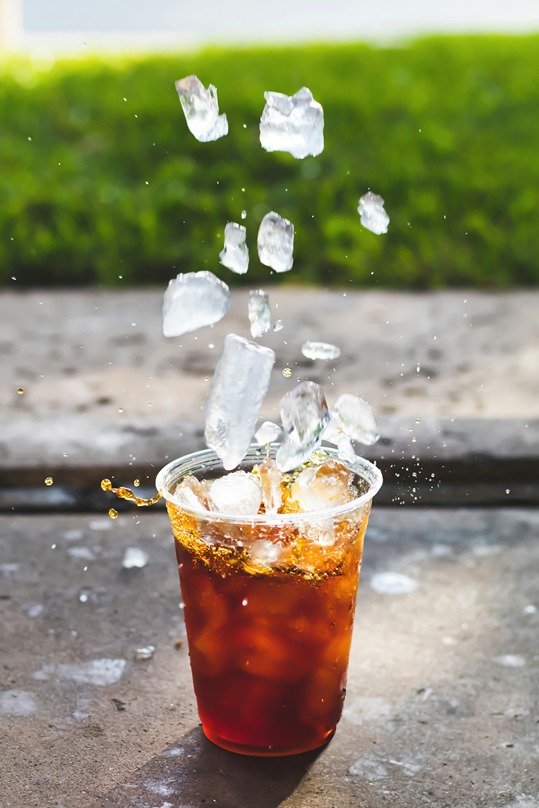
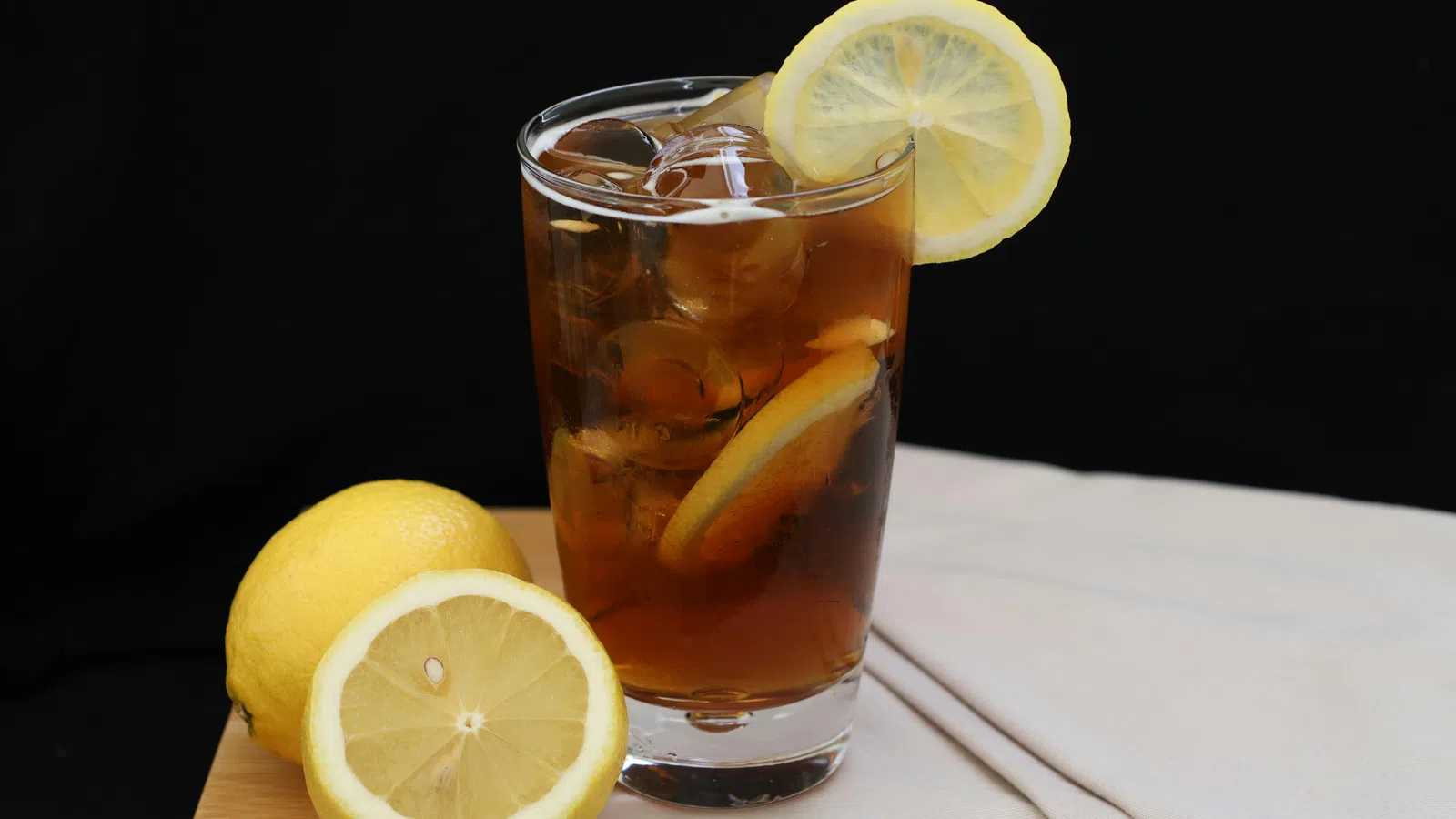
The expansion of the embrace of tea in this new serving form as a common cure for thirst was not complete. Tea presented a number of contradictions to the consumer. Heat the water but then cool the water by adding ice cubes. Depending on the type of tea used in the preparation, many of which are quite tannic on the palate, lemon was added to soften this quality. Also, tea can be bitter, so sugar is often added to the final mix to make it more palatable. Despite this doubling back to correct the beverage's core attributes, tea remained popular.
At this point in our "tea tale," enter Summerville, SC. A recipe book called Housekeeping in Old Virginia, published in 1879 and compiled by author Marion Cabell, caught the fancy of consumers, and a particular recipe for a sweetened tea was immediately adopted as a cool idea during a hot summer.
To be sure, the recipe was considered out of reach for the laboring class since ice was still somewhat reserved for those at the upper ranks, economy-speaking. It was not until the early 1920s that ice became more universally available.
A couple of societal developments came together at that time. The generation and distribution of electricity helped with making refrigerators a more common household appliance. Refrigerators, powered by electricity and able to provide a steady ice supply, presented more advantages to consumers over bulky ice-boxes, which required the physical delivery of the necessary core product.
Also at this time, which became known as the "Roaring '20s," a prohibition of beverages made to yield alcohol went into universal enforcement. Iced and sweetened tea took on the mantle of accepted adult beverages with beer, wines, and spirits outlawed to manufacture, sell, and consume.
Even with the national repeal of the Volstead Act in 1933, which set the prohibition of alcoholic beverages in 1928, tea lost none of its appeal. That appeal, particularly for sweetened iced tea, was felt most heavily in the Southern United States.

With the success of sweetened iced tea to the east of New Orleans, and with our area's sometimes oppressive and uncomfortable climate, it was inevitable that we would want to take part in the movement—but it took awhile. We were, after all, focused on harder adult beverages. In truth, Prohibition was a very low road block to New Orleans' love of party. Iced tea, and in particular sweetened iced tea, was a bit tame, and we've never really looked to the Eastern U.S. for guidance on how to party or eat or drink.
Our history and understanding of adult beverages and lifestyle items, as well as popular culinary delights, resides deeply here in our own history and DNA. Local ethnic directions, as well as our geographic location, have put us in our own space.
Order a refreshing glass of tea while dining in a restaurant or enjoying a beverage—whenever we refer to tea, it almost always is assumed to be iced tea—and there will likely be a resulting question, "Do you want sweet tea?"
That last inquiry is a relatively new addition to the clarification of what a customer desires. After all, we have our own almost exclusive "menu vernacular." To the New Orleans diner, a "dressed" sandwich is self-explanatory, as is "red gravy." "Mynez" communicates what condiment you want. "Hot sauce" refers to a Louisiana style of red, which is not of Mexican origin, and so on.
Then along comes that question from the server, "Do you want your tea sweetened?"
Let's define that request. One of the best raw materials for the best type of iced tea is Earl Grey leaf. This style of tea is of the black tea family and is usually blended or infused with oil from the rind of the bergamot orange. Historically, there really was an Earl Gray, a British lord in the 1830s. Whether he actually championed this style of tea, or even tasted it prior to his death, is disputed. His Lordship never traveled to China, and, anyway, the bergamot orange is unknown in that part of the world.
Additionally, while tea was exported to South Carolina in the late 1700s, the earliest recipes for tea with ice, lemon, and sugar were not evident until 100 years later; However, the fact remains that tea, flavored with lemon and sugar and iced cold, is truly a perfect summer beverage.
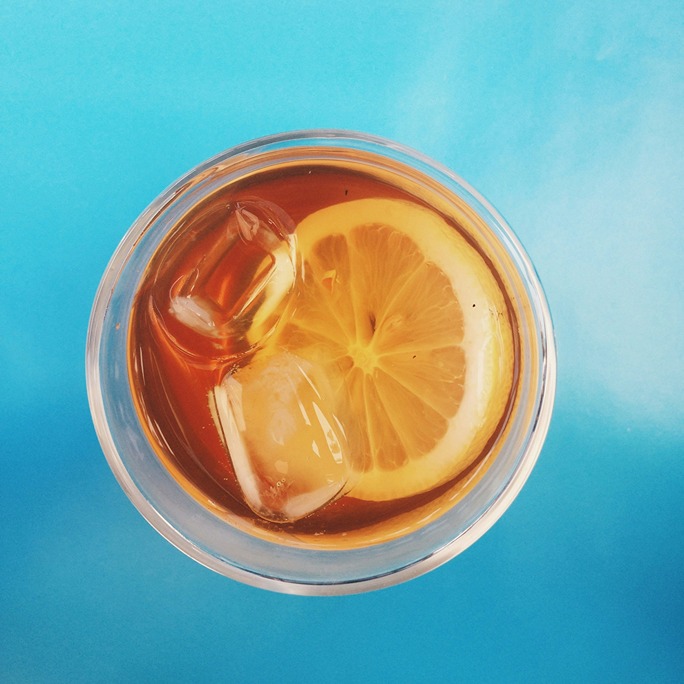
New Orleans has a soft spot for sweet drinks. The real answer to the question from your server is how sweet you like your tea. Granulated sugar does not dissolve well or easily in cold liquid, so maybe allow the dining establishment you are patronizing to do the work and enjoy the sweetened iced tea all the way to its desired conclusion.
Still, there are patrons who prefer to control the additional ingredients with the beverage they are requesting. How much sugar and how many squeezed lemons is within the patron's control, so why not assure that the outcome suits personal tastes?
The choice is yours. Make it according to your own taste, depending how much of your energy you want to expend on your beverage. Or the decision could be guided by just how sweet the already prepared concoction is. It seems what should be a relatively simple decision is, in fact, complicated.