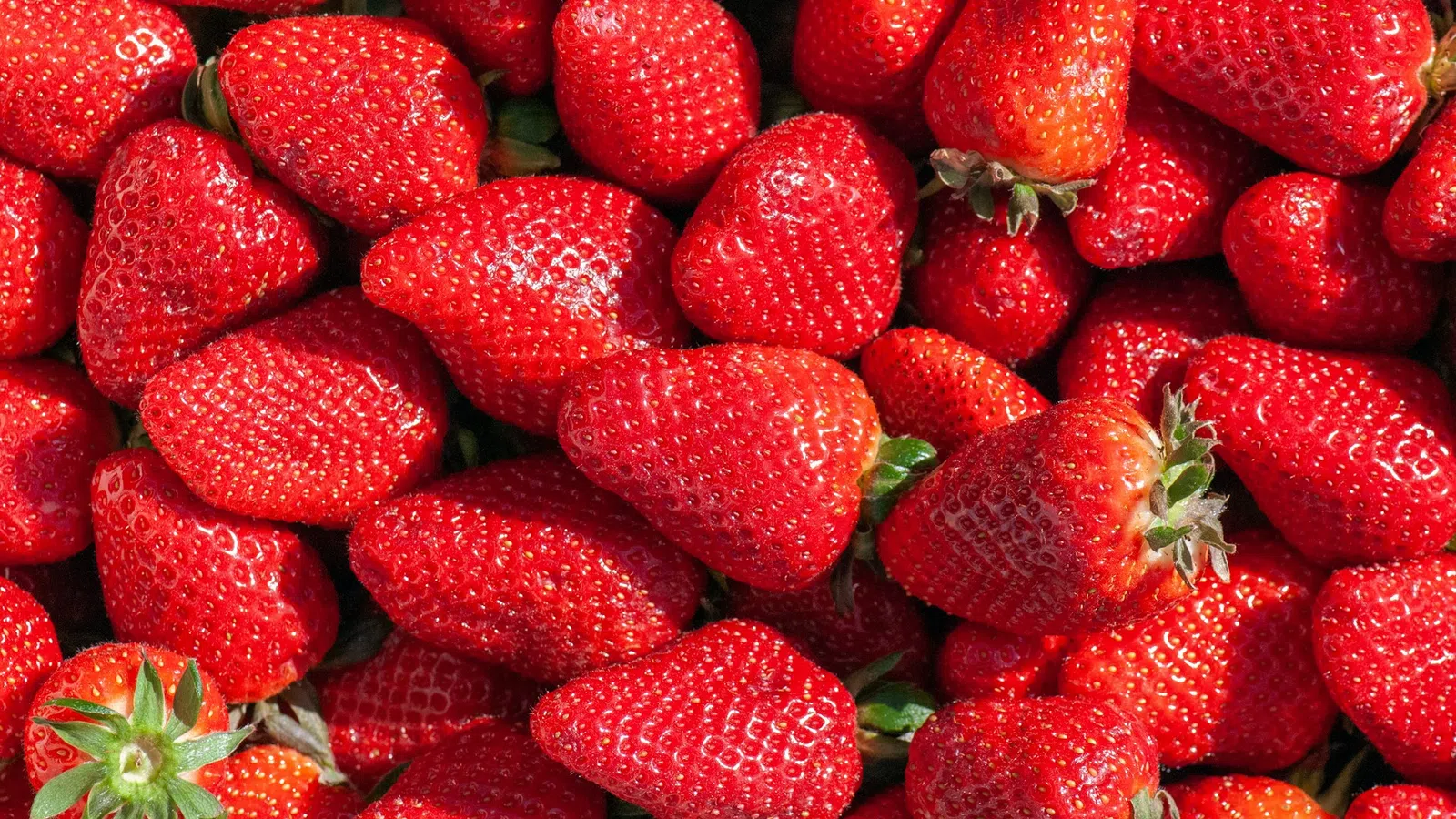
Welcome to Berry-dise
The Ponchatoula Strawberry Festival returns for its 54th year this April, bringing three days of tradition, food and drink, live music, and lots of rides to the Ponchatoula Memorial Park.
The festival celebrates Louisiana's thriving strawberry farms who helped earn Ponchatoula the title of "Strawberry Capital of the World".
What to Enjoy
At Farmers Row, along the second block of North 6th Street, visitors will find over 40 booths of food and drink. Sort through jars of jam and jelly, munch on a delicious strawberry shortcake, sip on a strawberry daiquiri, or pick out flats of farm fresh berries to take home. Don't worry—not everything is fruity and sweet. Try out some seafood baked potatoes and other savory delights throughout the festival. You may need the extra nourishment, because music and dancing will be non-stop all three days.
Music will be playing between two stages all weekend long.
This year's lineup is keeping it fresh and keeping it local with acts such as Kings of Neon, PaperChase, Swampland Revival, and many more.
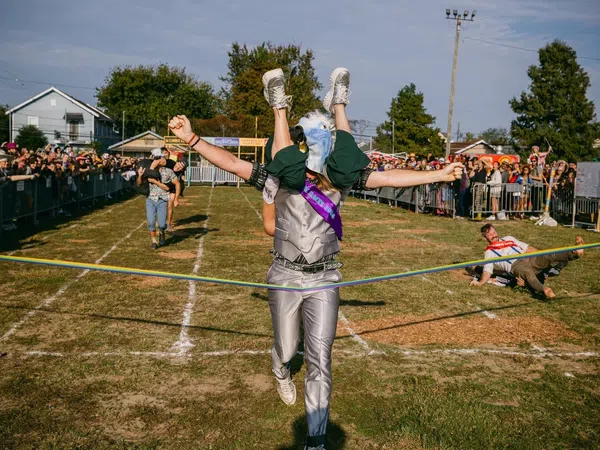
Favored festival traditions make their return, including friendly competitions such as the sack race, the egg toss, and, of course, the strawberry eating contest. Look here for competition times.
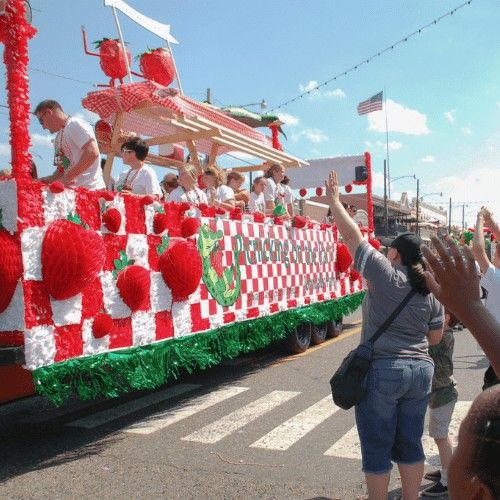
On Saturday morning, rolling at 9:30 a.m., the Strawberry
Festival Parade will begin rolling down E Pine Street. Get the official parade
route here. Be sure
to check out those fantastic strawberry themed floats, replete with fun throws to
catch!
Start celebrating early with the Julian Dufreche Strawberry
Day in the Park. On March 28, this prequel at the Ponchatoula
Memorial Park will kick off the season's fun with a wing cook-off, a car show,
a bake-off, and much more.
Why We Celebrate
The Ponchatoula Strawberry Festival was started in 1971 by
the city's Chamber of Commerce on a budget of $500. Today, the annual
celebration brings in over 300,000 people from all over the state and country.
This festival is more than just tradition; it highlights the importance of
local farmers, a part of regional food history, and serves as a way for the community
to connect and engage with one another.