How New Orleans Keeps Culinary Traditions Alive Through the Extras
In New Orleans, food is never just food. It's history, identity, and story.
While the spotlight often shines on gumbo, po-boys, or red beans, some of the city's deepest traditions live in the side dishes. They're where African, Indigenous, and European influences converge, carried forward by generations who made the most of what they had. In a city where the kitchen is as much a gathering space as the front porch, these sides tell us who we are and where we've been.
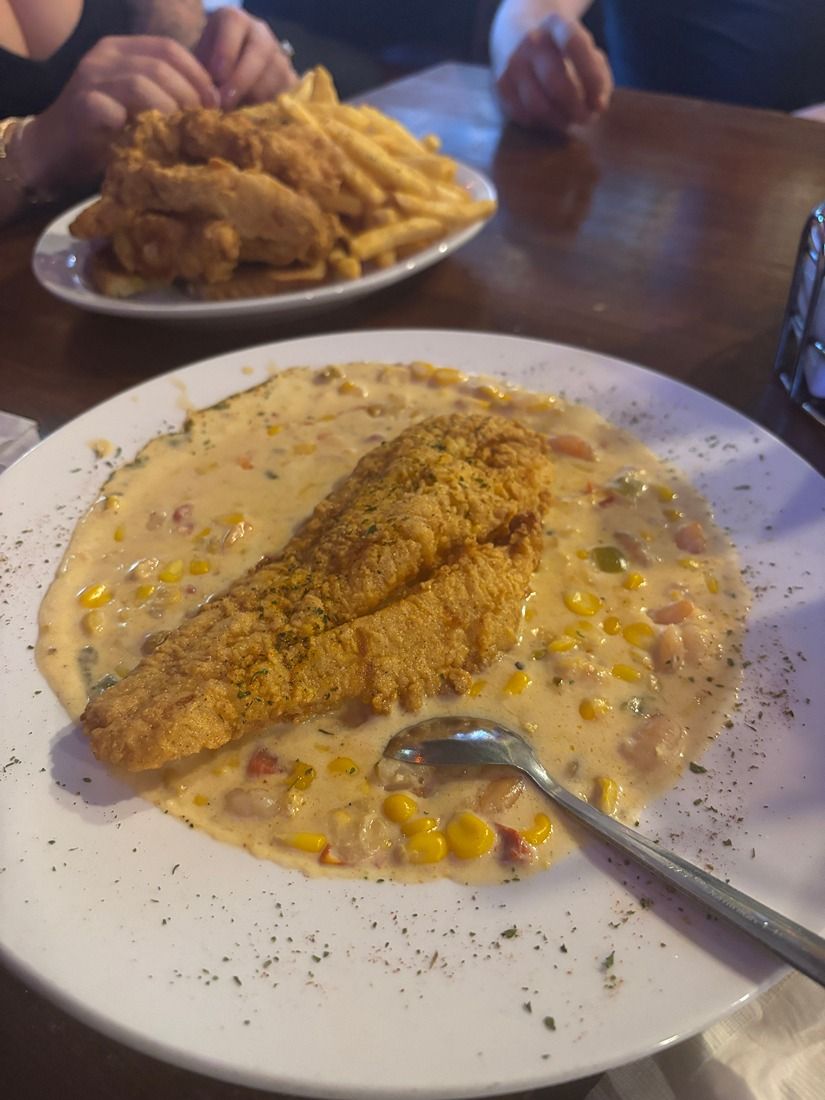
Take maque choux (mock-shoe), for example. This Creole classic blends Indigenous corn stews with French and Spanish flavors, making it the perfect dish for long Louisiana summers. Picture fresh corn kernels cut right off the cob, sautéed in butter with sweet bell peppers and tomatoes, then simmered just long enough to soften into a creamy, colorful stew. Sometimes, chefs splash in a little stock or cream to coax the vegetables into a silky base. It's simple, rustic, and bright—comfort food that hums with history.
At Brennan's, maque choux is a dinner-menu staple, dressed up just enough for the white-tablecloth setting. At The Gumbo Shop, it shows up as a trusty side dish, while Jacques-Imo's and Ye Olde College Inn lean on it to round out their Gulf fish entrées. Even Briquette nods to tradition with its crab Napoleon appetizer layered over maque choux, proving this humble side can hold its own in fine dining.
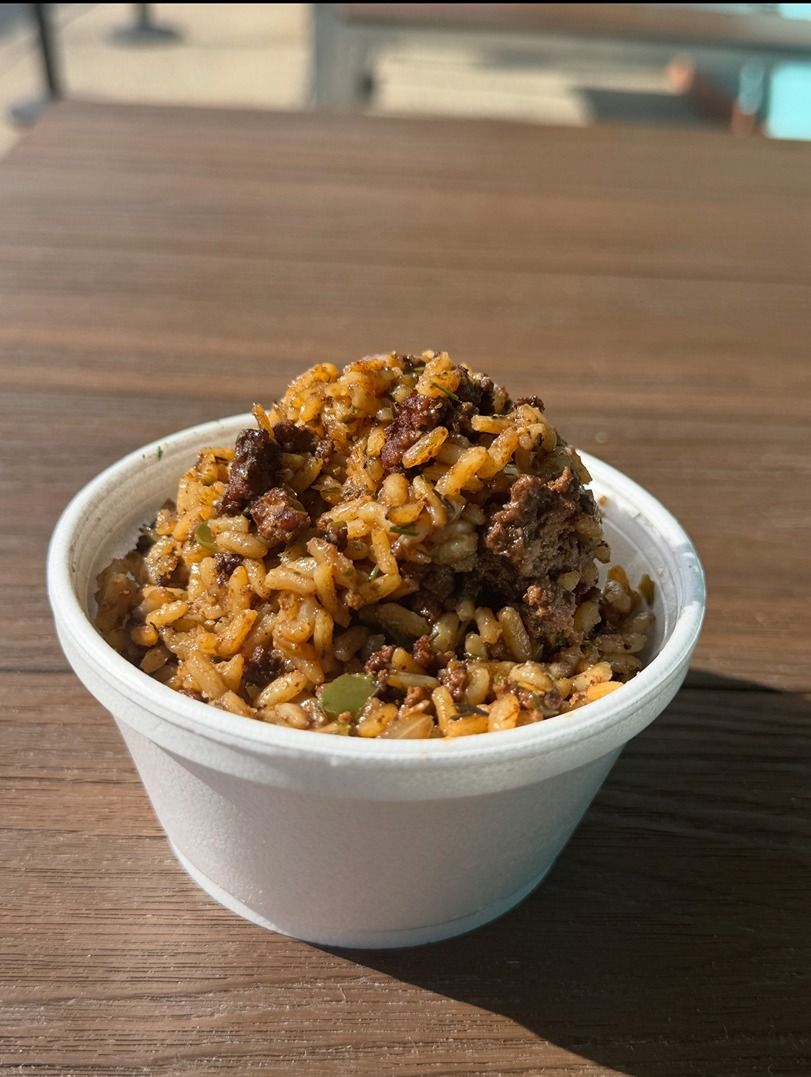
Dirty rice, on the other hand, tells a story of thrift and creativity. Born in kitchens where every scrap counted, it turns plain white rice into something hearty enough to anchor a plate. The "dirty" comes from the browned bits of chicken livers, ground meat, and the holy trinity of onion, celery, and bell pepper, all sautéed until the rice takes on a peppery, earthy depth. Spices, such as cayenne and thyme, make it hum, and a sprinkle of parsley at the end freshens up the whole pot. It's the kind of dish that feeds a crowd and still feels celebratory.
Today, GW Fins gives dirty rice a refined twist by serving it with collard greens as a combined side, while Toup's Meatery doubles down on its meaty richness. Lil' Dizzy's keeps it soulful, pairing their dirty rice with golden fried chicken, just like generations of Black Creole kitchens before them. For a grab-and-go fix, Verti Marte has long been the spot to pick up a hot box of dirty rice on the run.
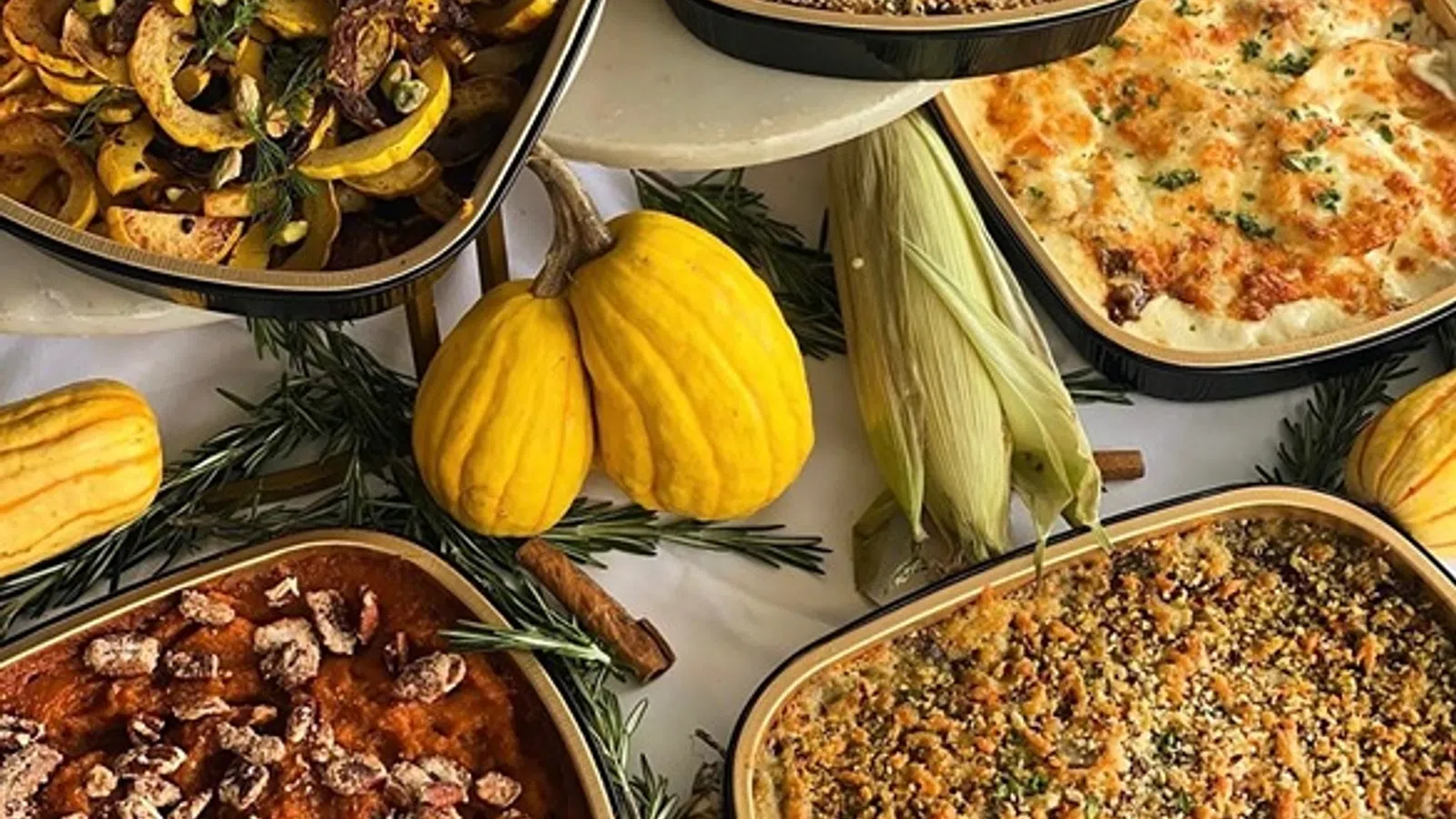
Then there's mirliton, a holiday table heavyweight in New Orleans that can be made into casseroles. Called "chayote" in most of the country, this pear-shaped squash is baked into casseroles that feel as essential to the holiday season as turkey or ham. The routine is almost ritual: boil the squash until tender, scoop out the flesh, and sauté it with onions, garlic, breadcrumbs, and seafood or sausage. That savory stuffing goes right back into the mirliton shells or gets layered into a casserole dish, baked until golden on top and bubbling at the edges.
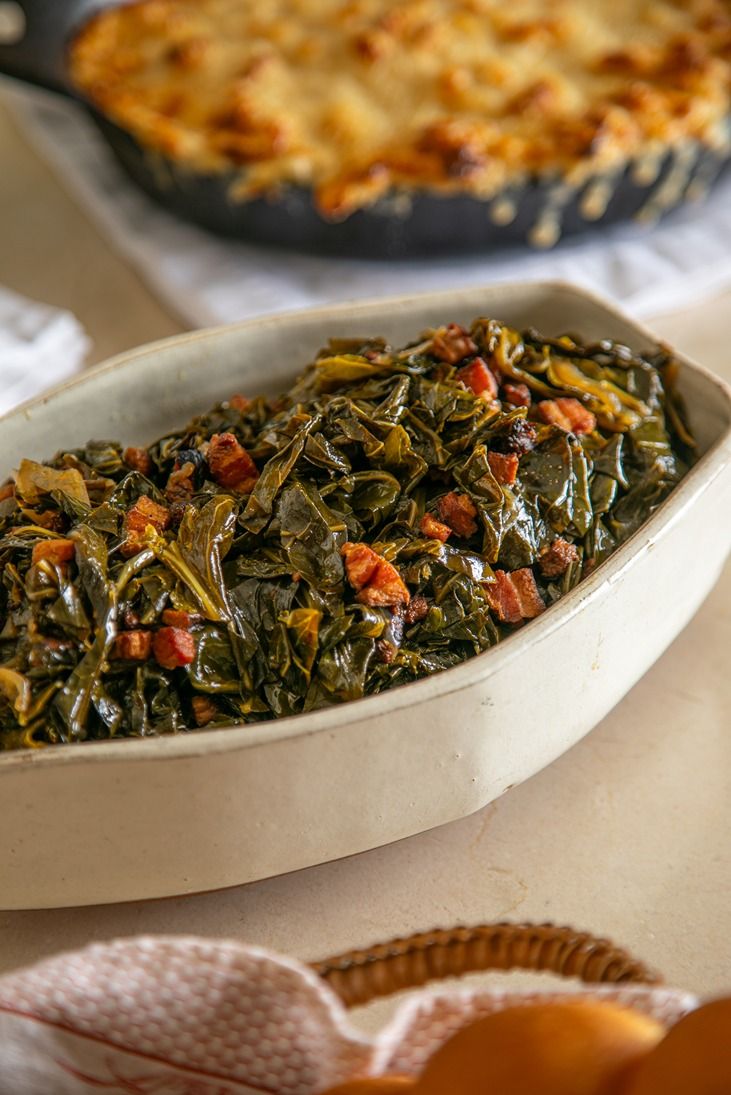
Bourbon House takes the tradition upscale by stuffing Gulf fish with shrimp and tasso mirliton dressing. Harbor Seafood in Kenner sells whole dinners featuring two stuffed mirlitons bursting with crab, shrimp, and sausage, while Captain Sid's in Bucktown keeps them in the case by the pound for anyone who wants to bring the flavor home.
And then there are the greens—mustard, turnip, collards—slow-cooked until tender in a pot with smoked pork or turkey and the juices rich enough to mop up with cornbread. Seasoned with garlic, onion, and vinegar, they balance smoky, salty, tangy, and earthy all in one bite. Good greens can't be rushed. They need time to simmer low and slow until every bite tastes layered and soulful. Each variety brings its own personality to the pot—mustard greens with their peppery bite, turnip greens with their earthy and slightly bitter tang, and collards with their sturdier leaves that mellow into sweetness the longer they cook.
Riteway Soul Foods is famous for its mustard greens, ladled into Styrofoam plates of soul food staples, and Chef Ron's Gumbo Stop offers mustard greens alongside seafood platters, keeping the tradition alive in a casual setting. Mother's serves turnip greens alongside roast beef po-boys and jambalaya, a reminder that no plate is complete without something green. Cochon takes collards in a porkier direction, braising them with bacon until they're glossy and rich, while Turkey and the Wolf transforms collards into a gooey grilled cheese melt that's as playful as it is reverent.
Together, these side dishes prove that the soul of New Orleans cooking doesn't always sit at the center of the table. They're cultural signposts, showing how traditions adapt to new kitchens and still taste like home. From white-tablecloth Creole institutions to mom-and-pop joints and neighborhood cafés, these sides remind us that a meal is more than fuel—it's a gathering and a way of keeping culture alive.
So the next time you're tucking into fried chicken, a platter of Gulf fish, or even just a plate lunch, pay attention to what's on the side. In New Orleans, the extras aren't extra at all. They're the soul of the meal—the flavors that carry history forward, bind families together, and keep the city's story simmering, one bite at a time.