LSU Coaching
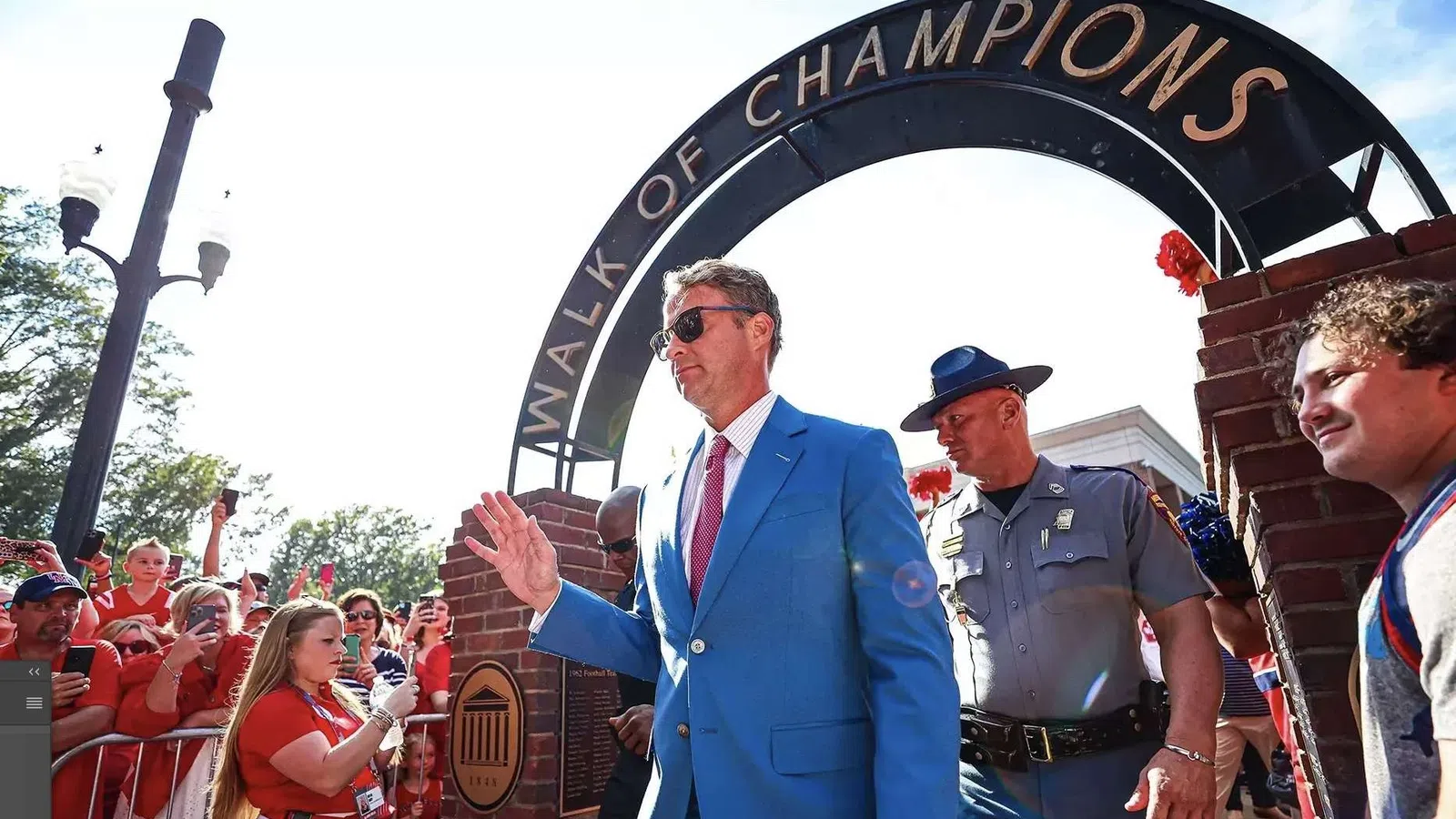
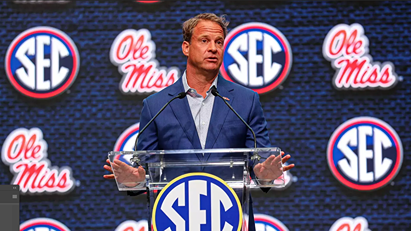
Rumors surrounding the Louisiana State University (LSU) football program's coaching future have intensified in recent weeks, with growing chatter that Ole Miss head coach Lane Kiffin is a serious candidate for LSU's leadership change. While the university has now formally begun its search, the effects of the speculation are already being felt across Louisiana's high school recruiting network, college pipeline, and football economy.
Interviews with high school coaches, recruiting observers, business owners, and families of student-athletes indicate that the upcoming transition in Baton Rouge has created statewide ripple effects. In a state where LSU football functions as both cultural anchor and economic driver, shifts in perception can carry real weight, because the hottest sport in Louisiana right now isn't football. It's rumor-tracking.
Recruiting Indicators Show Early Signs of Strain
Louisiana's recruiting landscape, historically anchored by LSU's strong presence, has grown more competitive over the last two recruiting cycles. Data shows that more of the state's top-ranked prospects have committed to out-of-state programs, particularly Alabama, Texas, Florida State, and Georgia—can anyone say Arch Manning?
High school coaches throughout southeastern Louisiana report an uptick in outside recruiters visiting campuses, especially when LSU appears less stable. Several describe longer gaps between LSU check-ins or slower follow-ups than in previous seasons, noting that rival SEC programs tend to increase their contact when LSU's direction is uncertain.

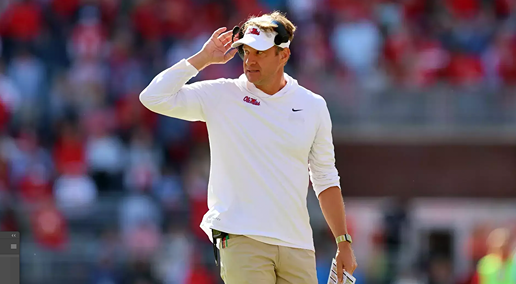
Experts say a potential high-profile hire like Kiffin could immediately reestablish momentum. His reputation as an aggressive recruiter and offensive-minded strategist has drawn national attention, and many believe his presence would energize both in-state recruits and Name, Image, and Likeness (NIL) collectives.
Staff Transitions and Internal Evaluation Fuel Speculation
Recent changes from the top down, including analyst shifts and internal assessments, have added to a growing sense that the program is reevaluating its long-term direction. While staff turnover is common in major SEC programs, repeated changes in shortperiods can create hesitation among recruits who prioritize continuity. Athlete advocates say families are increasingly focused on long-term stability, particularly as the transfer portal and NIL era amplify movement and uncertainty across college football.
NIL Competition Heightens the Stakes
Louisiana's NIL infrastructure continues to grow, but it remains behind the more robust financial ecosystems in Texas and Alabama. In this environment, coaching stability becomes even more critical. Recruits and their families are evaluating not only the program's financial landscape but also its national visibility, offensive identity, and potential leadership.
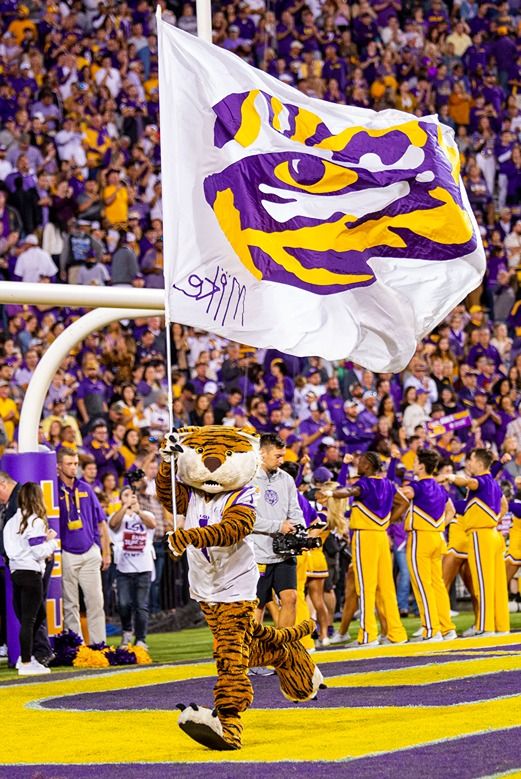
A high-impact hire such as Lane Kiffin, known for leveraging media attention and player branding, would likely shift NIL conversations statewide, creating new opportunities for both recruits and current LSU athletes. But didn't they say the same thing about Brian Kelly? Ole Miss is a big deal and one of LSU's biggest rivalries. Will this turnover stir the gumbo pot—or be a blessing in disguise?
Economic Effects Reach New Orleans and Baton Rouge
Local businesses in both Baton Rouge and New Orleans confirm that LSU's perceived stability directly affects revenue. Bar and restaurant managers report noticeable fluctuations in foot traffic depending on fan confidence in the program. When LSU experiences momentum, local hospitality sees major gains, particularly on game days. When the program appears uncertain, turnout decreases. Several owners say the recent rumors have created a "wait-and-see" mood among fans, resulting in quieter game-day crowds across multiple weekends.
Let's also not forget that somehow, while all of this is going on, alumni dollars are drying up.
Families Are Reassessing Opportunities
For many Louisiana households, a football scholarship represents both financial relief and generational opportunity. Parents of top recruits say they are watching LSU's coaching situation closely, emphasizing that consistency in leadership heavily influences their decisions. Families note that if LSU's staff appears vulnerable to change, they are more likely to consider out-of-state programs offering clearer long-term plans. However, many acknowledge that a decisive, high-profile hire could quickly reestablish LSU as the preferred destination.
The Road Ahead
LSU has now made its coaching search official, and Lane Kiffin has emerged as the program's top choice. According to multiple sources familiar with the process, LSU expects Kiffin to make a public announcement following the Egg Bowl, an announcement that could reshape not only the Tigers' trajectory but the entire Southeastern football landscape. What happens next will influence recruiting patterns, NIL strategies, local business expectations, and the broader identity of football in Louisiana.
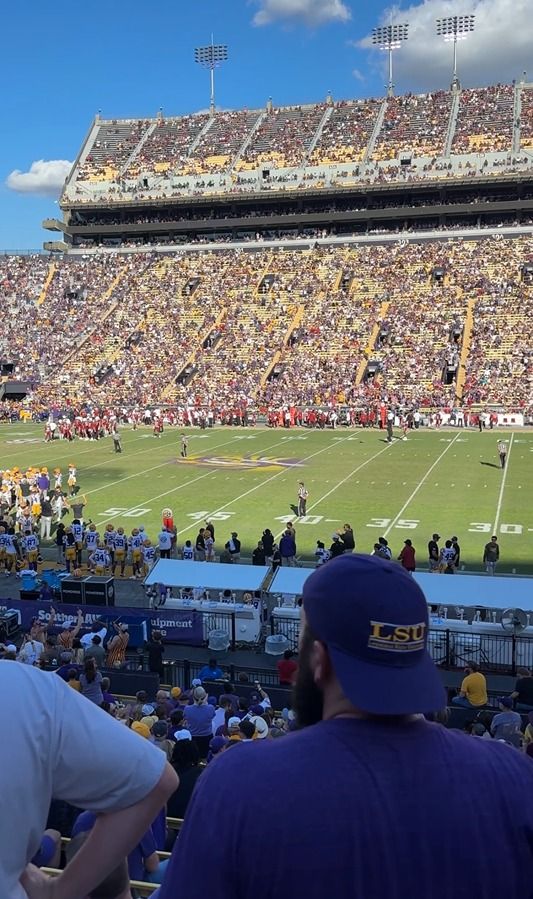
High school coaches emphasize that LSU's decisions do not exist in isolation. The program's stability—or lack thereof—affects dozens of schools, hundreds of athletes, and thousands of families who see LSU as both opportunity and cultural centerpiece. LSU's moves are rarely just internal decisions; they are statewide events that recalibrate the football landscape from Baton Rouge to New Orleans and well beyond. Anyone who has seen empty stadium seats lately can tell you that.