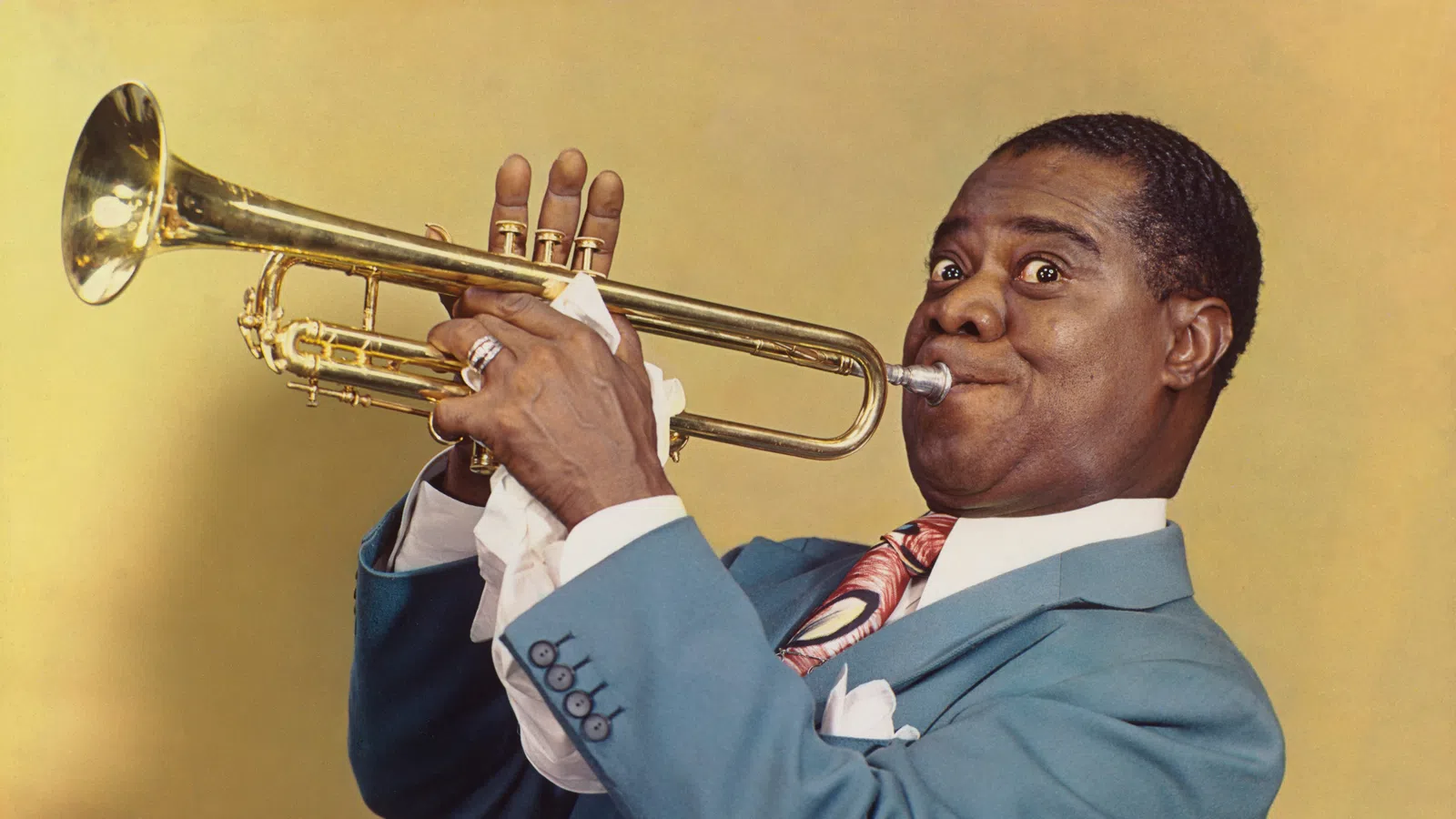
Louis Armstrong's 125th Birthday
Louis Armstrong was never sure when his real birthday was. He always claimed it was the Fourth of July, a little too symbolic for one of jazz's founding fathers. It was probably a convenient fiction for an ambitious young musician trying to get into age-restricted clubs.
Research suggests that he was really born on August 4, 1901, which means that this summer would have been the great man's 125th birthday.
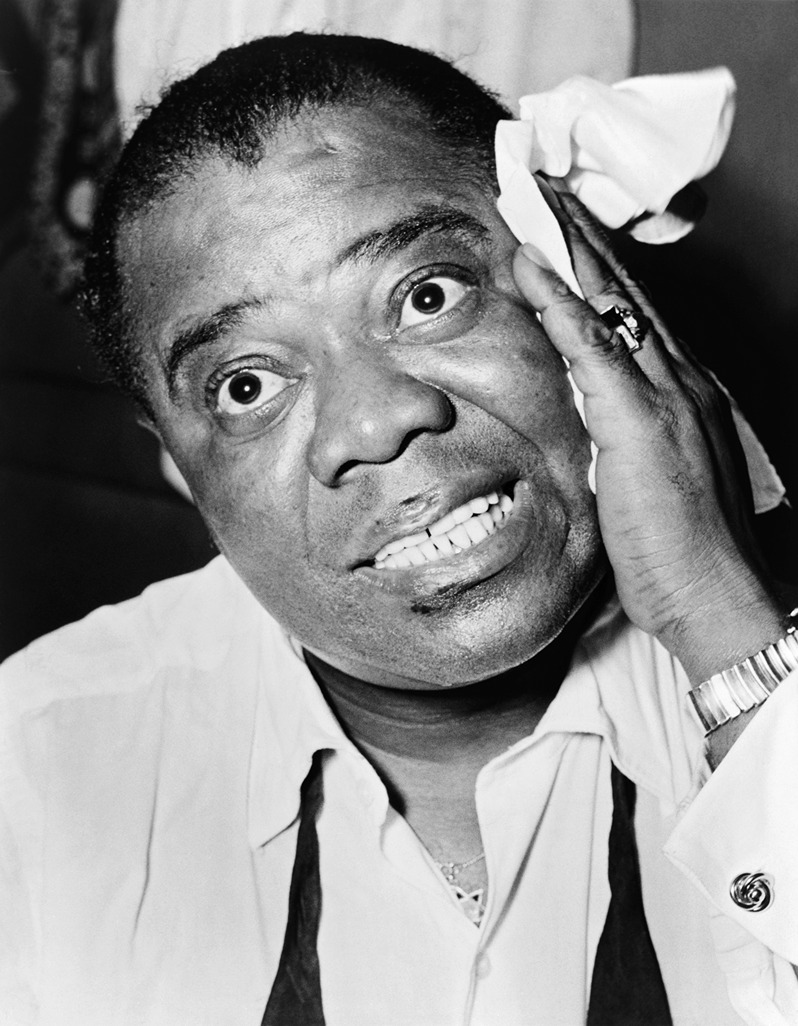
Considering how rough his early life was, it's a wonder he even survived it, let alone was able to gleefully tell the tale. His lively memoir Satchmo: My Life in New Orleans should be taken with a certain amount of salt. It isn't necessarily a historical document. Armstrong wrote it as a much older man looking back, and who isn't prone to exaggerating stories, let alone a lifelong improviser? Nevertheless, it's a vivid, engaging, authentic tale of what it was like to make your way through bustling New Orleans at the turn of the 20th century.
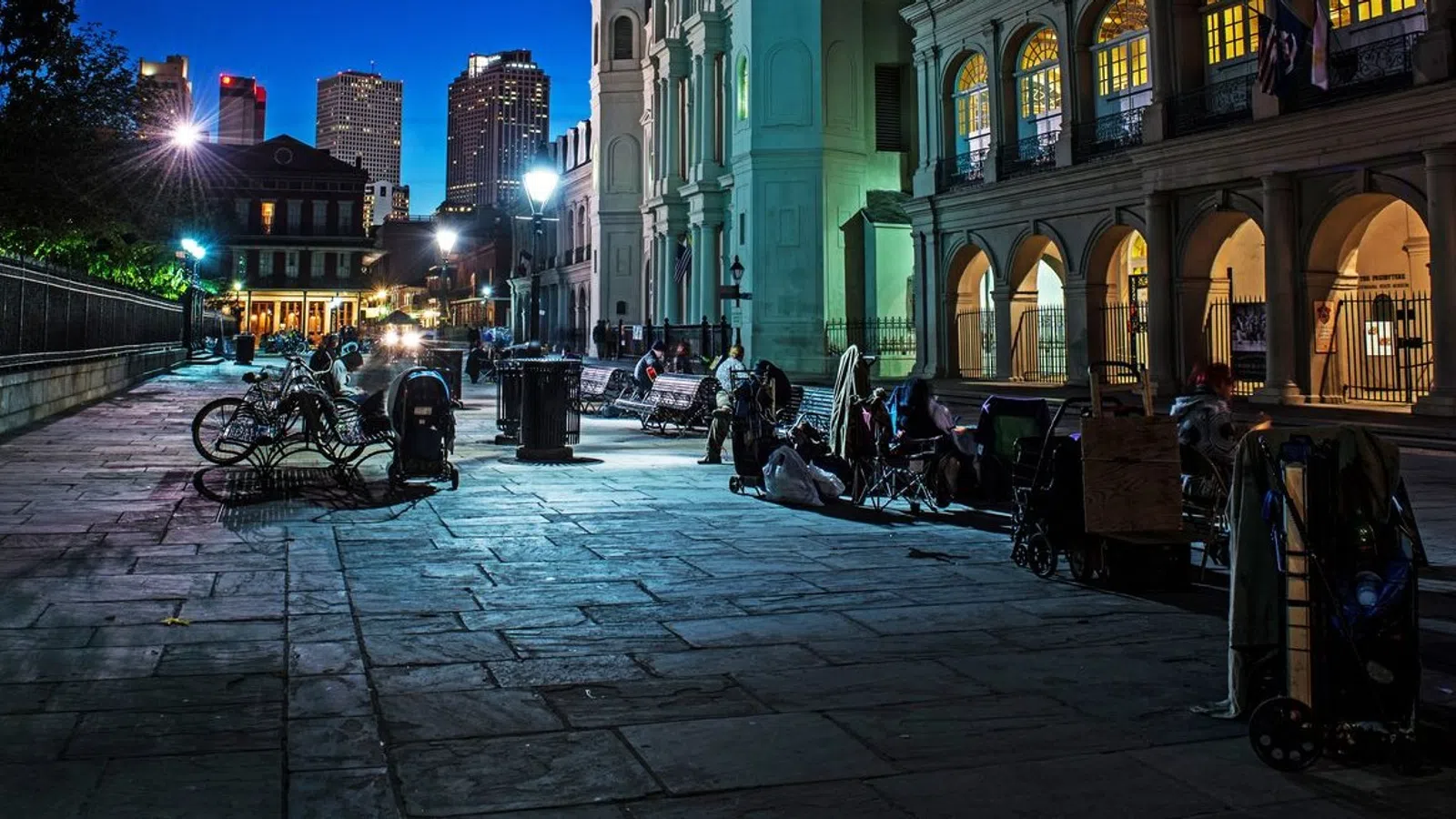
Armstrong grew up in what was then referred to as "back o' town," AKA the Black red-light district where City Hall now stands. As compared to Storyville's genteel, white-dominated location not far away on the other side of the Quarter, there were less tacit legal protections available to Black patrons or sex workers. A telling contrast for those who also made their living through serving illicit pleasures, especially in the racially volatile Reconstruction era.
Plenty was stacked against Armstrong from the start. The son of an impoverished family with an absent playboy father and raised by his proud, capable, supportive mother and grandmother, Armstrong was a Black boy from the wrong side of town in the Jim Crow South. Spunky Louis grew up walking barefoot through the putrid streets, with violence and chaos all around him, listening closely to the vital but anarchic music scene. However tough the going got, Armstrong and his mother still made do with style.
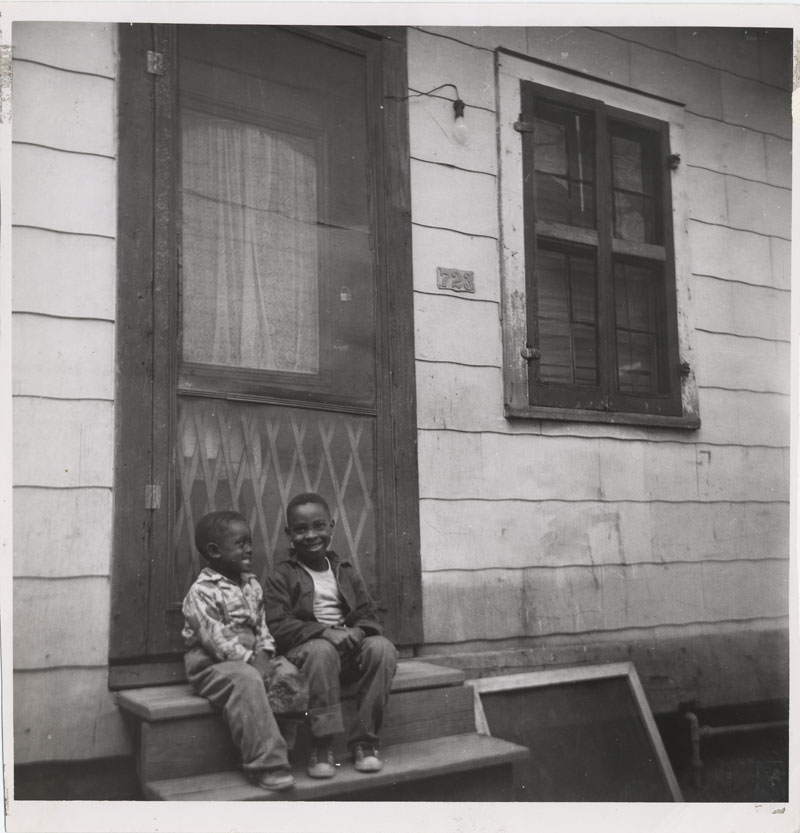
Dickensian doesn't even begin to describe it. The young man was working his ass off from virtually the time he could stand. He hauled coal carts like a Victorian urchin. His toe was almost torn off after slipping off a cart rolling down a rudimentary road strewn with discarded oyster shells. At one point, he was happily, but briefly, a gofer for sex workers. He explained that he had a lifelong fear of bananas due to a massive spider leaping out of a crate he was carrying. Despite all the hardship, his account admirably contains no hint of self-pity. It's clear the deepest expression of his blues is saved for the music, as in the unfathomably moving "West End Blues."
It's strange to think that if young Armstrong hadn't been celebrating New Year's Eve in the traditional way by shooting a gun in the air, he never would have been arrested and sent to the "home for colored waifs," a combination orphanage and juvie hall, and thus had a chance to learn how to play the instrument he would soon master. Club owners became a combination of patron, bartender, and surrogate fathers. It's still hair-raising to hear him tell stories about being present for spontaneous mafia shootouts over territory and god knows what else.
Some of the biggest names in early jazz appear, such as the boisterous Sidney Bechet, who Armstrong was properly awed by. Trombonist Kid Ory gets an appreciative tribute as a gifted and kind man. Daylong second lines stretching for miles across the city are a treasured tradition where Armstrong honed his skills as part of a marching band. He even remembered hearing Buddy Bolden play as a small child, which is a tantalizing glimpse of an early jazz star whose recordings unfortunately don't survive.
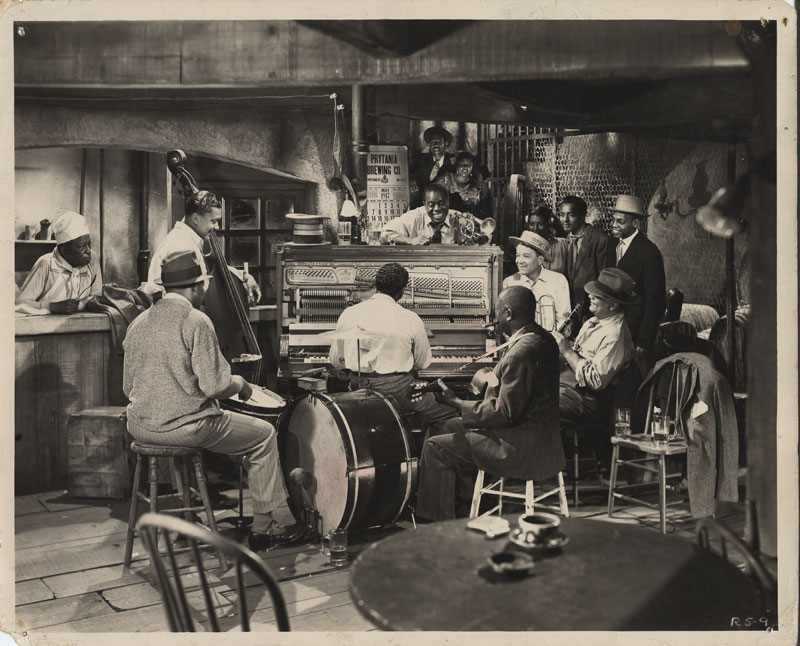
We learn plenty of fun slang. "Satchmo" comes from being affectionately called "Satchel Mouth." One peer saluted his ability to "play that quail," and when something's excited, it "gasses" him. To "chew the rag" is to hang out and talk, and having amorous intentions means to "have a mash on you." At one point, he "cuts in on" a working girl who proved to be more trouble than she's worth. Sometimes the language provides a blithe way to describe a brutal scene—two drunk toughs squaring off in a club "fight like circle saws." It's been suggested that Armstrong contributed to defining the term "cat" as a term of endearment for a hip music fan.
People then and now sometimes mistake Armstrong as a mere lightweight goofball or, worse, an Uncle Tom. This is bunk. Ebullient Louis certainly wanted to please the audience, but entertainment doesn't preclude artistry. His account of his upbringing sets the record straight on how deeply Armstrong understood and experienced life's rougher edges. It took a lot to get through the streets of New Orleans, which he never fully left behind. By the end of the story, he's gassed to join Joe "King" Oliver's band and head up towards Chicago on a train in a new suit with a fish sandwich his mother gave him. His glorious future—success, fame, immortality—is still glimmering on the horizon.