Jazz Fest Live
For many visiting the New Orleans Jazz & Heritage Festival, it's a once-in-a-lifetime opportunity. For others, it's a yearly tradition.
Your first Jazz Fest is like your first trip to Disney World. But for the sentimental, how do you properly commemorate it? Souvenirs and photos don't quite do it justice, and even a cool t-shirt doesn't make you feel like you're there again. This is a thought that Peer Munck had when he started live recording Grateful Dead concerts in 2003, burning CDs of the show so people could leave with the actual music. He took this idea to Jazz Fest in 2004 and, since then, has been recording live acts across all stages for Jazz Fest visitors to cherish and share for decades to come.
There are some caveats, as with any live shows. Things can happen, such as when the Gentilly Stage lost power in the middle of Leo Nocentelli's set last year. Major artists have labels that won't let them record due to existing contracts, and there's obviously a time crunch. But when everything goes well for the triple digit artists and recordings have been recorded, mixed, mastered, and packaged, it's magic. There have been performances so breathtaking that they weren't able to print the CDs fast enough and that were so incredible that people still talk about them. Sweet Crude, Anders Osborne, and Big Freedia immediately come to mind. Everyone has had that one set at Jazz Fest that changed their life.
It's a pretty solid bet that you can predict an up and coming artist's success by how well their Jazz Fest Live recording sells. For these not yet established artists, the opportunity to perform at Jazz Fest alone is a blessing. To be able to produce a professional album for a percentage of royalties? That's even better. Most wouldn't be able to afford the thousands of dollars in studio session fees a professional album recording entails or even have the know-how to do it on their own. Without a label, they're often left in marketing limbo.
Jazz Fest Live affords them the opportunity to have a top-notch professional recording with the added energy of a live audience. It's also extra special because "you're being transported back to that moment, hearing the stage banter as well as the vibe of the crowd," Munck said. Munck also points out that this also gives them actual physical printed copies of music that they can use on tour, for distribution, or at merch tables, affording the high out-of-pocket costs younger artists sometimes just don't have.
The technical specs of the equipment used is extensive, and the number of channels recorded is indeed impressive. These guys are pros. They are Grammy winners, in fact. Throughout the years, they've been nominated for nine album Grammys, of which they've won two. These nominations are often in extremely important culturally significant genres and categories such as Zydeco, Cajun, and Regional Roots. Past winners include BeauSoleil avec Michael Doucet from 2008, as well as 2022's Ranky Tanky set.
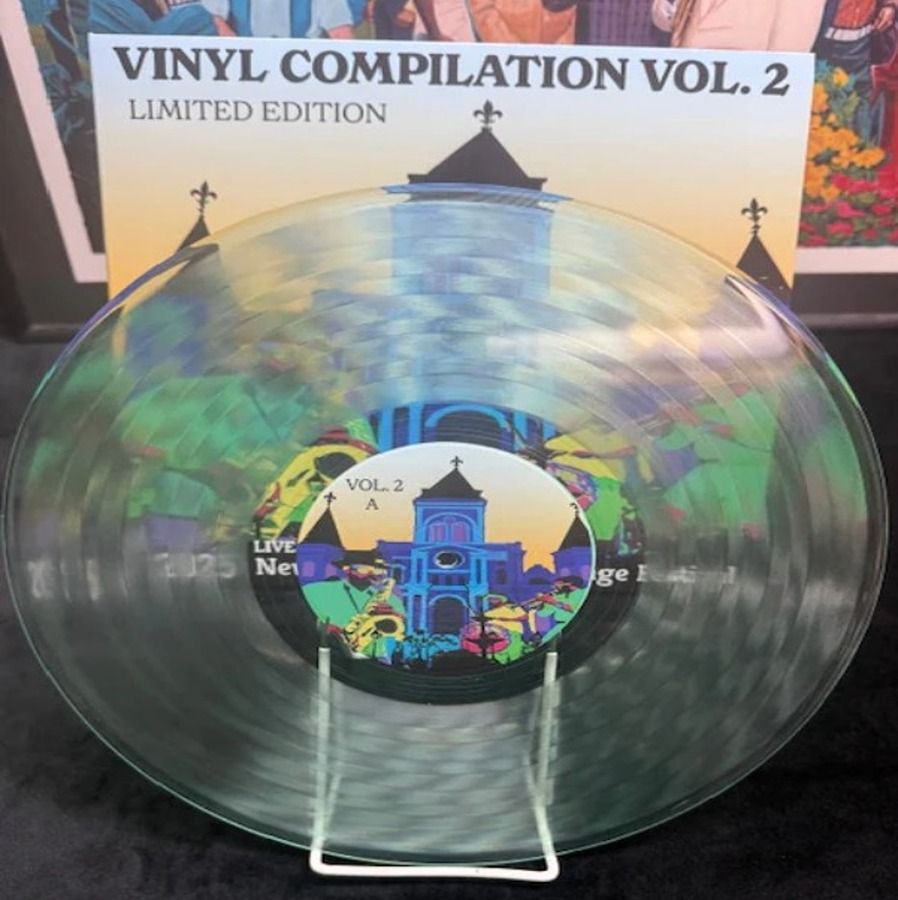
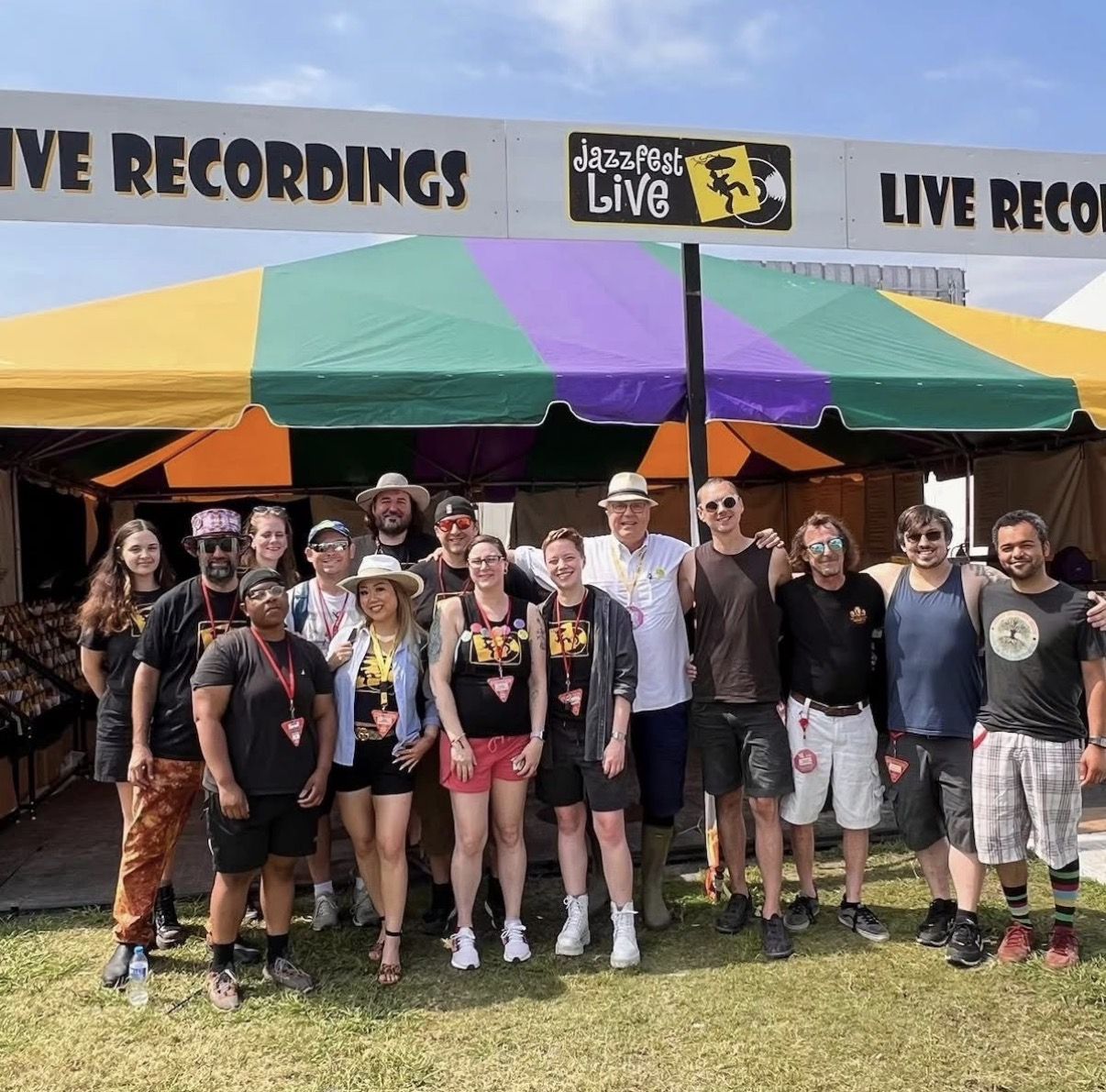
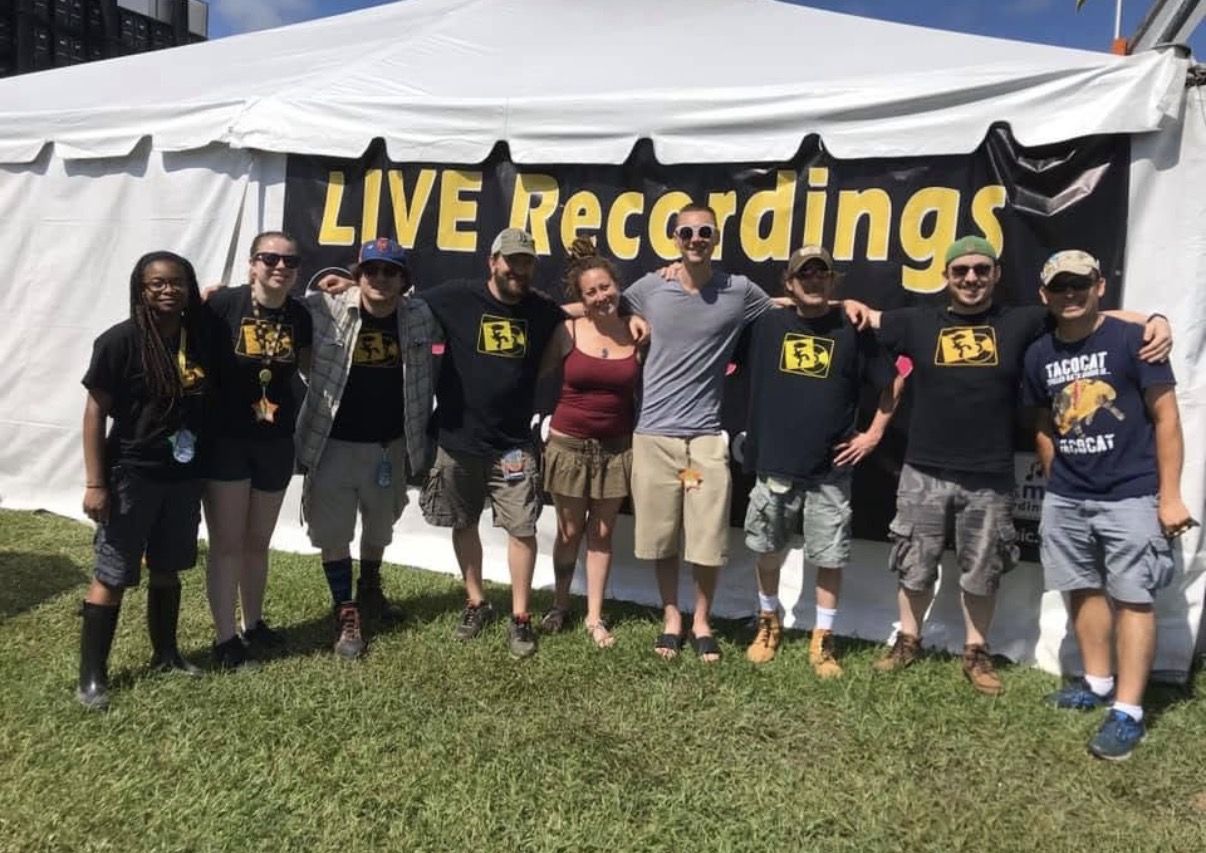
Fostering our musical community is always appreciated, but what's better is the work Munck Music and Jazz Fest Live are doing with local music business students at Loyola University New Orleans. Each year, approximately 20 students are able to work alongside Jazz Fest Live's recordists, mixers, and audio engineers to be able to immerse themselves in the process in real time. It's pretty rare that an album goes from sound check to a customer's hands within hours, but, in most cases, someone can see a show on a Jazz Fest stage at noon and leave with either a physical recording or a link for electronic download by 7 p.m. when they're headed to the exit gates. Sometimes there may be a delay while artists approve quality or engineers catch up—they produced approximately 120 recordings last year— but, generally, people have a product in hand when they fly home. Working with the students has given them an irreplaceable real world experience, and, in turn, the youth have continued to help keep operations fresh.
When asked what he thought about streaming and the evolution of digital music, Munck agreed that the majority of the festival's demographic still enjoys physical content such as CDs and that vinyl is making a cult comeback for all ages. The interns and staff continuously have ideas for bringing the magic to a variety of new media, without being detrimental to the artist as many streaming platforms have been known to do. Munck said he has a few new ideas up his sleeve, as well.
Above all, the work is what matters most to him. He said, "Our mission is to ensure that the extraordinary music created here: jazz, blues, Cajun, zydeco, gospel, swamp pop, and more continues to thrive for future generations. The music of Jazz Fest is not only a cultural treasure, it is a living history carried forward by the musicians who create and perform it. Our work is vital because live music is the most authentic expression of Louisiana's culture, yet it is also the most fragile. Once a live performance ends, it is lost forever unless it is recorded and preserved."
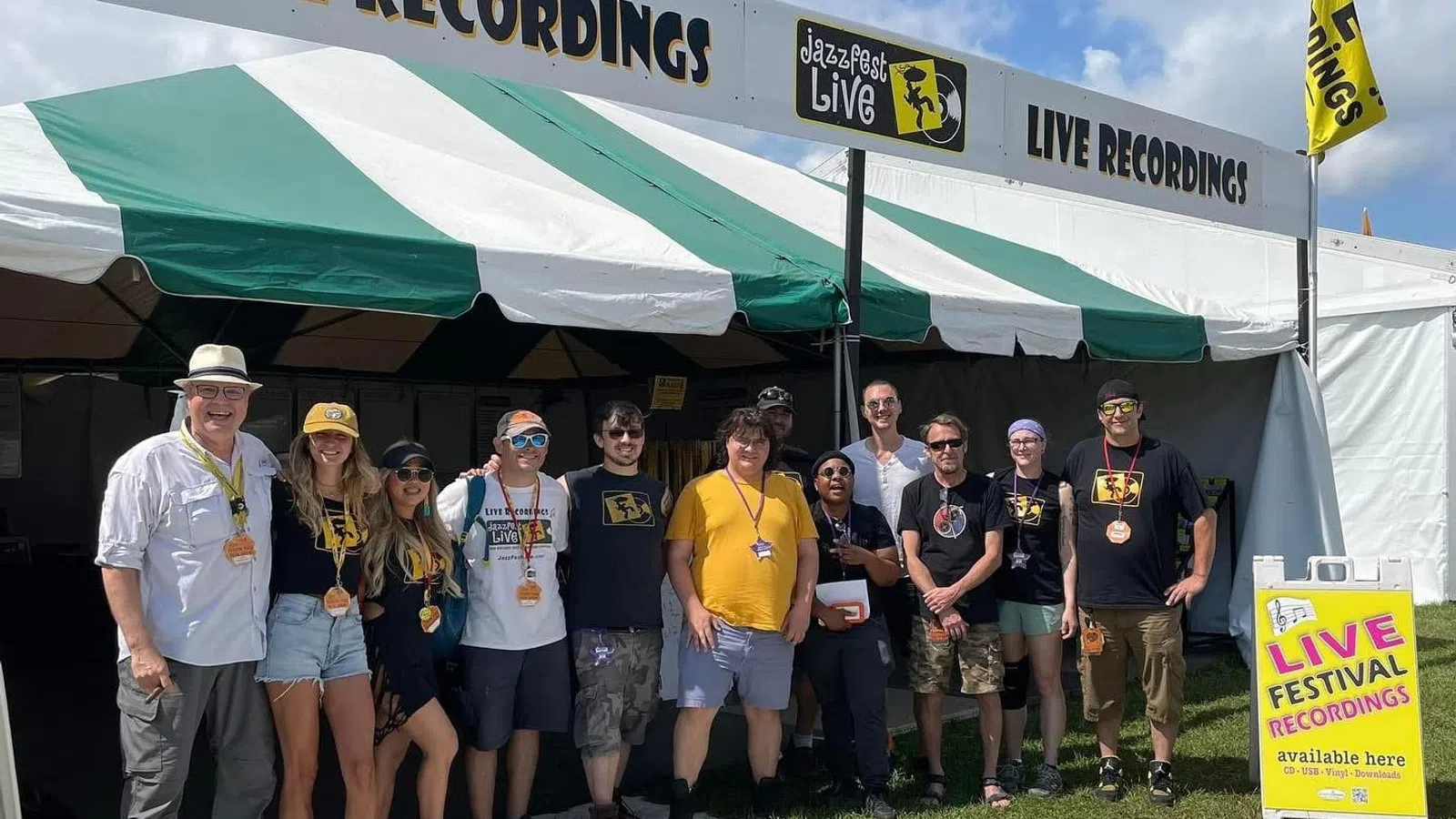
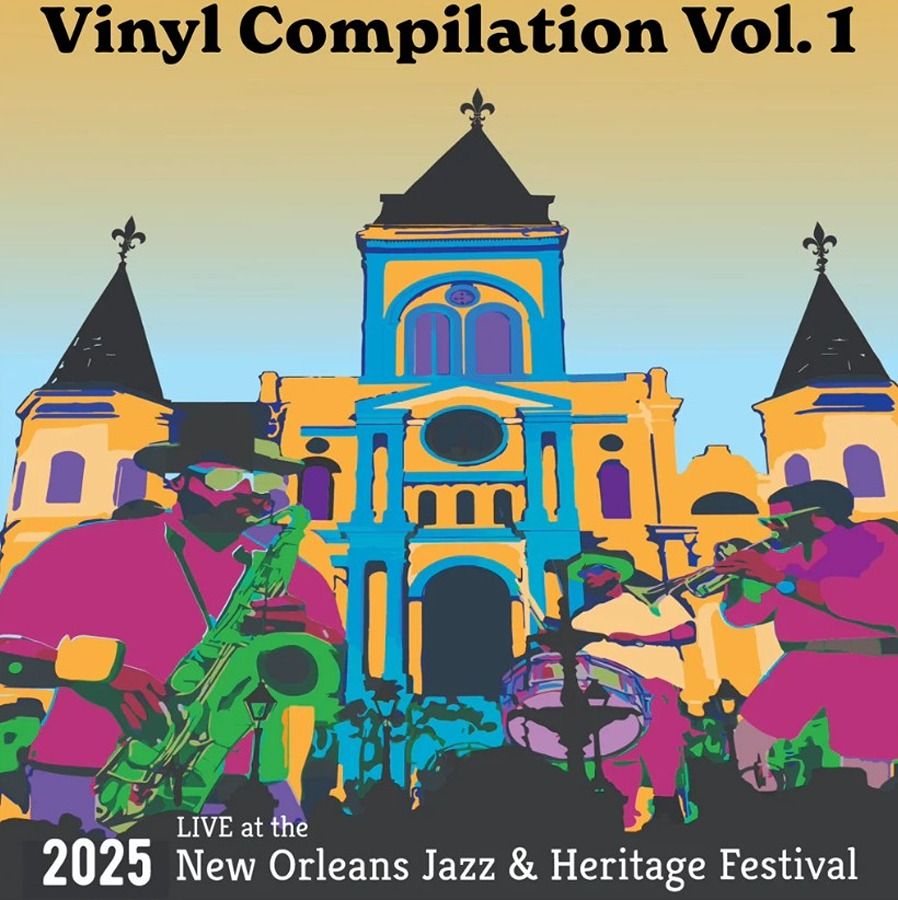
To purchase a Jazz Fest Live recording, there are archives of each past year including limited edition vinyl compilations, you can visit the Jazz Fest Live tent, usually next to Rhythmpourium, or go to munck-music.com.