New Orleans' Shotgun Houses
Shotgun houses are filled with an air of mystery, fitting perfectly into the Crescent City.
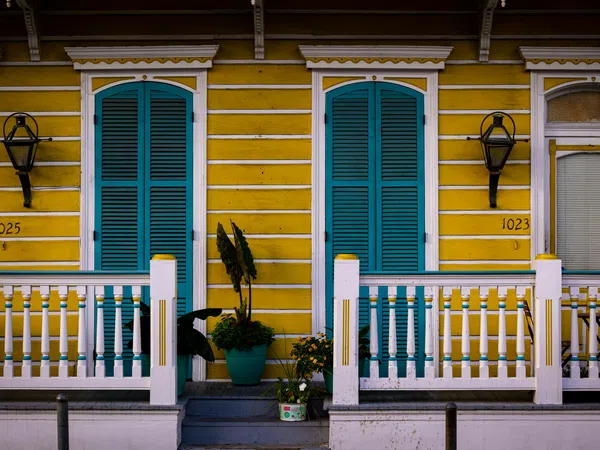
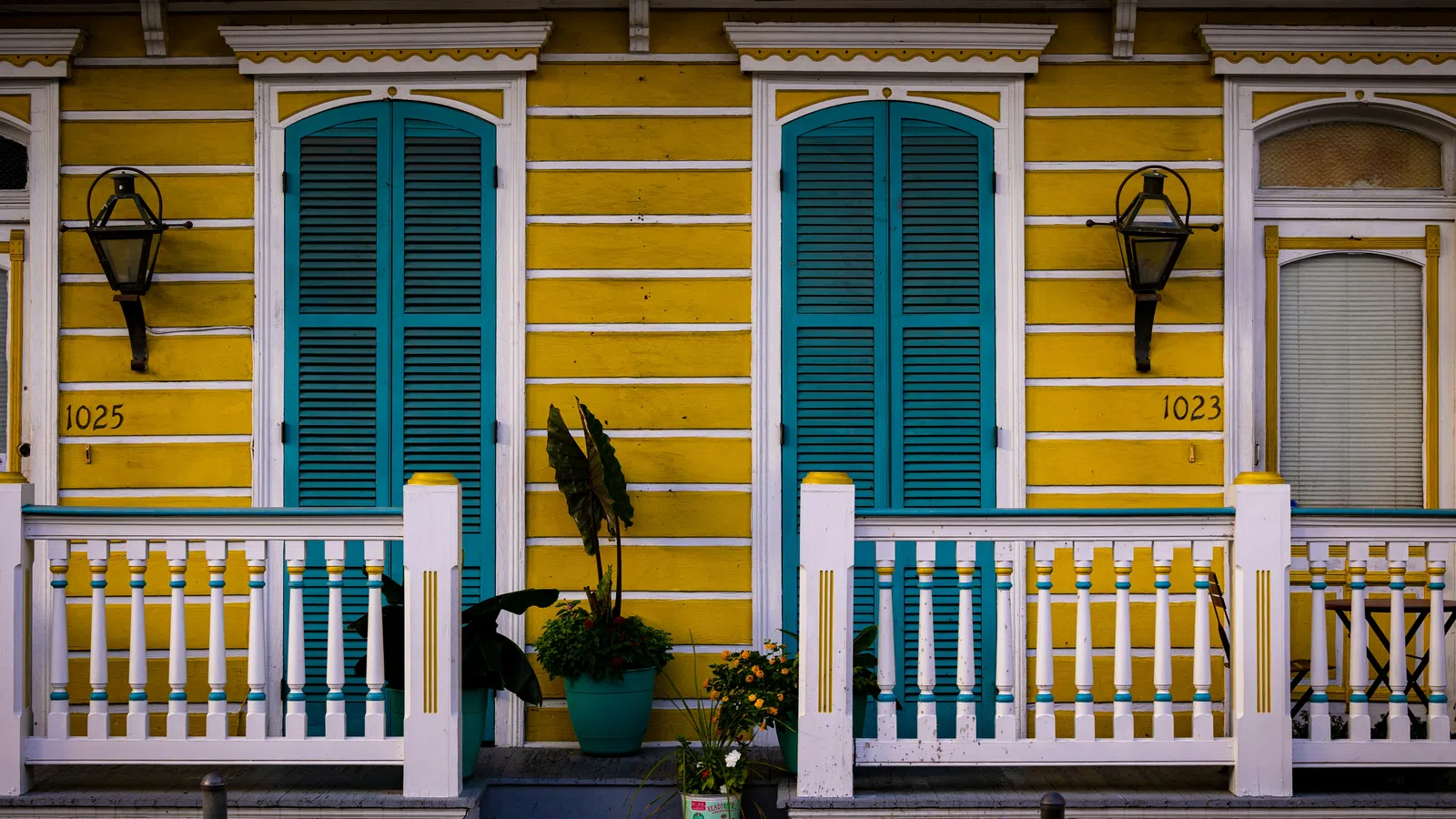
Shotgun houses were designed for a purpose, which is surviving Louisiana. Before air conditioning was invented, homeowners had to find creative ways to beat the heat. Shotgun houses garner their charming name from the idea that if you fired a shotgun from the front of the house, it would go all the way through the house. These houses were built with one distinct feature—no hallways. This allowed for air to flow easily throughout the house, keeping it cool. Along with deep shaded porches and high ceilings, these houses were built with the South in mind.
It should be noted that shotgun houses are not a distinct architectural style, such as Spanish or French. While many of these houses have these designs, the shotgun house refers to the layout of the building. Shotgun houses vary from their original form, with double shotguns and camelback shotguns featuring a partial upstairs unit becoming popular later on. They are usually three to six times longer than they are wide, giving them a distinct visual identity.
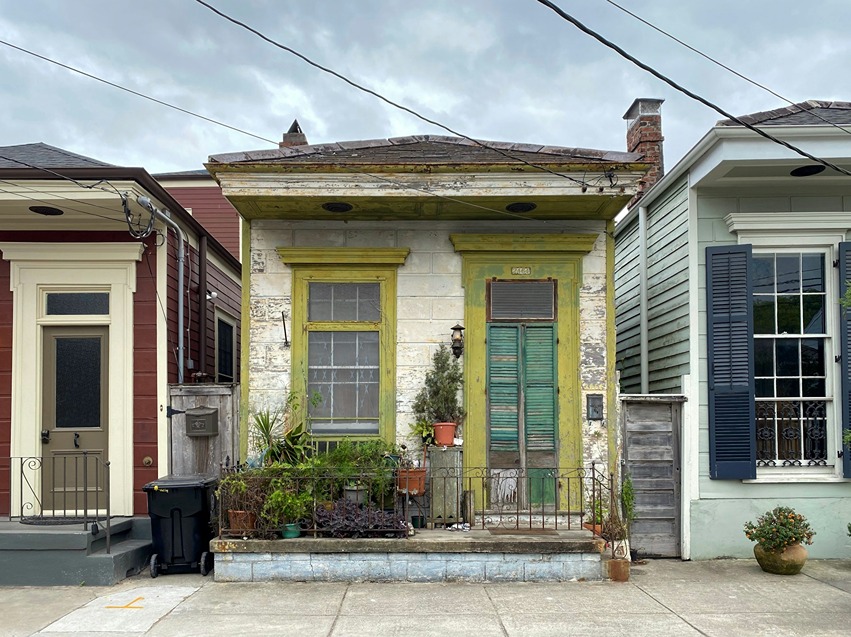
The history of shotgun houses is widely debated, starting with their name. While many believe the name refers to shooting a gun through the house, the name could have also originated from the Yoruba word "shogun." The Yoruba are native to Nigeria, Benin, and Togo. The transatlantic slave trade brought many West Africans to Haiti, and Yoruba practices, as well as dialogue, were integrated into Haitian culture and still are to this day. The Haitian Revolution deeply shaped New Orleans' early demographics, with Haitian immigrants doubling the city's population in the early 19th century.
Shogun roughly translates to "God's house," as physical spaces were deeply tied to spirituality for the Yoruba people. Historian John Michael Vlach studied the journey of shotgun houses from West Africa to Haiti and the Southern United States. Beyond spirituality, this design informs us of specific cultural values. The lack of hallways is a feature many of us find uncomfortable due to lacking privacy. For Haitian immigrants, it was a way to connect with family. Shotgun houses emphasize closeness with family and community spirit. Many non-Western cultures value this idea of proximity to loved ones—where others find it inconvenient. When European immigrants came to New Orleans, they preferred houses with hallways, taking away the communal aspect of the traditional shotgun house.
The simple design of these houses made them an affordable option for many working-class families in the Southern United States. The houses also fit into narrow city lots found in cities such as New Orleans and allowed people to own houses without spending too much on land. In the decades following, shotgun houses popped up in Charleston, Louisville, and Memphis, even reaching as far as Cincinnati.
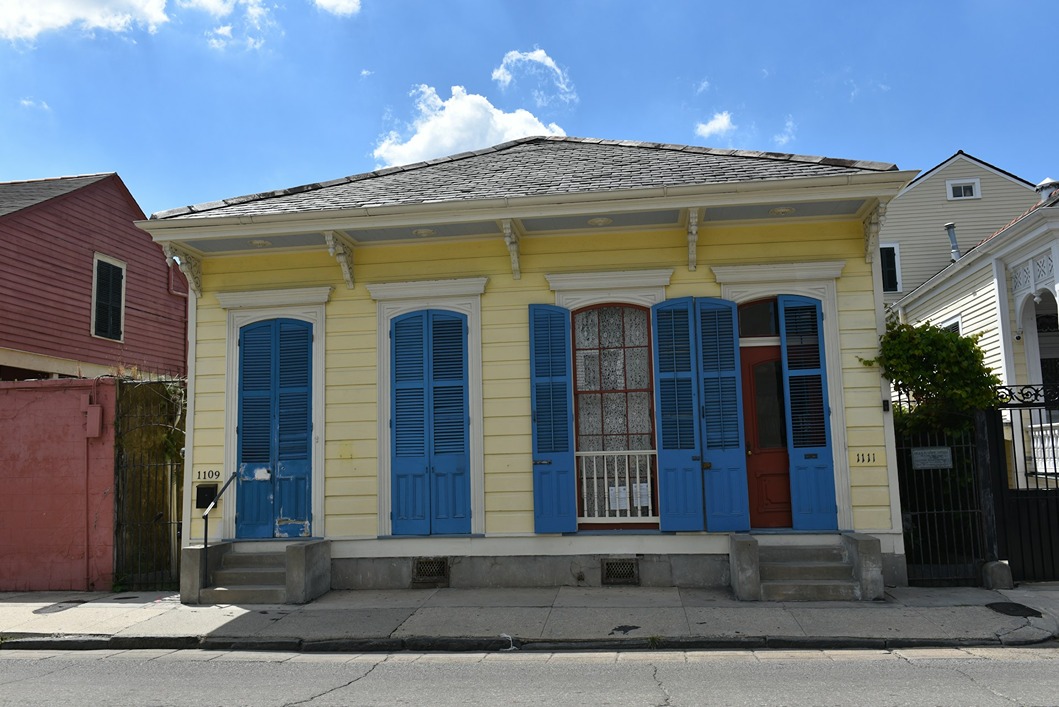
The 1960s and 1970s in America were marked by urban renewal campaigns, impacting infrastructure everywhere. Shotgun houses were looked down upon and seen as a symbol of poverty, making architects eager to leave them in the past. The demolition of these houses disproportionately impacted Black working-class families, who have always been the demographic most tied to shotgun houses. This didn't just erase physical houses but also community networks and cultural spaces.
Cities such as Houston and Charlotte made historical districts to protect the legacy of these houses. For a while, however, they were cast aside as an architectural fluke. Houses with hallways became commonplace, and advances in technology made the design unnecessary. In recent decades, they have become a cherished symbol of the uniqueness found in the streets of New Orleans. Much like the city, their charm is in their imperfections, and their beauty compensates for a lack of functionality.
Shotgun houses have been deemed "charming" by many, making them a desirable target for gentrification. While many houses have been restored and appreciated for their unique qualities, others have been adapted. It is hard to balance progress with erasure. Adding hallways to a shotgun house takes away the original intention of the space, which is tied to West African and Haitian culture and has been a part of Black communities in the South for centuries. Shotgun houses receiving some TLC after years of neglect is good, but turning them into overpriced rentals will harm local homeowners.
The issue is that when houses in predominantly Black neighborhoods, specifically lower-income ones, get renovated, the people who have been living there for generations get priced out. This issue plagues every corner of the country and isn't one with a simple answer. It is important to understand the history of shotgun houses moving forward and remember who has kept these special pieces of the South alive all these years.
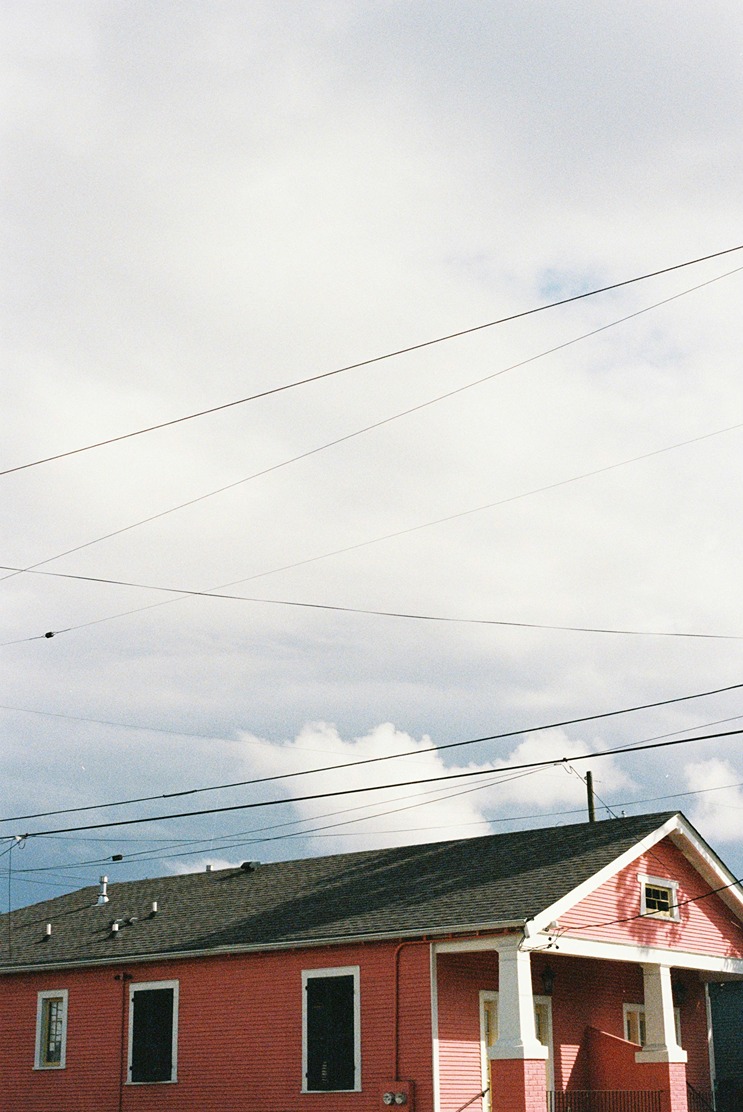
It is interesting to try to understand architecture as a tool for community, closeness, and gathering rather than just convenience. Shotgun houses reflect something so special about New Orleans and the people who choose it as their home. These homes foster love for family and neighbors. Isn't that what New Orleans is all about? Hearing a stranger's story, laughing with a neighbor, inviting a friend into your space. It is a culture of not just hospitality or niceties but genuine love and care for those who surround you.