The True Melting Pot
For those of you who have the good fortune to travel, here's my test of whether this place still fits me: "Am I happy to return home when the travels conclude?"
No matter how special a journey was, the "happy to come home" test has never failed me. It always seems like the journey was worth the time, and money, and now we can get back to the joy of living here.
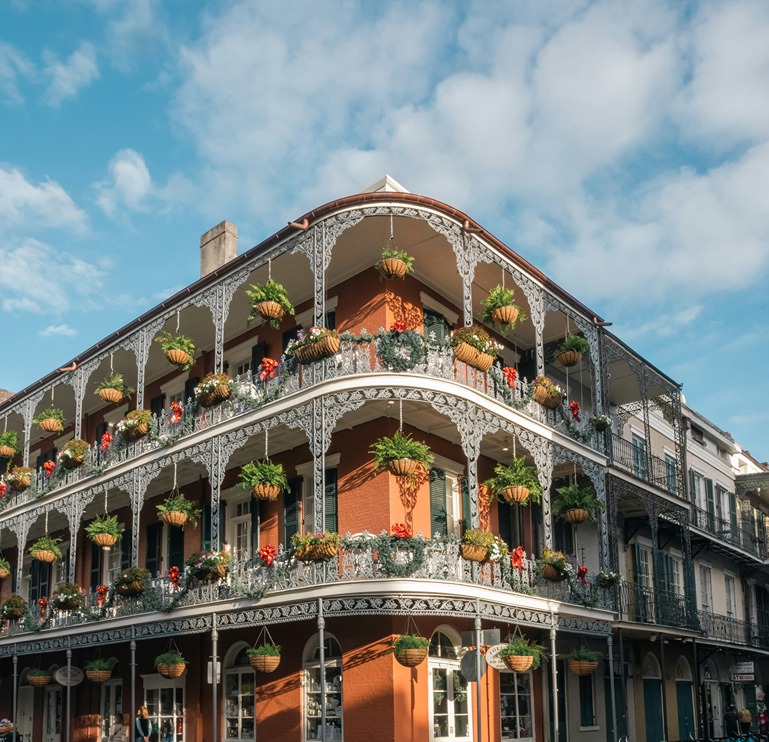
New Orleans is an open celebration of life. We are pleased to generously embrace all the cultures who also call this speck of earth home. We celebrate, often with abandon, everyone's heritage, every native culture, with authenticity and joy. We don't want to change your history—we do want to celebrate it with you, and we expect you to provide the same level of participation and joy when we celebrate what makes us who we are. That is not so common with other communities, and it helps to explain the uniqueness of New Orleans.
The Culture of France
While our town is mostly associated with the culture of our earliest European settlers, it is not necessarily so due to the twisted road we followed to the 21st century. Of course, we have never denied our earliest influences. The very day when French-Canadian explorers' landed on these lands was Mardi Gras, a Catholic feast day during which moral abandonment reigns preceding the season of penance, Lent. So it has always been and has continued into our lifetimes.
Our modern celebration of this, our most notable heritage, is true to the manner in which this special day is commemorated in France and other Catholic-influenced countries, albeit more manic. And yet, it is Mardi Gras that seems to define the spirit of our village to the world. It is a day of over-the-top joy, gluttony, consumption of beverages, and outward manifestations of generosity. No one is excluded, and just showing up means you are a member of the tribe.
The Culture of Spain
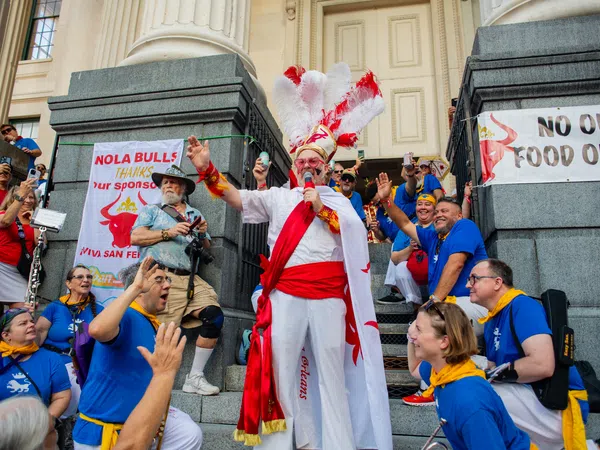
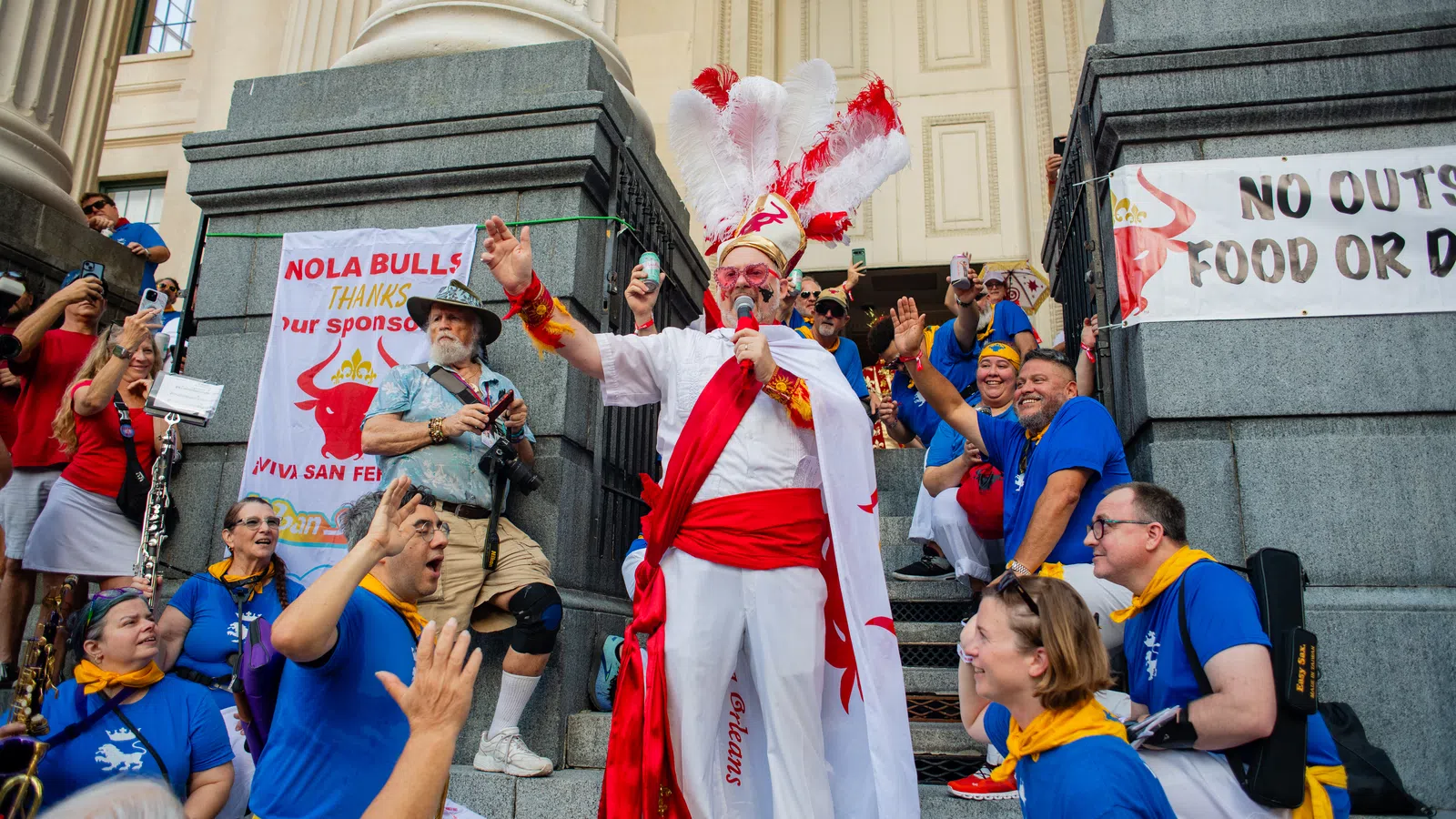
Despite only controlling New Orleans for about 40 years, Spain left a lasting impact on the city. Celebrations reflecting Spanish influences and types of festivities include the traditional Running of the Bulls, which follows the style of the one in Pamplona, Spain, but not the specifics. Participants include the runners ostensibly avoiding being "gored" by women on roller skates with plastic bats who are swinging away at backsides, bats landing atop exposed flesh. All good fun to the accompaniment of Spanish cuisine and adult beverages.
The Other Cultures of Europe
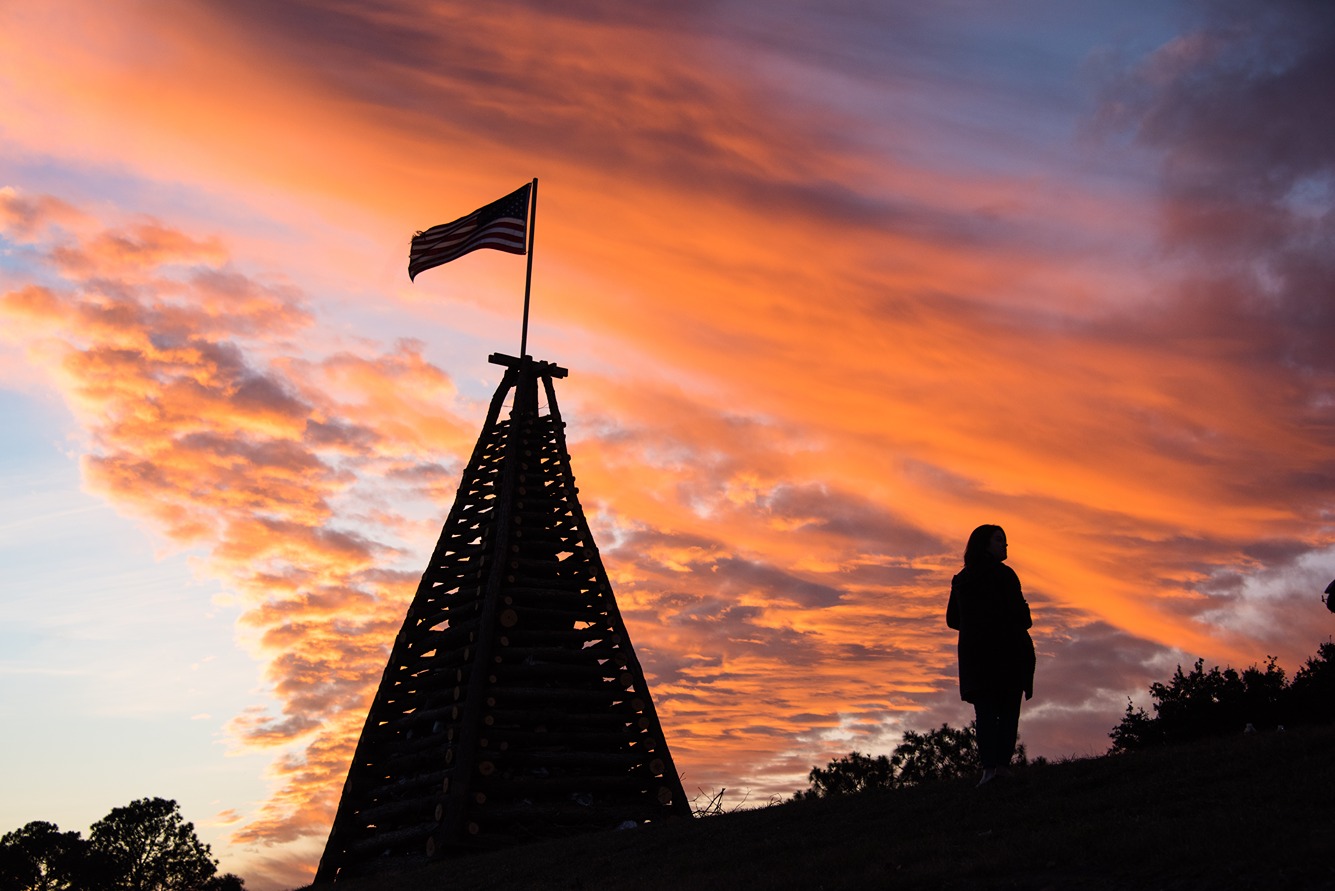
The holiday season brings a mirror to New Orleans, where commemorations reflecting what is happening simultaneously across the Atlantic back here to America's greatest river communities. The Festival of the Bonfires sees the construction and erection of massive wooden displays along the Mississippi River's levees for over 25 miles. The ostensible, stated purpose is to light the path of St. Nick, or Papa Noël, as he makes his way to deliver toys and goodies to the good children of Louisiana, just as is done in the original homeland—which, ironically for a celebration in French Louisiana, actually has roots in England with the Guy Fawkes Festival.
We cannot overlook the German influence in New Orleans, and Oktoberfest fills that in beautifully. It is not exactly an exact duplicate of Munich's celebration in September as New Orleans approaches this celebration a bit later, actually in October, which on a certain level, namely the title, makes sense; however, the beer in oversized steins, the meats, the dancing, the native dress, and the music are all there on the banks of Bayou St. John at the Deutsches Haus.
Keeping the food theme, the Andouille Festival in St. John Parish celebrates the Cajun gift of great meats and a kick-ass party. As long as we are on the celebration of agriculture, the Strawberry Festival in the Italian-influenced area of Tangipahoa Parish hosts plenty of visitors to celebrate not just this sweet fruit but also the heritage of excellent and authentic Italian cuisine. The Greek Festival has taken on great importance with celebrations, music, and the cuisine of this many-islands nation with more-than-you-can-handle sweet treats, dancing, religious services, or just sitting in the afternoon sun on the banks of where Bayou St. John meets Lake Pontchartrain.
Returning to the Culture of New Orleans
We don't want to short-change the most colorful city in America—one where the culture always finishes in first place.
French Quarter Fest
Free admission at this level of fun is almost unheard of anyplace else. Suffice it to say, the French Quarter Fest is a blast with more than four days of celebration, more than 1700 musicians, and 20 stages on the Eastbank of the Mississippi River and in Jackson Square.
Essence Festival
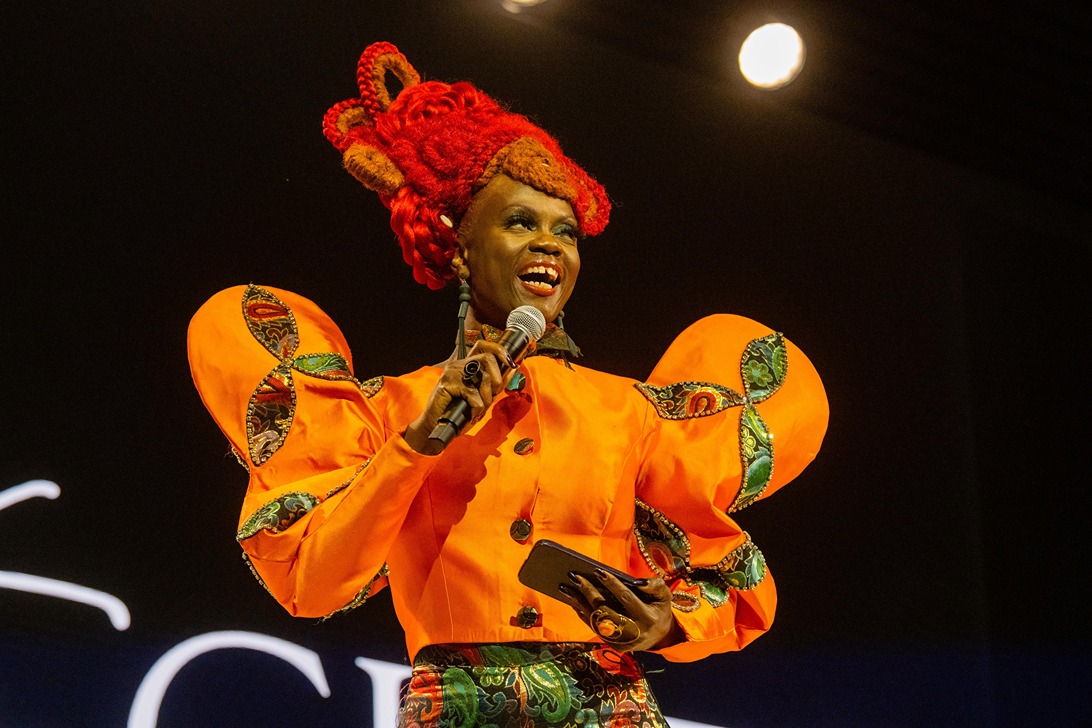
Essence Festival shows respect to New Orleans' long history of our Black residents and workers by celebrating their style of music, cuisines, culture, and social contributions.
Congo Square Rhythms Festival
The Congo Square Rhythms Festival assures the traditions of music, dance, food, and joy of life are continued in the center of New Orleans, where the original gatherings at Congo Square were so important to so many. Here, it can be argued, was the birthplace of one of America's original native art forms—jazz.
What all of these annual events, and many more, have in common is a respect for cultures other than our own and a desire to support our proximate and historic neighbors as they celebrate their place in our community. There is real truth in the oft-said phrase that "we are all in this together."