SIX at the Saenger
Those interested in history should recognize the name of English monarch Henry VIII, who among other things, is perhaps most remembered as the king who broke England away from the Catholic Church, established the Church of England so that he could get a divorce, and who had six wives during his lifetime, some of whom met unfortunate ends by his very hand.
However, how well do you know "Henry's wives?" SIX, currently playing this week at New Orleans' Saenger Theatre, hope's to educate audiences in a fun and unique way.
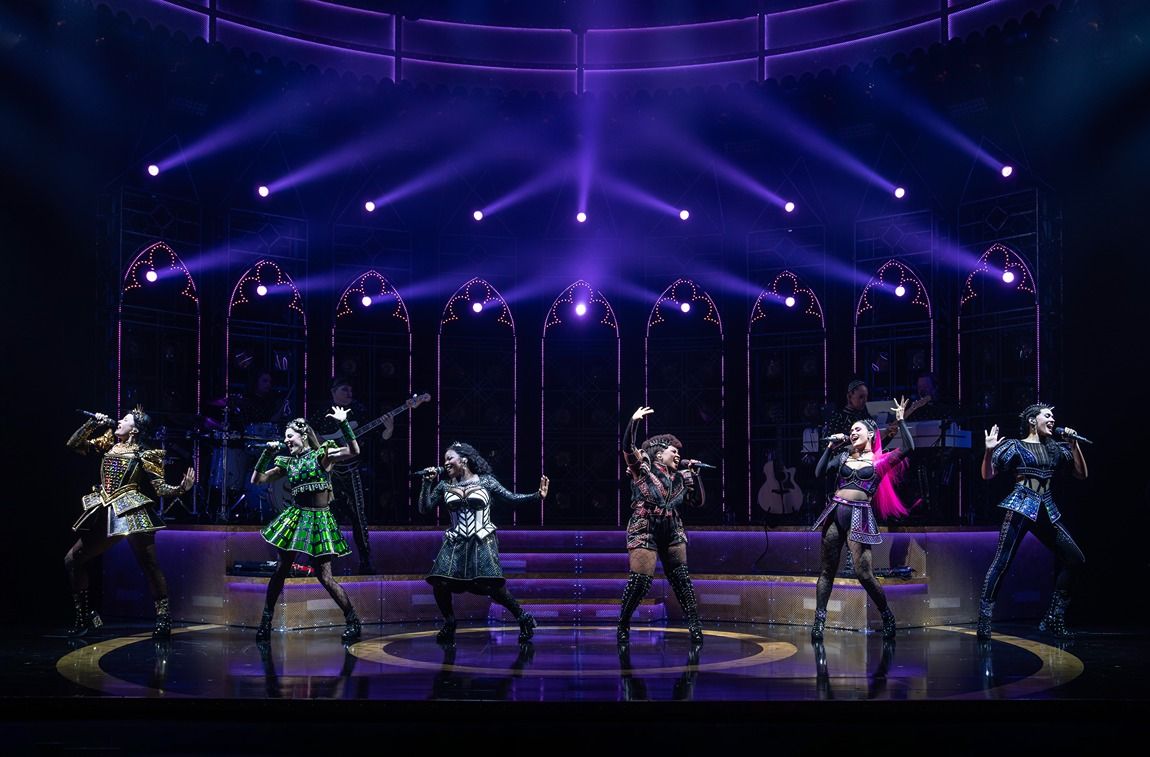
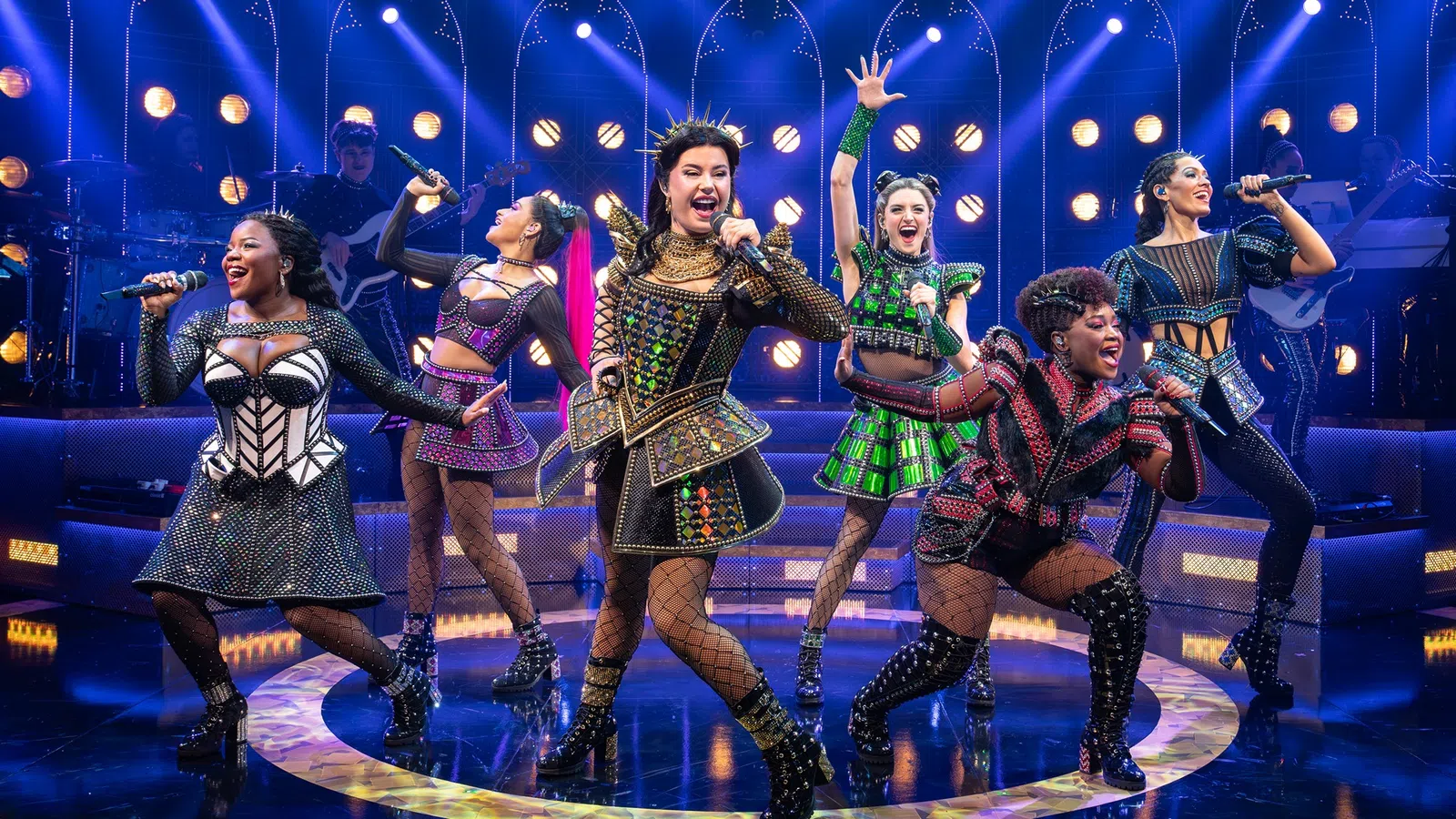
SIX is a musical by Toby Marlow and Lucy Moss that is solely focused on the six queens who were married to Henry VIII and presents their lives and stories through a unique approach. While the show is labeled as a "musical," the setting and overall vibe of the show is more like a concert. In the show, the six 16th century queens are all together in a girl group, akin to the Spice Girls, and are throwing a modern day pop concert when they decide to have a singing competition to determine who suffered the most during their time with the king. Whoever's story is deemed the most tragic would be crowned the "winner" and become the leader of the band.
The show is definitely a treat for people who would like to know the history, or "her-story," of the six queens beyond just their time with Henry VIII. Hearing the stories of these women, whose legacy within popular culture has mostly been truncated to the rhyme about their fates while with the king, "divorce, beheaded, died, divorce, beheaded, survived," is interesting, and the music that accompanies them during their songs is infectious and accurate to the concert setting.
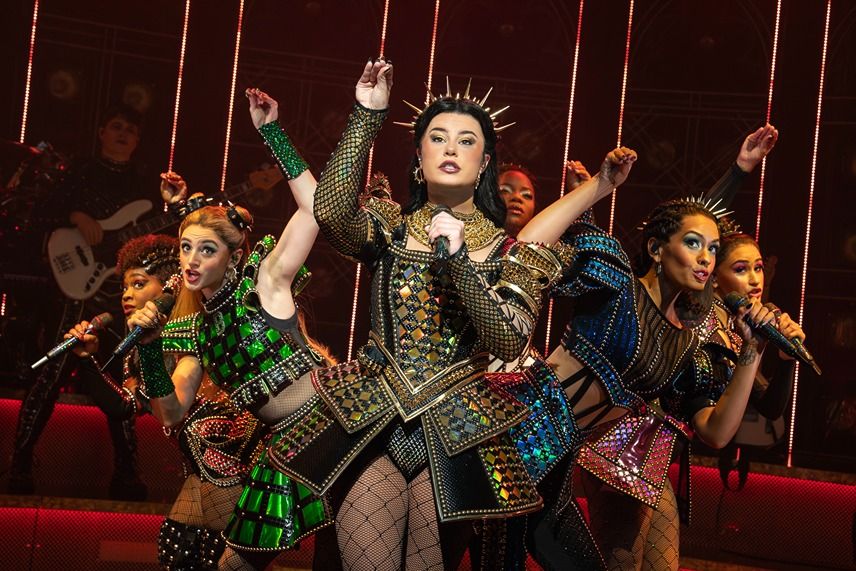
Each of the queens and their songs are inspired after popular music stars. Catherine of Aragon (played by Emma Elizabeth Smith) is based off of Beyoncé and Shakira, so her song ("No Way") incorporates elements of R&B and Latin music, while Anne Boleyn (played by Nella Cole) is modeled on Avril Lavigne and Lily Allen, so her song ("Don't Lose Ur Head") has a more pop and pop-punk feel.
This approach helps make each of the queens stand out, while also incorporating many different genres of music for audiences to dance and sway to. From Jane Seymour's (Kelly Denice Taylor) emotional Adele-esque ballad ("Heart of Stone") about how she actually did love Henry and expressing melancholy about not being able to watch her son grow up due to dying during childbirth to Katherine Howard's (Alizé Cruz) Ariana Grande-like song ("All You Wanna Do") about her romantic history and ultimate tragedy, SIX puts forth an opportunity for these women to reclaim their stories.
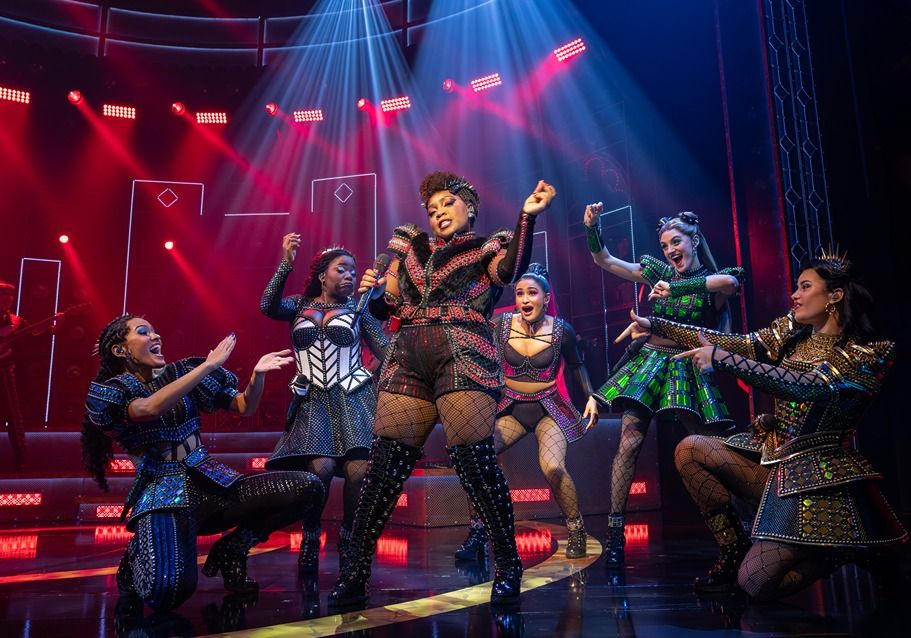
A particular highlight is Anna of Cleves, portrayed by Hailey Alexis Lewis, who was chosen by Henry VIII to be his next wife based on a portrait by Hans Holbein's studio, in a song that goes full Eurodance ("Haus of Holbein"), but who Henry considered "disgusting" when he saw what she actually looked like and didn't want to be around her. However, Anna is not particularly upset about being left to her own devices in an extravagant castle, surrounded by wealth, and not having her husband telling her what to do ("Get Down").
Catherine Parr (Tasia Jungbauer), the one who "survived," has perhaps the most heartfelt song in SIX ("I Don't Need Your Love") and helps serves as the main thesis of the entire show: this is not about Henry and "his wives;" it is about these women reclaiming their identity away from him.
SIX is fun, funny, emotional, and ultimately about finding your voice and telling your own story. If you like your history with a healthy dose of '90s/2000s girl group fun, then this show is one that shouldn't be missed.
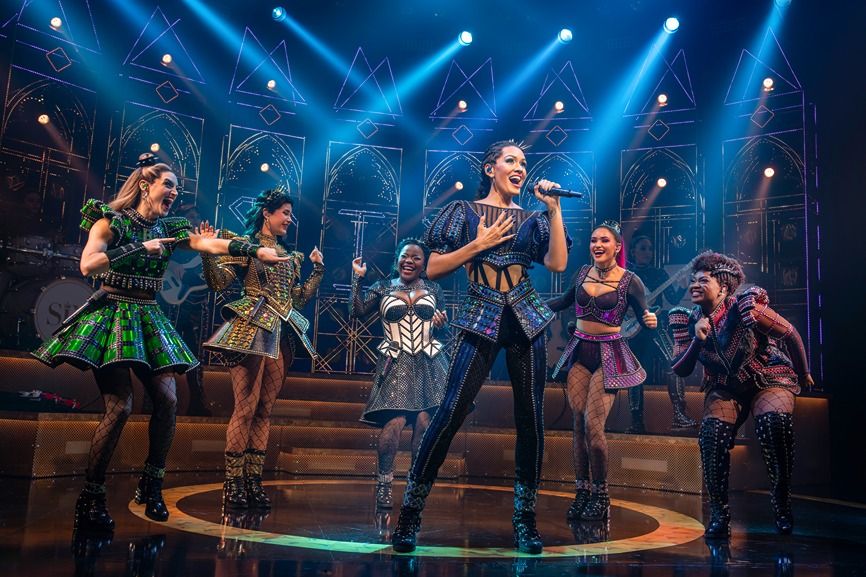
SIX is currently playing at the Saenger Theatre New Orleans through April 19, 2026. Visit the Saenger's website for more info.
*Editor's Note: All of the below reviews were written by other Where Y'at staff members and not by Burke Bischoff.
Phantom of the Opera packs the House
Much like art imitating life (or is it life imitating art?), the talk of the Phantom at the Saenger Theatre is filling the seats the same way notorious tales of a phantom in the Paris Opera House sells out performances in Andrew Lloyd Webber's international smash musical Phantom of the Opera.
From the number of patrons flocking to see the return of this show, it seems like the newest hit on Broadway as opposed to a "classic" show almost 40 years old, but anyone attending will easily understand why. Webber's landmark tragic love triangle transcends time—literally.
From the sad opening auction of a time gone by to the flashy flashback that enlivens the decrepit characters in the opening returning to their lively youth and passion of the storyline, there is much to relate to for everyone.
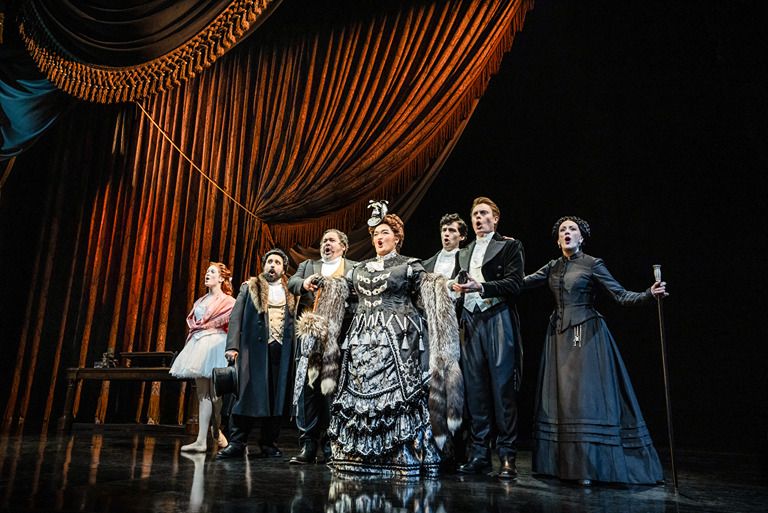
Businessmen (Carrington Vilmont and William Thomas Evans) buying the Paris Opera House quickly realize the poison pill in the deal is a murderous "ghost" (Isaiah Bailey) who demands they comply with his demands—namely elevating chorus girl Christine (Jordan Lee Gilbert) to replace diva Carlotta (Midori Marsh) as the star of the new opera. Initially skeptical and worried, the managers quickly realize the threats are real, but even bad press is good press when curious audiences sell out the opera house.
Clearly the phantom's romantic obsession with bolstering Christine's talent and career may be well intentioned, albeit a tad disturbing, as it is with any insane genius. However, the deformed castaway from society becomes murderously rageful when learning that the money behind the deal turns out to be a handsome and wealthy gentleman in the French aristocracy who has rekindled a childhood romance with Christine.

The show lives up to all expectations, including the gloriously sumptuous sets and extravagant costumes. New Orleans audiences will delight in the opening "Masquerade" opening of Act II. While the show's Encore booklet states the scene is New Year's Eve, any patrons from Louisiana knows it must actually be Twelfth Night (if not Mardi Gras).
Webber's masterful adaptation of Gaston Leroux's book, enhanced with Matt Kinley's adapted set design—especially the show's literal centerpiece chandelier—gives the actors much scenery to chew on.
Gilbert is a wonderful Christine and brings aspects of Emily Rossum's film version to mind. Her powerful voice and range are impressive.
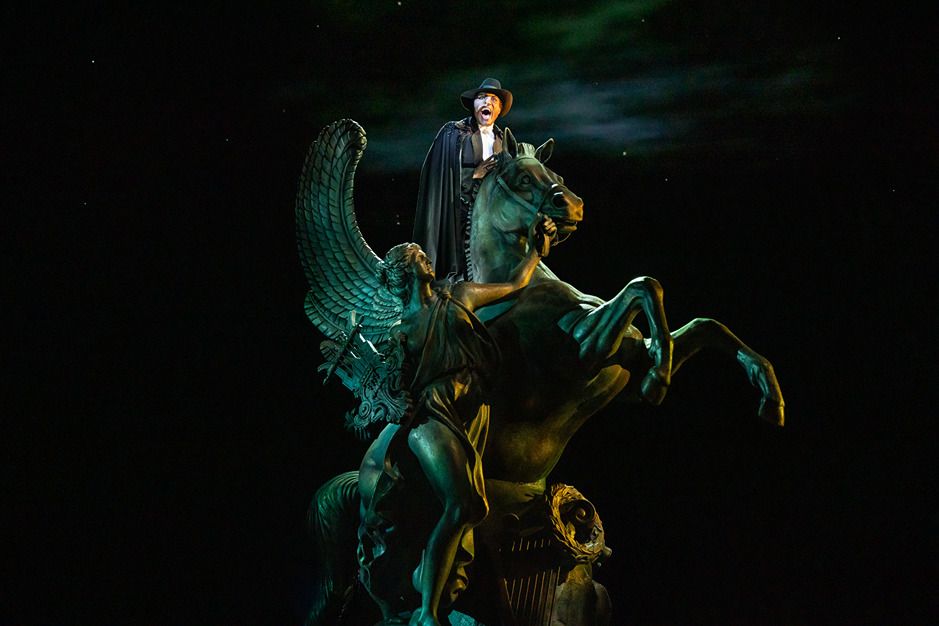
As the Phantom, Isaiah Bailey brings unexpected depth and pathos to the role. A native of the Deep South, the actor adds new aspects to his interpretation of this Parisian madman with a vocal quality that makes these well known songs seem fresh, with lyrics hitting differently—in a good way.
This is a production of Phantom to experience, regardless if it's the first time or one of many over the past four decades.
Phantom of the Opera is at the Saenger Theatre through March 15. Visit the Saenger's website for more info: saengertheatreneworleans.com.
Water For Elephants
Elephants Never Forget
In the opening of this flashback frame story, elderly Jacob Jankowski (Robert Tully) lingers after his nursing home group trip out returns to their bus to talk with the dismissive circus performers about their performance.
Upon learning of Tully's experience of being in a legendary Benzini Brothers circus, the two give more respect and attention, imploring him to share his memories. So he does.
With clever transitions, the old man changes into the 20-something version of Jankowski (Zachery Keller) and the circus' modern day performers transform into the focus of his memory—meeting August (Connor Sullivan) and Marlena (Helen Krushinski), a husband and wife that owned the Benzini Brothers circus in 1931 during the Depression-era.
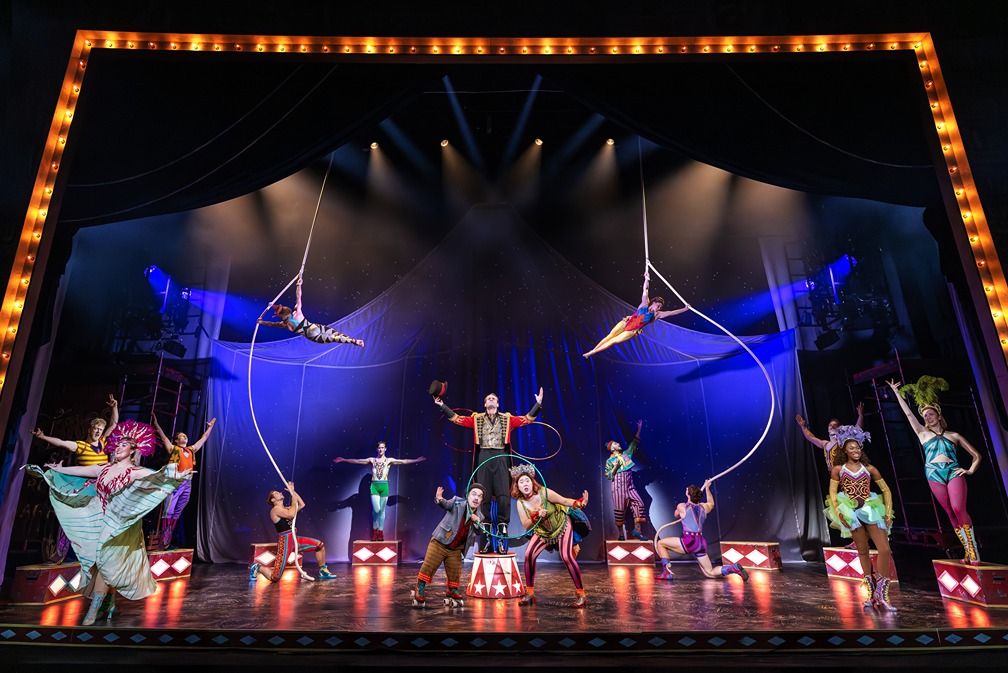
The young Jankowski, who lost his family home and failed to take his finals to become a veterinarian in the aftermath of his parents being killed in a car wreck, impulsively runs away with the circus for a life on the road and the opportunity of being close to Marlena, whom he's smitten with.
After Marlena has to put down her beloved horse due to an injury, the circus gains Rosie, an elephant that transforms the struggling side show into a powerhouse must-see attraction. The company basks in the success, crediting the almost-vet and Marlena as Rosie's caretaker, who are drawn closer in that connection.
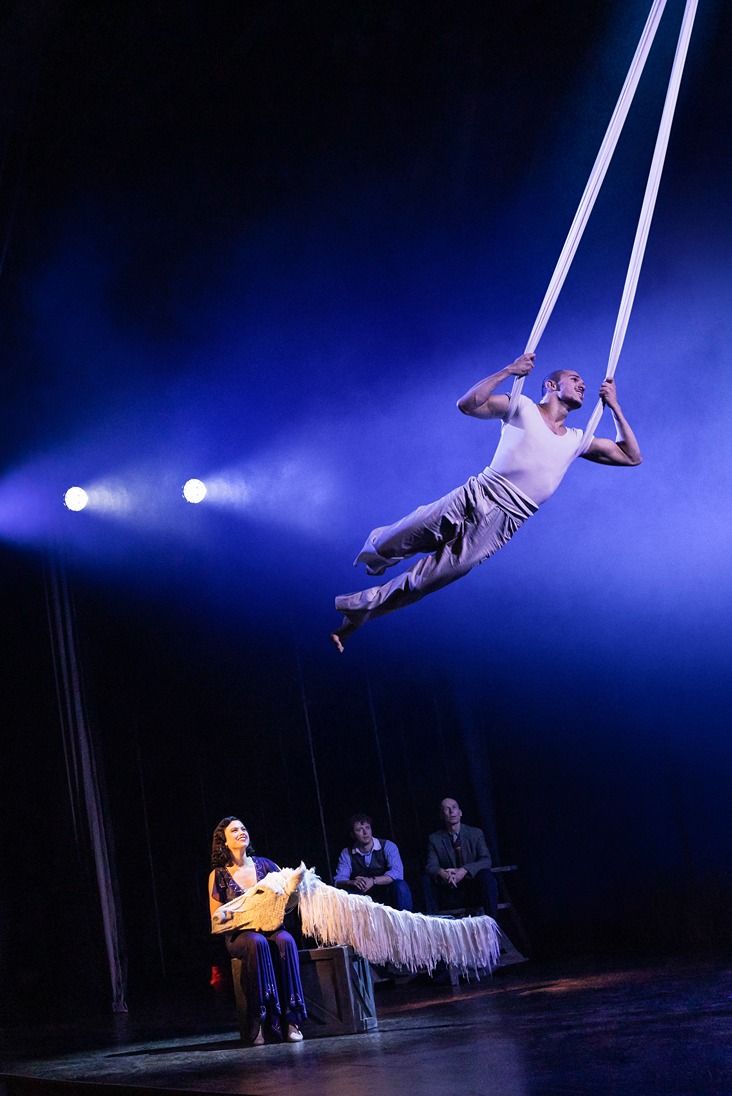
Anger grows under August's jealously watchful eye as the aspiring vet gets more flirtatious with the ringmaster's wife. The charming owner starts displaying manipulative, abusive, and ultimately homicidal behavior with his employees. The lovers escape but their concern for the animals—especially Rosie—draws them back under the big top to meet August's wrath head on.
The results are tragic for man and animal alike.
Throwback Flashback
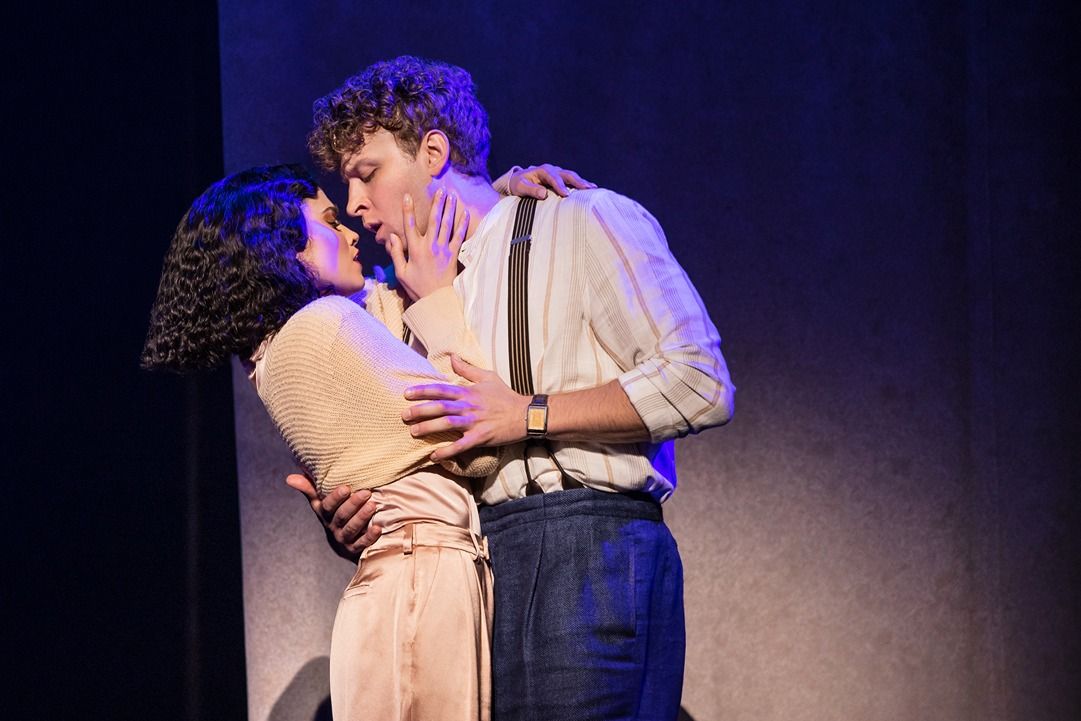
Based on the 2006 novel by Sara Gruen and subsequent 2011 film, this stage adaptation injects enough music, acrobatics, aerobatics, dance, and puppetry to elevate the story to new heights—literally and figuratively.
The show captures the fun, excitement, and implied death-defying acts to capture the traditional circus that made Ringling Bros. a global sensation. The show is also successful as a show. With convincingly presenting complex characters, conflicting sensibilities, and, of course, animals, Water for Elephants feels more like a traditional mid-century Broadway classic than one concocted in this millennia.
Water for Elephants feels more like a show from the Show Boat, Oklahoma, South Pacific era—starting off as a bright, funny show with uplifting songs in the first act, it turns menacing a dark in the second act.
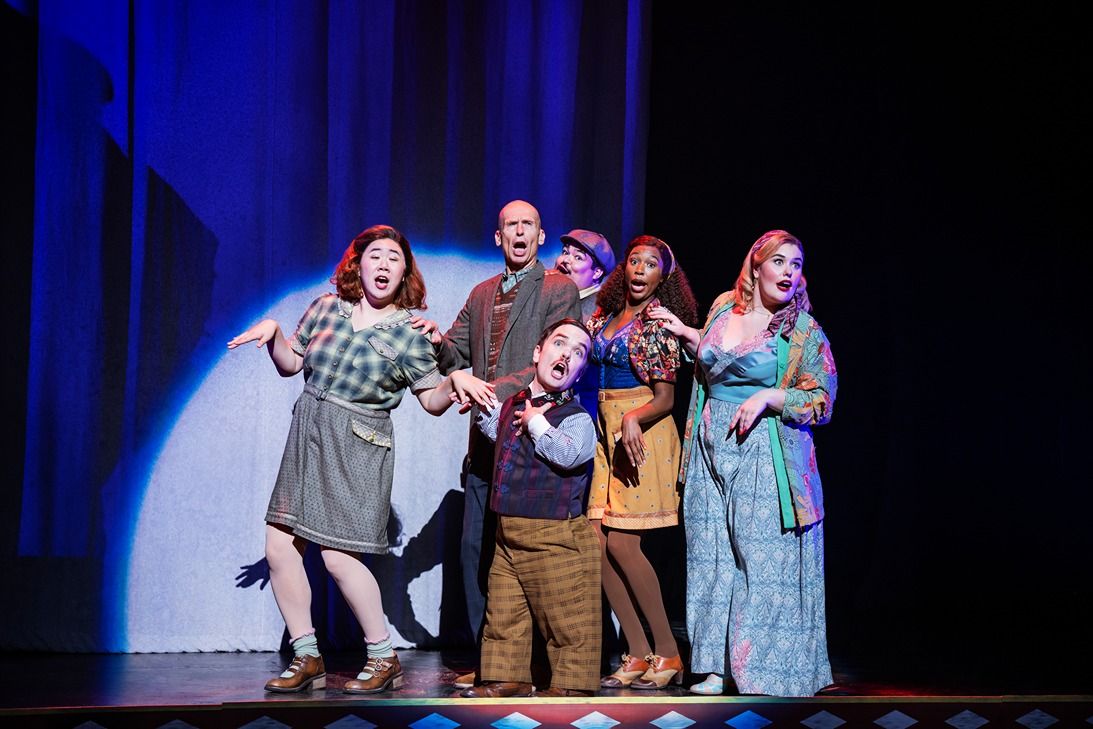
Standouts include Helen Krushinski as Marlena, Tyler West as Walter, and Javier Garcia as Camel. West and Garcia infused humor and/or pathos in every scene on stage. Krushinski captivated from her opening number "Easy" while comforting a dying horse and subtly dominated the stage with a voice and stage presence after that. She displayed an impressive level of confidence for an actor making their national tour debut.
Props to Robert Tully starring as the elder Jankowski, who brings a unique perspective as a real-life former circus ringmaster for Ringling Bros.
The show-stopping choreography had audience mouth agape and dazzled—as circuses should. Jesse Robb and Shana Carroll took stage dancing choreography and direction to new levels with a large cast who were rewarded with wild applause at each number.
But the true stars of this show were Camille Labarre's puppetry design and the puppeteers led by Joshua Holden's direction. They all made the animals believable while managing to hide in plain sight. The creatures became the focus of the audience while the people receded into visual white noise to not detract from the actions and movements—especially the massively life-size Rosie.
Water For Elephants is playing at the Saenger Theatre through Sunday, February 8.
The music of Alicia Keys fuels the flames in Hell's Kitchen
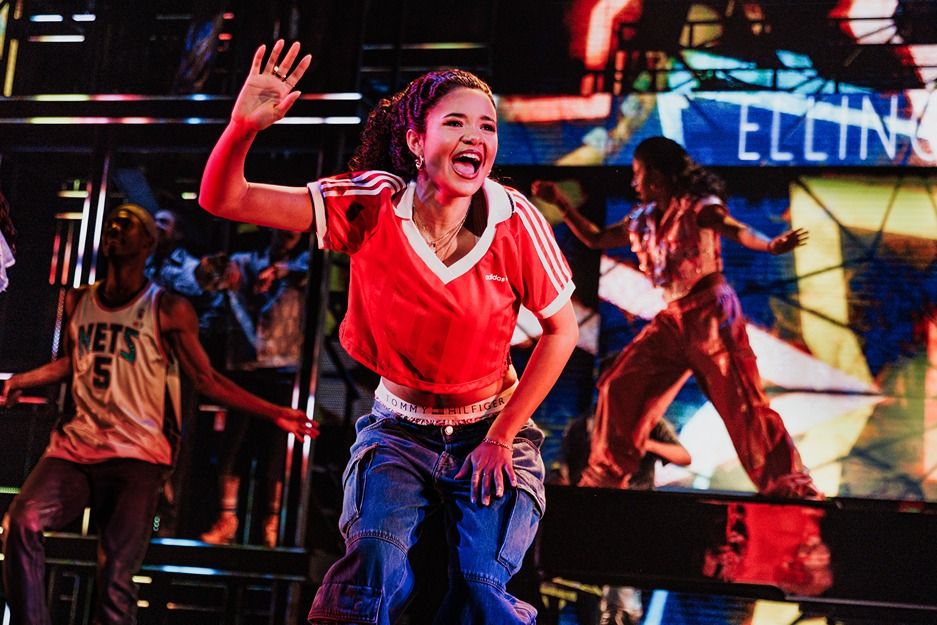
When the cast of Hell's Kitchen belts out Alicia Keys' signature anthem, "Girl On Fire," there is no doubt you are with Ali (short for Alicia?) in Hell's Kitchen. The Broadway show brings all the energy Manhattan in the mid-1990s can muster and packs it into the Sanger Theatre.
To Hell & Back
The bio-play, based on Keys' personal turning point story, is named after her childhood home in the infamous New York City neighborhood—ironically steps from the Shubert Theatre, where the show is still selling out on Broadway. 17-year-old Ali (performed by understudy Marley Soleil opening night, normally headlined by Maya Drake) loves her 'hood, but feels trapped within the confines of her West 40s neighborhood under the protectively watchful eye of her mother, doorman, and local police—it takes a kitchen. With tensions from the not-quite adult drawn to the exciting streets and "hot guys" outside in a battle of wills against her "Jersey Girl" mother (Kennedy Caughell), overcompensating in her fear of having her daughter make the same mistakes she did ("Seventeen"), Ali is craving to carve her own freedom. Her pursuit of street drummer Knuck (Jonavery Worrell) fuel her passion for life and love ("Girl On Fire").
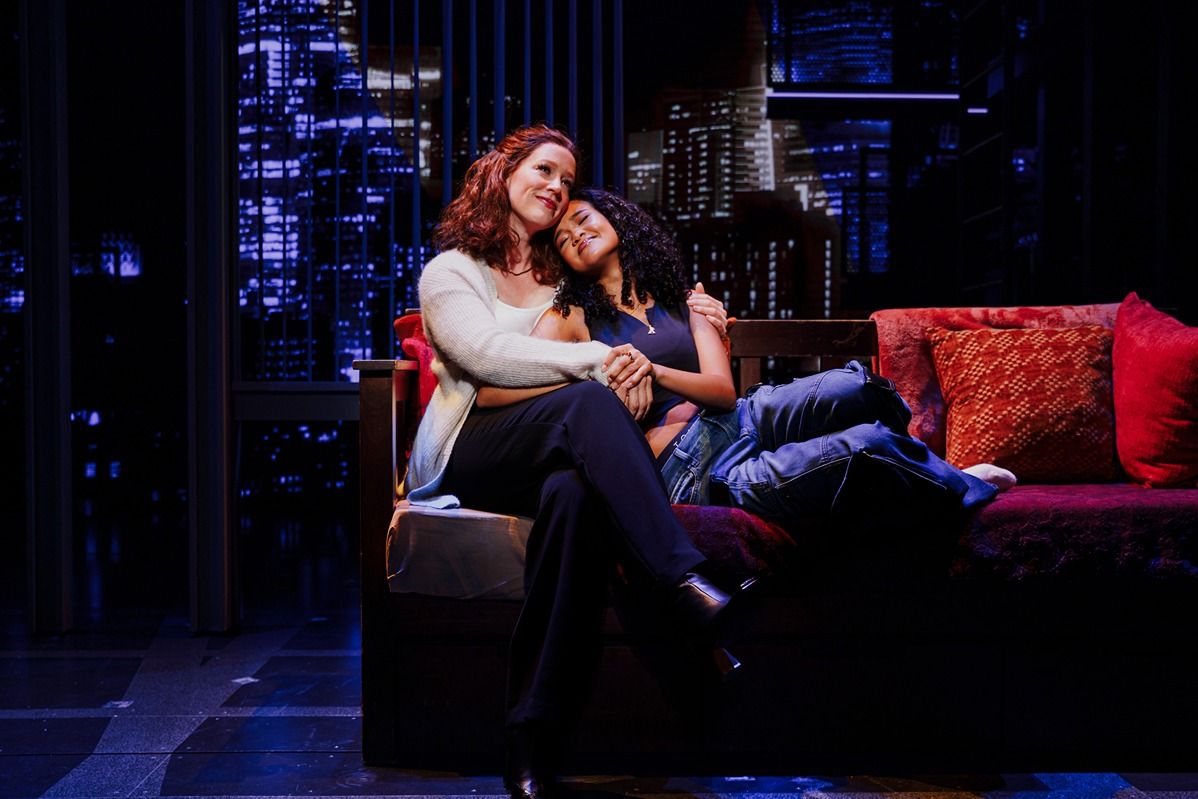
A reluctant piano lesson with Miss Liza Jane (Roz White), who becomes her mentor in life as much as music ("Perfect Way to Die"), alters her trajectory. Supported by her often-absentee father Davis (Desmond Sean Ellington) and the neighborhood that helps her grow, Keys' lyrics themselves tell Ali's story behind the songs.
Hell's Kitchen's strong opening on Broadway in April 2024, along with nods for a Tony Award nomination as Best Musical and dazzling choreography, are all impressive, but it's Alicia Keys' music with broad cross-generational appeal that seals the deal here.
Empire State of Mind
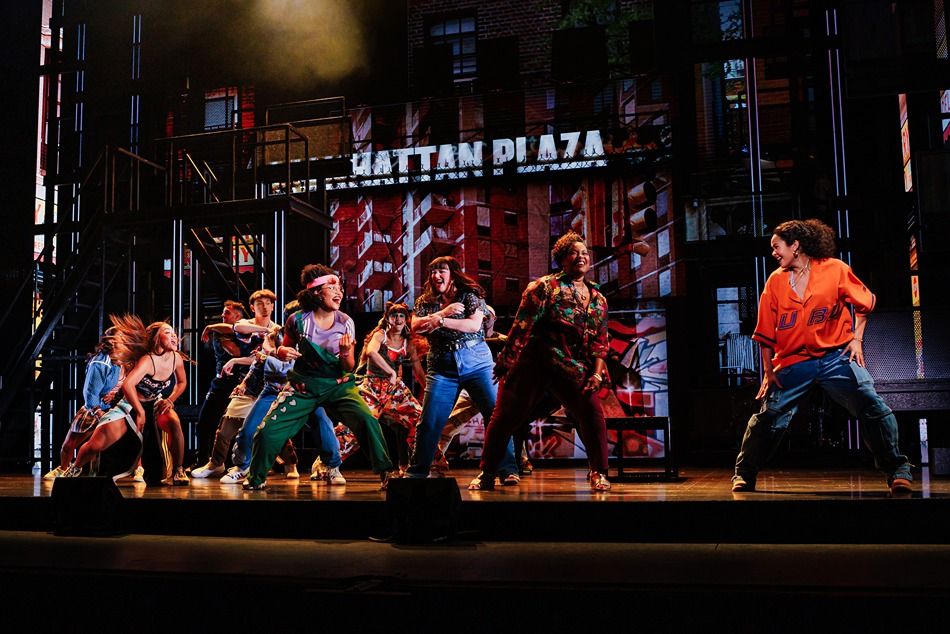
Kristoffer Diaz's book captures Keys' life-based pivotal year in Hell's Kitchen during the pre-Guliani gentrification 1990s as gritty. But while the neighborhood's name still conjures the dangerous tantalizing temptations of teenagers enshrined in West Side Story, it was not the lawless bastion to be avoided like the Hells' Kitchen of WSS's 1950s era, much less the real-life South Bronx or Bedford-Stuyvesant in this Keys' 1990s setting. The story revolves around a rebellious teenage girl from a broken home with raw talent inspired by the artist enclave around her. Her environment is a low-income neighborhood in economic transition, futiley resisting being dragged into the middle-class. Unusual in the 1990s, it is an all-too common narrative in the 2020s, but that makes the story sadly relatable for many, yet also inspiring and hopeful to audiences, especially teenage daughters and mothers who have—or were—teenage daughters pushing boundaries.
This makes Hell's Kitchen is more aligned with Lin-Manuel Miranda's In the Heights' Washington Heights—a lower-income neighborhood in transition into the tony luxe area it is today. While Ali isn't in the center of a gang warfare killing each other over their love for her, it is at its core a coming of age story with life lessons on how impulsive passions can have potentially dire implications.
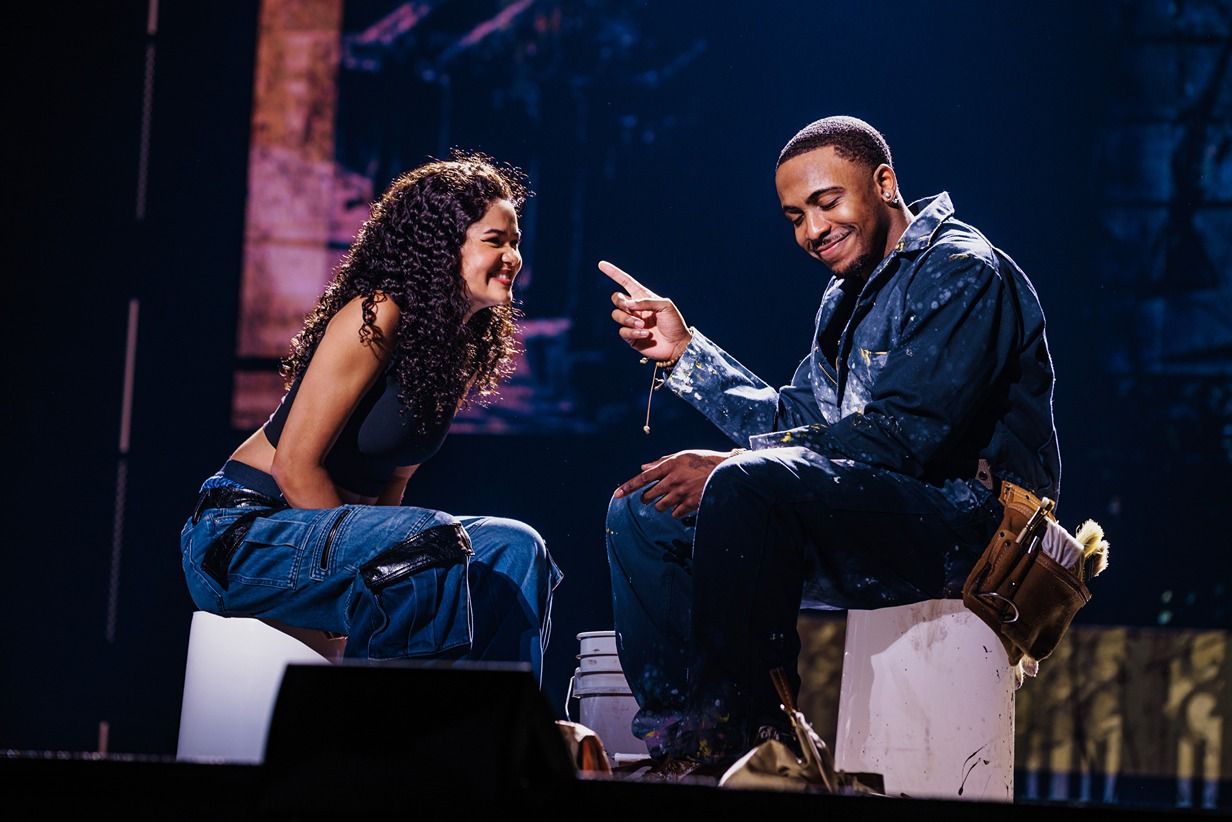
This Girl is On Fire!
The cast's voice are strong, and need to be. Capturing the power, passion, and vocal stylings of Alicia Keys is no joke, and the fact many players need o emulate her range sings volumes, but the ensemble proves up to the task—and clearly emulates the joy and sadness and sometimes despair in every second of it.
As the understudy for Ali, Solieil showed her chops and clear rights in the spotlight—most would never know she wasn't the normal headliner if not for the marquee cast change notice in the lobby.
Ellington's Davis made his absentee father struggle believable and tragic as he justifies his career over his daughter but displays paternal love and support when needed most ("Hallelujah / Like Water").
Chikezie "Chike" Nwankwo is a dryly hilarious surprise as the doorman Ray, while also appearing as several other characters throughout the show.
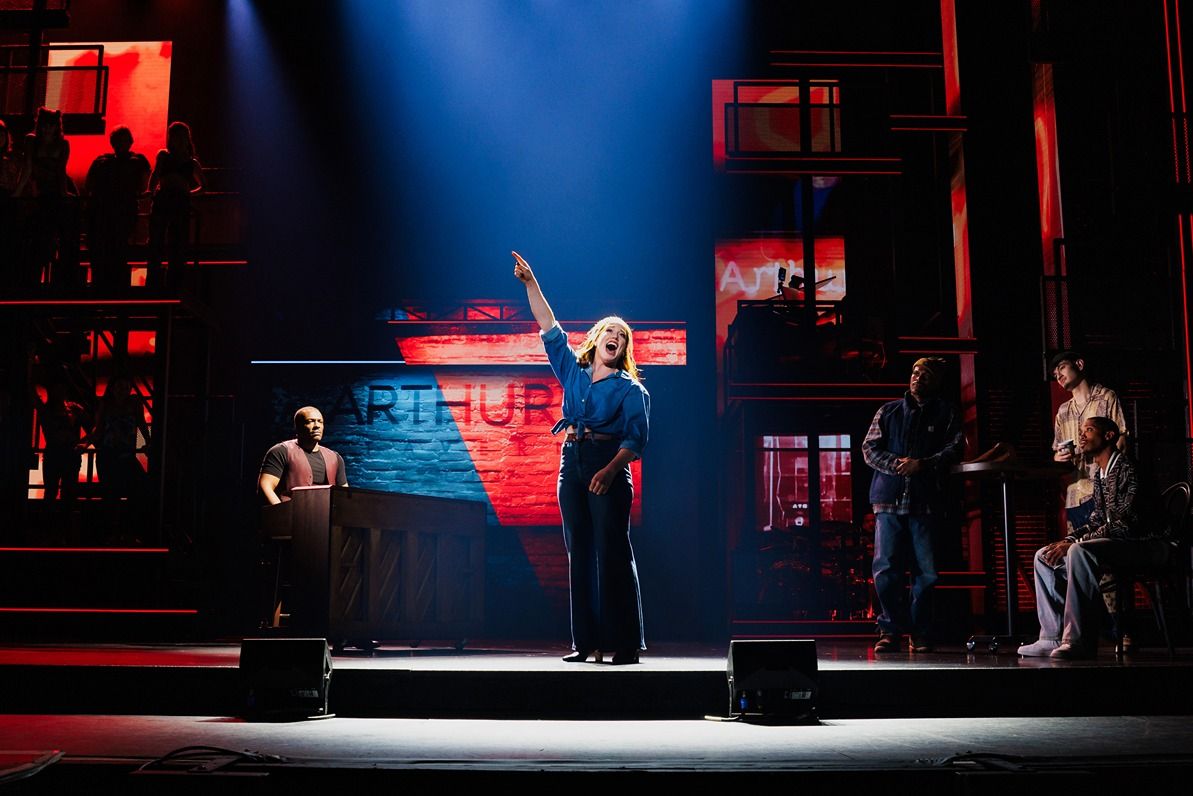
And just when Caughell seemingly steals the show with a powerful "Pawn It All" showstopper, Roz White swoops in and snatches it back.
White as Miss Liza Jane royally takes the stage with all the elegance, poise, beauty, and power a theatre audience could ask for and should expect. She brings elegance, humor, and empathy to the role, eliciting laughs with nonverbal facial expressions—quite a trick in a stage play. But the quiet dignity conveyed is quickly traded for a powerful voice that had the crowd wildly applauding.
It is clearly no accident that fan favorites Caughell and White share the stage during the curtain call.
Authors of Forever
The show strives to be "a celebration of finding yourself, your purpose, and the people who lift you up," and makes a valiant effort at that. As a relatively new addition to this evolving genre of musical career musicals on Broadway, Hell's Kitchen follows in the footlights of stellar shows such as Jersey Boys, Just in Time: The Bobby Darin Story, and—very recently at the Saenger—A Beautiful Noise: The Neil Diamond Musical. It also dares to play in the same genre as those with built-in fan bases, yet lacking the critical acclaim or broad audience appeal needed for a prolonged run, including Taboo; Love, Janice; and—recently showcased in its pre-Broadway debut at the Saenger—A Wonderful World: The Louis Armstrong Musical.
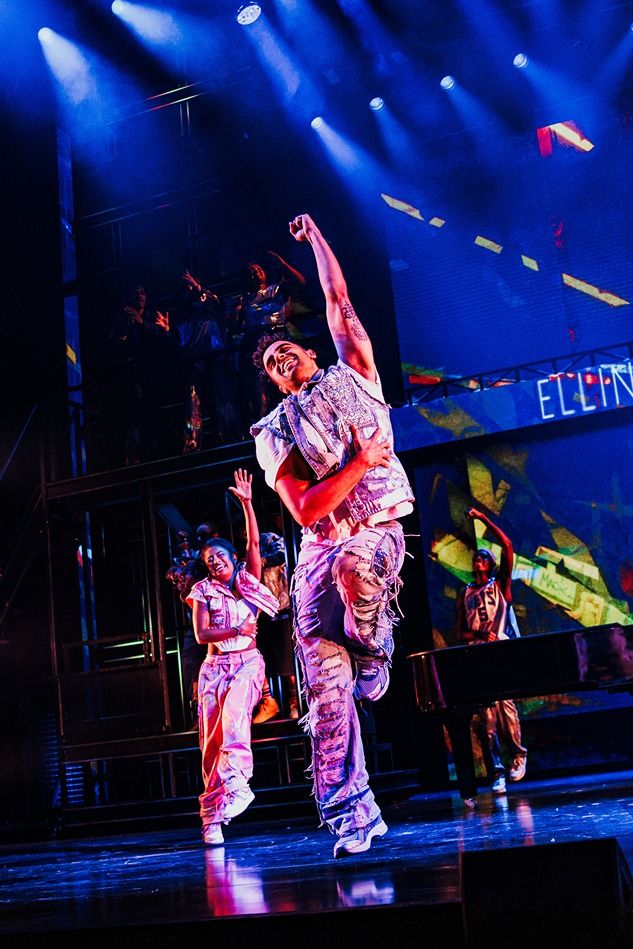
This production is every bit the 2026 celebration of life, love, and redemption needed as it transcends into the New Year with the Crescent City.
Hell's Kitchen is playing at the Saenger Theatre through Sunday, January 4, 2026.
Back to the Future at the Saenger Theatre
The iconic 1985 time-travel comedy film Back to the Future was mad capped, action-packed, fueled by 1.21 gigawatts, and contained a whole lot of star power. It's appeal to crazed audiences spurred two blockbuster sequels within five years. So, it's a bit of an understatement to say the film is a tough act to follow on stage. Since most of the people who saw the film around the same age of protagonist Marty McFly are now the approximate of his parents in the stage adaptation, and their children are now the age of Marty with life-imitates-art irony, will the new generation relate to matchmaking comedy of errors—with a bit of a twist—as much as their parents?
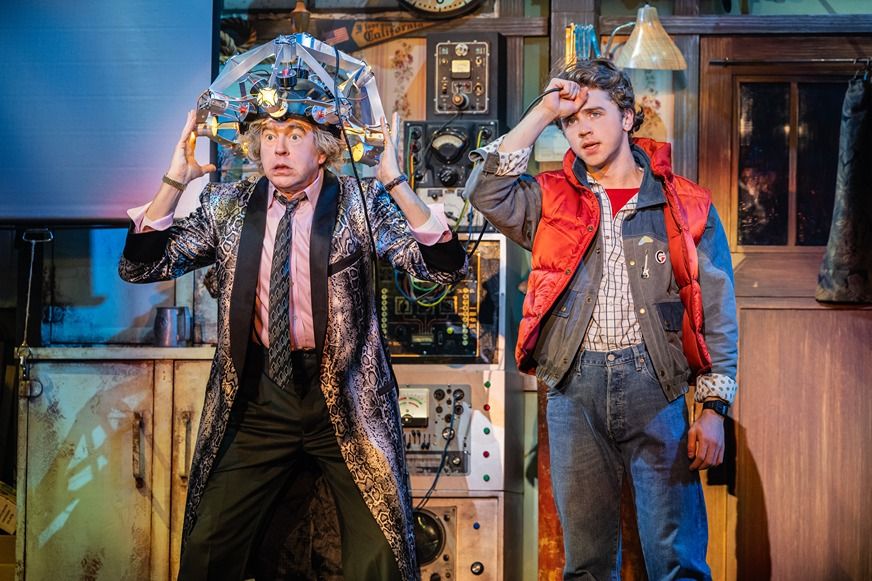
The opening night audience cheers when the Delorean impressively hit 88 miles per hour on stage at the Sanger Theatre solidified the answer.
Hello, McFly...!
Marty McFly (Lucas Hallauer) is a frustrated high school teen who feels trapped beneath his musical and romantic potential by a family of lovable losers, with his nebbish father George (George Bindeman), self-medicating alcoholic mother Lorraine (Zan Berube), and live-at-home siblings (Abby Fiedman and Fisher lane Stewart). Beyond his girlfriend Jennifer (Sophia Yacap), his only friend is eccentric mad scientist Dr. Emmett "Doc" Brown (David Josefsberg), who is on the verge of a breakthrough in time travel. Skeptical but supportive, Marty indulges Doc's experiment and, through a series of mishaps—less politically incorrect than the sensibilities of the film—Marty is the one who is transported back 30 years to the day his parents first meet. Worse, his presence endangers his own existence when his now high-school age mother becomes smitten with him, inadvertently finding himself c**kblocking his own father from ever kissing her, much less marrying her and having kids down the line.
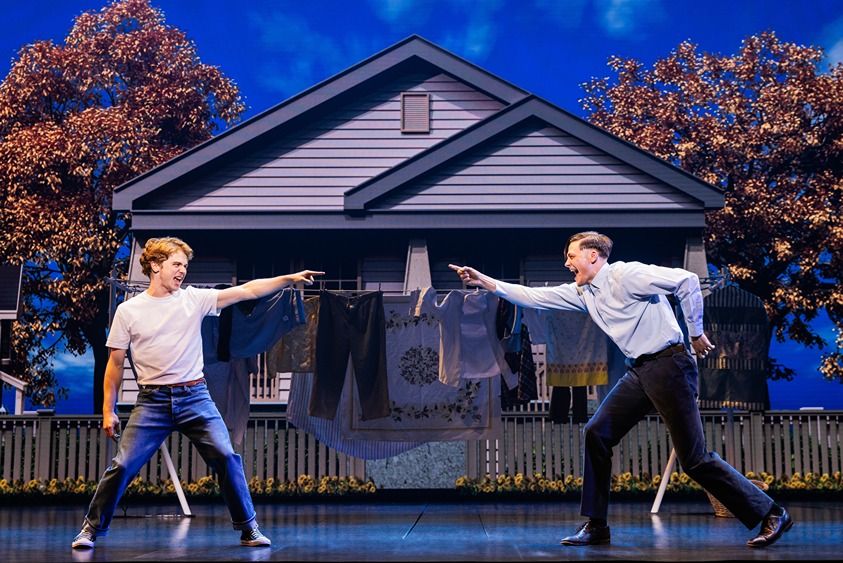
Before he can "Cyrano" his father into wooing his mom, he needs to subdue class bully Biff (Nathaniel Hackman), who is clearly the reason his father grew up so submissive. All this needs to happen while finding the 1955 Doc and convincing him this is all his accomplishment,so they can come up with a non-nuclear way to get Marty "back to the future"—all before his existence is erased.
Did You Hear the News?
The musical infuses many of the songs by Huey Lewis and the News from the original soundtrack ("Gotta Get Back In Time") which adds some fun new plot points while keeping the story fresh, even while it stays true to the film's overall plot and energy.
But while the entire cast was strong, standouts included Berube's Lorraine, Josefsberg's Doc Brown, and Cartreze Tucker in multiple roles.
Josefsberg seemed to initially channel the film version of his character, but evolved solidly into making the character his own by the second act, giving great energy with his interpretation.
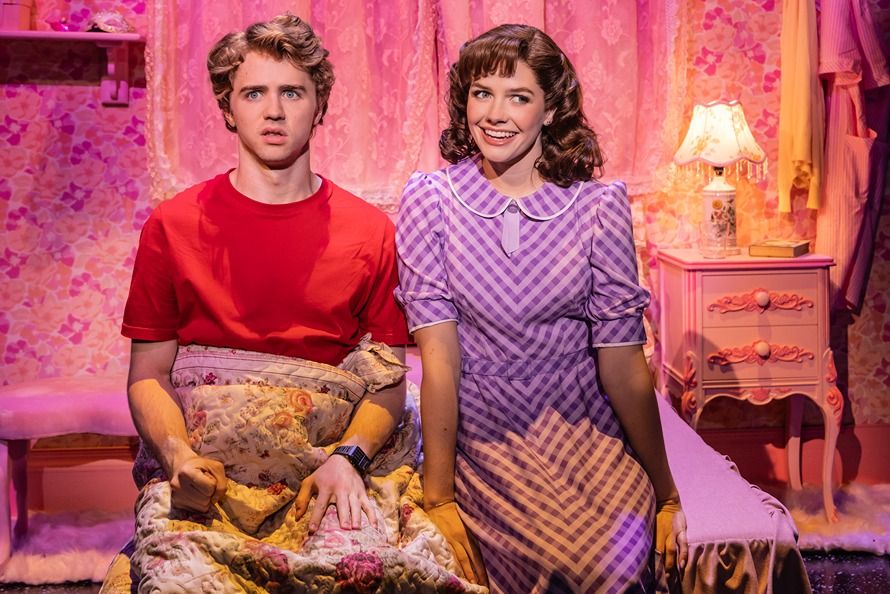
Berube stole the show anytime she was on stage. With a compelling stage presence, spot-on comedic timing, vocal clarity, and a powerhouse voice, she owns "Pretty Baby" while belting out a flirtatious seduction—brilliantly accented with an unexpected 1950s backup trio.
In the vein of "there are no small parts, just small actors," Cartreze Tucker must be a giant. His ability to take the tiny film parts of Goldie Wilson and Marvin Barry—expanded into a slightly larger role in the stage musical—and to steal scenes left and right was very fun to watch. His rendition of "Gotta Start Somewhere" brought the audience to their feet.
Costume and scenic designer Tim Hatley's 1980s attire is painfully and hilariously unerring in capturing the era. While seemingly over the top with teased hair, spandex, and way too much eyeliner, most of the Gen-Xers in the audience will know the costumes could have come from their own closets back in the day—or maybe still now?
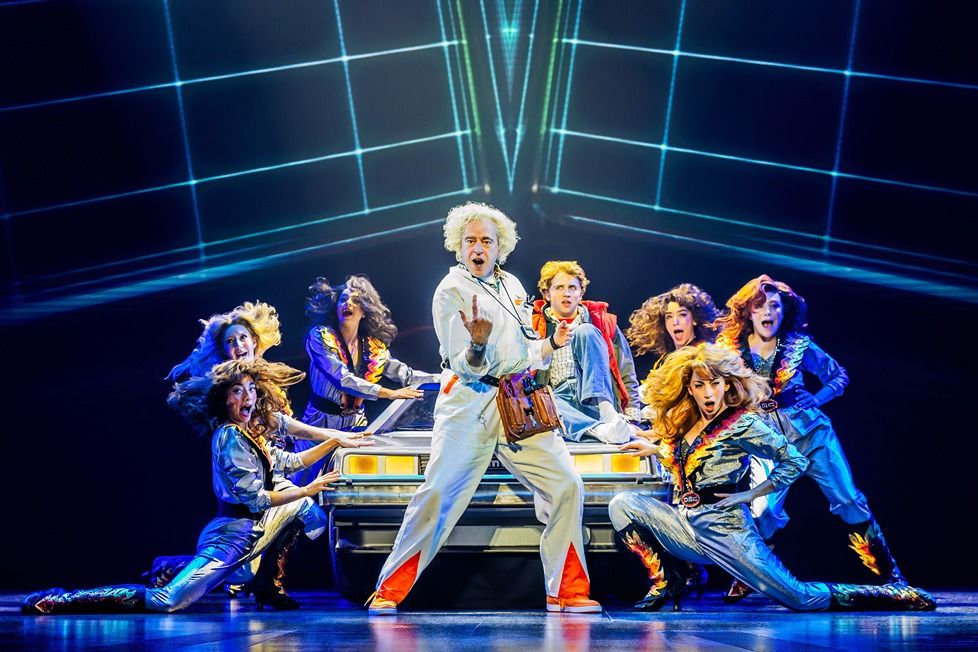
But the real star of the show is, of course, the full-sized Delorean time machine. Finn Ross and the visuals team dropped jaws with the magical cross cutting of stage scenes and believable illusion of the Delorean not only spinning out to a stop, accelerating to 88 miles per hour (while not actually moving?), but especially the final scene when Doc teases to Marty, "We don't need roads."
Back to the Future The Musical is at the Saenger Theatre through Sunday, December 14.
A Beautiful Noise is Music Therapy for All Neil Diamond Fans
The curtain rises after a Vegas-style introduction of Neil Diamond's cavalcade of accolades, including sales of over 130 million records worldwide, amounting to him being one of the best-selling musicians of all time only to find a stark dimly lit stage with an elderly and melancholy Neil Diamond (Robert Westenberg) sitting across from his therapist (Lisa Reneé Pitts) in an uncomfortably long and awkward silence.
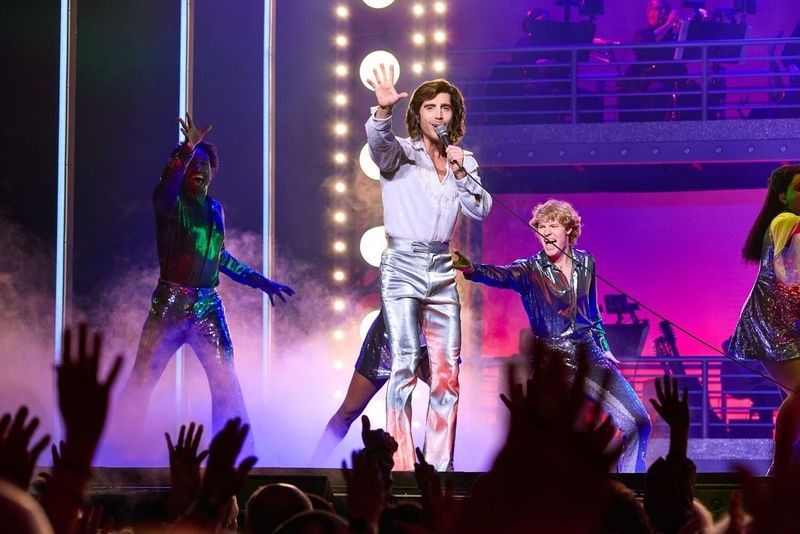
When the uncooperative patient is about to leave in a fit of frustration, declaring his unwillingness to talk about his loneliness despite reaching global stardom and wealth beyond his peers, the therapist pulls out a Bible-sized compilation of the singer's catalog of song lyrics. As the therapist challenges him to choose his favorite song, the subsequent analyzing of his songs launches A Beautiful Noise into cleverly innovative theatrical device.
I'm a Believer
A Beautiful Noise successfully threads the iconic songs of Neil Diamond through the man's complicated life.
In having Neil Diamond's often-autobiographical songs analyzed by the characters, the audience is taken through the young Neil Diamond's (Nick Fradiani) early life as a moody introverted Jewish boy from Flatbush, Brooklyn to become the beloved workaholic superstar who is also a conflicted husband and father, with Neil Diamond's own song writing revealing his state of mind in those moments.
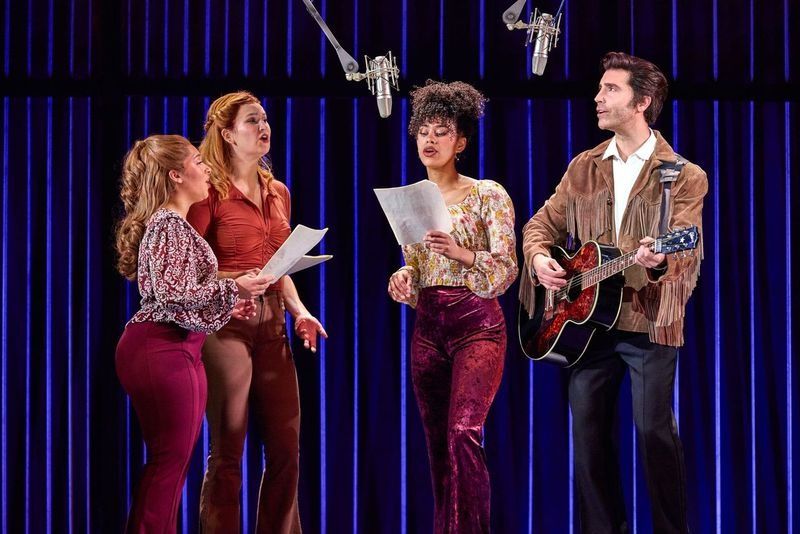
Bolstered by his first wife Jaye Posner (Tiffany Tatreau), Diamond gets a job writing songs with a surprise hit "I'm a Believer" for The Monkees TV show band. However, even this seemingly bubble-gum music is eventually shown to have deeper significant subtext for the musician.
When producer Ellie Greenwich (Heidi Kettenring) recognizes his distinctive voice as "gravel wrapped in velvet," she launches the lyricist into performing on his own.
I Am...I Said
After a taste of the spotlight in The Bitter End coffee house in New York City—as well as an affair that led to his divorce and second marriage to Marcia Murphy (Hannah Jewel Kohn)—his trajectory was set.
The musical skillfully intertwines the younger Diamond with his older self, often literally swirling around his own older persona's head while performing on stage. The eventuality when Diamond is forced to confront himself offers a powerful performance by both actors.
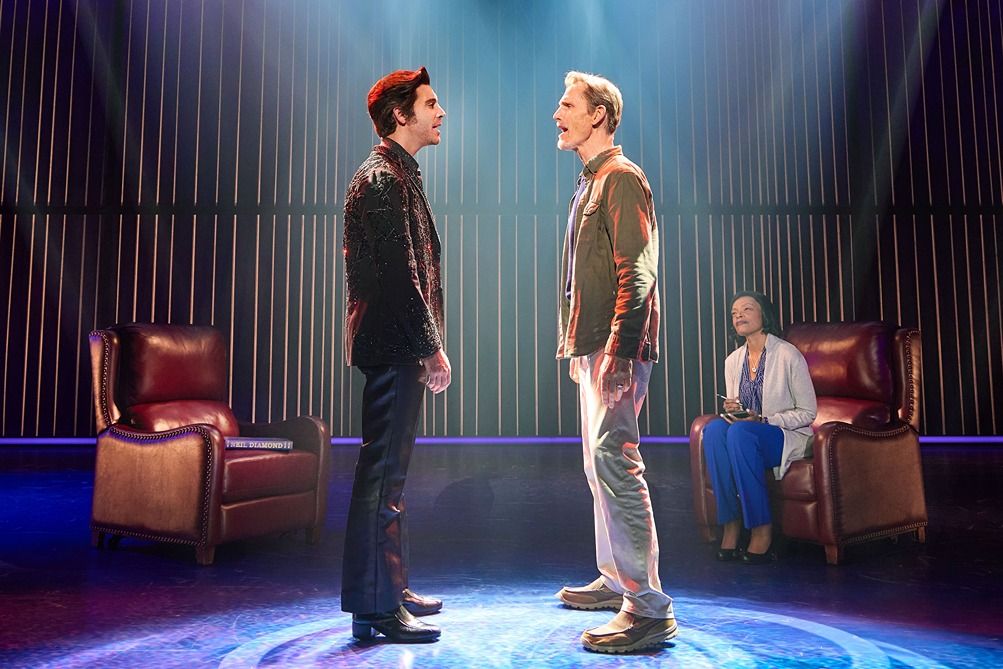
Presenting Neil Diamond initially as an older melancholy person whose voice is compromised by age and Parkinson's disease makes the powerful voice of Fradiani's younger Diamond almost shocking when he finally belts out "Kentucky Woman," "Solitary Man," and "Cracklin' Rosie" as his first solo hits—emulating Diamond's "gravel-wrapped-in-velvet" voice to perfection for fans.
Love on the Rocks
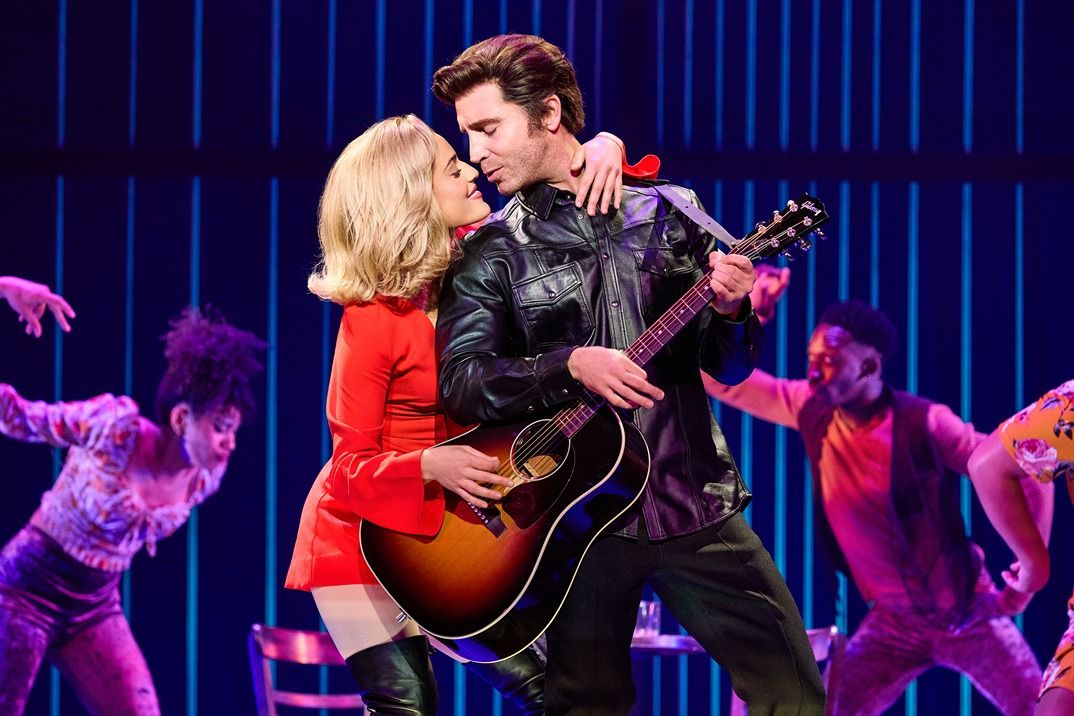
Marcia Murphey exudes impressive empathy and pathos as Kohn traces her story arc as an ambitiously sexy home-wrecking mistress into a career-windowed wife lost and lonely among the materialism his success had afforded her.
Other standouts include Kittenring and Gene Weyngandt.
Kittenring's Ellie is hilarious fun, even as she redefines her favorite of Diamond's songs at each new release.
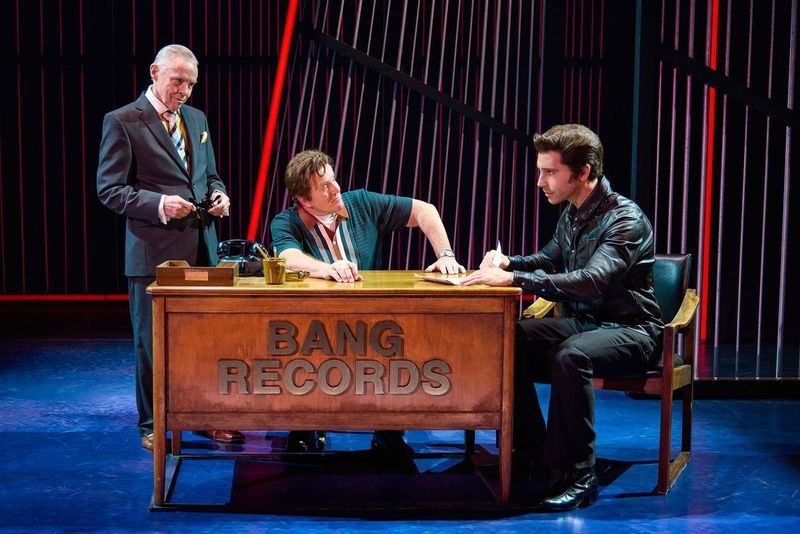
Weyngandt tackles two supportive roles as The Bitter End founder Fred Weintraub and gangster-producer Tommy O'Rourke—a fictional name in the play believed to represent Tommy Eboli, aka "Tommy Ryan," at Bang Records. Weyngandt steals every scene he's in with a compelling stage presence and effective non-verbal physicality paired with impeccable timing in delivering his lines—whether they be humorous or menacing.
Go see A Beautiful Noise, but be ready to be reminded how many of Neil Diamond's songs are "your personal favorite." Make sure to wear your best shoes for tapping your toes and be prepared to lose your voice from singing along during the curtain call.
A Beautiful Noise is at The Saenger Theatre through Sunday, November 16.
Kimberly Akimbo Somehow Makes a Rare Childhood Aging Disease Hilarious
Going to see Kimberly Akimbo cold, it is impossibly difficult to comprehend a story about the life of a teenage high school girl afflicted with Progeria (a rare, fatal, and progressive genetic disorder causing accelerated physiological aging with an average life expectancy of around 13 to 15 years) funny—much less hilarious—but playwright and lyricist David Lindsay-Abaire (Shrek The Musical) pulls it off brilliantly.
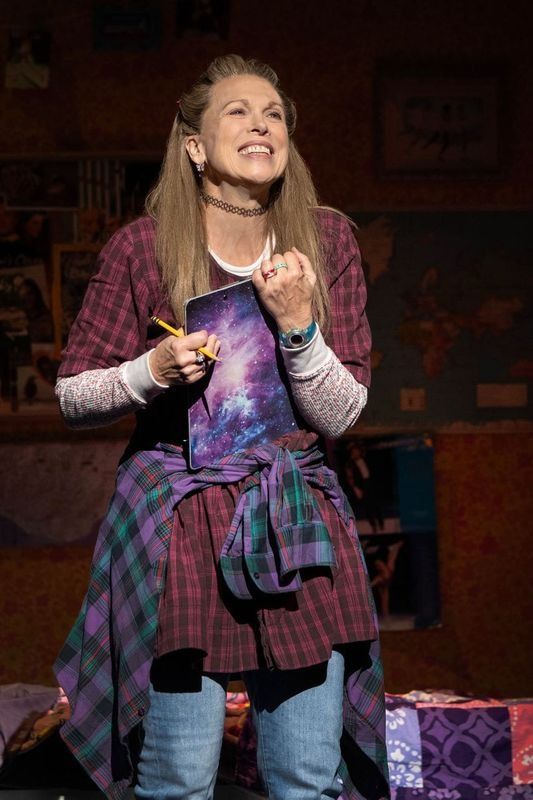
Her disease in the play is fictional, but shares similar symptoms of Progeria (Hutchinson-Gilford Progeria Syndrome, also known as HGPS) which is a rare, fatal, and progressive genetic disorder that ages a person four- to five-times faster, often resulting a premature death of old age by 15 years old. Lindsay-Abaire's sleight of hand in making this at all amusing is by giving the girl a dysfunctional home life where this fatal disease is the least of her worries—along with living in New Jersey, of course.
15 + 1 = 85
Kimberly (Ann Morrison) is a 15-year-old girl trapped inside an 80+ year-old body, having aged approximately five years physically for every chronological year of her life. While she looks like a grandmother—at one point reminding her unexpectedly over-protective father (Jim Hogan) that she went through menopause years ago—she is still a teenager and excited about her upcoming Sweet 16 birthday. Her birthday will be a literal coming of age, but one her peers celebrate growing older while she will celebrate not dying. Hilarious stuff, right? Enter her family.
Set in Bergen County, NJ, in 1999, the pre-millennia references are thick and comic fodder for the X-Gens in the audience. Recently relocating under a cloud of mystery from Lodi, NJ, Kimberly longs to make friends with her peers at the ice skating rink "in New Jersey" ("Skater Planet"). Her drunk father picks her up several hours late—again. But Kimberly is surprised when schoolmate Seth (Miguel Gil) befriends her, despite her aged appearance.
All in the Family
Dad is not happy about his daughter's potentially budding romance when hilariously chauffeuring their first date with road rage ("Happy for Her").
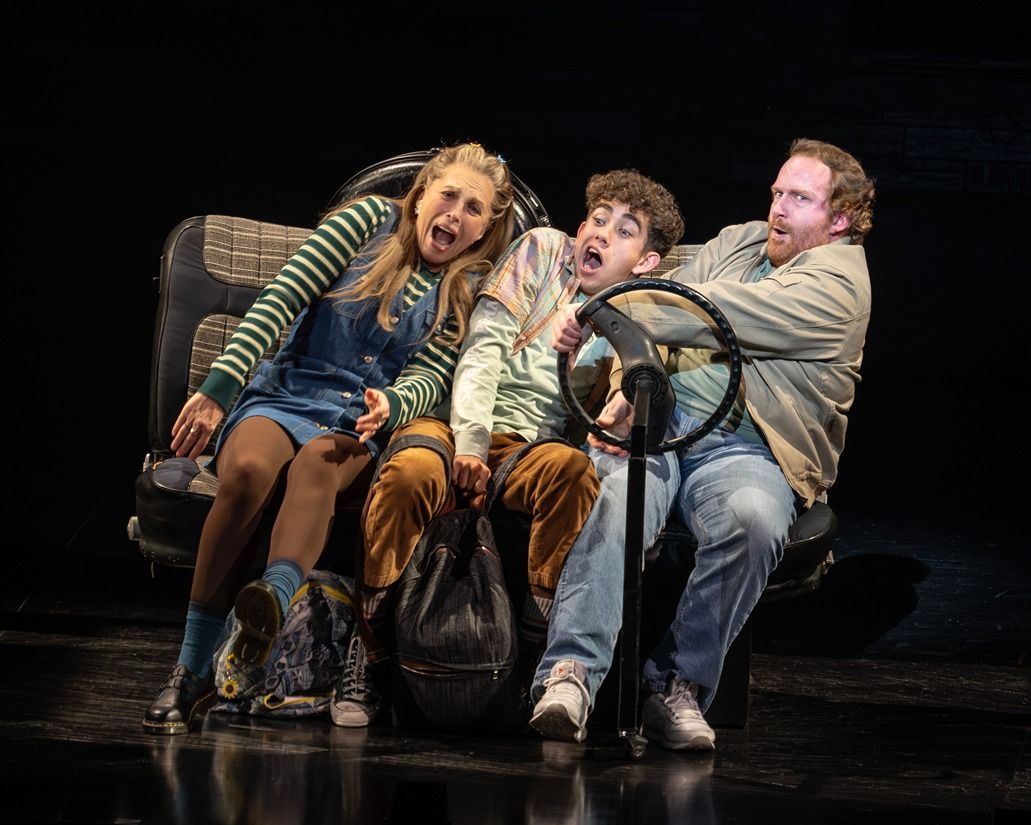
Meanwhile, her pregnant mother (Laura Woyasz) is filming video messages to her unborn child to ensure the newborn won't hate her, "no matter what they say." And the unwanted arrival of her sister, and Kimberly's aunt, Debra (Emily Koch) sets the family con-game business back into high gear.
Debra quickly forms a crew by bribing, and later blackmailing, the high school dance team (Gabby Beredo, Sky Alyssa Friedman, Darron Hayes, Pierce Wheeler). Buckling under their rivalry to get new outfits qualifying them to compete against their arch-nemesis school, they eagerly agree. With Seth and the other schoolmates involved, Kimberly is an all-to-willing, and clearly well-versed, accomplice ("How to Wash a Check").
As teens, Debra explains they would "probably" not go to jail if caught. Kimberly's job in the caper is to use her affliction to hide in plain sight playing the part of Seth's kindly, unassuming grandmother. Things go from madcap to farcical quickly, and laughs keep on coming.
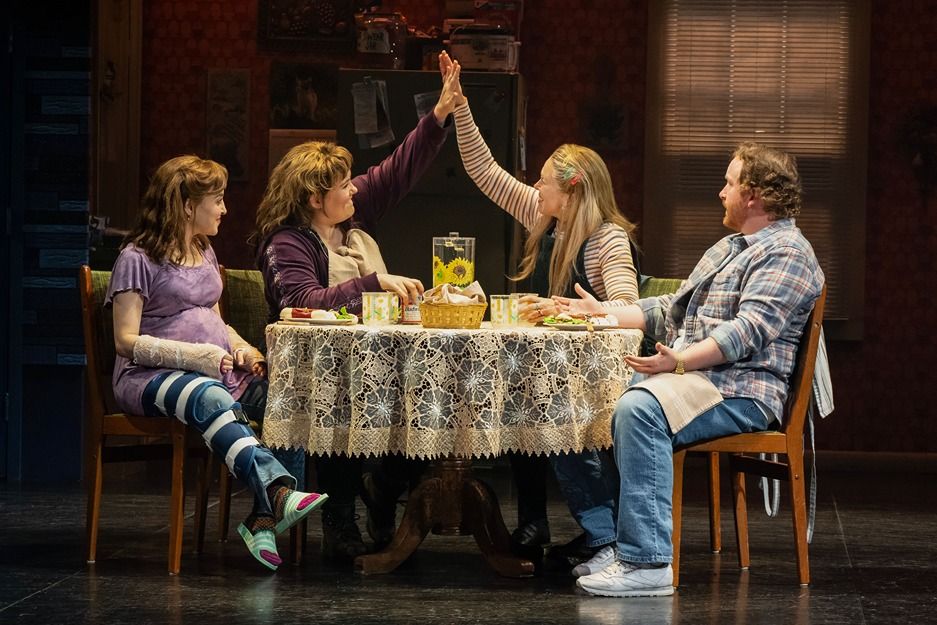
Lindsay-Abaire does tease with moments of sentimentality with a family gathering, but while other playwrights might make it an uplifting feel-good moment, he leans into the dysfunction for laughs, letting the audience know early on in the scene that this will not end well ("The Inevitable Turn").
Breakouts
The cast is clearly enjoying this show, with Morrison leading the way. An actress closer to the age of her character's affliction years, she believably channels 16-year-old energy and mannerisms. With a strong voice and Broadway chops, she excels in this role.
Beredo as dance team captain Delia displays a fierce and funny competitive nature that shines through.
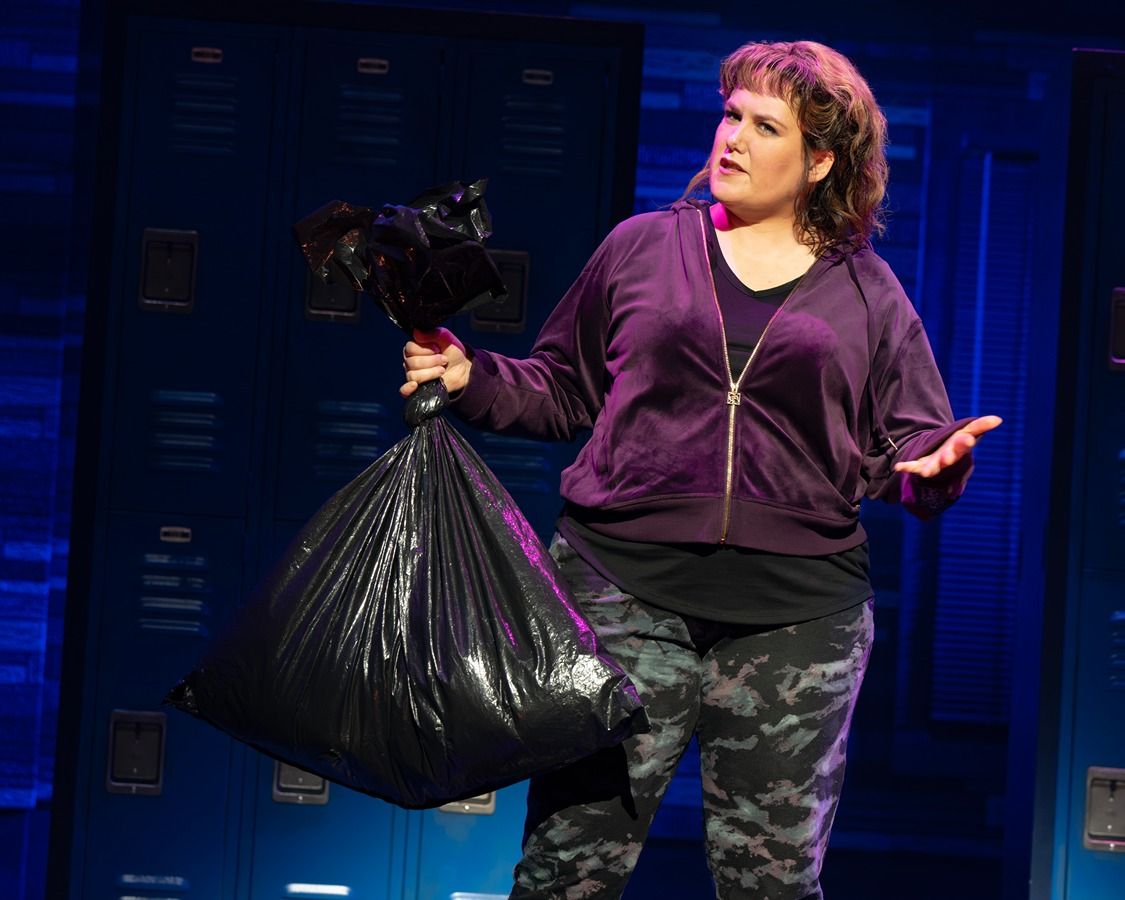
However, it's Koch's Debra that steals the show, along with everything else her character can get her hands on. Her stage presence takes the comedy to new levels. With great timing and physical comedy often lacking in Broadway shows, the energy she brings was palatable when she took the stage. Koch managed to make her character simultaneously irredeemable and compassionate. Funny and surprising, Koch's performance alone is worth the price of admission.
Spoiler Alert
The play does have some powerful melodramatic moments to pull at the heartstrings, largely because Lindsay-Abaire crafts multi-dimensional and complicated characters flawlessly. But he also does not lose sight of this being a comedy, and the ending does not follow a traditional—albeit clichéd—ending, sending the audience out in tears. His denouement is all to the better, and far more uplifitng—in a backhanded way.
Also, Kimberly's last name is not "Akimbo," but that's a longer explanation best saved for the play.
Kimberly Akimbo will play at the Saenger Theatre in New Orleans through Sunday, October 12.