Réveillon On
There's no lack of festivity in New Orleans anytime, especially during the Halloween/Thanksgiving/Christmas/New Year/Mardi Gras/St. Patrick's Day/Festival Season marathon.
In December, you can go caroling in Jackson Square, celebrate in the oaks in City Park, or stroll by St. Charles Avenue's well-decorated mansions. Holiday music is readily available at church concerts, jazz bars, or even just on a record player at home. Réveillon dinners are the perfect meal to get in the spirit.
Historically, Réveillon ("awakening" in French) is a late Christmas Eve dinner inherited from Catholic culture in France. Hispanic and Latin countries call it Nochebuena. Tradition from the 1800s calls for it to be served after midnight mass during the early hours of Christmas. Whether a family goes to bed before or stays up until Christmas morning to open presents under the tree was and remains a personal choice.
As Ann Masson writes in her book Réveillon History:
"The event was actually more of a breakfast than a supper. Later in the day, a Christmas dinner was served in many households. Even during the stringent times of the Civil War, the French, sitting around the festive board, did their best to have as lively a Réveillon as possible." —Picayune Newspaper, 25 December 1861
As the centuries went by, the original Réveillon tradition began to fade. Changing religious practices, increased secularization, and evolving social norms led many New Orleanians to abandon the late-night feasting. By the mid-1900s, Réveillon was nearly extinct, remembered primarily in nostalgic family stories or historical accounts.
Over the decades, however, New Orleans restaurants have adapted the tradition and extended it through the month of December, with some places even serving it up until New Year's Eve. These seasonal tasting menus, served during conventional dining service hours, are prix-fixe and often have recommended wine pairing menus.
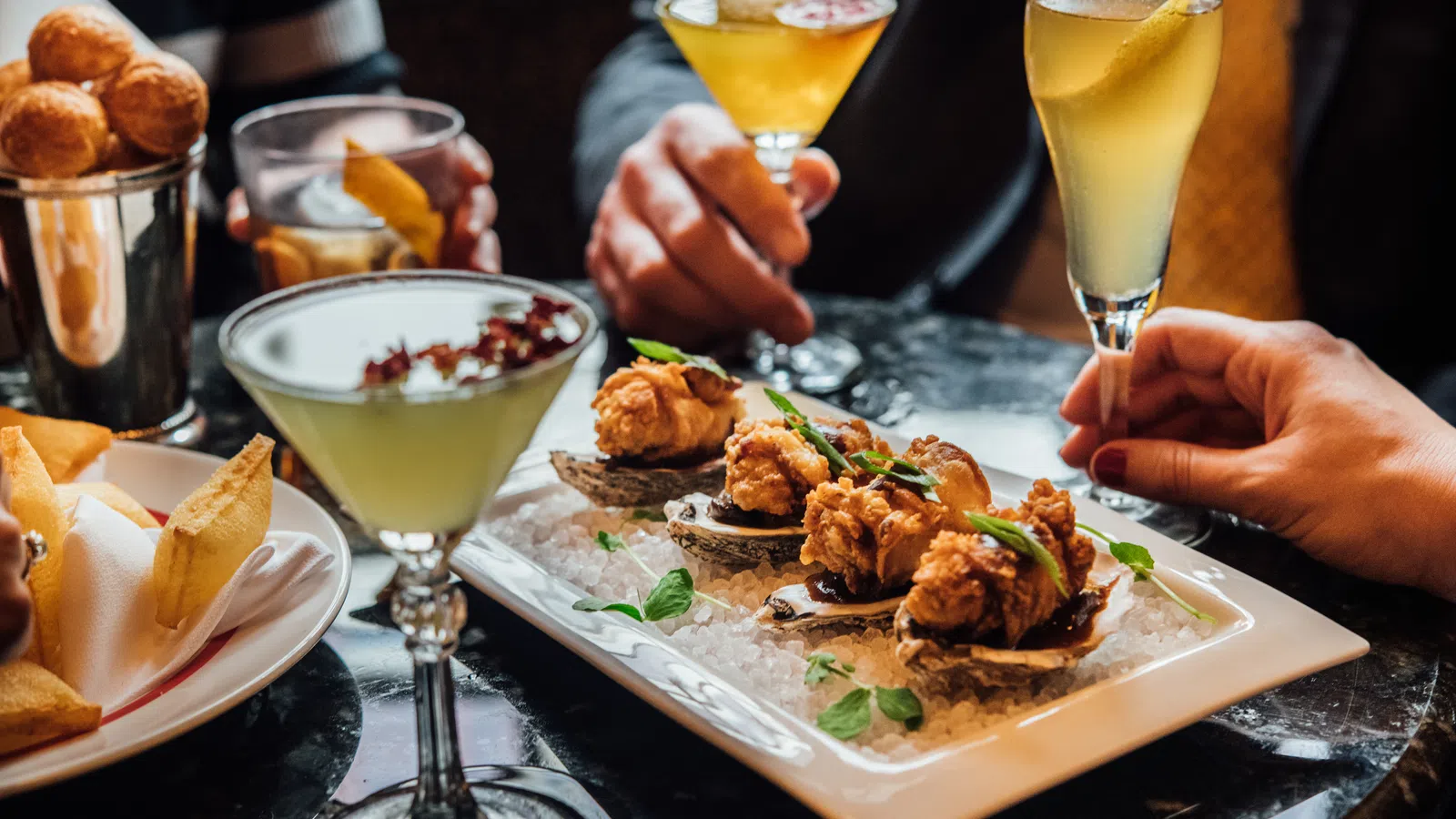
The current versions originated with the French Quarter grande dame restaurants in the 1990s and have radiated throughout the city to restaurants of all cuisines and formality levels. New Orleans is renowned worldwide for its warm hospitality and distinctive, flavorful dishes. Modern Réveillon dinners are coursed-out tasting menus that lean into heartier, seasonal, and more decadent ingredients to celebrate the holidays.
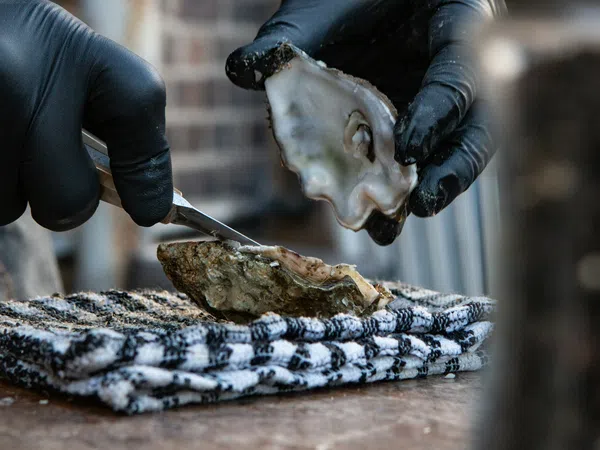
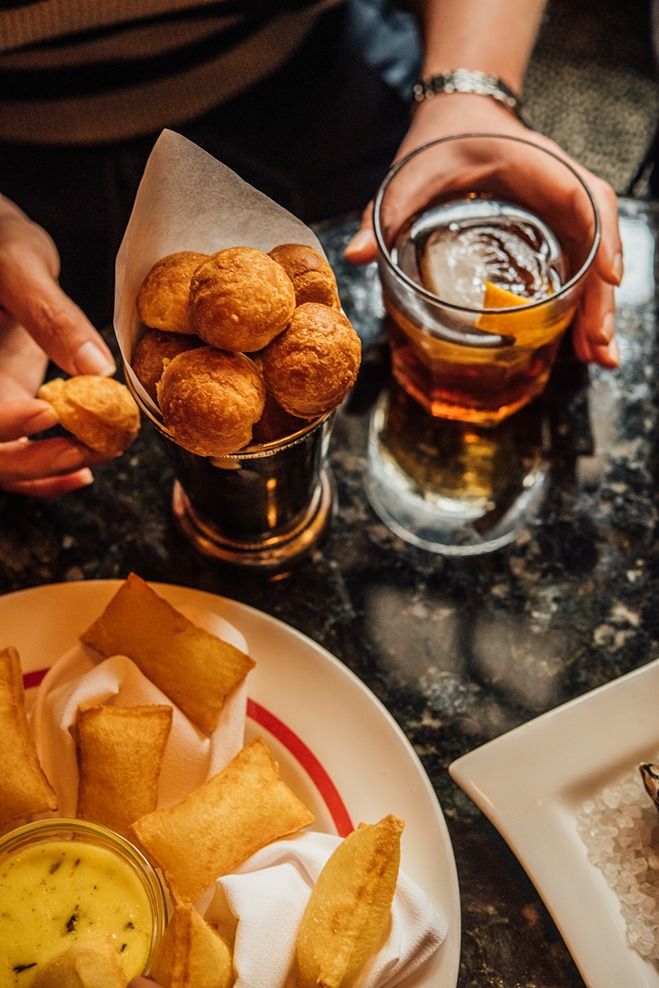
Alongside the usual tasso hams and Gulf shrimp, look for "Christmasy" ingredients such as chestnut stuffings, roasted duck or goose, and peppermint and cranberries sneaking into desserts. Old-school delicacies including daube glacé, turtle soup, oyster stew, and bûche de Noël really shine at this time of year. Coffee spiked with cognac or brandy is available year-round but comes to the forefront alongside eggnog and hot chocolate during this season.
If you want to celebrate the tradition at home in the wee hours, you can retreat back into the 1800s with egg dishes, homemade gumbos, and cakes or puddings. Or, if you want to create your own restaurant traditions, roll into your favorite local spot and have a festive meal with your loved ones. Ask what the seasonal specials are, and pour "the good stuff."
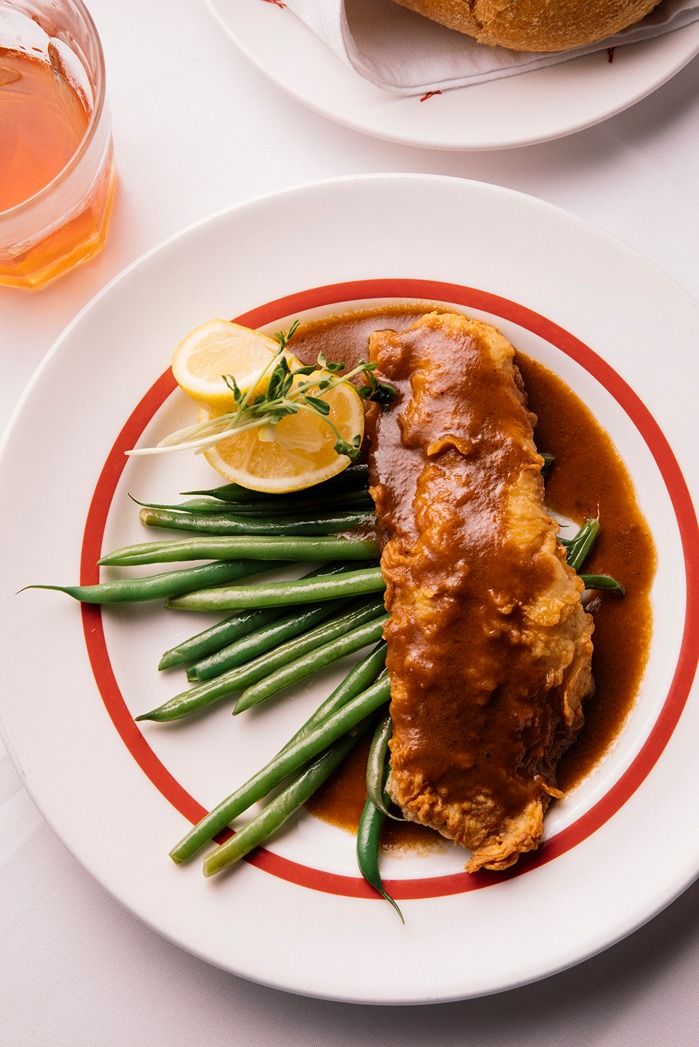
Chef Tommy DiGiovanni called Réveillon an invitation to step into a beloved New Orleans tradition. "At Arnaud's Restaurant, we welcome both new and longtime guests to a menu blending our classics with imaginative creations available only during the season." His Réveillon menus often include courses with wild mushroom risottos, quails, and chocolatey hazelnuts. "It's all with the elegance of our historic dining rooms and signature hospitality. A celebration of flavor, festivity, and fun not to be missed."
For locals such as Denise Gratia of Muriel's Jackson Square, Réveillon is a deeply personal matter. "Rick [Gratia, her husband and managing partner] has a long history in Creole dining." He and Muriel's Chef Erik Veney worked together at Mr. B's in the '80s. "They've been serving Réveillon together for a very long time—decades of experience creating these menus. They truly understand the spirit of this special celebration."
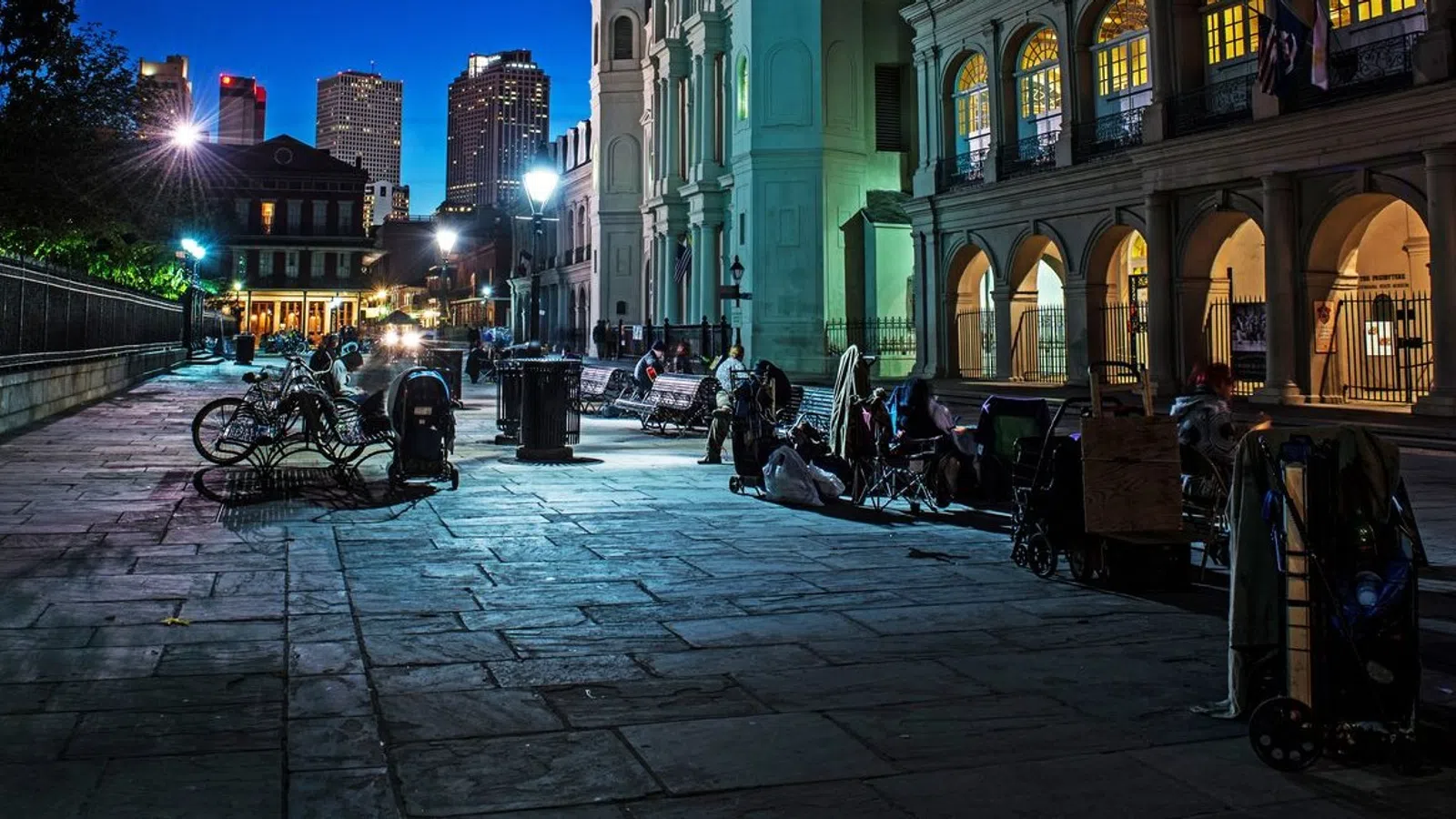
She added that Muriel's makes every effort to tie modern dining to New Orleans' historic traditions, and Réveillon is no exception. "We're a Creole restaurant right next to [St. Louis] Cathedral. It's likely the celebration happened right here in our building back in the day." She recommended having dinner at Muriel's on one of the nights the Cathedral-Basilica of St. Louis, King of France hosts free Christmas concerts for "a fully immersive historical evening."
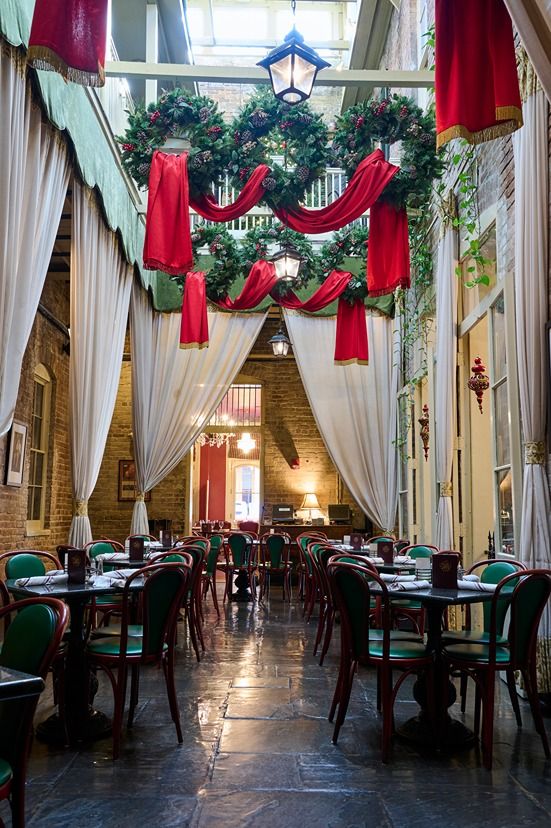
The Réveillon dinner is a shining example of New Orleans' ability to preserve its past while embracing the present. From its 18th century French origins to its modern-day renaissance, Réveillon, like Mardi Gras, has grown beyond its Catholic roots. Today's version is more cultural than strictly religious, inviting people of all backgrounds to partake in holiday feasting. It's a way to showcase Creole cuisine, support local businesses, and keep a historic tradition alive in a dynamic, inclusive way.
New Orleans food has never been just food—it's heritage, identity, and hospitality. Réveillon is a reflection of our city's deep respect for tradition, its flair for celebration, and its ability to adapt old customs to fit new contexts. For locals, it's a way to reconnect with roots and create new memories. For visitors, it's a unique opportunity to experience a holiday tradition that can't be found anywhere else in the United States.
Whether you're in a candlelit restaurant in the French Quarter or cooking at home with family, a Réveillon dinner is more than just eating. It's participating in a living tradition—a celebration of culture, community, and the enduring magic of New Orleans.
NewOrleans.com has the full list of officially participating Réveillon restaurants.