NOLA River Fest 2026
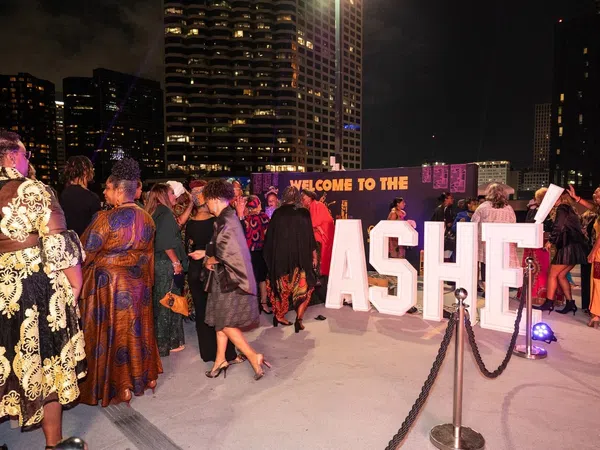
New Orleanians were brought together for the 12th annual NOLA River Fest, a celebration of the Mississippi River and its influence on the city's culture, history, and environment. Held Saturday, September 12 at the New Orleans Jazz Museum, the free festival featured local musicians, food vendors, educational panels, and community organizations.
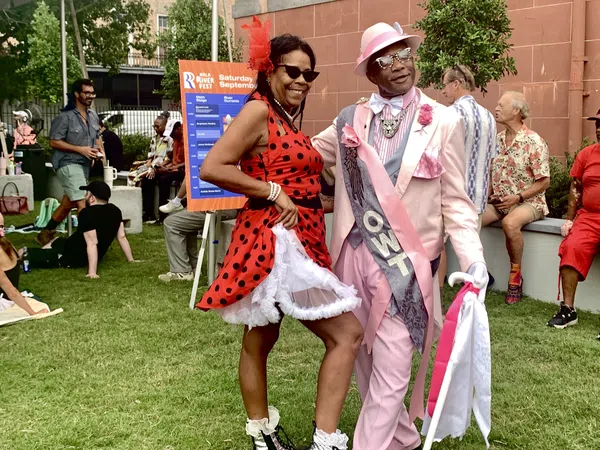
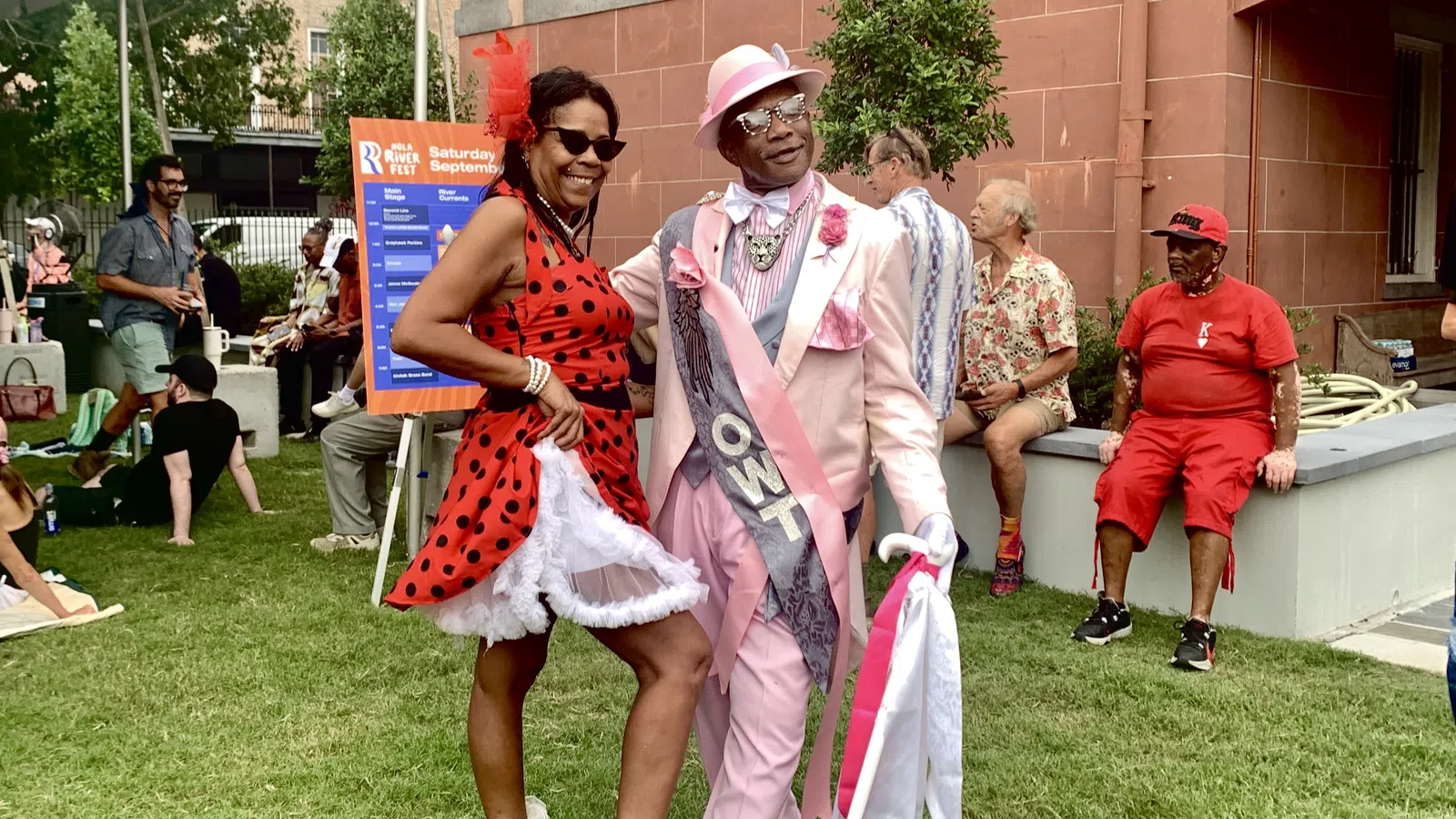
The celebration began at 11 a.m. with a second line from Jackson Square to the Jazz Museum featuring the N'awlins D'awlins Baby Dolls, Big Queen Mary K and the Original Wild Tchoupitoulas Indians, and the Tremé Lafitte Brass Band.
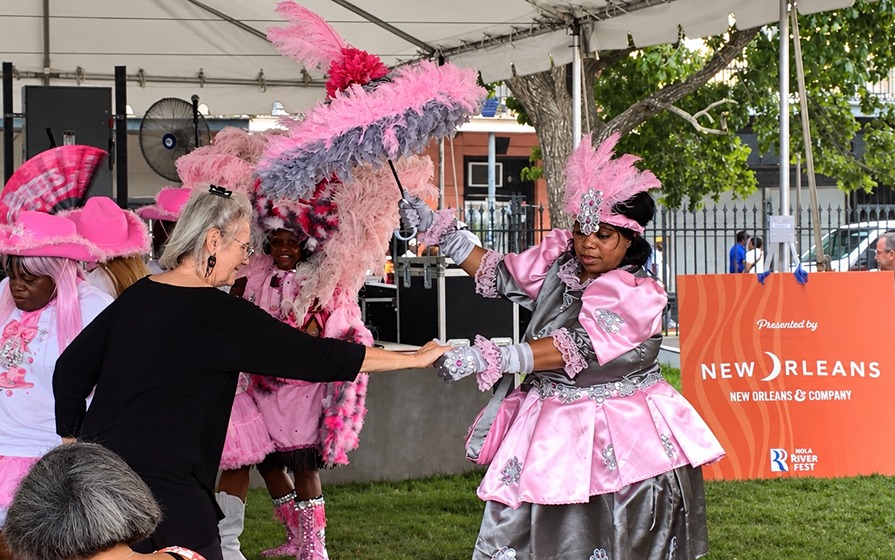
Carol Harris, also known as Baby Doll Kit, is a native New Orleanian and the founder of the N'Awlins D'Awlins Baby Dolls.
"Greg Lambousy, the director of this whole facility, asked me, 'Kit, would you get some Baby Dolls to come and second line on the river for us?' He thought I was bringing about three, four people. I showed up with about 25, 30 dolls," Harris said.
To Harris, second lining and celebrating the Mississippi River was a way of honoring her ancestors. "It's amazing because the Mississippi River is a part of us—our ancestors came in through the mouth of the river." Harris said.
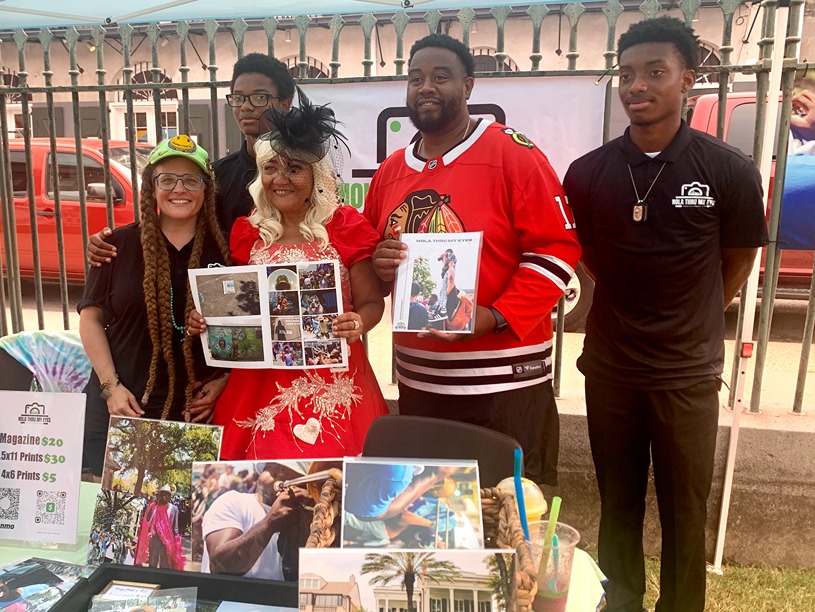
For Dallas Lane, a New Orleans resident and student with the youth photography program NOLA Thru My Eyes, River Fest represented the sense of community surrounding the Mississippi River.
"I feel like it celebrates us, us being one community, us being a family, us being whole. We've always been here for each other," Lane said.
River Fest also emphasized education and environmental preservation. Panels throughout the day explored infrastructure, New Orleans' canals, and the relationship between water and artificial intelligence. The festival encourages attendees to consider their role in protecting the river and surrounding communities by partnering with environmental and educational organizations.
Donald Davidson, a local New Orleans resident and member of Restore the Mississippi River Delta said protecting the river is also critical to protecting the land surrounding it.
"Without the river to build up the
land, it will eventually subside. It will make it a lot harder for us to
inhabit these areas in the long term if we don't fight to keep them," Davidson
said. "We all understand the power of the Mississippi River but often we're
disconnected from its true potential and we need to fight to be able to retain
those resources and that area," he said.