The Art of Answering Back
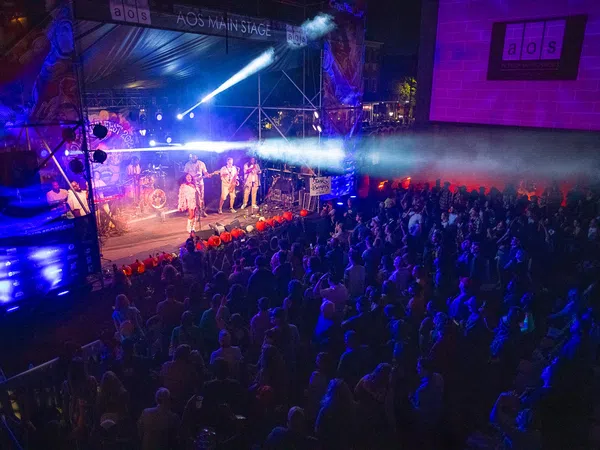
New Orleans has never treated culture as a spectator sport. We do not simply watch Mardi Gras. We costume, dance, call, answer, and become part of the celebration.
The same participatory instinct runs through the city's music, nightlife, drag, comedy, and street performances, where the audience is rarely passive and the event changes according to who shows up and how they respond.
That culture has not always welcomed everyone equally, but its interactive forms have given LGBTQ performers powerful ways to claim space, build audiences, and expand the communities gathered around them.
Katey Red, Big Freedia, and Bianca Del Rio each extend that New Orleans performance tradition in a different direction.
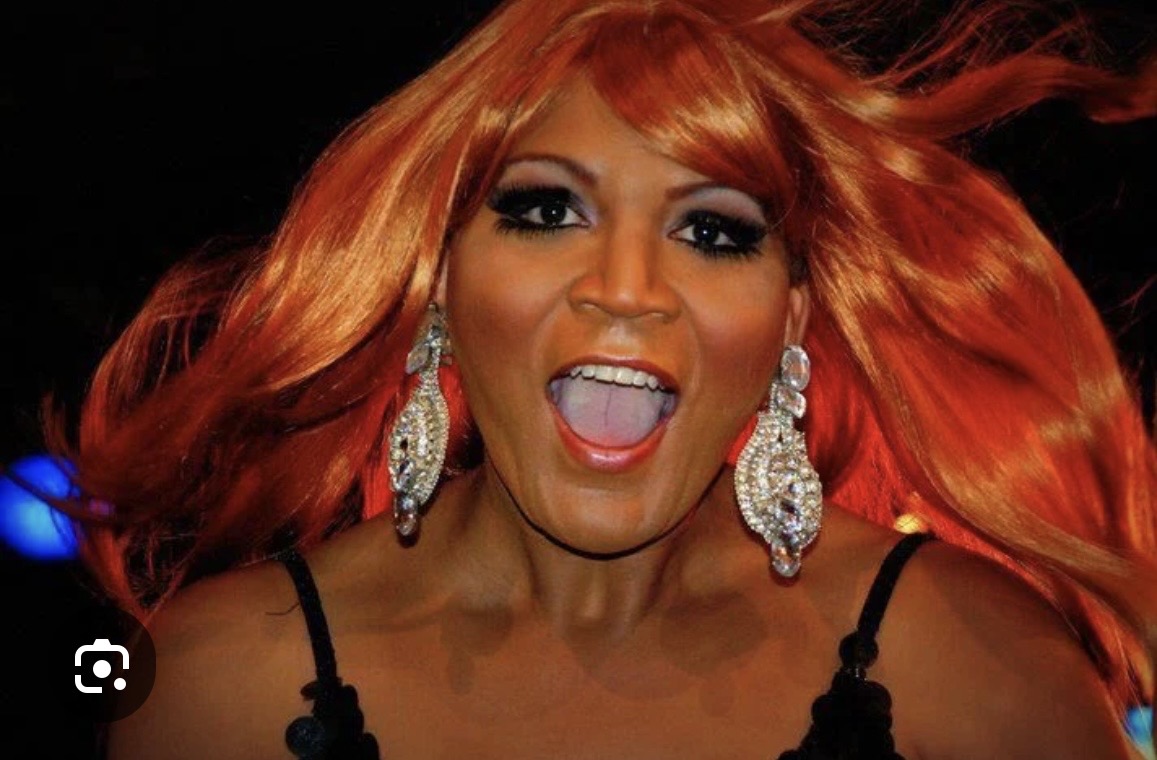
Katey Red
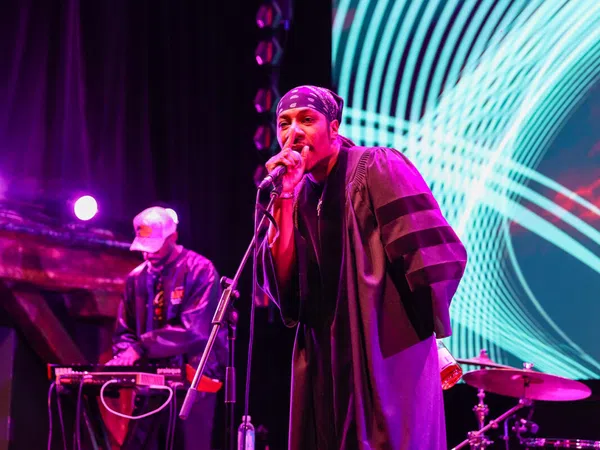
Katey Red's breakthrough began with a basic New Orleans performance test: Could she move the crowd? She told Vanity Fair that when she performed near the Melpomene Projects in 1998, she knew many of the boys listening were hostile toward queer people. Once the music started, however, the crowd answered.
That response mattered because bounce is built on exchange. The MC calls, and dancers and audience members answer with movement, repetition, and hype. Red expanded who could lead that exchange. Although women had already shaped bounce as rappers and dancers, male MCs often directed the action. Red made her own femininity, deep voice, movement, humor, and physical presence part of the spectacle. She did not simply tell the crowd how to move; she modeled new possibilities for what a bounce performer could look like.
Red also rejected attempts to isolate that expansion as "sissy bounce." She told Vanity Fair, "It's Bounce music." Queer performers were not standing outside the culture asking to enter. They were participating in bounce, and their participation expanded both the form and the community gathered around it.
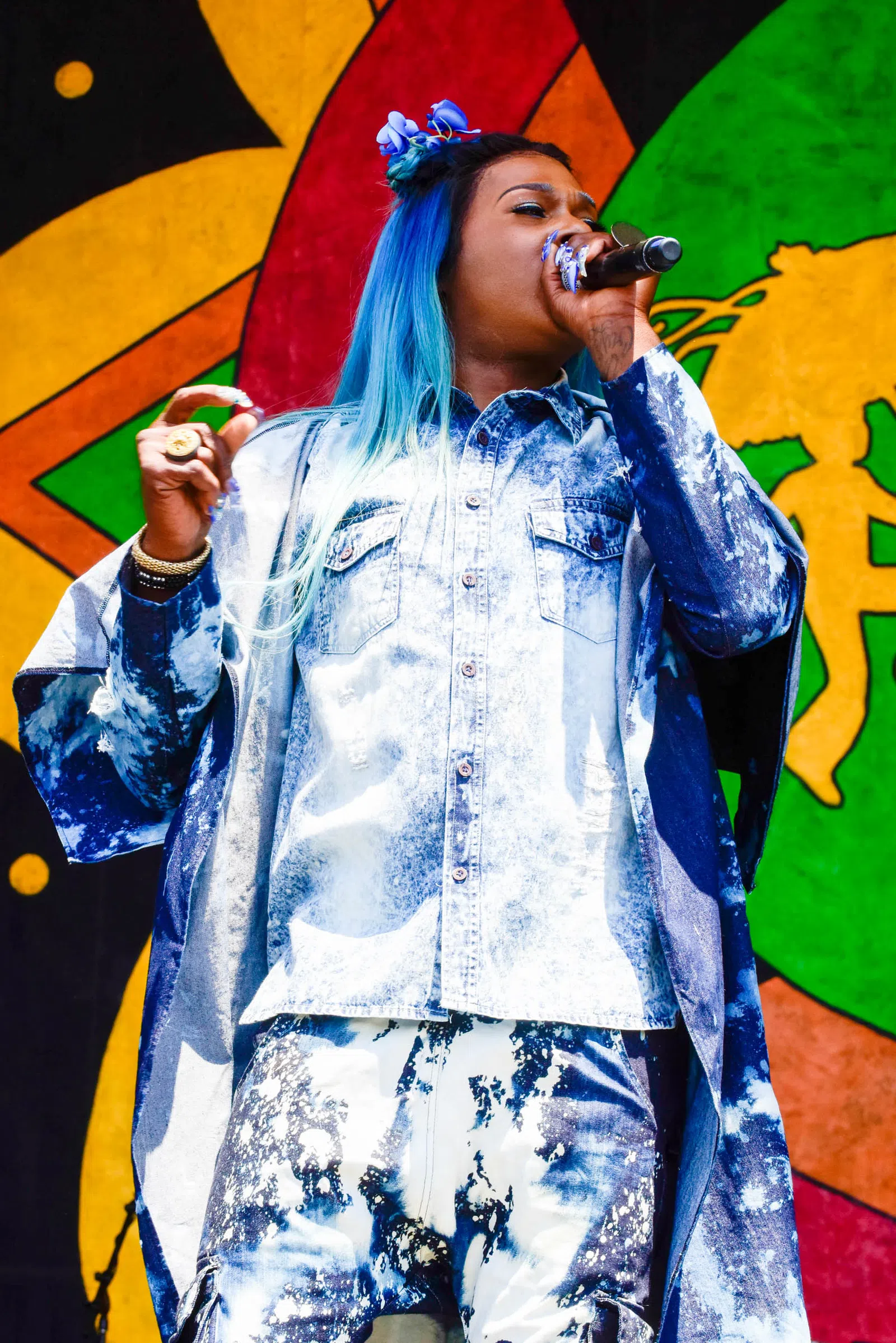
Big Freedia
Big Freedia took that audience-responsive structure and carried it far beyond the local scene. The key was not simply putting bounce on a larger stage. It was teaching new audiences how to participate.
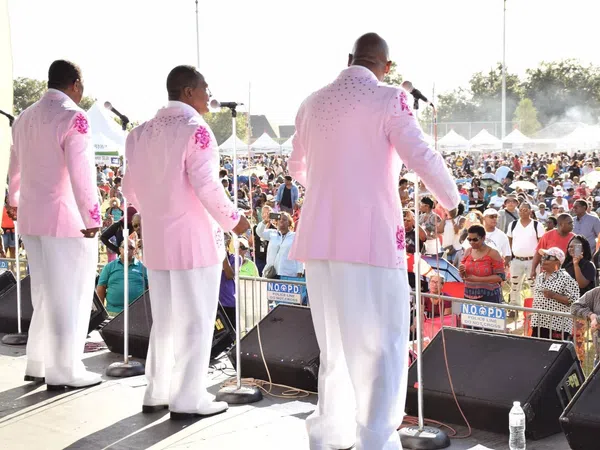
"I have to perform it, and that's the key—to get the crowd going in the performance," Freedia explained to The Brown Daily Herald. Her dancers make that invitation visible. They are not merely decorative backup; they provide movement, costume, instruction, and spectacle at once, showing an unfamiliar audience how bounce occupies the body before Freedia calls everyone else to answer.
Dancers, musicians, audiences, and even institutions co-create this form, this culture, this community—they perform together. A 2013 New Yorker account of Freedia's Guinness World Record twerking event captures the process in action. Shy spectators moved closer, followed the dancers' example, and eventually joined the performance. A community formed as people learned how to enter it.
As Freedia's reach widens—from clubs and festivals to television, international tours, and collaborations with the Louisiana Philharmonic Orchestra—she does more than make bounce visible nationally. She expands its boundaries through a distinctly New Orleans method—perform the culture fully, invite others in, and let their response make it larger.
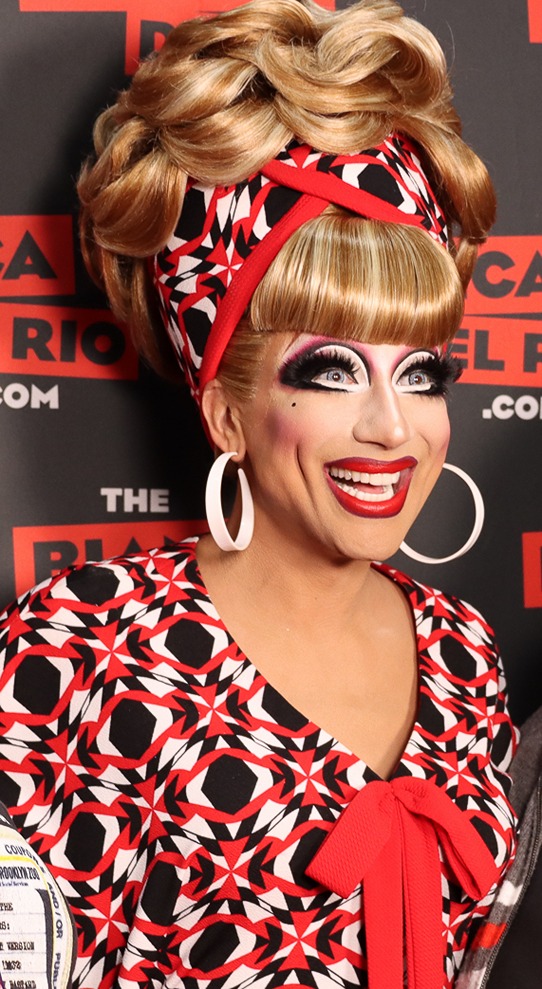
Bianca Del Rio
Bianca Del Rio carries New Orleans' audience-responsive performance culture into drag comedy. Roy Haylock developed the Bianca Del Rio persona through local theater, costume work, drag shows, and bingo gigs where a polished number alone could not hold a distracted, drunken, or openly unimpressed crowd. As she recalled in an Ambush Magazine interview, hosting those events taught her to fill time, manage interruptions, and turn the people in front of her into material.
That training shaped Del Rio's particular form of drag.
Costume and makeup establish the character, but improvisation sustains her. Questions, heckling, observations, and stray details become jokes in real time, with performer and audience continually adjusting to one another.
In a 2022 On the Mic interview about Unsanitized, Del Rio explained that although part of the show is scripted, "a large part of the show is audience interaction," so each crowd changes the performance from night to night. That exchange can be combative, but it is also collaborative. The audience supplies the unpredictability that allows Del Rio's timing and authority to take over.
Del Rio did not invent drag comedy or crowd work. She expanded the scale and setting of the craft she learned as a New Orleans drag host. The figure once responsible for keeping a bar lively between acts became the entire theatrical event, capable of filling Carnegie Hall, Wembley Arena, and venues around the world. Her career carries forward a local understanding of performance as live social negotiation: The character may arrive fully costumed, but the audience helps make the show.
Across bounce and drag comedy, Katey Red, Big Freedia, and Bianca Del Rio each expand a distinctly New Orleans performance culture built on response. Red broadens who can lead and embody bounce. Freedia shows increasingly large audiences how to participate in it. Del Rio carries the audience-responsive craft of New Orleans drag hosting into international theaters.
Their work differs in form, scale, and reach, but each depends on exchange. The performer calls, demonstrates, provokes, or invites; the audience answers through movement, laughter, recognition, and participation. That response does more than complete the show. It enlarges both the form and the community gathered around it. New Orleans culture travels not as a finished product but as an invitation to join in.